Duo power probably works well, but plugs with small wings can be a bit tricky for an initial grip as well. Maybe it's just me drilling poorly, but I had more problems with Fischer SX than Fischer S plugs (that in some holes, they followed the screw around, even if I started screwing the screw into the plug before pushing it into the hole). If they were in place, they seemed to hold well though, so there's no lack of grip strength.
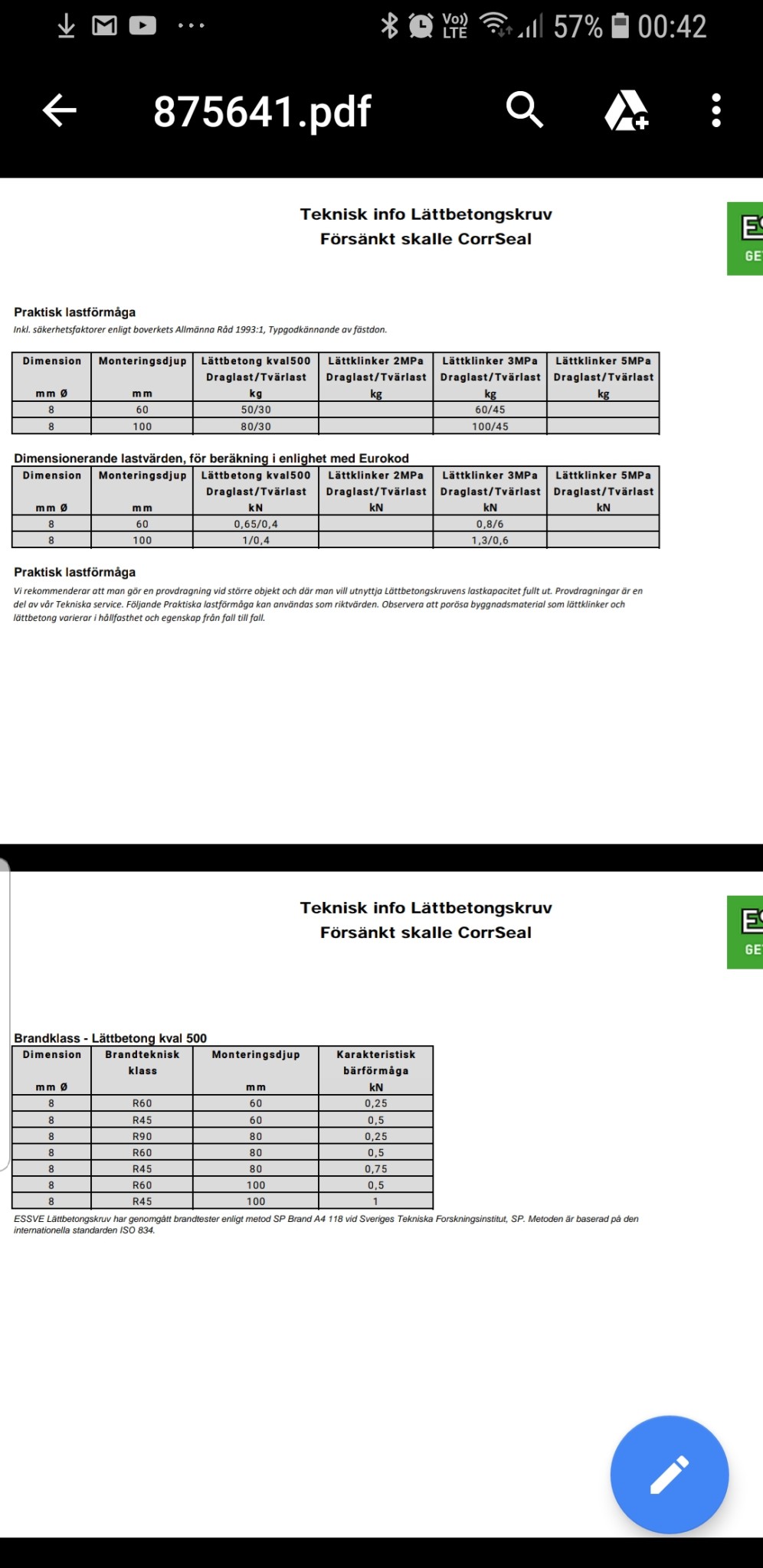
According to the guide, the following applies for lightweight concrete:
Drill with a 1mm smaller diameter drill than the plug
Drill slowly without hammer action calmly
Clean the hole of dust, use a vacuum cleaner, etc. to remove drilling residues
Yes, as mentioned, I drill with a wood drill* in aerated concrete. Without hammering, of course. I can't see any reason to drill with a concrete drill in aerated concrete since they are designed specifically for hammer drilling. With a wood drill, there's no reason to go down in size since the drill is more precise and there's less risk of wobbling off to the sides and making a larger hole than intended. For plugging, I also can't see any particular reason to blow it clean, as long as there aren't massive amounts of loose material preventing the plug from bottoming out.
Using nylon plugs with wings is possible, but it's very risky because you can easily turn the plug with the screw. This is especially true when using a screwdriver. For this reason, aerated concrete plugs look different, such as the previously mentioned Fischer GB with its large wings. These don't turn in the material. The TOX Ytox is triangular and considerably larger than the drill size, which also prevents it from turning. I attach smaller items with Essve red plugs, for which I make holes with an old screwdriver as mentioned. This works excellently but you have to be a bit careful not to turn them with the screwdriver.
* use the cheapest possible drill, as they won't be useful for wood drilling after a few holes in aerated concrete. Or have dedicated drills for this.
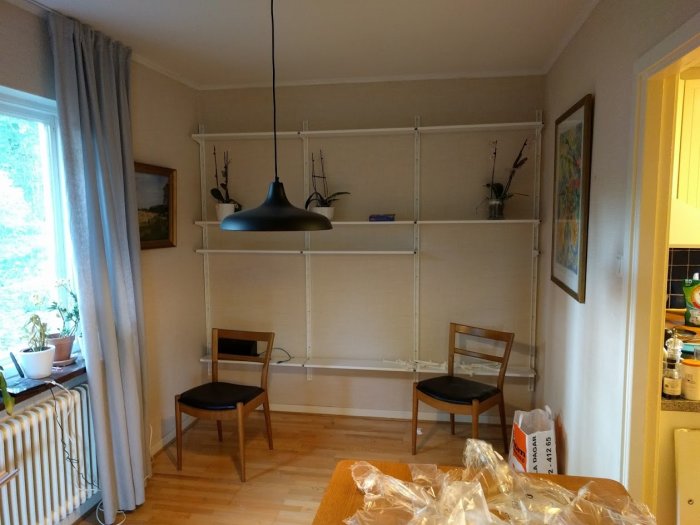
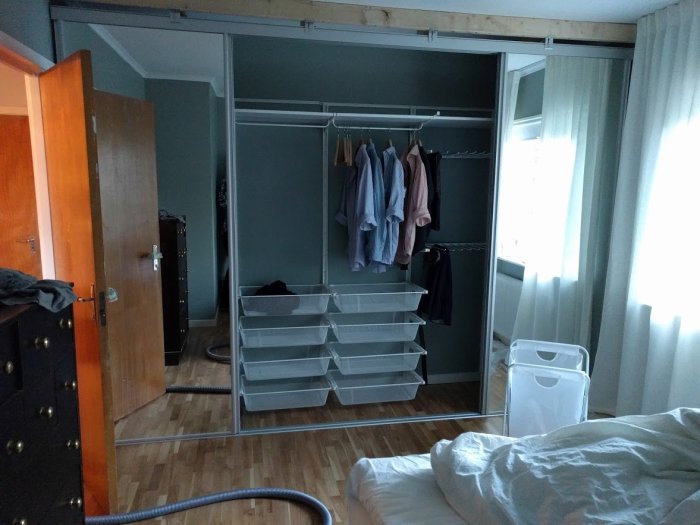
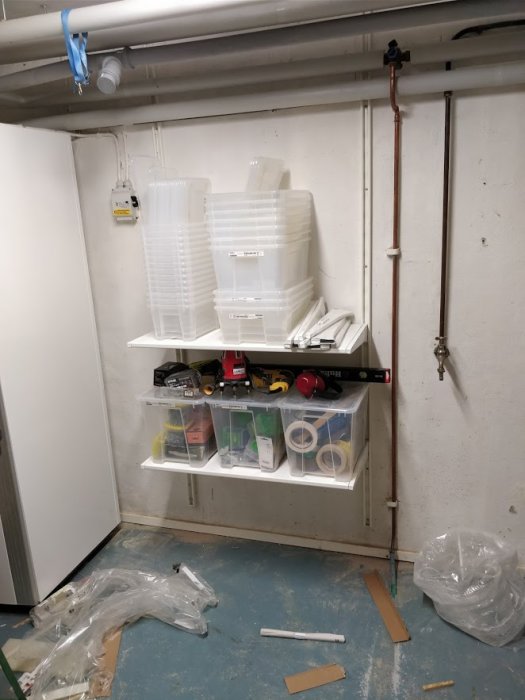
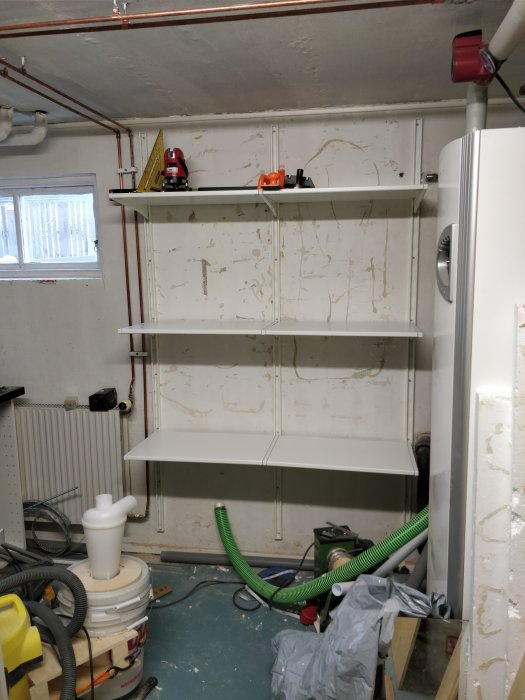
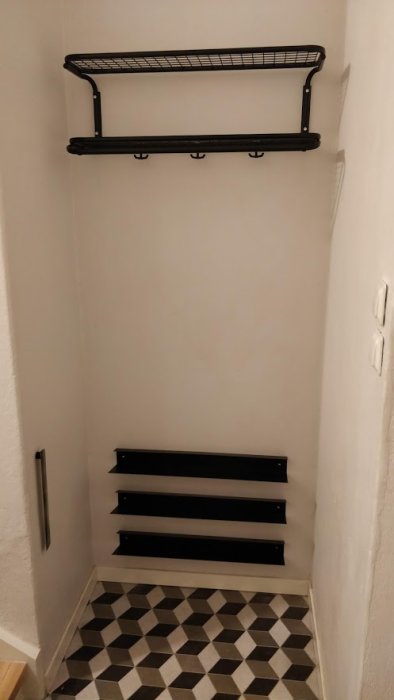
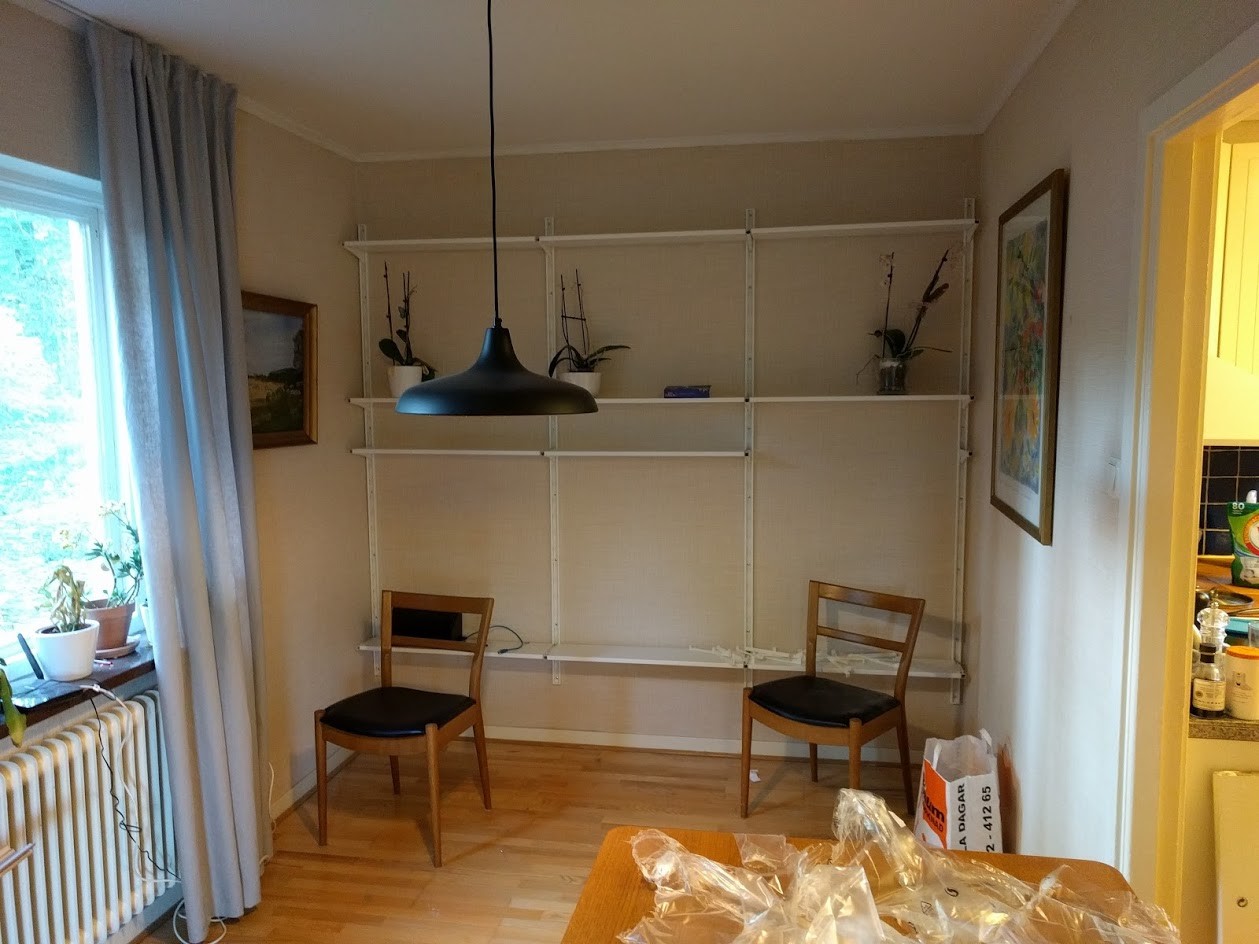
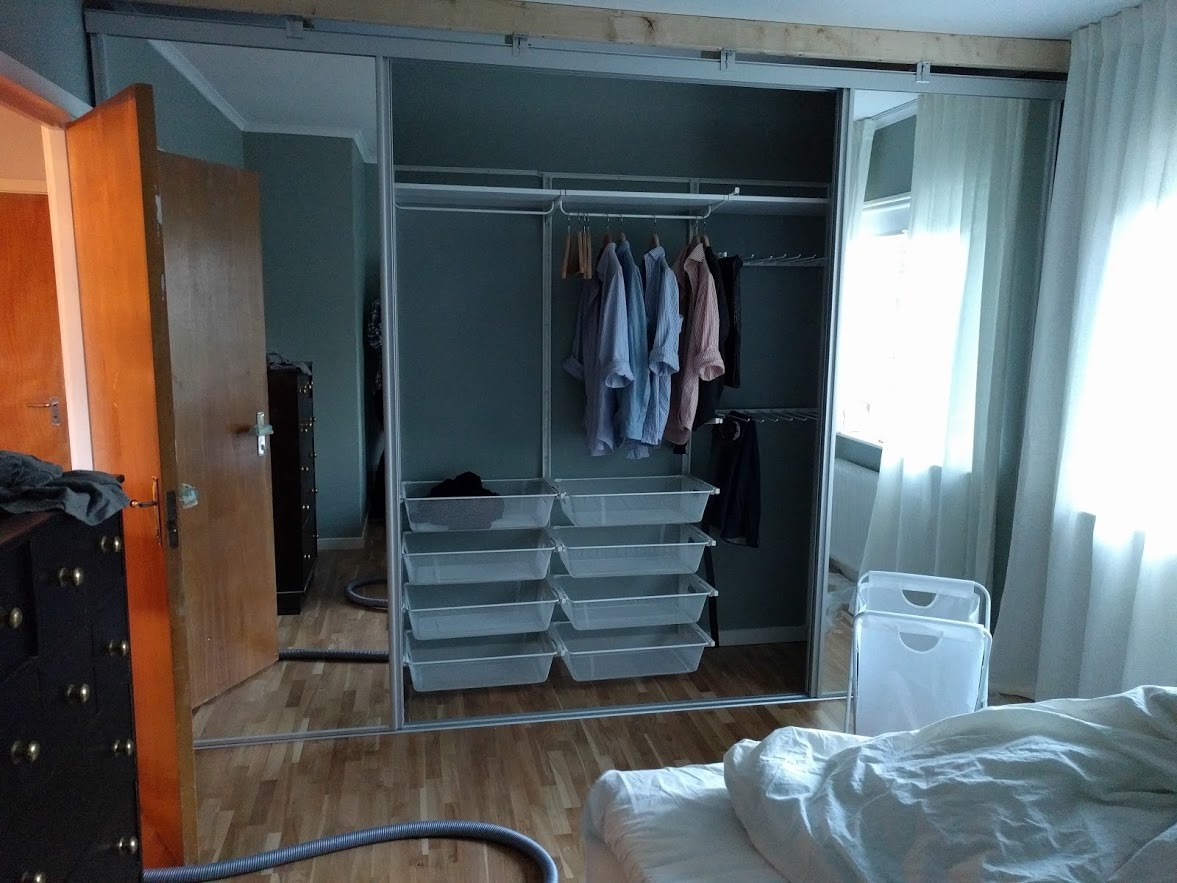
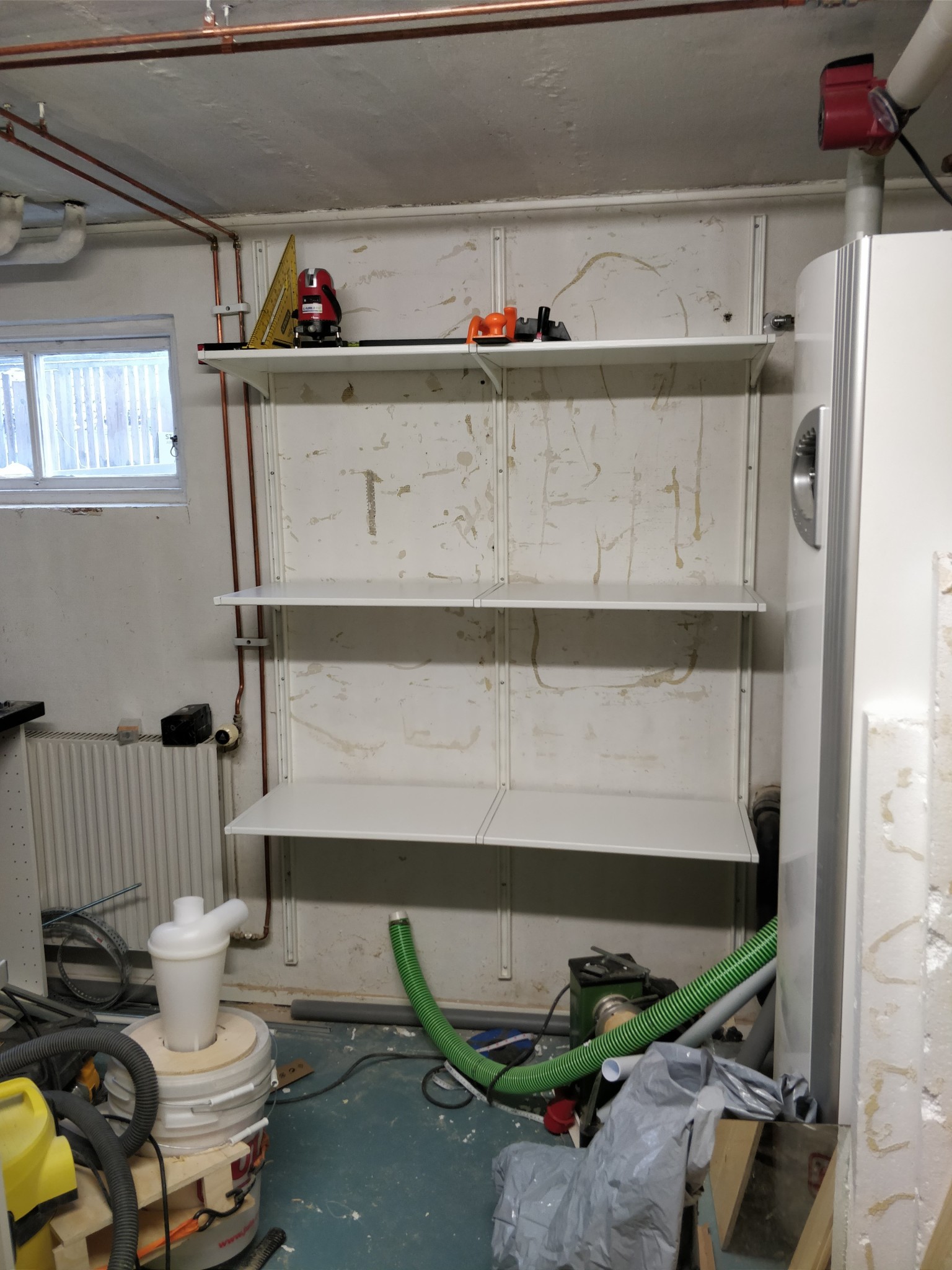
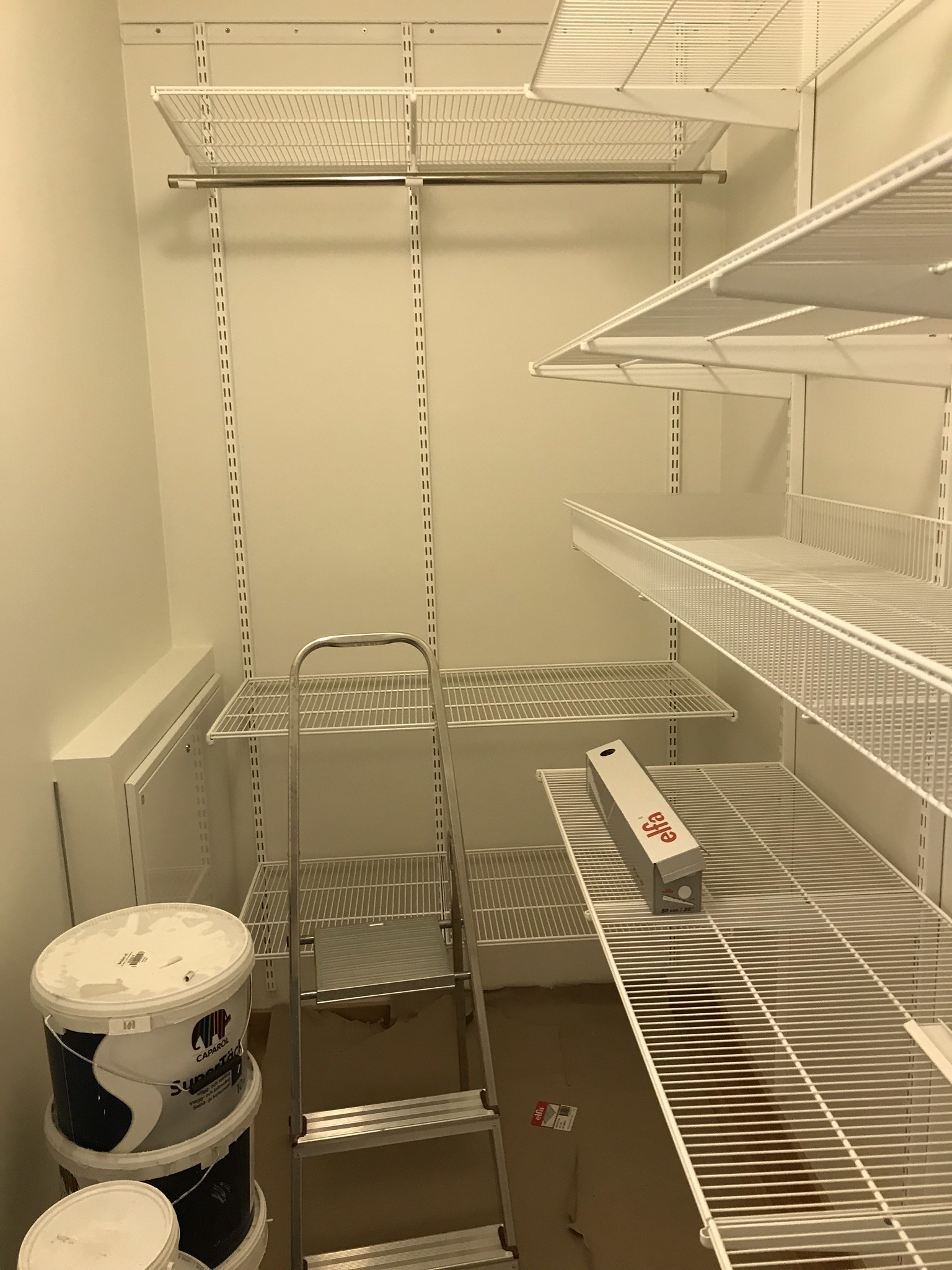
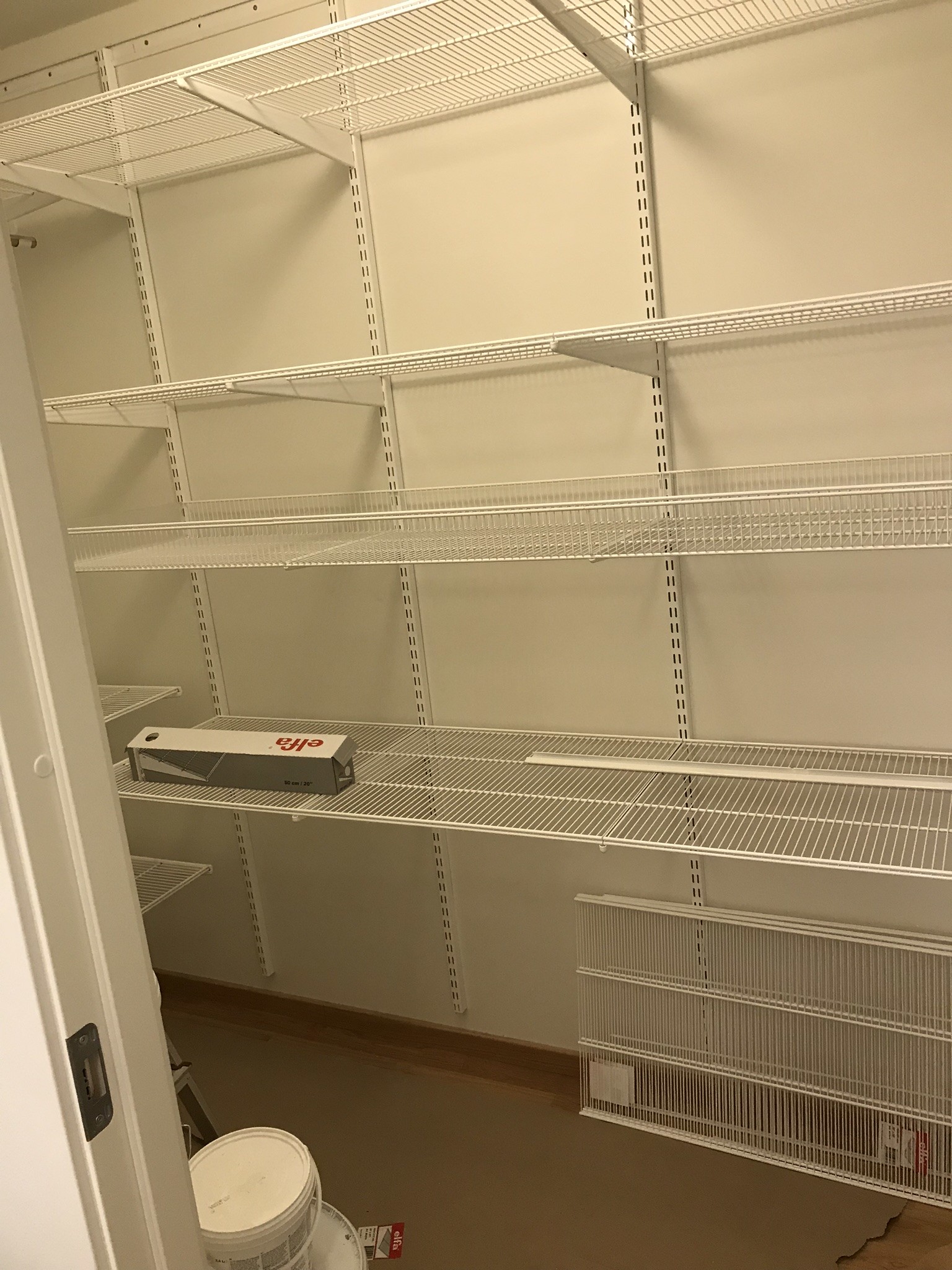
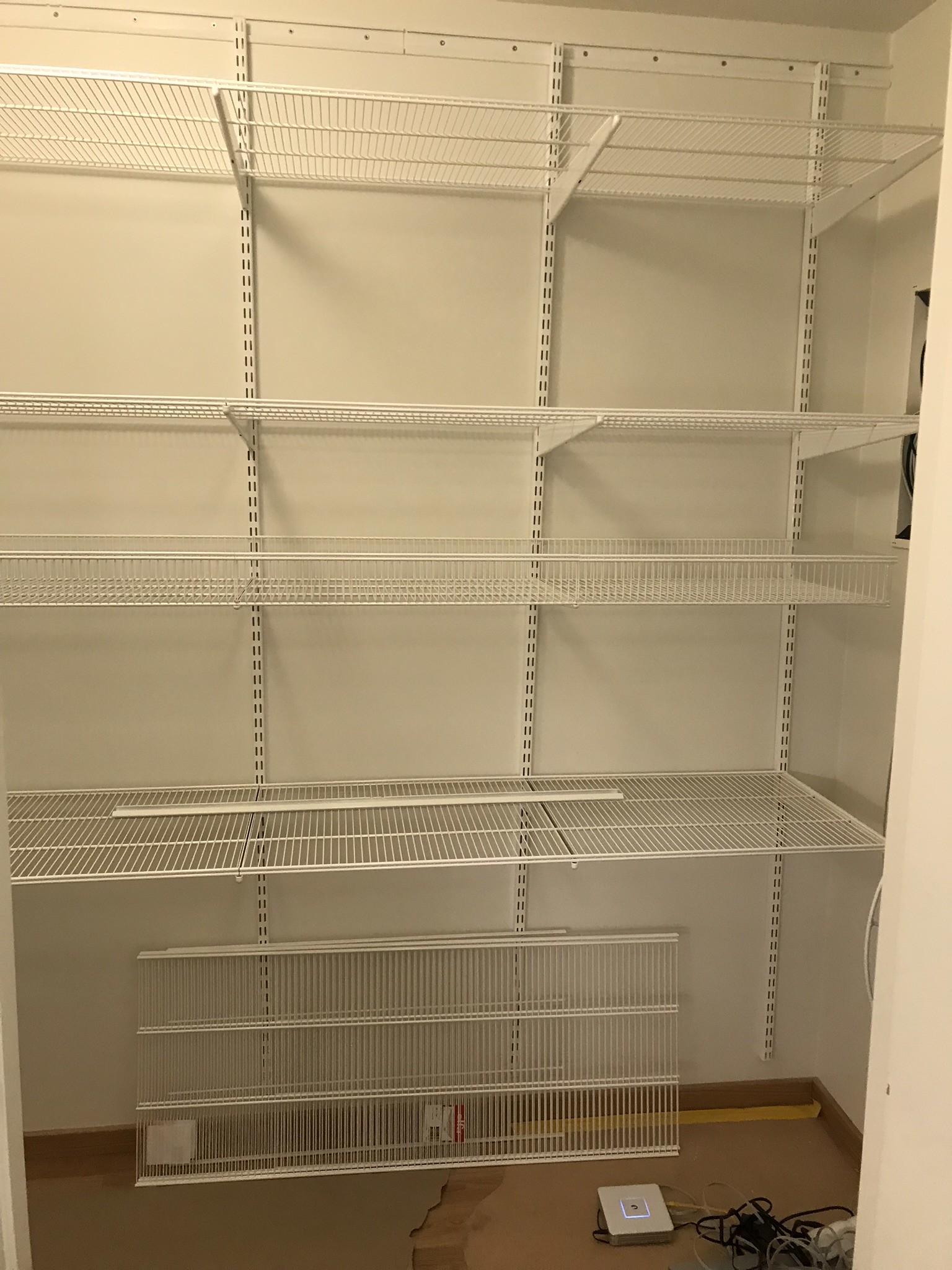
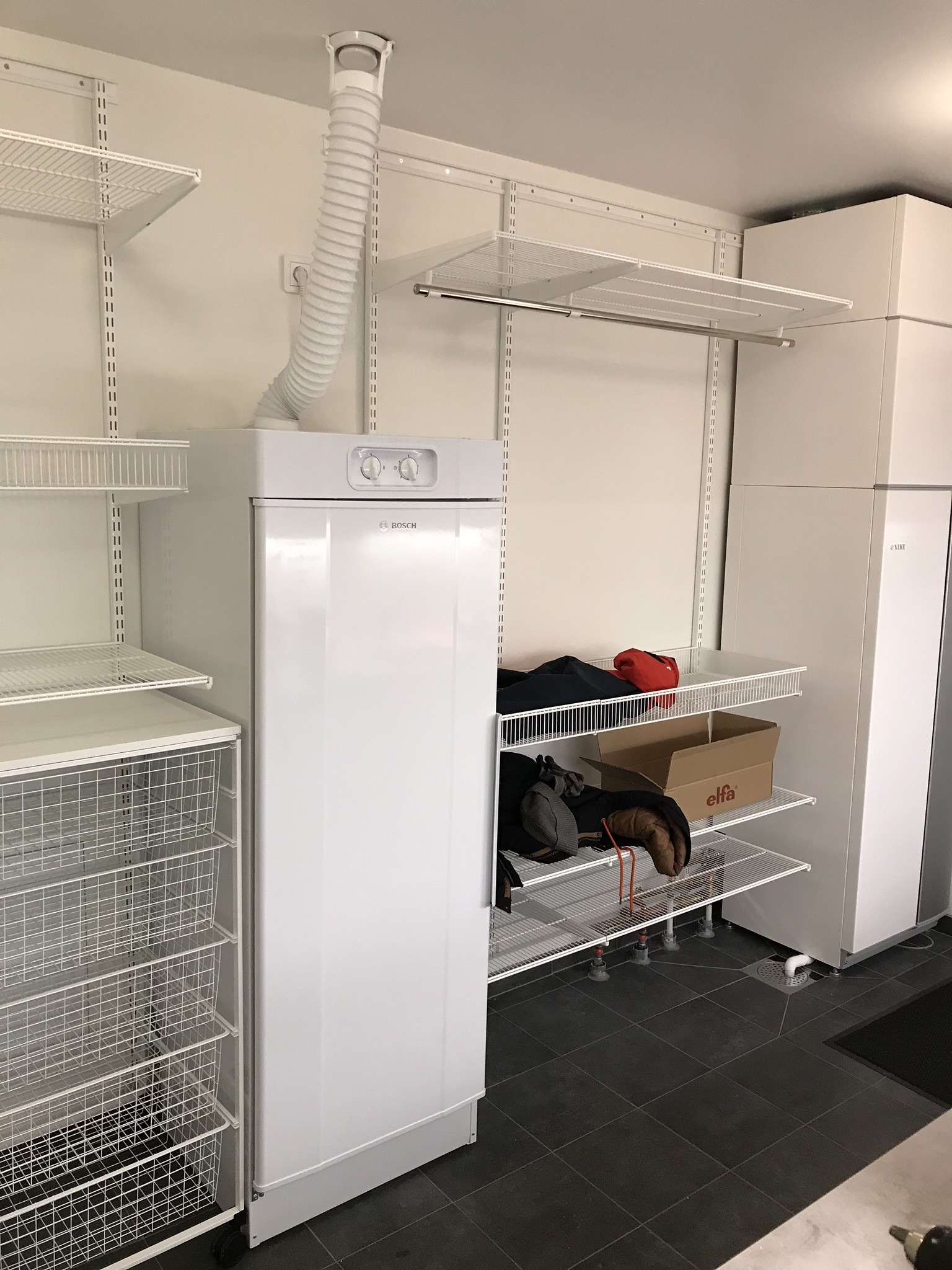
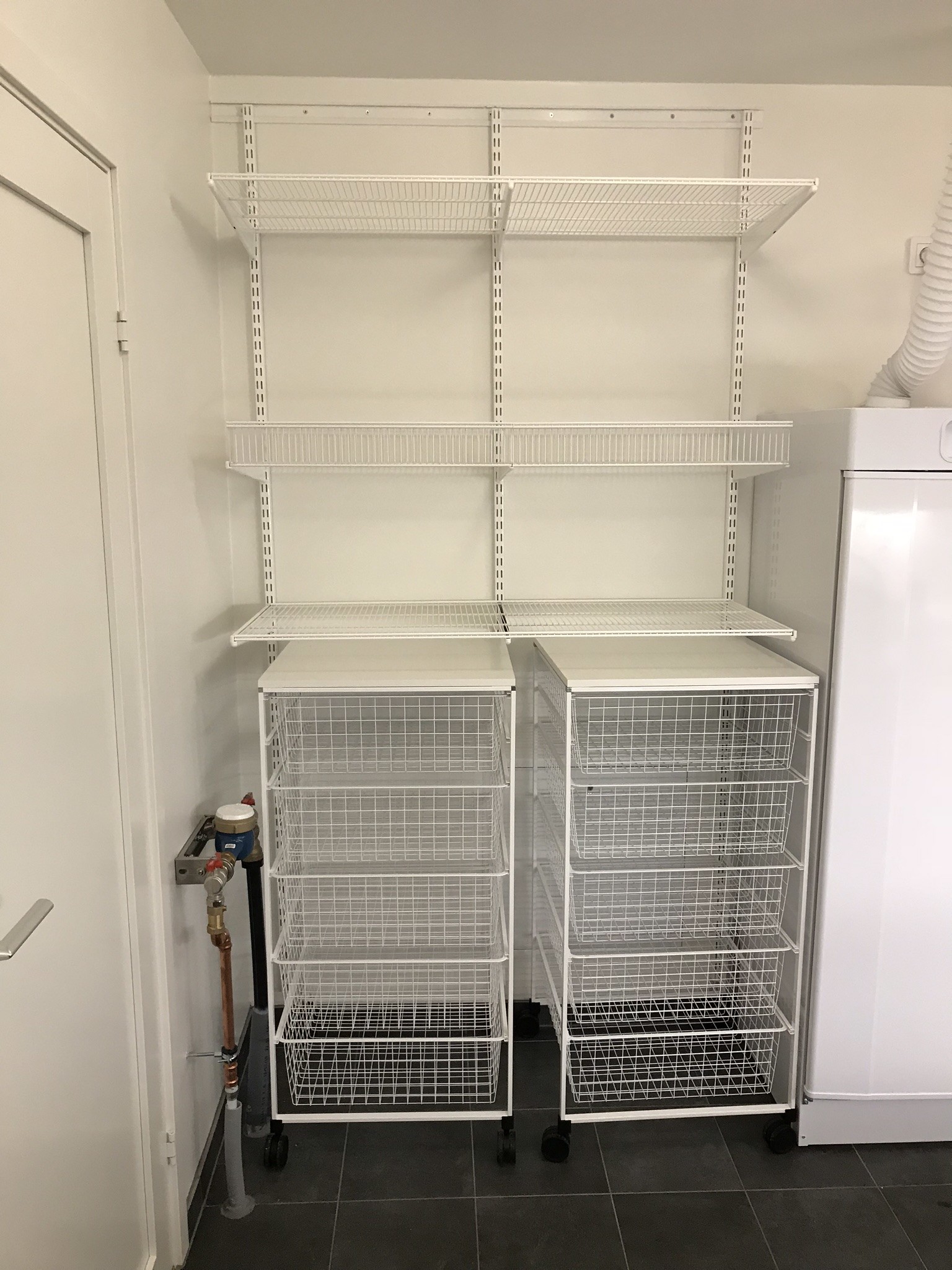
I have screwed my Elfa system, not the hanging system with a top track but the rails with multiple insertion holes, using regular fully threaded wood screws, type 7 x 90, straight into lightweight concrete/slag concrete without plugs. The shelves are maximally loaded with books, the rails are spaced approximately 450 mm apart, and they are solid as a rock. I don’t drill, just screw directly into the wall. It's also very quick to set up the system.
A detail that no one seems to have brought up yet: The rails I have installed (brand Pelly) have had countersunk holes and I have used countersunk screws. This allows the hanging rails to hang anywhere without considering screw heads. Admittedly, it is quick to remove some metal from a hanging rail so I shouldn't exaggerate the problem.
Possibly, you can get a stronger joint with countersunk screws because the metal presses harder against the wall as the load increases, and thereby more force is absorbed by the concrete outside the hole.
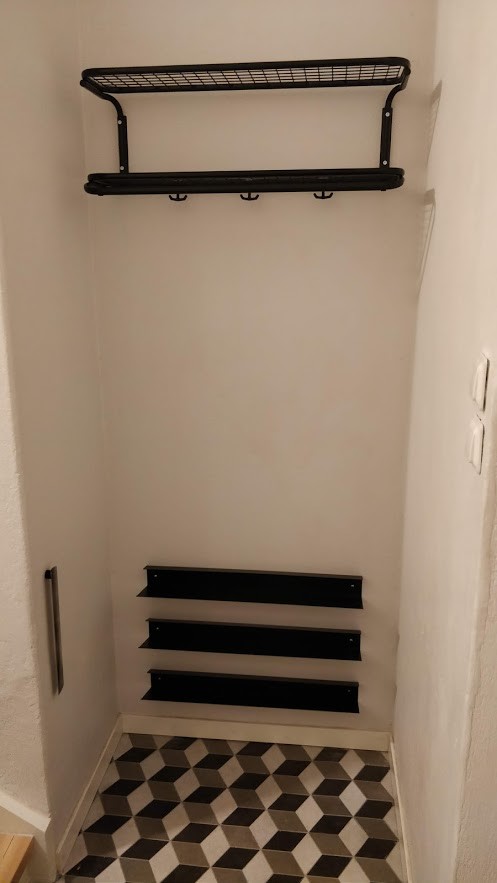
I had the same concern as you, but at the time of writing, I've installed so many shelves in my lightweight concrete house without any problems! The only difficulty is that the drill hole can be difficult to get exactly where you want it.
The way I've installed them is by using as many screws as possible. Preferably with 45-65 mm screws and 5-6 mm plugs, they haven't been anything remarkable. Sometimes Biltema, sometimes Essve.
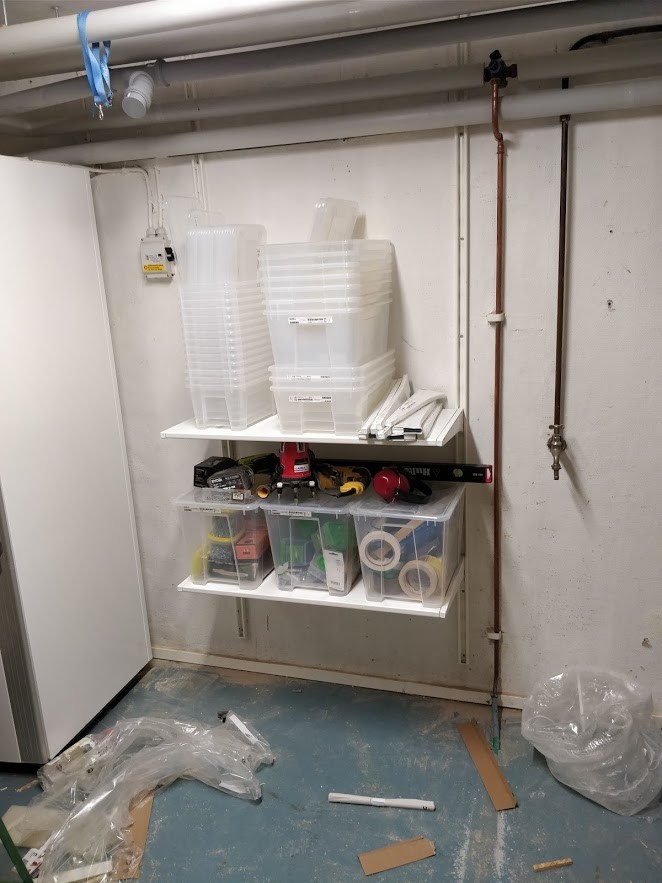
Still no issues with loads. The bookshelf has been overfilled with shelves and books (from floor to ceiling) without problems. Likewise, the workshop shelf has had a pillar drill and bench bandsaw
This entire thread is, as usual, way too long, but it's fun to discuss.
No matter how the OP tries, I find it very hard to believe that the wall anchoring would be what limits the maximum load of the shelves.
The brackets and their fastening in the rails would give in first.
Thanks for all the fantastic answers!
However, all the questions remain
Which anchor + screw can handle the highest specified loads in 10CM Lightweight Concrete AAC4?
Which anchor + screw can handle the highest specified loads in 15CM Lightweight Concrete AAC4?
Should I have two horizontal rails instead and have two rows of screws to distribute the loads?
Should I glue the anchors for extra strength?
Are the specified loads per anchor, per vertical rail, or per vertical section of 90cm?
Mmaximm said:
Thanks for all the fantastic answers!
However, all the questions remain
Which anchor + screw can handle the highest specified loads in 10CM Lightweight Concrete AAC4?
Which anchor + screw can handle the highest specified loads in 15CM Lightweight Concrete AAC4?
Should I have two horizontal rails instead and have two rows of screws to distribute the loads?
Should I glue the anchors for extra strength?
Are the specified loads per anchor, per vertical rail, or per vertical section of 90cm?
A little out of the box: I've mounted some water heaters and other heavy items in lightweight concrete blocks over the years. I then mount vertical studs that rest on the floor and screw/glue them to the wall. You can then place a horizontal stud on top, on the ends, and screw it into the wall. I use nail plugs, with as large a Ø on the screws that fit in the holes in your metal strip and long enough that they don't come out on the backside. With this solution, you get no vertical loads at all on the wall.
After 10 years in an aerated concrete house, my tip is: If there is drying time, glue the plug.
It better distributes the load over more cells, and the screw can be loosened and screwed back in without the risk of the plug spinning.
I have mounted my kitchen cabinets with plugs similar to those earlier in the thread: Fischer GB and Fischer FTP.
After 10 years, they're still rock solid.
Windows were screwed using Essve indu-prog aerated concrete screws without pre-drilling or plugs. Not for beginners, easy to spin.
I wimped out with the front door, glued small plywood pieces and used 4 sturdy wood screws. Then used Essve indu-prog wood screws on top of that, holds perfectly no matter how hard you slam the door.
Cable clips and smaller non-load-bearing items I now attach with wood screws without pre-drilling or plugs. Holds well and no issues.
The major things to watch out for in my experience are point loads combined with jerks/impacts/shocks.
Aerated concrete is like foam plastic. Each individual cell can't handle a huge load, but when enough cells work together, it can withstand almost anything.
Elfa system like in the thread, I would have glued nylon plugs and used some 5mm wood screws or whatever fits well in the track's screw holes. It will last forever.




 The only difficulty is that the drill hole can be difficult to get exactly where you want it.