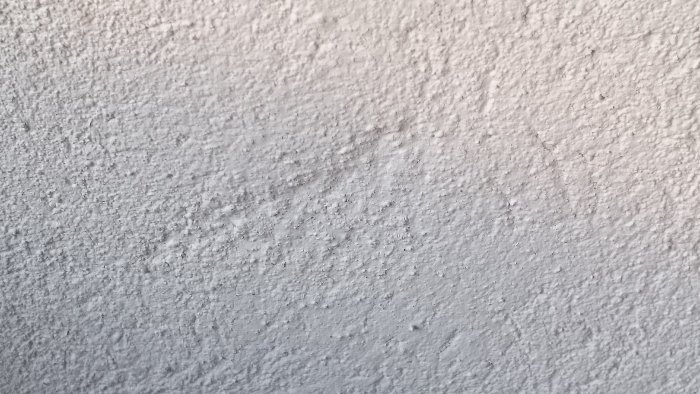
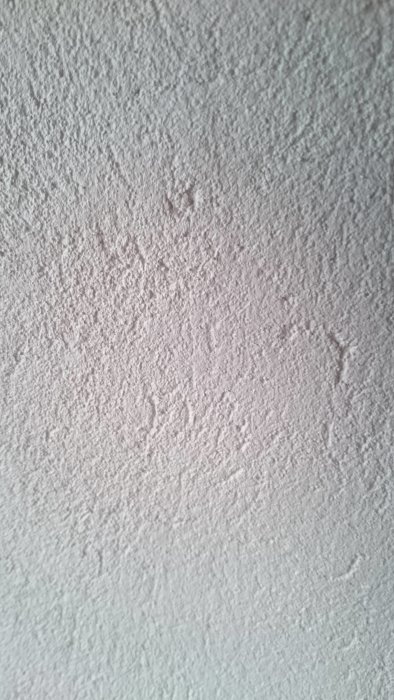
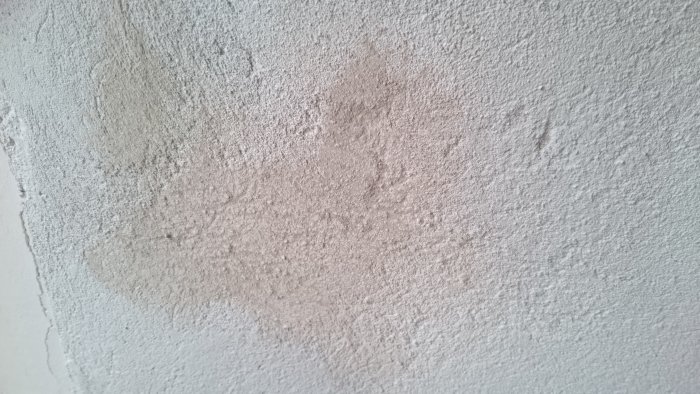
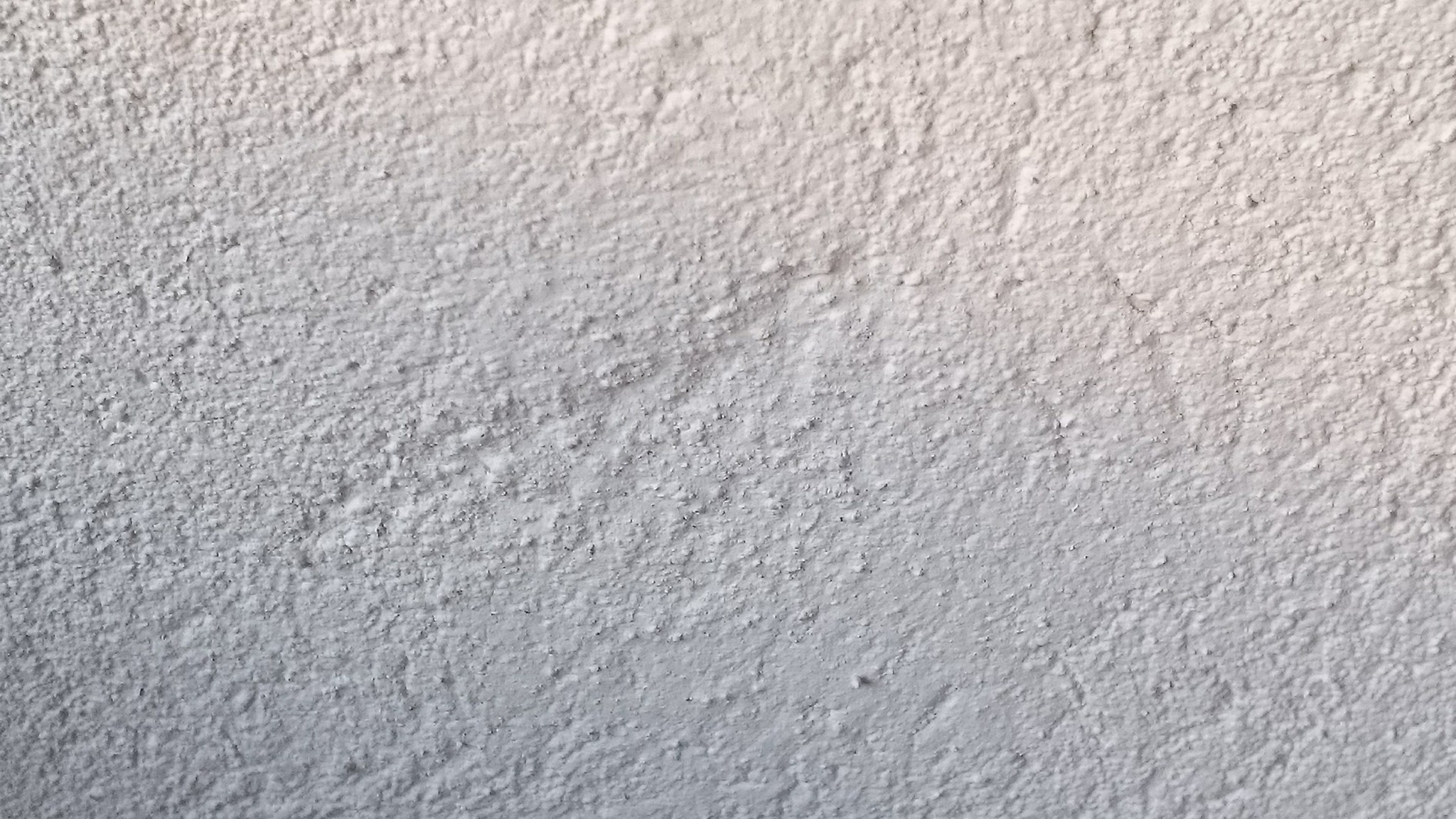
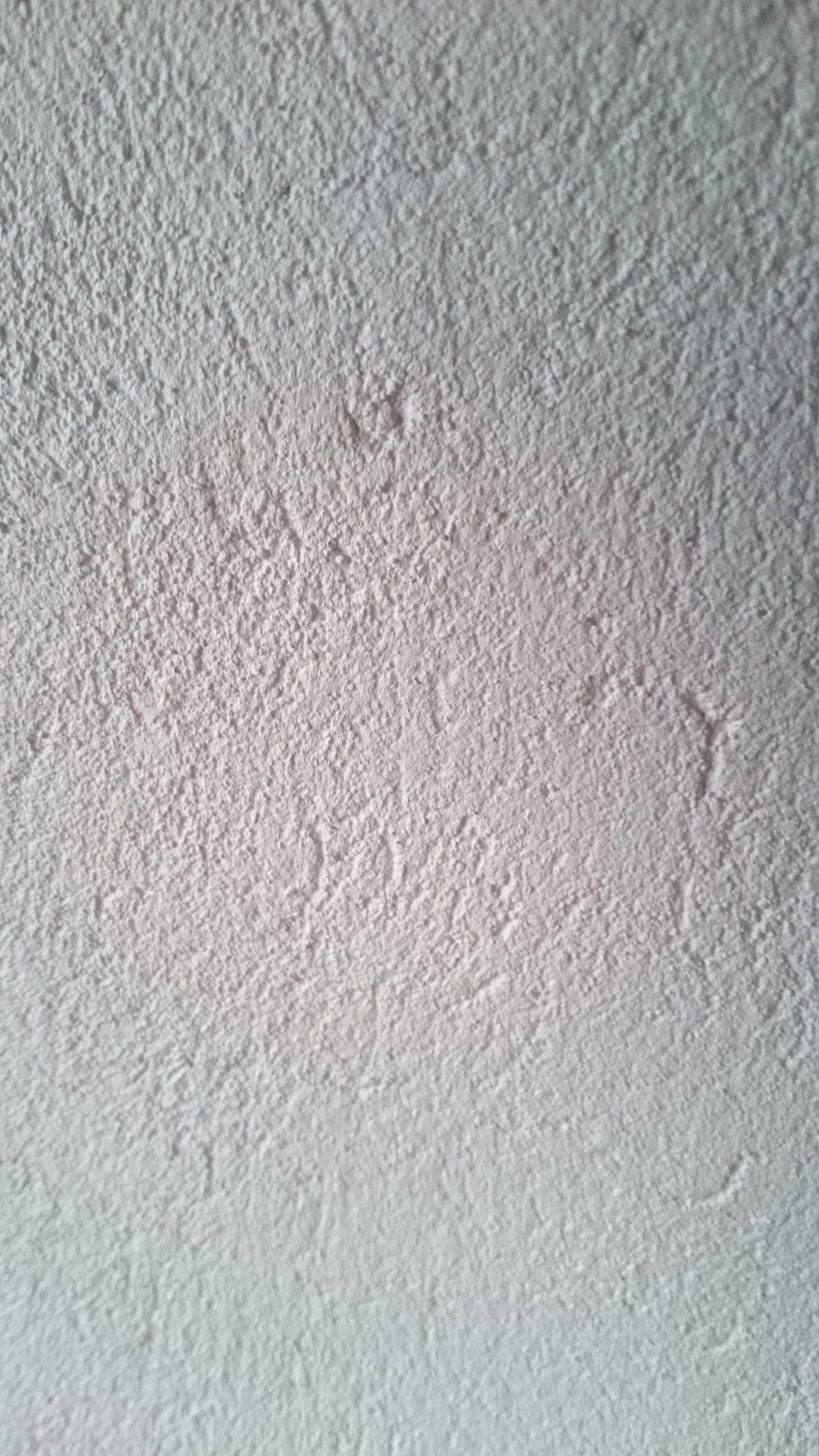
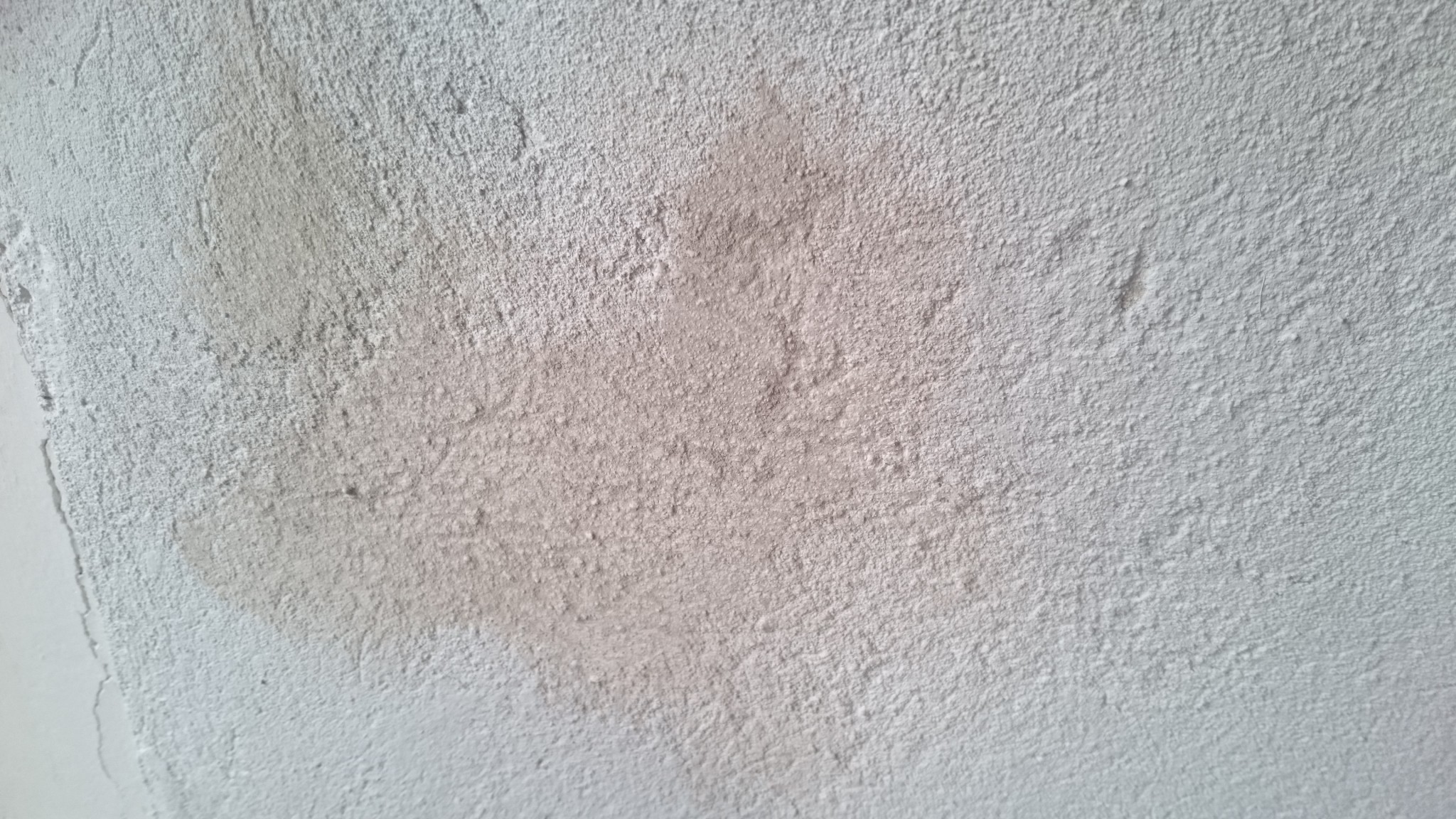
I have plastered interior walls in the house but didn't get them as smooth as I wanted. Now that we've painted the walls, we see dents and streaks and patterns from sand and plaster trowel. Tried using plaster mixture B with a brush to even out the surface but ended up with even more lumps, and it's noticeable that it was painted over afterwards. Moreover, when I painted with color, it came off. It was just a thin one mm layer in the dents. A friend suggested using filler. But I want plastered walls with a plaster texture, just a bit smoother than it turned out. What should I do? I was thinking if I can add sand to the paint when I paint? Or glue and sand and paint? As you can hear... there have been many ideas. Below are pictures of the bumpy wall, and when the sun shines on the wall, it doesn't look good. The bottom picture shows plaster on the wall with a brush but it came off immediately.
Have plastered interior walls in the house, but didn't get them as smooth as I wanted. Now that we've painted the walls, we see holes and streaks and patterns from sand and plaster trowel.
Tried using plaster mix B with a brush to even out the surface, but ended up with even more lumps and it's obvious it's been painted over afterward. Moreover, when I painted over it with color, it came off.
It was only a mm thin layer in the holes.
A friend said to use spackle. But I want a plastered wall with a plaster texture, just a bit smoother than it turned out.
What should I do?
I wondered if I could put sand in the paint when I paint?
Or glue and sand and paint?
You hear... The ideas have been many.
Below are pictures of the bumpy wall and when the sun shines on the wall it doesn't look good.
The bottom picture shows plaster on the wall with a brush, but it came off immediately.
AI
" It's a classic problem; paint mercilessly reveals all the unevenness. The reason the plaster comes off when you paint over it is that paint creates tension as it dries, and if the plaster layer underneath is too thin (like a "film") or if the surface is saturated with paint, the plaster doesn't adhere.
Here's the smoothest way forward to get the smooth walls you desire:
1. Stop using plaster mortar
Plaster mortar (including B-mortar) is too coarse to "even out" on an already painted surface. It contains sand grains that roll along and create those lines and knots you see.
2. Use rolling putty
This is the easiest way for a non-professional to achieve a smooth surface:
Sand first: Roughen up the painted surface with a coarse sandpaper (e.g., grit size 80). This removes the worst knots and provides grip.
Roll on: Use a rolling putty (medium or fine) and a regular roller. Roll the putty onto the wall and then smooth it out with a wide putty knife. It effectively fills gaps and patterns from the plasterboard.
Two rounds: Expect to need to putty twice to get it completely even.
3. Sand and dust off
When the putty has dried, sand it with fine sandpaper (grit size 120-180). Be sure to wipe off all dust with a microfiber cloth or brush before painting again, otherwise the paint will peel again.
4. Primer painting
Since you've puttied either spot-wise or over the entire wall, start with a primer or thinned topcoat. This saturates the putty so that the final result doesn't become uneven."
Click here to reply
Vi vill skicka notiser för ämnen du bevakar och händelser som berör dig.