
20,044 views ·
26 replies
20k views
26 replies
Excavating basement, the walls are not enough!
Are you sure the wall is solid?
Often, natural stone foundations consist of an inner wall and an outer wall with a cap on top. Any potential infiltrating water cannot enter but instead ends up in the space between the walls and is drained away. That's how it is in our house built in -35.
Furthermore, it's a bit tricky to drain externally in the usual way near these foundations. If you dig for too long a stretch, the wall loses support and risks collapsing.
If you want to do it properly, I agree with someone else in the thread: lift the house instead!
Often, natural stone foundations consist of an inner wall and an outer wall with a cap on top. Any potential infiltrating water cannot enter but instead ends up in the space between the walls and is drained away. That's how it is in our house built in -35.
Furthermore, it's a bit tricky to drain externally in the usual way near these foundations. If you dig for too long a stretch, the wall loses support and risks collapsing.
If you want to do it properly, I agree with someone else in the thread: lift the house instead!
What do you mean by having something between the inside and outside of the natural stone foundation wall? Why would one do that?Bumler said:Are you sure the wall is solid?
Often, natural stone foundations consist of an inner wall and an outer wall with a layer on top. Any water intrusion cannot get inside but ends up in the gap and is drained away. That's how it is in our house built in -35.
Furthermore, it is a bit tricky to drain externally in the usual way near these foundations. If you dig too long a stretch, the wall loses support and risks collapsing.
If you want to do it properly, I agree with someone else in the thread: lift the house instead!
In my house from 1908, the foundation walls are about 1m thick of natural stone, and they are indeed solid all the way through in the places I've checked, and it's more than one.
 .
. I thought the walls were homogeneous. It looked that way in the basement windows.thomasx said:What do you mean should be between the inside and outside of the natural stone foundation wall? Why would one do that?
In my house from 1908, the foundation walls are about 1m thick of natural stone and they are certainly homogeneous right through at the places I've checked, and that's more than one.
We had to, for various reasons, take up the floor on the ground floor, and then the top of the foundation wall was exposed. Over a stretch of a couple of meters, the cement cap on top had collapsed, and we could then look straight down into the cavity inside the wall.
I can't say how common that construction is, but our house is located on an old lakebed with some clay, which might be part of the reason.
As for drainage, the person who dug advised against digging close to this type of wall as they easily become unstable.

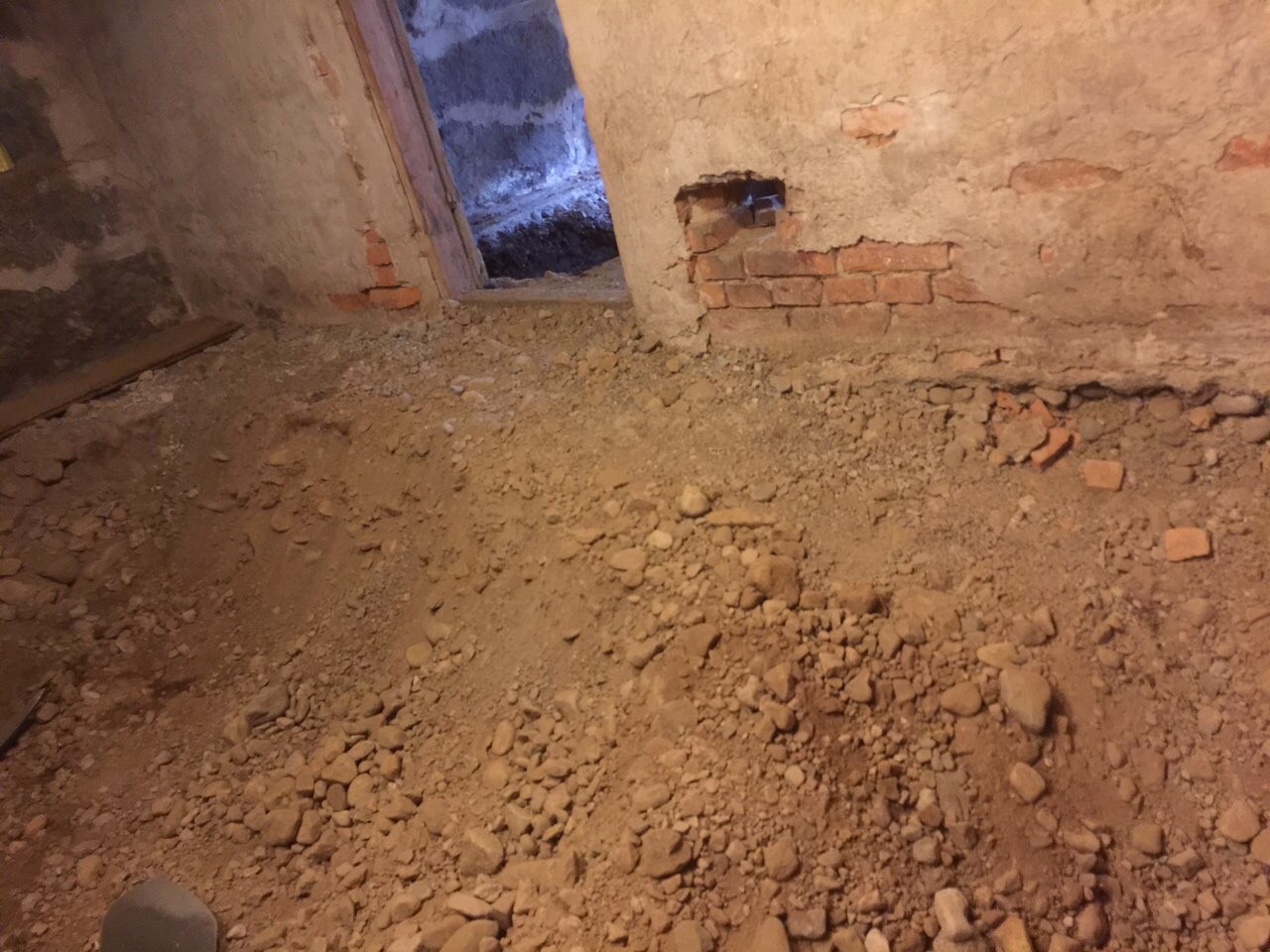
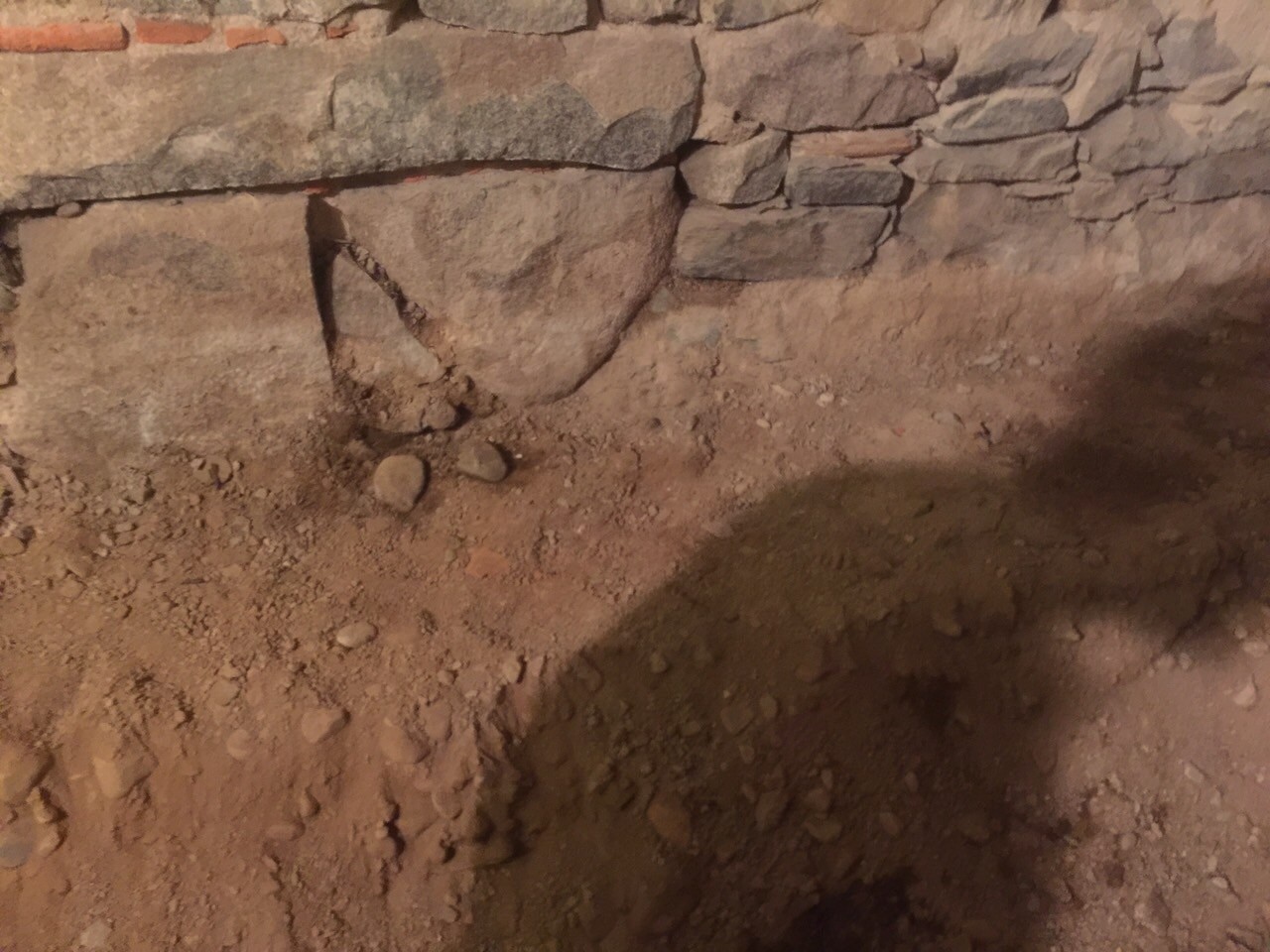
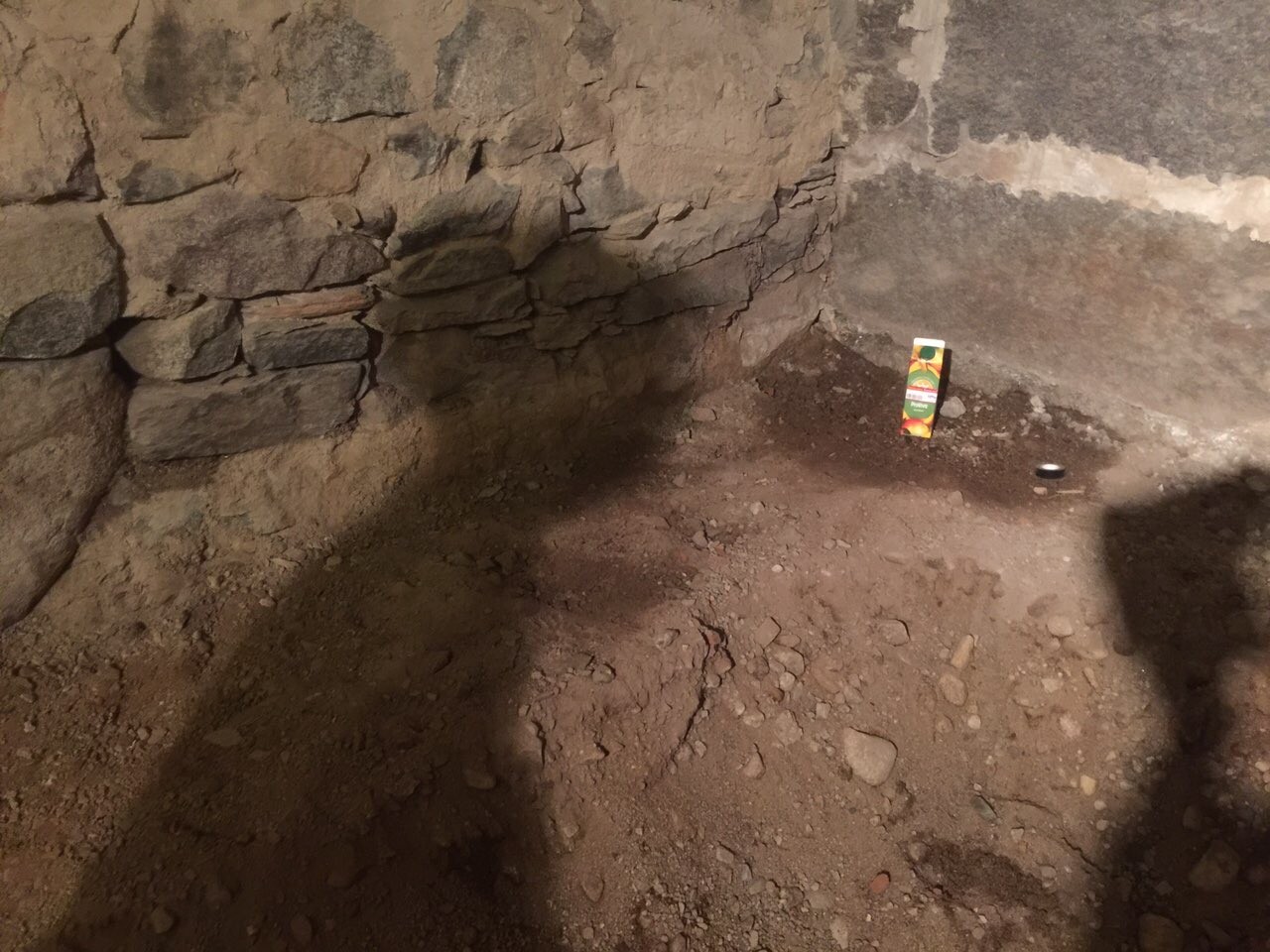
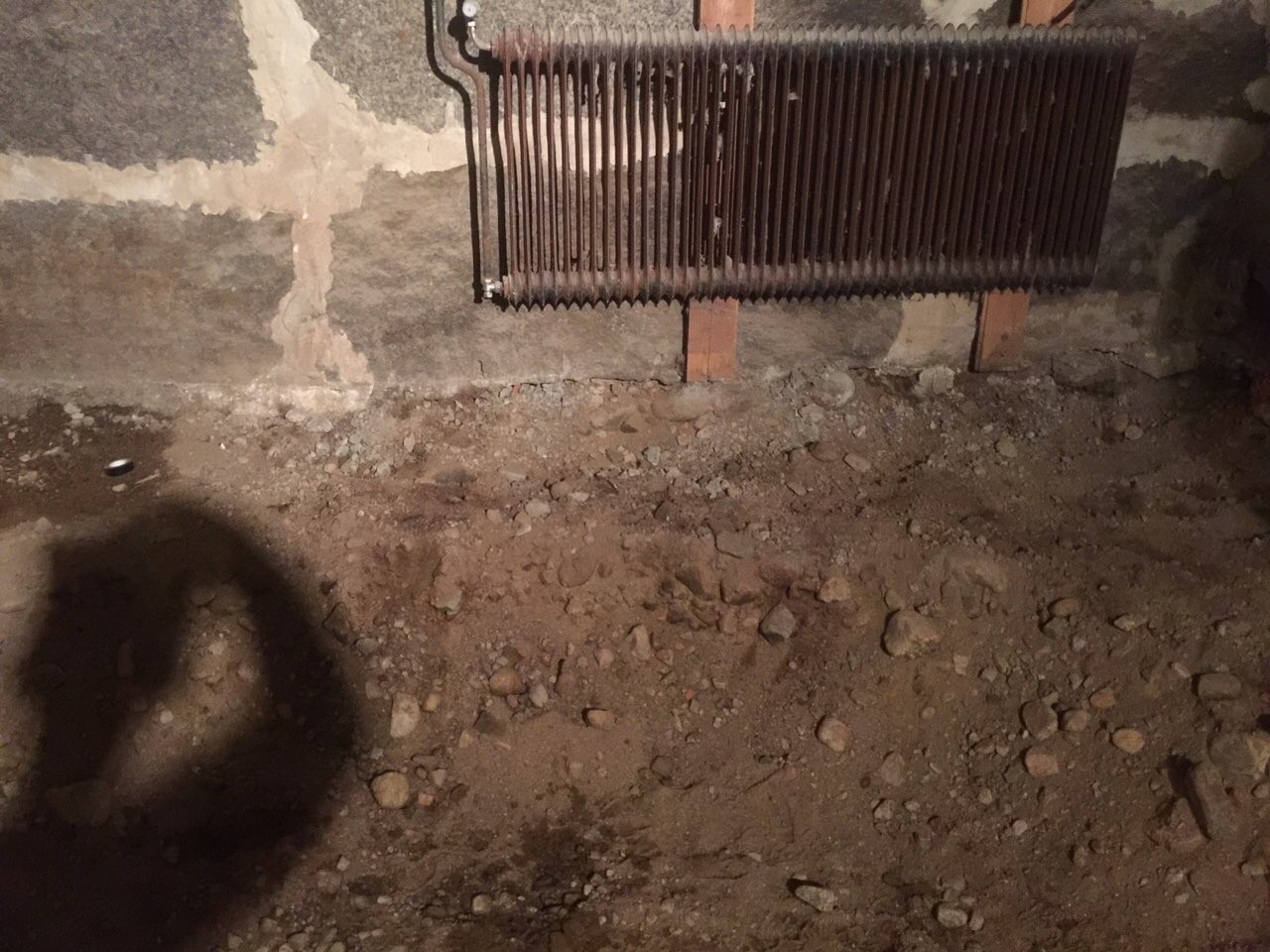
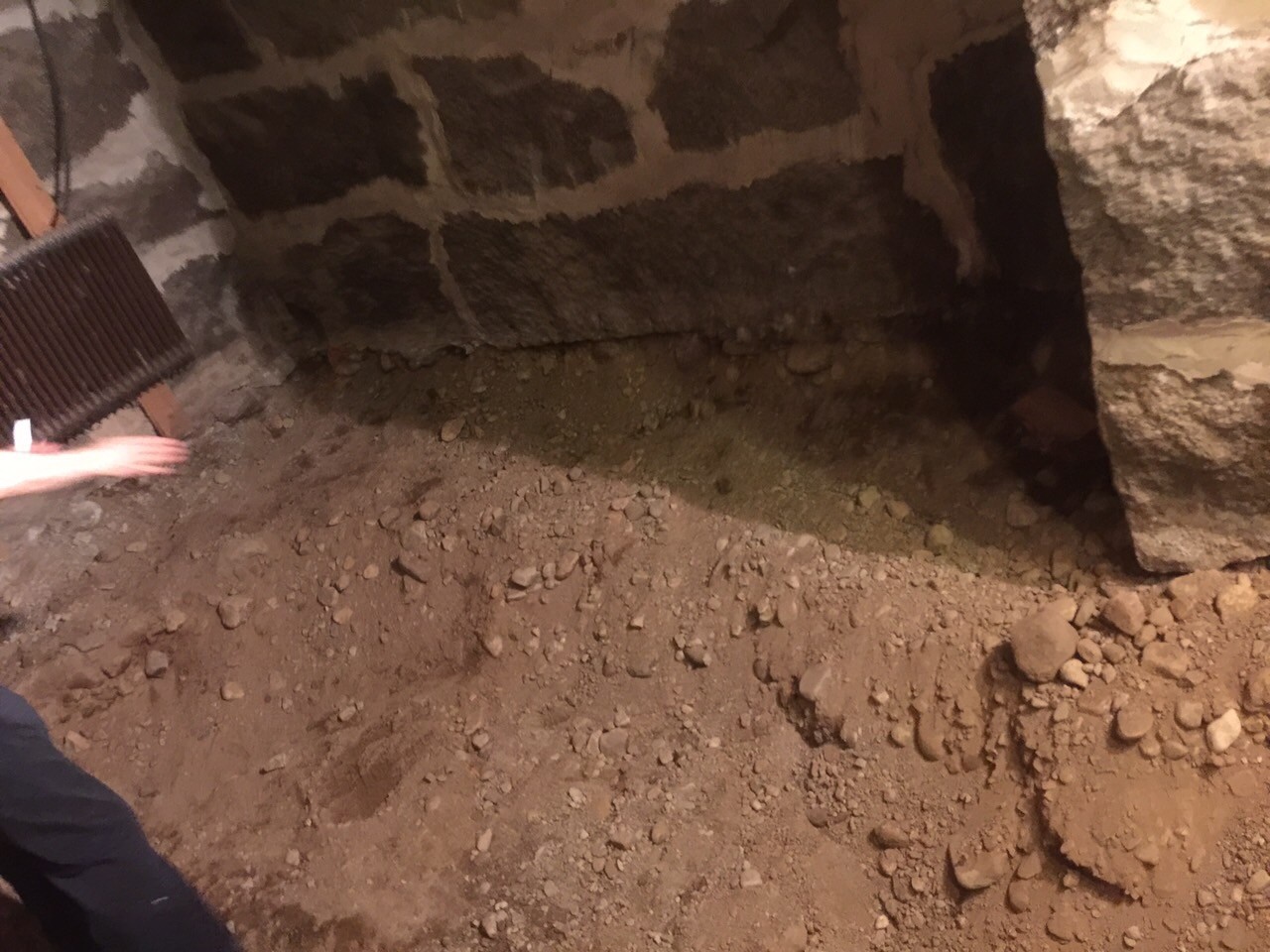
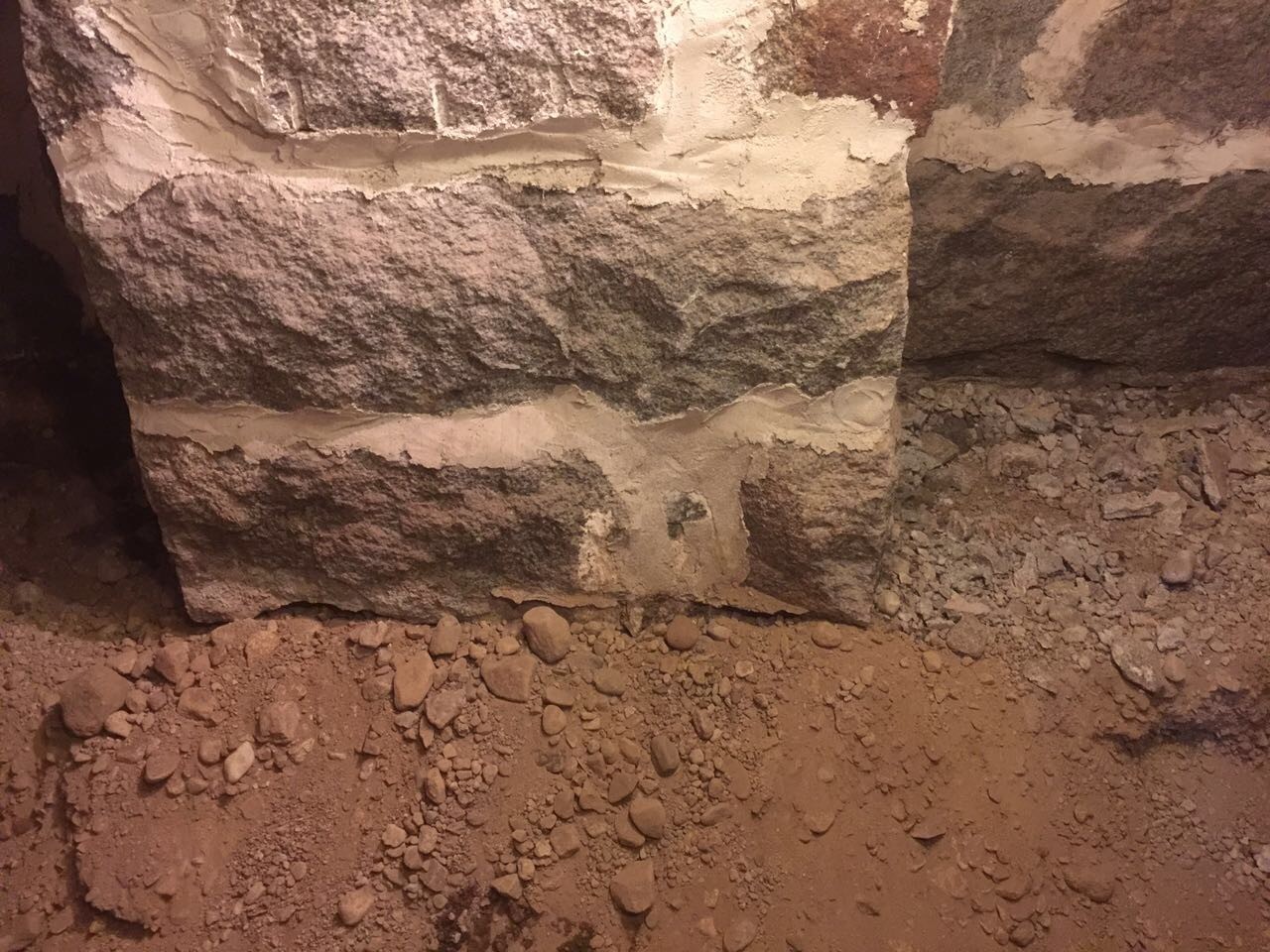
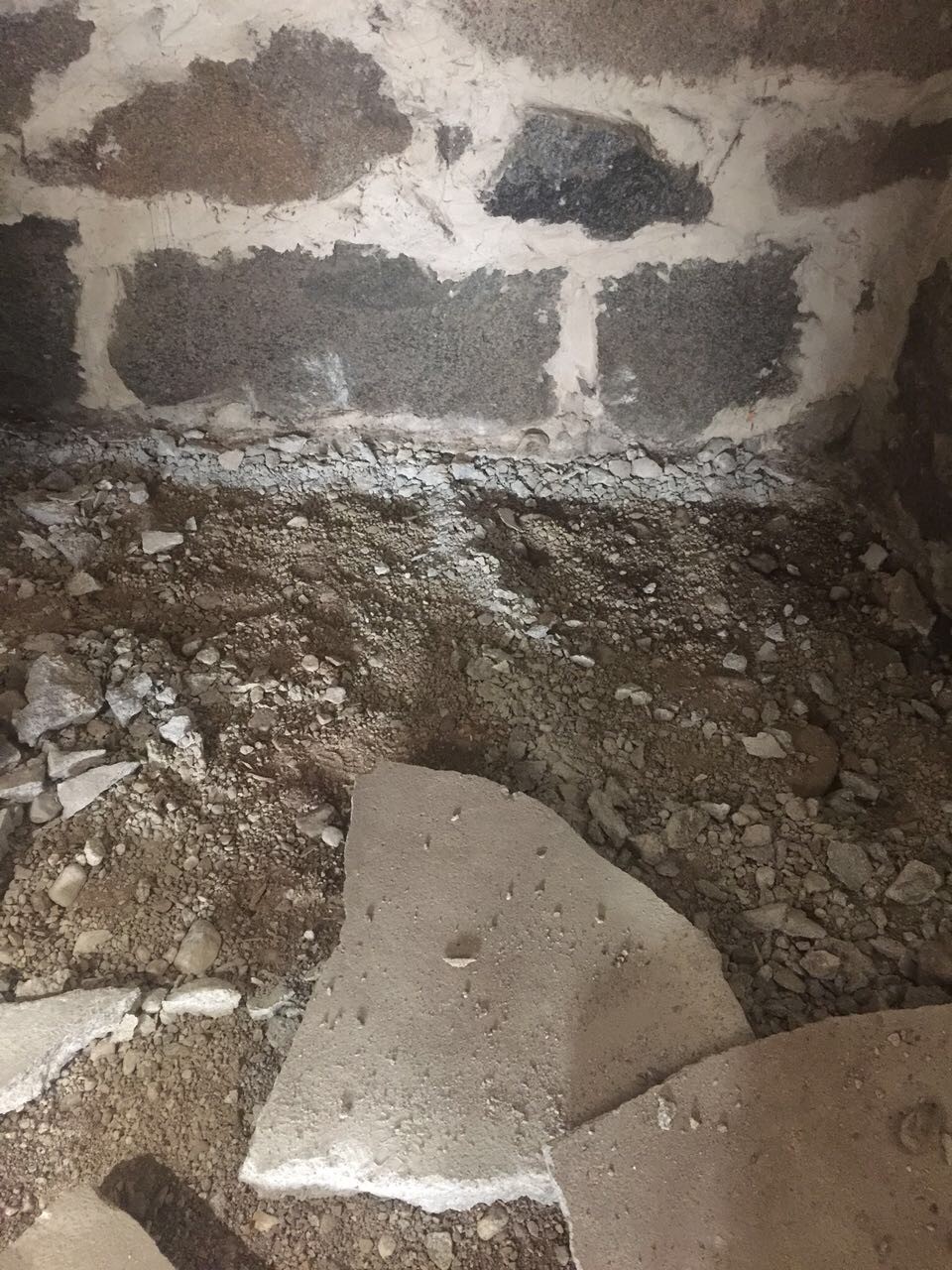
Both solutions will risk the integrity of the basement wall if you plan to excavate from the outside and drain, which you should do if you are putting so much effort into lowering the floor inside.
You need to find an alternative solution that ensures stability in the basement wall without risking anything...
You need to find an alternative solution that ensures stability in the basement wall without risking anything...
Click here to reply