
Happy Midsummer in the cottages! Quick question in the middle of the celebration.
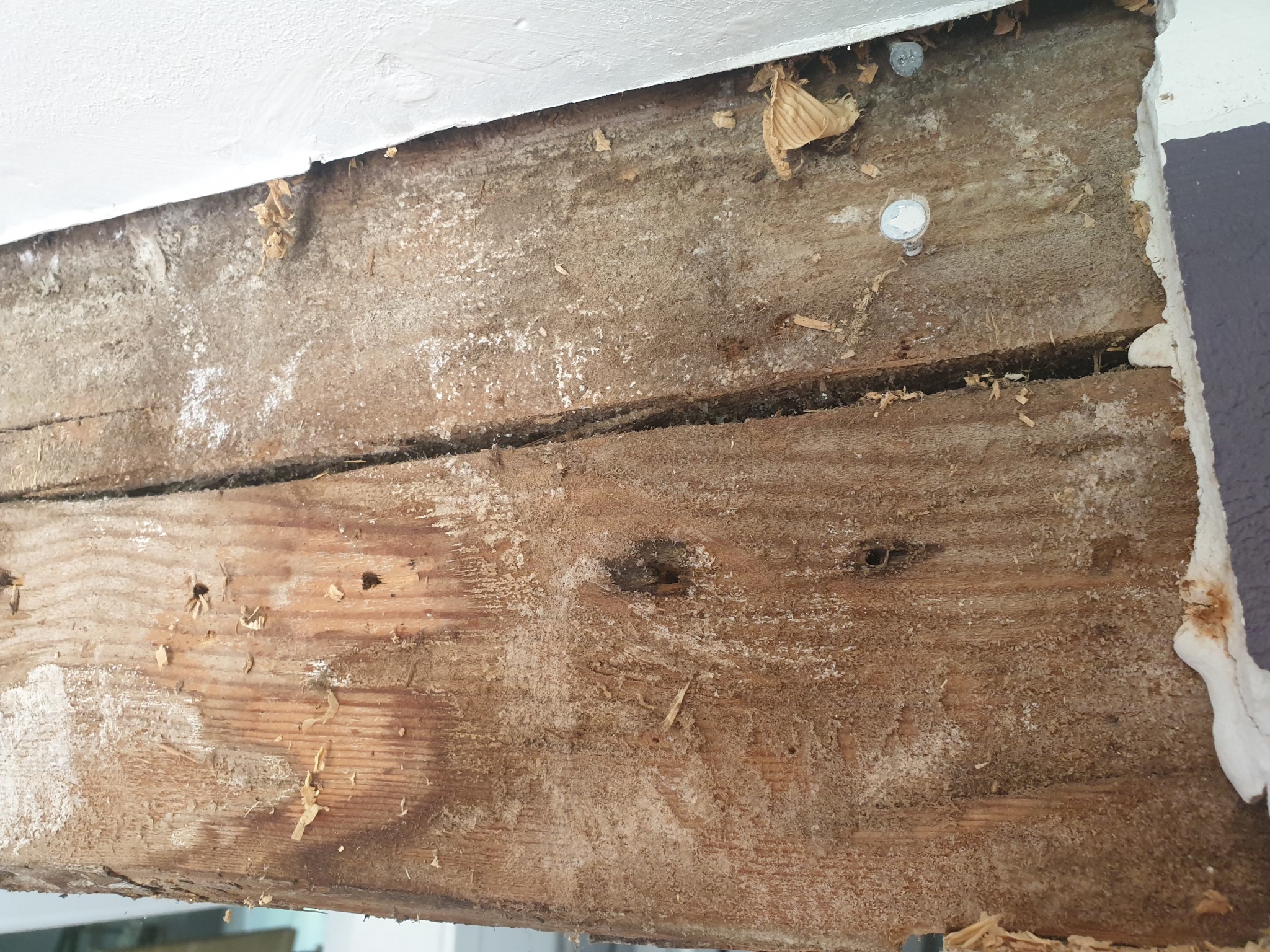
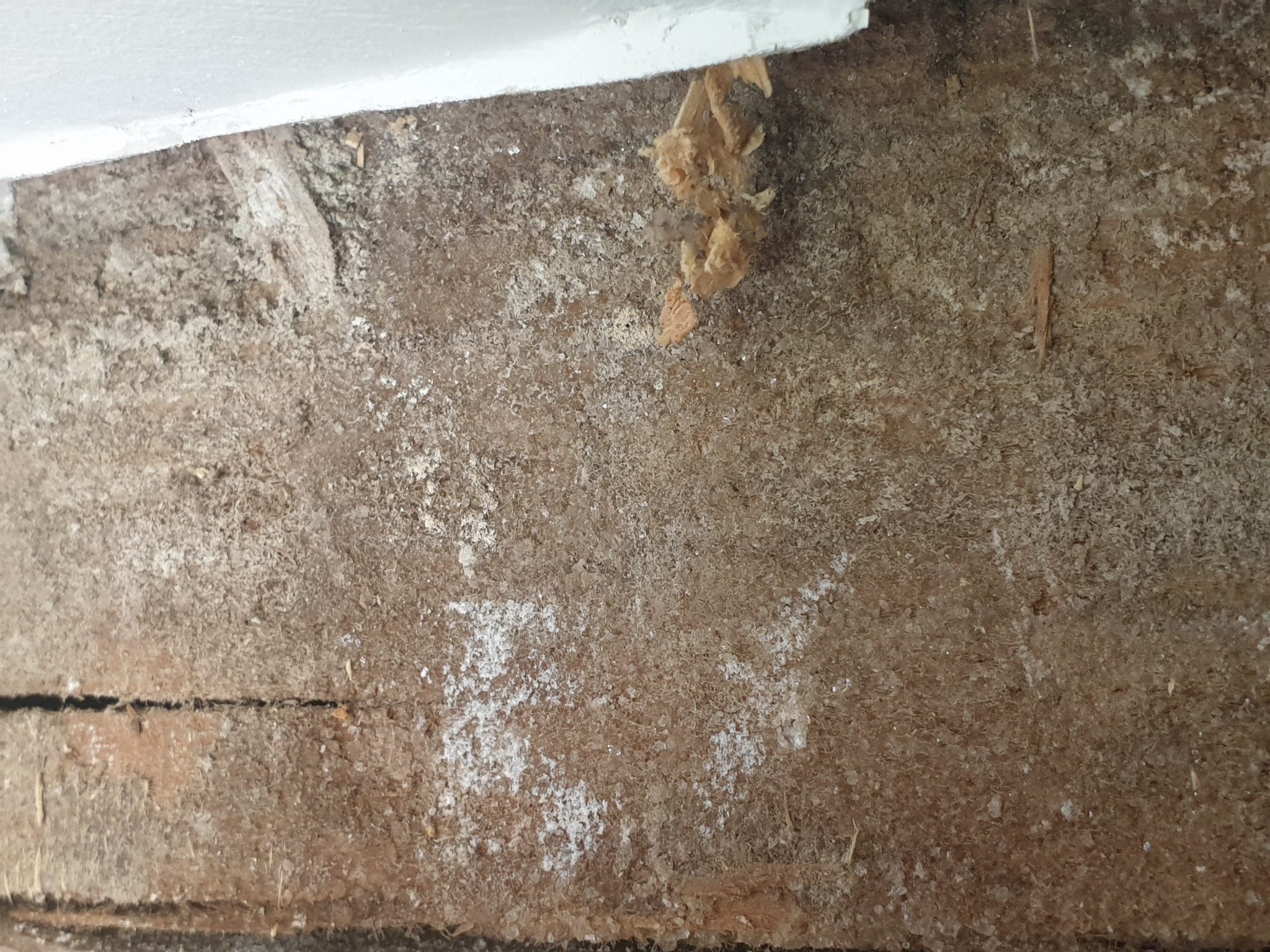
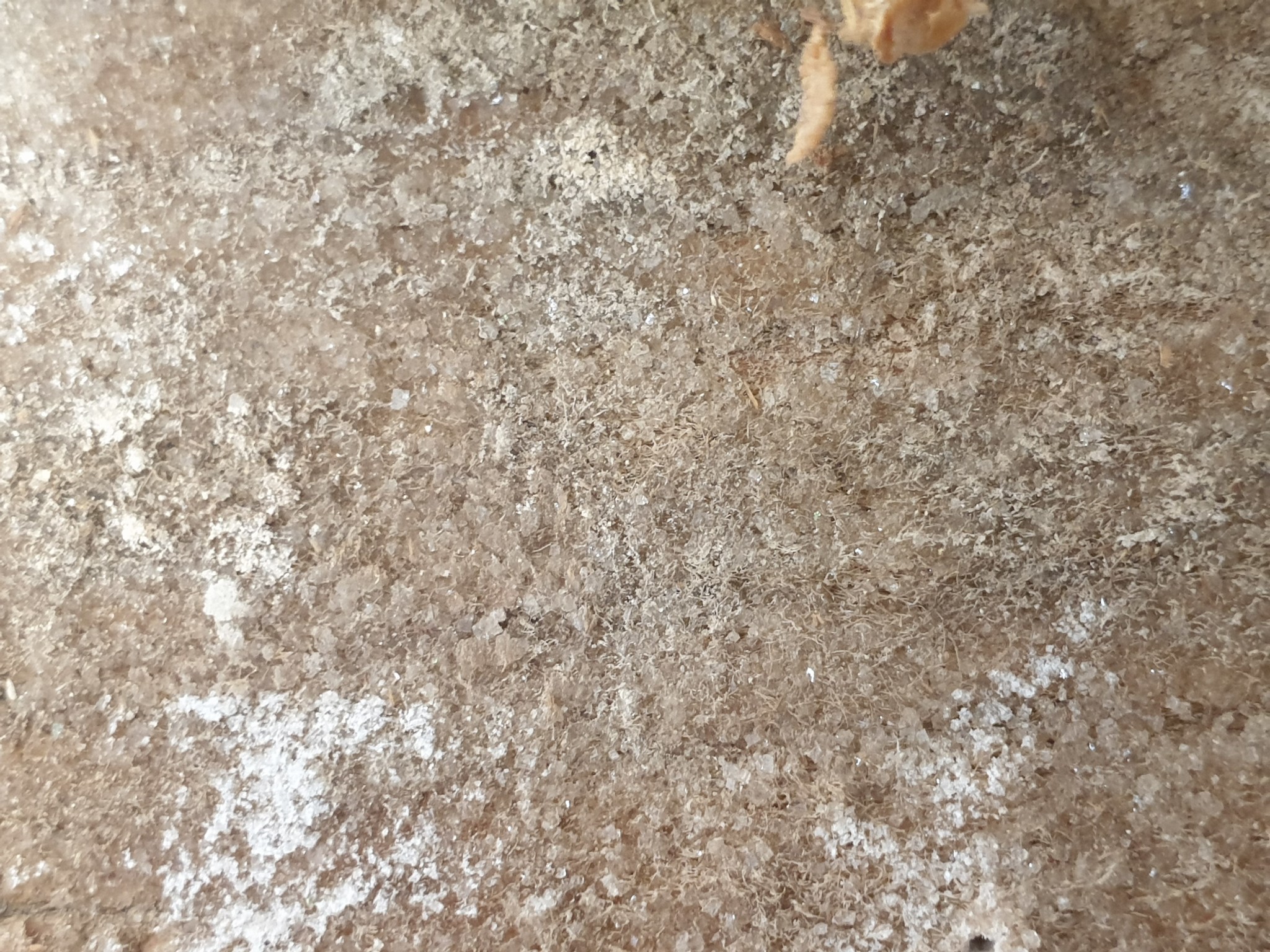
Salt deposit from timber. How? Why? Is it dangerous? Humidity is sky-high just in the area with salt but bone dry around.
Admin can move if I've placed it wrong.
85Wv8qU
dUTtQyY
 
  • Wooden beam with white salt deposits visible on the surface, indicating possible high moisture content in specific areas.
  • Efflorescence on a wooden surface, showing white salt deposits and worn wood texture. High humidity in the salt-affected area, contrasting with dry surroundings.
  • Salt deposits on timber surface with high moisture area contrasted by dry surroundings.
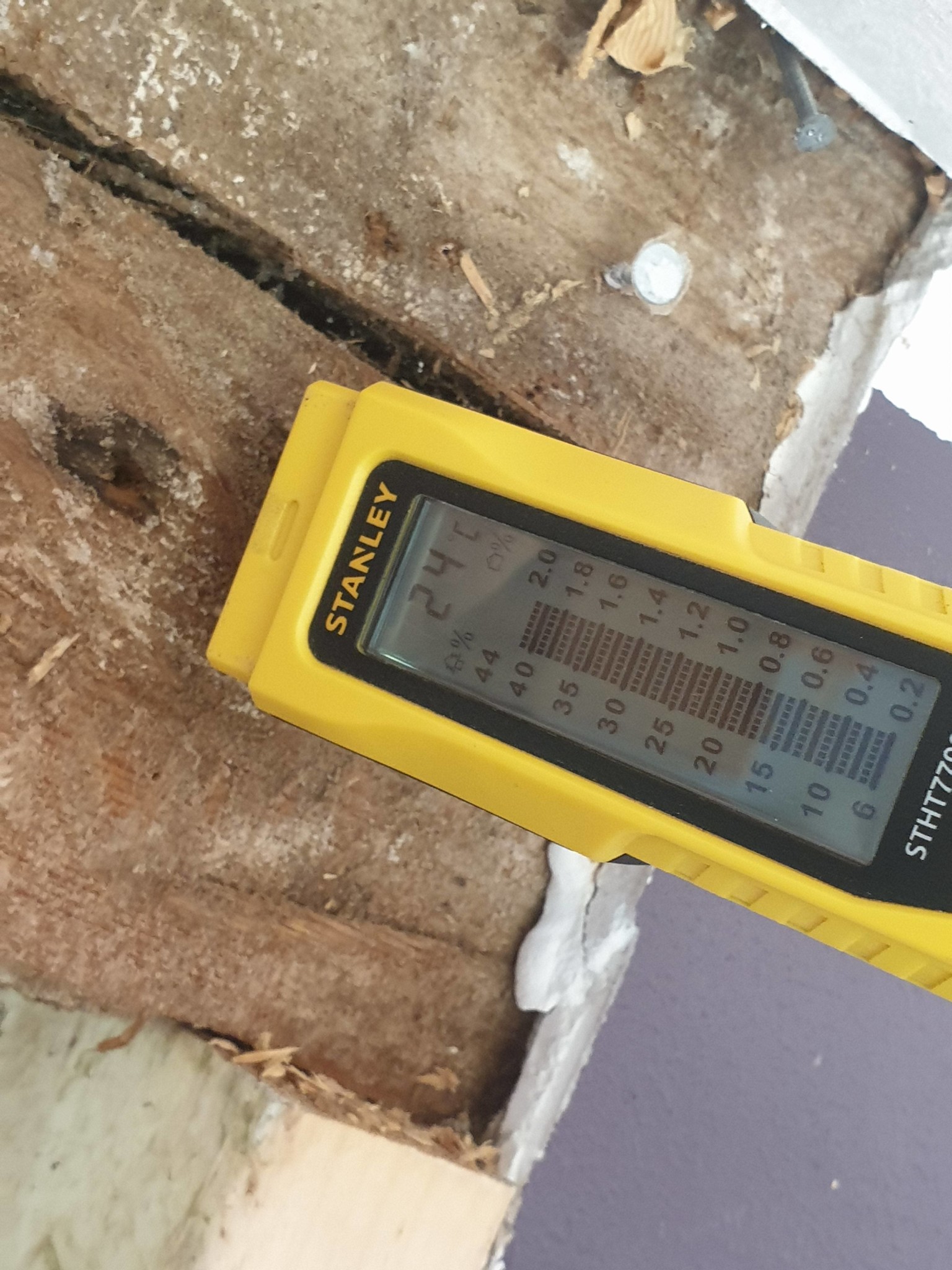
  • Moisture meter showing 24% on wood with white salt deposits and a visible nail, indicating a possible issue with high humidity in the area.
Claes Sörmland
Has someone stored salt that leaked out and came into contact with the timber?

The salt attracts moisture from the air because it is hygroscopic, maybe it is calcium chloride?
 
I don't know much about timber, but I would definitely advise against relying on a contact moisture meter inserted into salt. Salt conducts electricity very well and can make the results very misleading towards the "moist" side. The meter will interpret the higher conductivity due to the salt's conductivity as a lot of water. (Dry wood conducts poorly)
 
  • Like
Dowser4711
  • Laddar…
Anders243 Anders243 said:
I don't know much about timber, but I would definitely advise against relying on a contact moisture meter inserted into salt.
Salt conducts electricity very well and can make the results very misleading towards the "moist" side. The meter will interpret the higher conductivity due to the salt's conductive ability as lots of water. (Dry wood conducts poorly)
Smart! I hadn't thought of that at all actually! Many thanks!
 
Click here to reply
Vi vill skicka notiser för ämnen du bevakar och händelser som berör dig.