
2,873 views ·
1 replies
3k views
1 replies
Dissatisfied with the craftsmen's construction of air gap (photos)
After over a year of deliberation, we finally brought in one of the companies we received quotes from to add insulation and fix our leaking dormers (I would have preferred to do it myself, but with 2 small children, it's impossible). There are 2 flat dormers with a 10-degree slope (one on each side) and the roof nearly reaches the ridge.
According to the agreement, they added 120mm battens on existing 5" beams and applied new insulation (95+120). The air gap (25mm in the contract) was made with hardboard in each bay. The roof should consist of felt laid over the ridge.
The old construction with only 10cm insulation had no ventilation at the eaves, only a few cm gap from insulation to the sheathing, but the felt did not go over the ridge.
Now they have nailed up each bay with a board (an old board that has been lying outside for several years, moreover), so it sits at best a few mm from the sheathing (see pictures of 2 out of 4 bays on one side). I feel this is completely wrong; the air gap should go all the way out, right? Had I done it myself, I would have placed a strip of insulation and then taped new wind barrier/fabric against the existing one that comes from below and extends up towards the hardboard behind the board, thus creating both an unbroken wind-protected insulation and an air gap that goes all the way out.
Since we've added more insulation and also taken the felt over the ridge, I am worried about future moisture problems and was therefore careful to emphasize that we wanted an air gap in the contract.
Do you agree? Other suggestions for solutions?
According to the agreement, they added 120mm battens on existing 5" beams and applied new insulation (95+120). The air gap (25mm in the contract) was made with hardboard in each bay. The roof should consist of felt laid over the ridge.
The old construction with only 10cm insulation had no ventilation at the eaves, only a few cm gap from insulation to the sheathing, but the felt did not go over the ridge.
Now they have nailed up each bay with a board (an old board that has been lying outside for several years, moreover), so it sits at best a few mm from the sheathing (see pictures of 2 out of 4 bays on one side). I feel this is completely wrong; the air gap should go all the way out, right? Had I done it myself, I would have placed a strip of insulation and then taped new wind barrier/fabric against the existing one that comes from below and extends up towards the hardboard behind the board, thus creating both an unbroken wind-protected insulation and an air gap that goes all the way out.
Since we've added more insulation and also taken the felt over the ridge, I am worried about future moisture problems and was therefore careful to emphasize that we wanted an air gap in the contract.
Do you agree? Other suggestions for solutions?
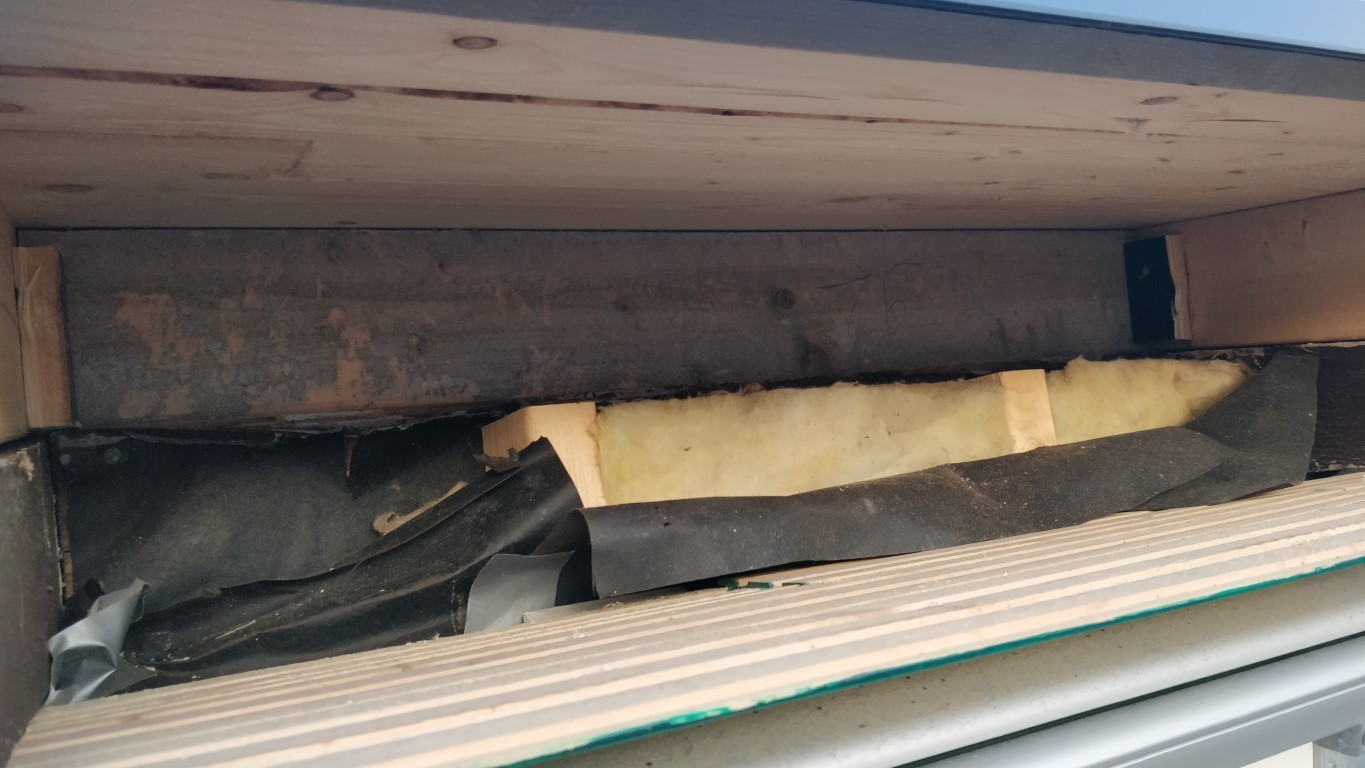
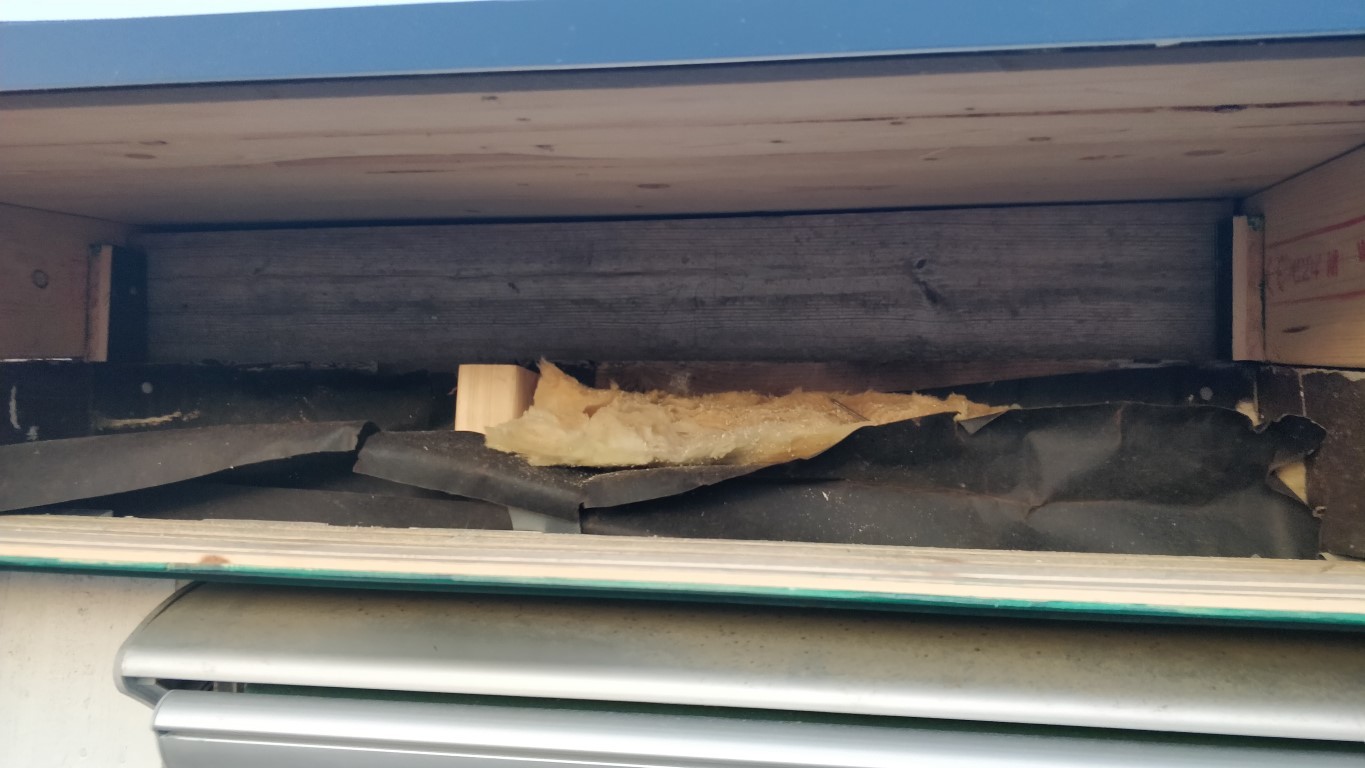

The air gap should always be open at the eaves, otherwise it serves no purpose. Air should be able to circulate in at the eaves and when it warms, a draft is created up towards the ridge where it should exit via a vent in each truss space, under the roof tiles. There should also be an insect/bird net for this air gap to prevent wasps or birds from entering and building nests.
Best regards.
/CC
Best regards.
/CC
Click here to reply
Similar threads
-
Konstruktion för "maskinhall" med telefonstolpar
Attefallshus, friggebod, garage & andra småhus -
Construction exterior wall methods
Building Materials and Construction Technology -
Quiz: Koll på konstruktion
Quizkommentarer -
Vem kontaktar man för att kontrollera takkonstruktionen?
Tak & Vind -
Fribärande takstolar 9 meter inne i lada. Vilken konstruktion?
Tak & Vind