
7,427 views ·
71 replies
7k views
71 replies
Construction abroad
I understand your point about heat storage capacity, but stone or brick is not applicable in this case as only wood and certain types of fiber and gypsum are allowed since the area is considered agricultural land. I had enough problems getting permission for a concrete foundation.

The classic extreme types for tropical construction are desert climate = heavy frames of stone materials and rainforest climate = high and open gaps for air movements. This sounds more like the American South, though perhaps not as humid. You have to work with sun protection/verandas and similar arrangements. Artificial tunnels can be effective. Maybe you can use ground plates for insulation. They are significantly heavier than regular mineral wool.
Choose stone wool with the highest possible density!
I would probably skip the plastic. It can do more harm than good. With the small temperature differences that are relevant, it doesn't do any good. If it is much warmer outside than inside, it can be directly harmful. I don't think you'll find any plastic in the neighbors' house walls. A total of 20 cm insulation is surely enough.
You can use a variable ångbroms for example. It certainly works with regular vindduk as well. In Sweden, we use the plastic to prevent the water vapor in the warm indoor air from condensing in the insulation when it meets cold air. That is unlikely to happen in Morocco.
don't you think it would be advantageous to use plastic anyway but move it out so it ends up against the outside instead.J justusandersson said:I would probably skip the plastic. It can do more harm than good. With the small temperature differences in question, it doesn't do any good. If it's much warmer outside than inside, it can be directly harmful. I don't think you'll find any plastic in the neighbors' house walls. A total of 20 cm of insulation is certainly sufficient.
in that climate, it will probably be the opposite concerning moisture migration
The problems during the wintertime, which lasts about 5-6 months per year, are that the days and evenings are cold, and some days it rains. During this time, the inside of the house is the "warm" side. Then the next period, the "warm" side is outside. So it's a bit wrong no matter how you do it. Maybe I should skip the plastic and put plywood on both sides of the insulation?
I believe that plastic is a risk no matter where you place it. It doesn't appear in handbooks on tropical building as far as I can remember (no guarantee, though). A variable vapor barrier senses which direction the moisture movement goes, so it's not a risk. But I don't think it's needed. It's a bit like summer cottage construction, where you shouldn't have any vapor barrier either. Plywood on both sides I think is a good solution.
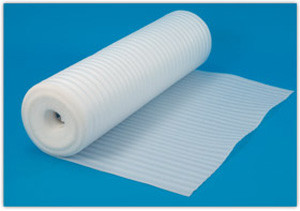
Do you mean like insulation?
No to keep the insulation in place. Thinking of an equally good alternative on the inside but cheaper than plywood inside. Right now the wall plans look like this from outside to inside:
Vertical panel
40mm Nail batten for air circulation
3mm plywood
150mm rockwool insulation
3mm plywood
50mm Nail batten for air circulation
50mm rockwool insulation
12mm Construction board similar to OSB
12mm Gypsum / Wood panel
Vertical panel
40mm Nail batten for air circulation
3mm plywood
150mm rockwool insulation
3mm plywood
50mm Nail batten for air circulation
50mm rockwool insulation
12mm Construction board similar to OSB
12mm Gypsum / Wood panel