
1,244 views ·
18 replies
1k views
18 replies
Concrete floor bad smell
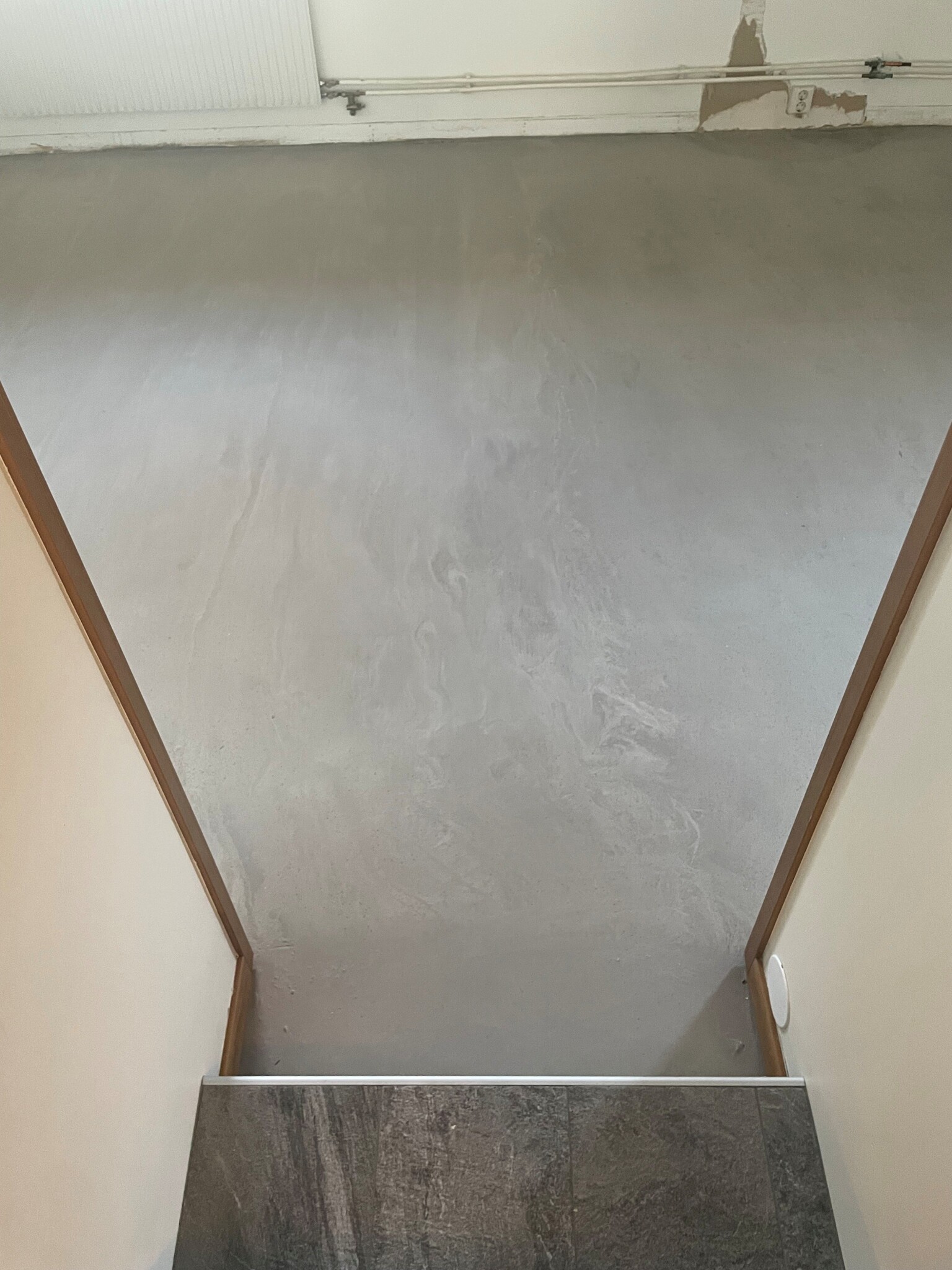
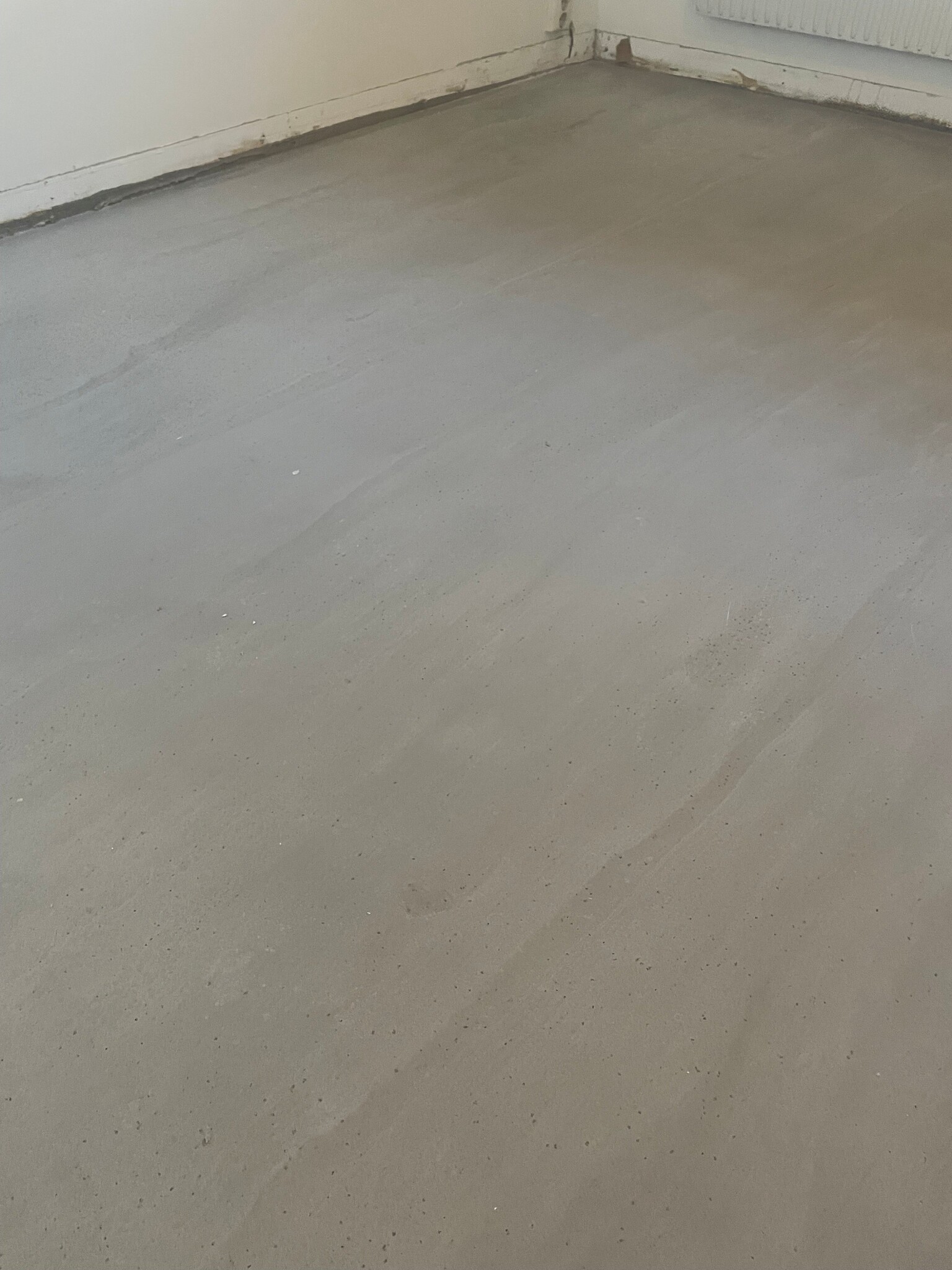
We recently removed laminate flooring in a room in the basement. Under the laminate floor was a plastic mat (it said moisture barrier and possibly sound dampening too). This room in the basement is in an extension that was built sometime around 1977/1978. In the building permit, it states the following:
Foundation method: Piling, piers, solid slab, spread plates with dim. and concrete quality.
Basement walls: Masonry exterior basement wall with pure cement mortar.
Sill covering: Horizontal 1"x6" pressure-treated.
After the floor was removed, it started to smell of ammonia, but I think that odor disappeared quite quickly. A few days later, the smell turned into what can be described as rotten egg, sewer smell, or something similar. Initially, it smelled very strong. I then ran two rounds with Jape mold-free in case there was mold on the concrete from being enclosed. After a few days, I think the worst of the smell subsided. But for the past few days, the smell has been fairly constant. Neither improving nor worsening.
Any tips on what might be wrong and how to fix it?
Regarding the pressure-treated sill, I don't think I can see any. At least not from the inside, but maybe you're not supposed to. I thought if it was the one that could be smelling. If you sniff the floor, I think it's the bad smell you notice, but quite faintly.
Foundation method: Piling, piers, solid slab, spread plates with dim. and concrete quality.
Basement walls: Masonry exterior basement wall with pure cement mortar.
Sill covering: Horizontal 1"x6" pressure-treated.
After the floor was removed, it started to smell of ammonia, but I think that odor disappeared quite quickly. A few days later, the smell turned into what can be described as rotten egg, sewer smell, or something similar. Initially, it smelled very strong. I then ran two rounds with Jape mold-free in case there was mold on the concrete from being enclosed. After a few days, I think the worst of the smell subsided. But for the past few days, the smell has been fairly constant. Neither improving nor worsening.
Any tips on what might be wrong and how to fix it?
Regarding the pressure-treated sill, I don't think I can see any. At least not from the inside, but maybe you're not supposed to. I thought if it was the one that could be smelling. If you sniff the floor, I think it's the bad smell you notice, but quite faintly.
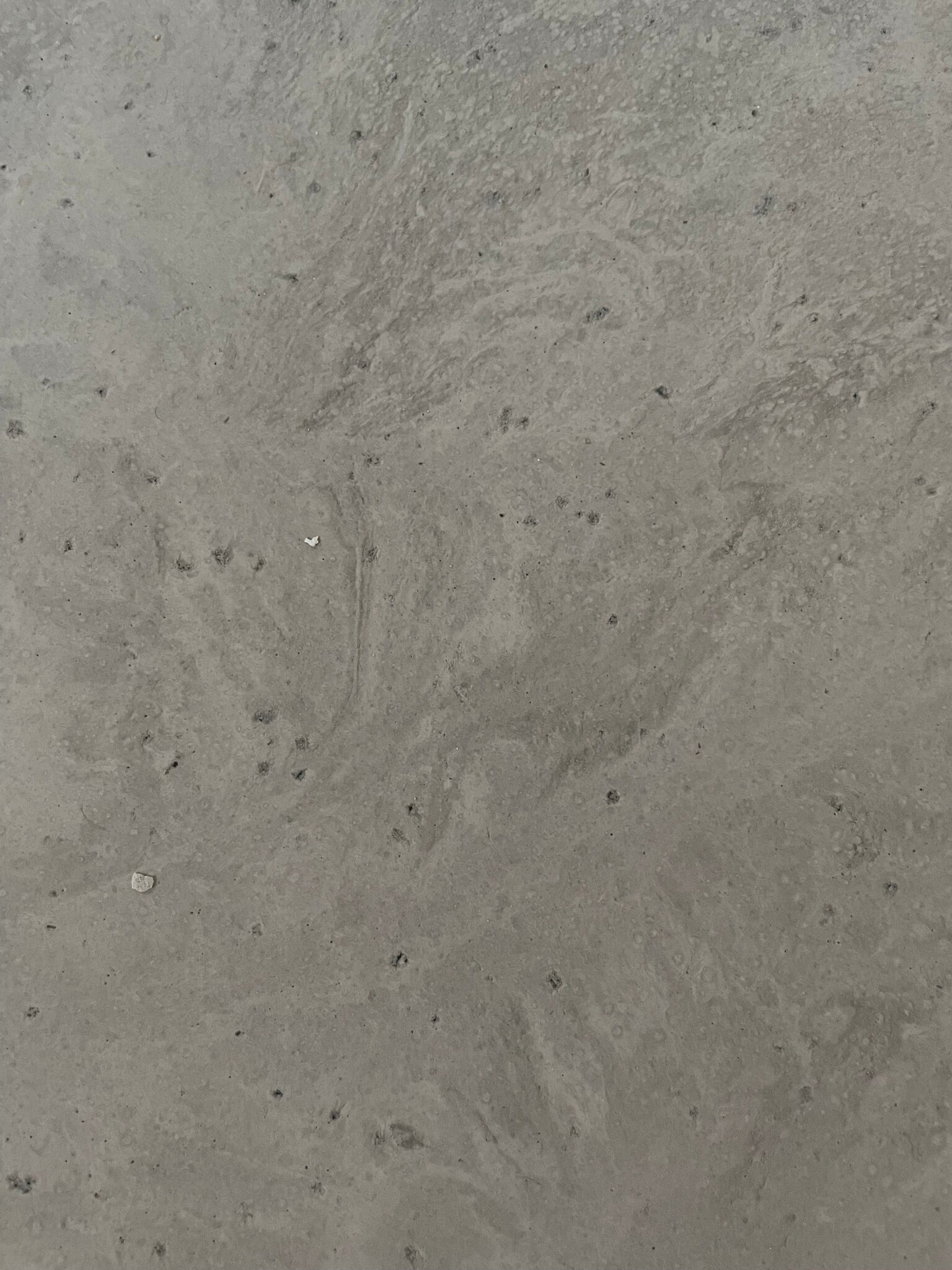
Would spontaneously guess old self-leveling compound with casein or other protein that has been encapsulated and is now emitting an odor. Unsure what is recommended to do about it though.
I have personally considered that it might be that as I have seen other threads that have brought this up. However, I haven't seen any good solution proposals....R roger.lehrberg said:
Ventilated flooring is one suggestion, but it does add some height. Direct measures right now would otherwise be to dry out the room, preferably with a dryer with a good filter to remove particles. But I absolutely recommend bringing in someone more knowledgeable to take a look on-site and make an assessment.
I have sent samples of the floor for analysis. We'll see if it contains casein. Ten days before we get an answer.R roger.lehrberg said:

Got the same type of bad smell after self-leveling compound (pumpable screed without covering layer) on an uninsulated basement floor with moisture intrusion. It was particularly noticeable if you reduced the air circulation by closing the doors. It eventually went away, but it took over a year.
So it seems that even today's products (which shouldn't contain casein or other mold scandal materials) contain substances that can emit this type of "rotten" smell. No one really knows exactly what secret mixture these products consist of. The company's recommendation was that the smell would disappear when you "built it in" 😕
So it seems that even today's products (which shouldn't contain casein or other mold scandal materials) contain substances that can emit this type of "rotten" smell. No one really knows exactly what secret mixture these products consist of. The company's recommendation was that the smell would disappear when you "built it in" 😕
Maybe the same story here then. We'll see what the test result says. I'm not very knowledgeable but I wonder why one has to self-level at all.C cpalm said:Got the same type of bad smell after self-leveling (pumpable screed without a covering layer) of an uninsulated basement floor with rising damp. It was particularly noticeable if you reduced air exchange by closing the doors.
It eventually disappeared, but it took over a year.
So it seems that even today's products (which shouldn't contain casein or any other mold scandal substances) contain components that can emit this type of "rotten" smell. No one really knows for sure what secret concoction the products consist of. The company's recommendation was that the smell would disappear when you "built it in" 😕
You don't have to, but it is an incredibly efficient method. To give an indication, it took the flooring company 20 minutes to level our laundry room. Laying a fine finish with regular concrete would have taken an entire day, and you'd have to be pretty darn meticulous to achieve the same finish.F FSoderlind said:
Got a response and it wasn't Casein in the sample, so it's simply that the leveling compound smells bad. It might smell a little less now than it did a while ago. With any luck, it might disappear if it gets some airing out.C cpalm said:
Hi! Where did you send the concrete pieces for testing? Approximate cost for the analysis/results?
What are you planning to do with the floor? Can you use self-leveling compound to create a layer on top of it to seal in the smell? Feels like a pragmatic solution with minimal labor effort..
We want to install hardwood flooring. It smells sour. Our craftsmen say it's adhesive sickness (that the glue has saponified during the 40 years the carpet has been glued down). We have torn out the carpet, sanded with a diamond sander so that all visible glue is gone. It smells sour. It has been 3 months since, and it has been aired out all day since we do not live there and craftsmen are in the house. All day working on different projects.
I have read that you can sand x number of mm/cm to remove the smell. Alternatively, use an aluminum mat barrier (Ardex/Dens3).
I have read that you can sand x number of mm/cm to remove the smell. Alternatively, use an aluminum mat barrier (Ardex/Dens3).

Can't you have age-resistant plastic under the wooden floor, that is, lay a floating wooden floor?O Optometristen said:We want to lay wooden floors. It smells sour. Our craftsmen say it's glue sickness (that the glue has saponified during the 40 years the carpet has been glued down)
We have torn out the carpet, sanded with diamond sanders so that all visible glue is gone. It smells sour. It's been 3 months and it's been aired out all day since we don't live there and craftsmen are in the house. All day and working on different projects.
I have read that you can sand x number of mm/cm and in this way get rid of the smell. Alternatively use aluminum mat barrier (Ardex/Dens3)