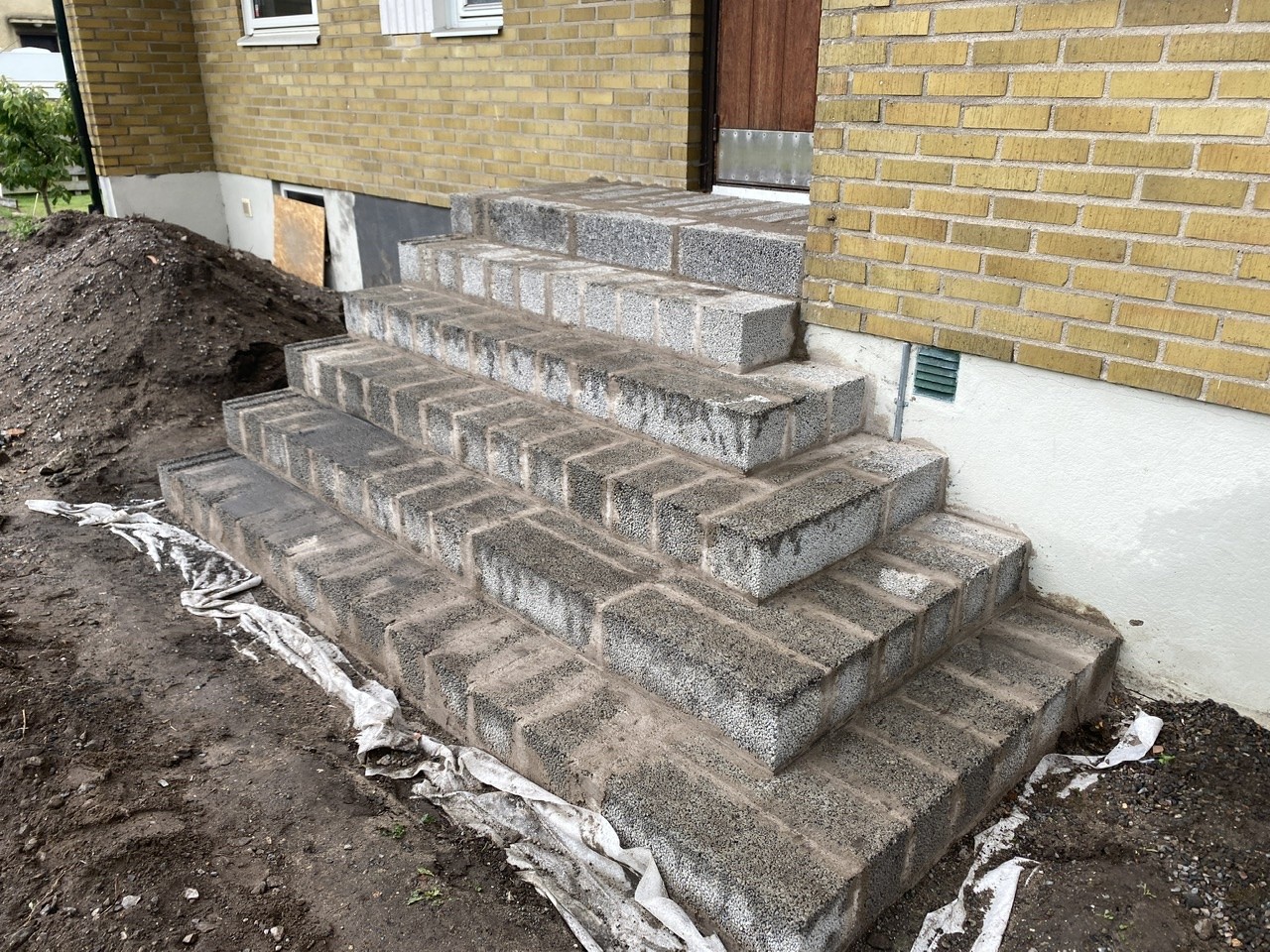
I have built an entrance staircase out of lightweight concrete blocks and am now deciding what to coat/plaster/fill it with.
I'm choosing between Ardex A46 and Combimix Concrete Filler, the latter being significantly cheaper.
I believe both products should work but haven't managed to find any pictures or similar to show the result. I'd love to get an idea of how the staircase will look afterward.
Has anyone used either of the products and have a picture to share?
I think it depends on what I am filling with, Ardex A46 has been recommended by Ardex themselves so it feels safe. Concrete filler from Combimix seems like a corresponding product but at about half the price of Ardex, however, without any recommendation, so it would be a bit more of a gamble.
The entire staircase stands on a cast footing according to all the rules, frost-free depth, etc.
You should have mesh in this for it to hold. Leca must be plastered thick and with a proper base to prevent cracking, and going harder won't help at all; it might actually make things happen even faster. Weber ef 260 should hold, but you must have corner angles (you can fold the regular mesh too for the inner corners) on all the outer corners of the steps and mesh over the slab, so it becomes quite expensive.
If you want to try without mesh, Sika has something called 723 or k1 now that is a bit more flexible, and Sto has gm1. Both must be brushed on in a layer before applying the surface.
But a big but since it's a very mobile construction.
Another solution is to buy a nice overlay stone, a few bags of Weber 133, a redgrun, and some thin plaster mesh. Prime all vertical steps, the next day attach the mesh in a thin layer of 133. Apply another layer the following day, which you broom nicely, then lay your overlay stone in thin combed 133.
Can Ardex A46 really work on these extremely exposed surfaces? It's a mixture of gypsum, cement, and sand. Gypsum outdoors on large surfaces...
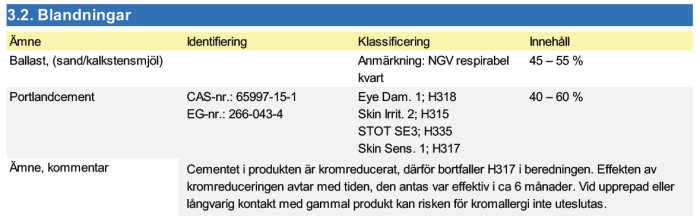
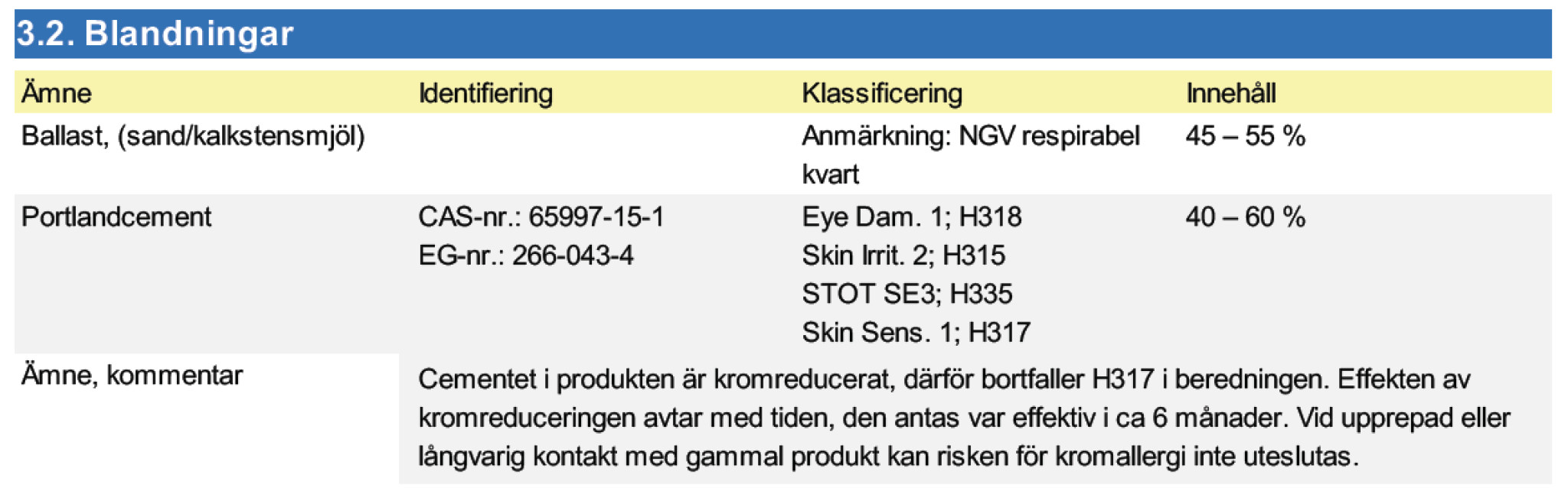
Combimix Betongspackel is a variant of regular plaster mortar (with finer aggregate I assume) and high cement content.
It should work. Tradition dictates the use of pure cement mortar on such exposed surfaces, meaning a mixture of Portland cement (=construction cement) and plaster sand.
Nowadays, a lot of reinforcement is also recommended, perhaps also fiberglass additives to avoid minor cracks.
Thanks for the input!
I haven't decided yet, so all thoughts are welcome.
Fiber-reinforced concrete is also an option I've considered, this after seeing someone else on the forum plaster their entire concrete staircase with it. It should work just as well on a staircase made of leca, or what do you think?
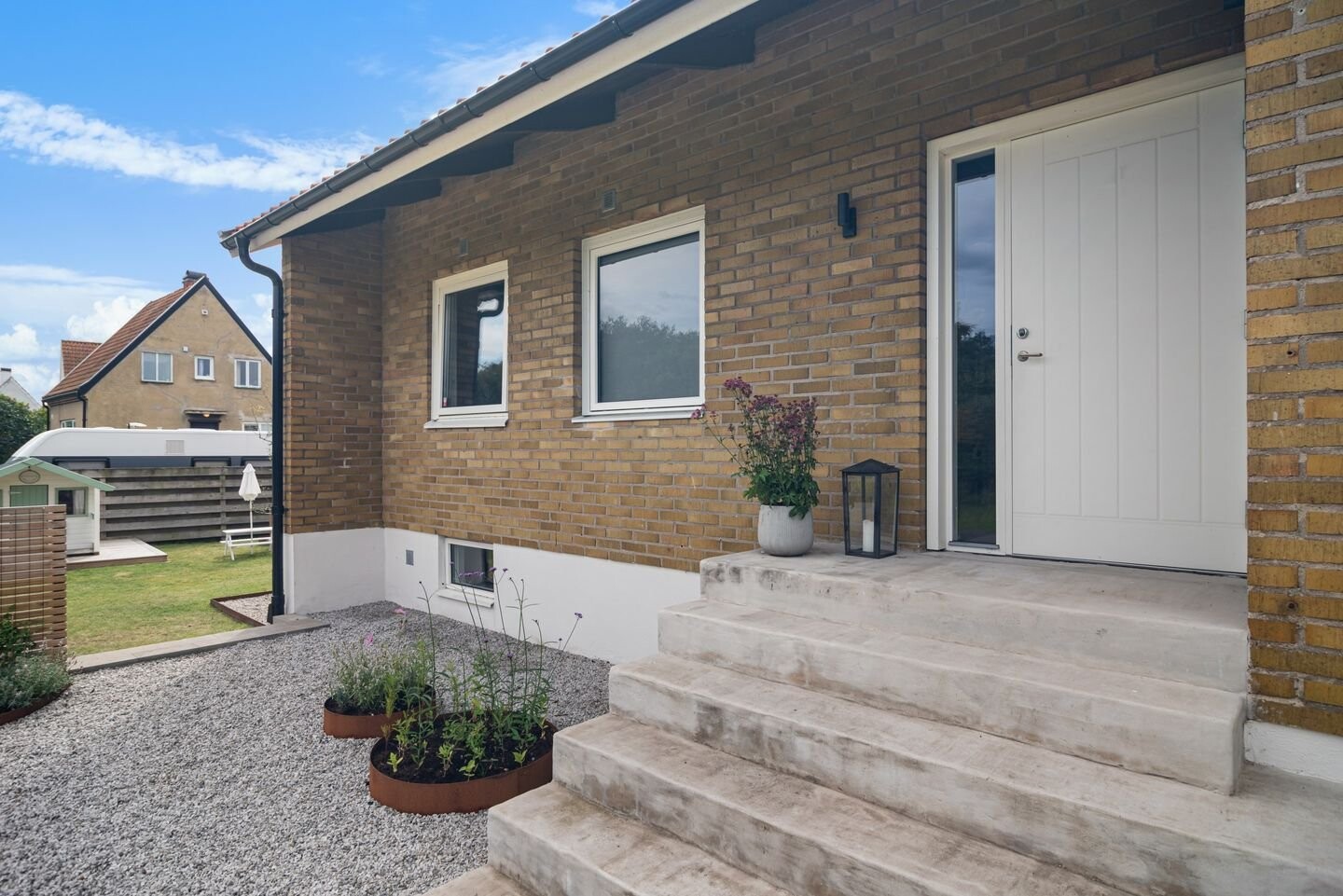
I used Ardex A46. It's quite a difficult product to work with as it has a very short "open time" compared to regular mortar and plaster. I was basically running back and forth between the mixing area and the stairs 🙃.
But we are happy with the result. It gave a more dynamic look compared to a cast staircase. It has some color variations which I believe are due to different mixes of mortar and water.
Now, 5 years later, it still looks good. It has some small cracks here and there, but it seems to be superficial as it doesn't let any water through as far as I can tell.
Attached is a picture taken last year.
Click here to reply
Vi vill skicka notiser för ämnen du bevakar och händelser som berör dig.