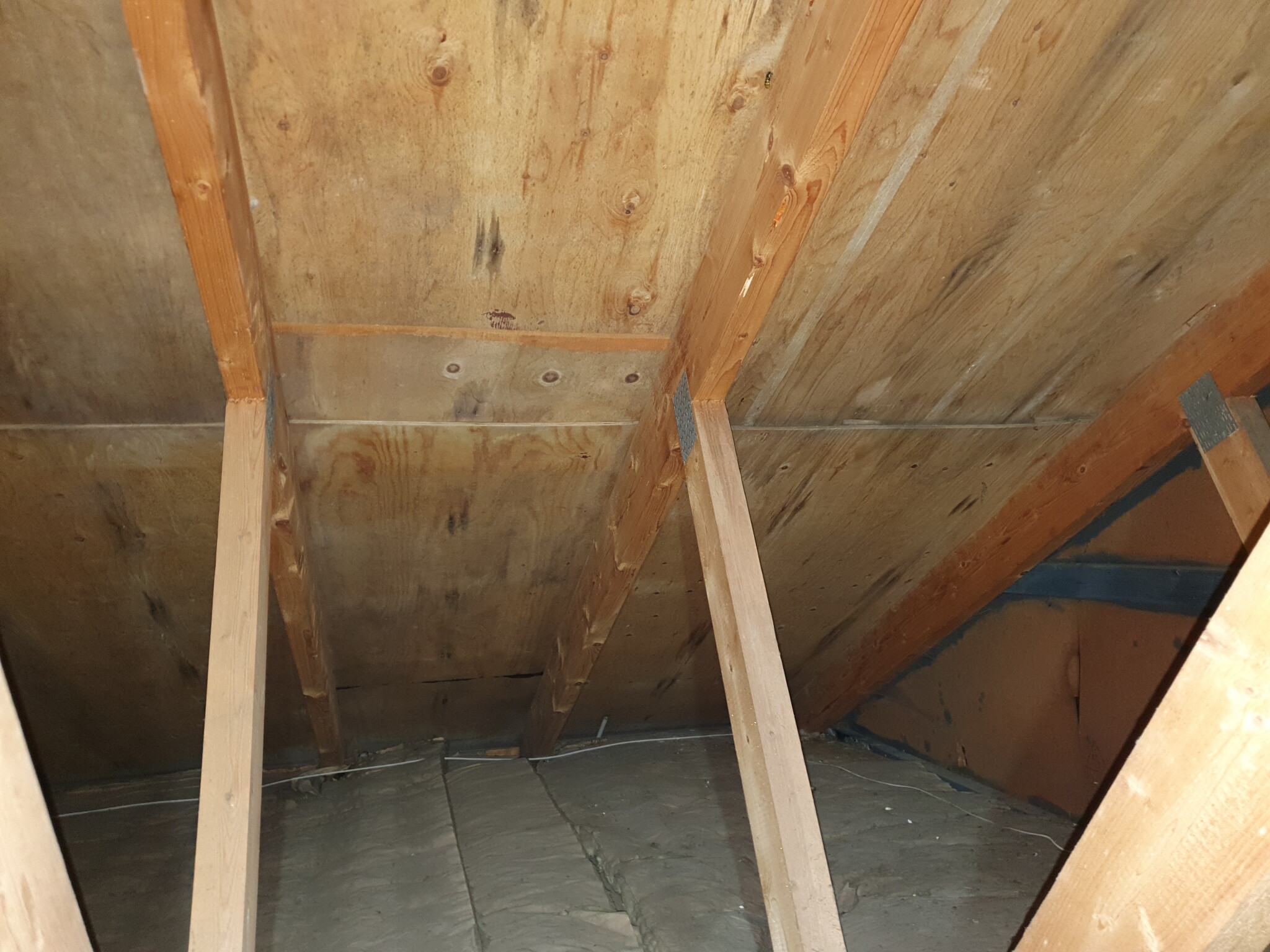
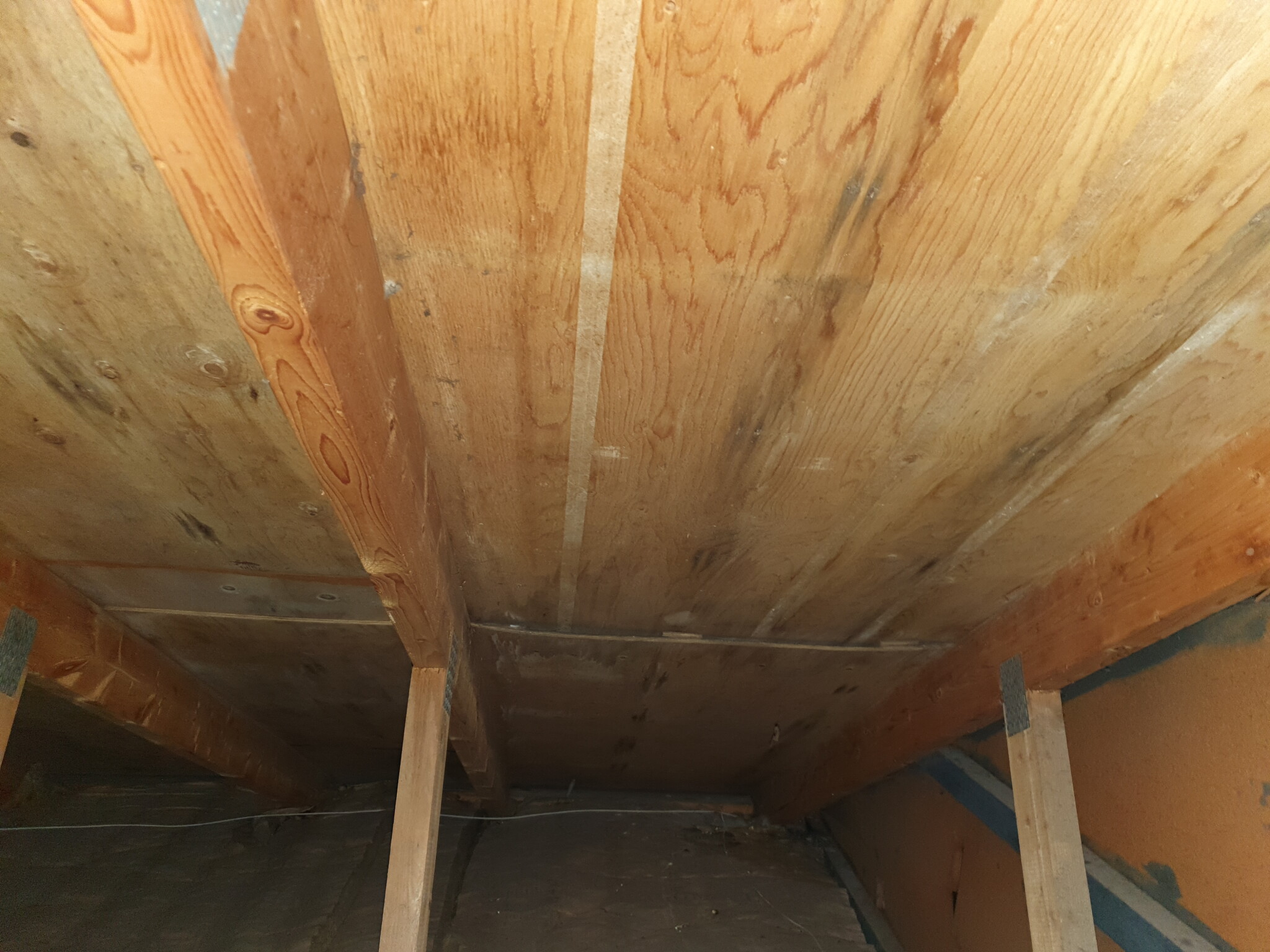
One of our bedrooms, which is quite open to the north and has a sunroom to the west, is noticeably colder than the other rooms. The room has a "newer" patio door and a smaller and older 2-glass window facing out towards the sunroom.
We have replaced the air vent (facing north) with a windproof one and installed a larger radiator.
Right now it's not an issue since the rest of the house is often up towards 25 degrees while our bedroom is at 21-22, but when the colder seasons arrive, we know it will become problematic.
The door to this bedroom must always be closed due to allergy problems BUT we have installed extra ventilation above the door which helps a lot.
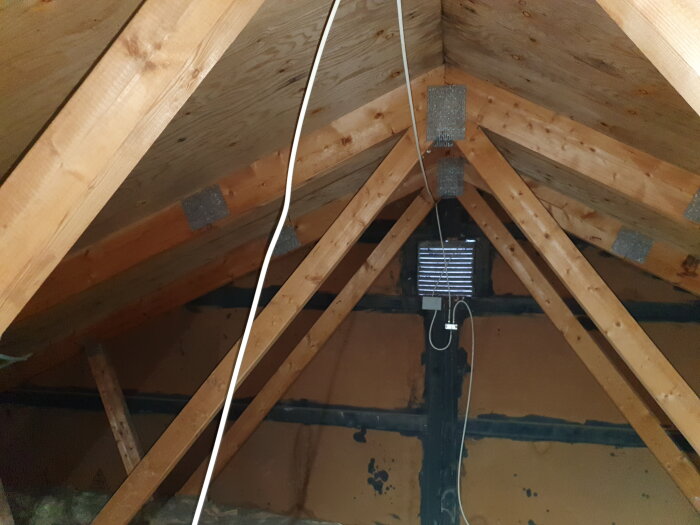
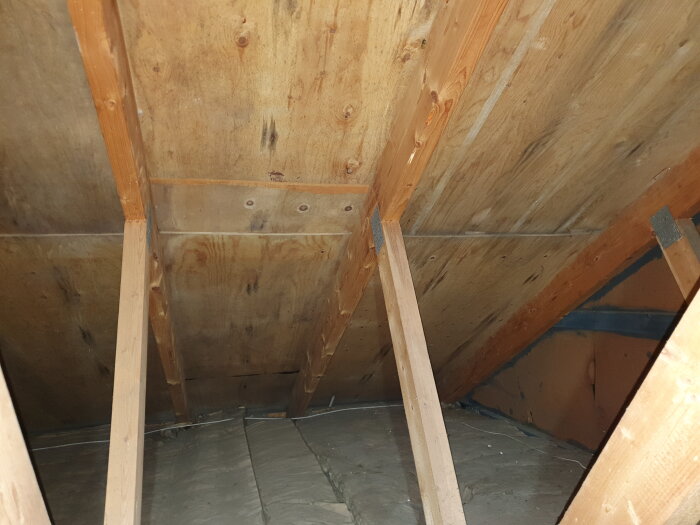
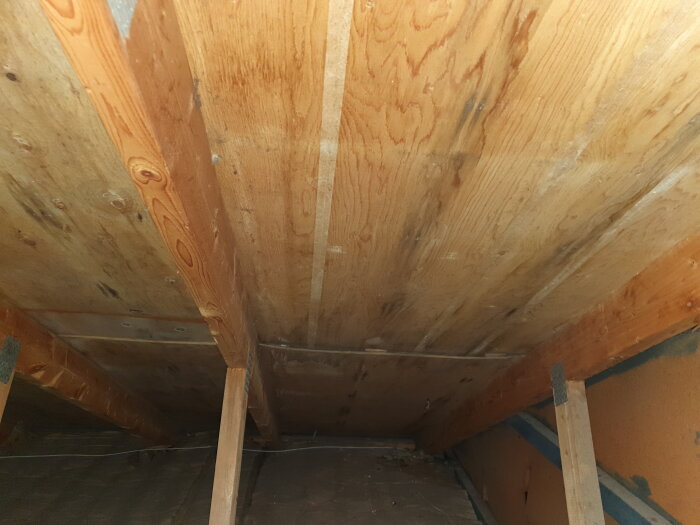
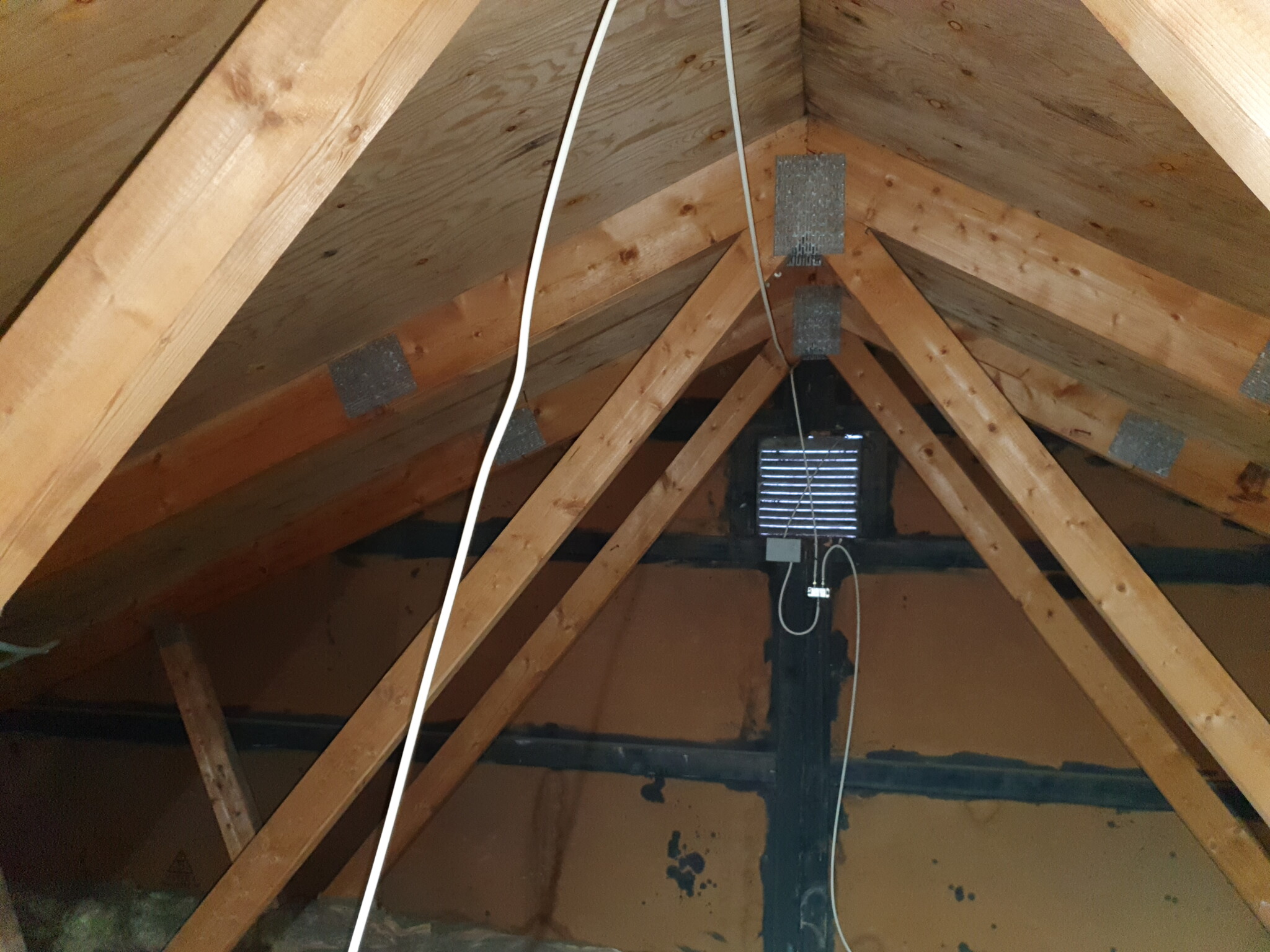
I've been up in the attic and don't really see any discrepancies over this room compared to the others. The insulation fills its compartments, but there's definitely a risk of cold air from the north getting in through the gable at the bottom.
Currently, I'm considering buying a roll of insulation (e.g., 60x500 cm) to lay out towards the gable, but I suspect you need some kind of moisture barrier against the gable boards? I'm, however, doubtful if this will really make any difference.
Unfortunately, I don't have better pictures right now, but you can get a bit of an idea of how it looks.
Before taking any action, it's important to reasonably establish why it is cold. There are two main reasons:
1. The house/room is not airtight, allowing cold air to enter.
2. There is insufficient insulation.
Both of these causes can naturally exist simultaneously. The worst case is if it is not airtight. If cold air is coming in, the thickness of the insulation doesn't matter much. It's like having a window or door slightly open constantly. Of course, there are degrees to this. Everything from almost no draft at all, except when there's a full storm outside, to drafts as if a door is wide open.
Drafts are easiest to find with your fingers when the wind is blowing against the side(s) the room faces, and naturally in winter when it's cold outside, and with the bedroom door open to maximize the draft, making it easier to detect.
You can usually know or reasonably guess the insulation based on the thickness and construction of the exterior wall. Then there's the floor. That depends a lot on the type of construction the house has. A classic wooden beam against a crawl space is fairly easy to determine, but a concrete slab can be trickier if the construction is unknown.
The roof, you've looked there, so you know how thick the insulation is.
A caution for bedrooms in the outer corner of the house, and with a closed door. The heater must have sufficient capacity to warm the room.
So, before any advice or tips can be given, all these factors should be known.
Click here to reply
Vi vill skicka notiser för ämnen du bevakar och händelser som berör dig.