
12,086 views ·
59 replies
12k views
59 replies
Cheap ceiling that isn't plaster?
Hey.
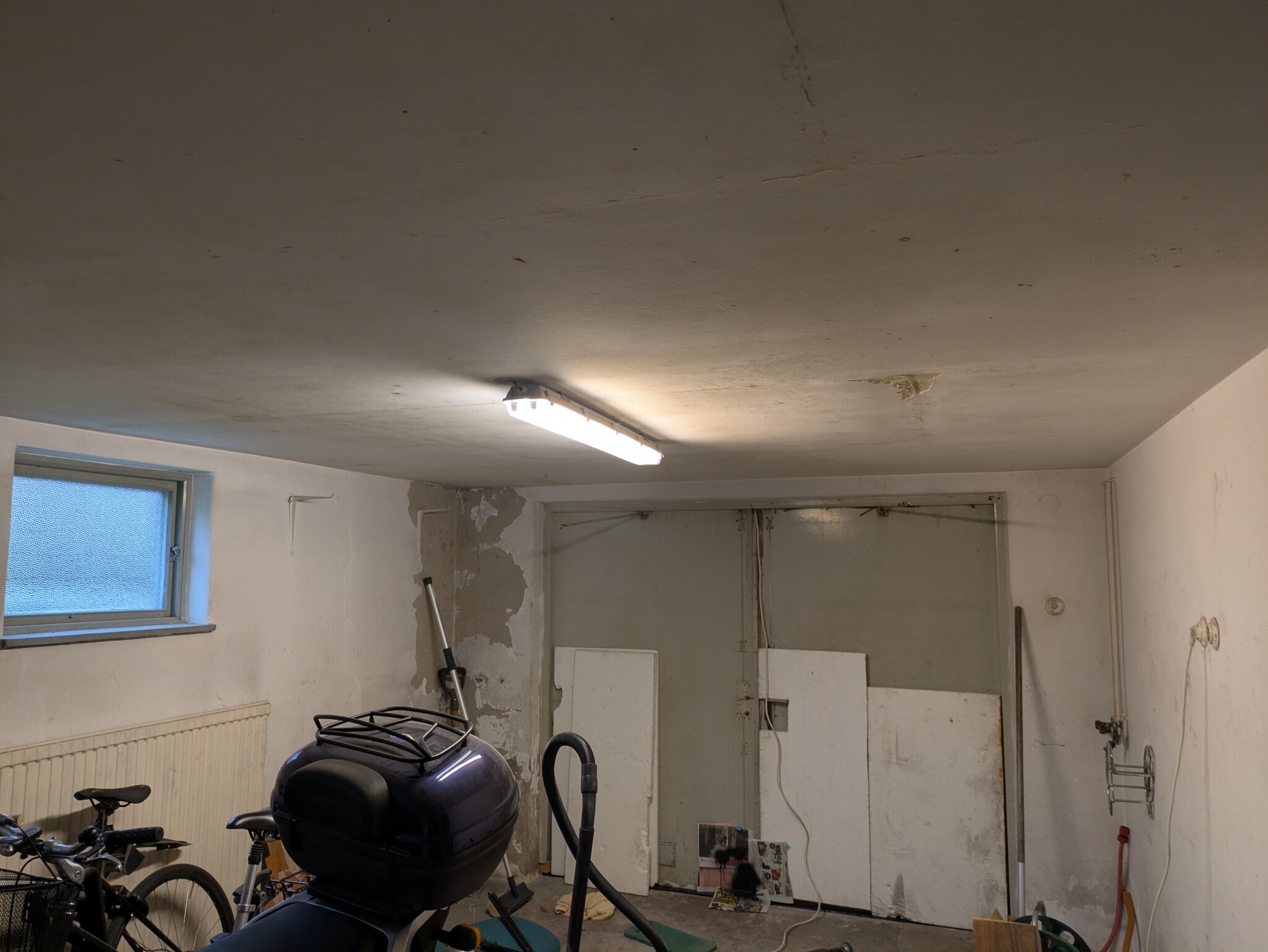
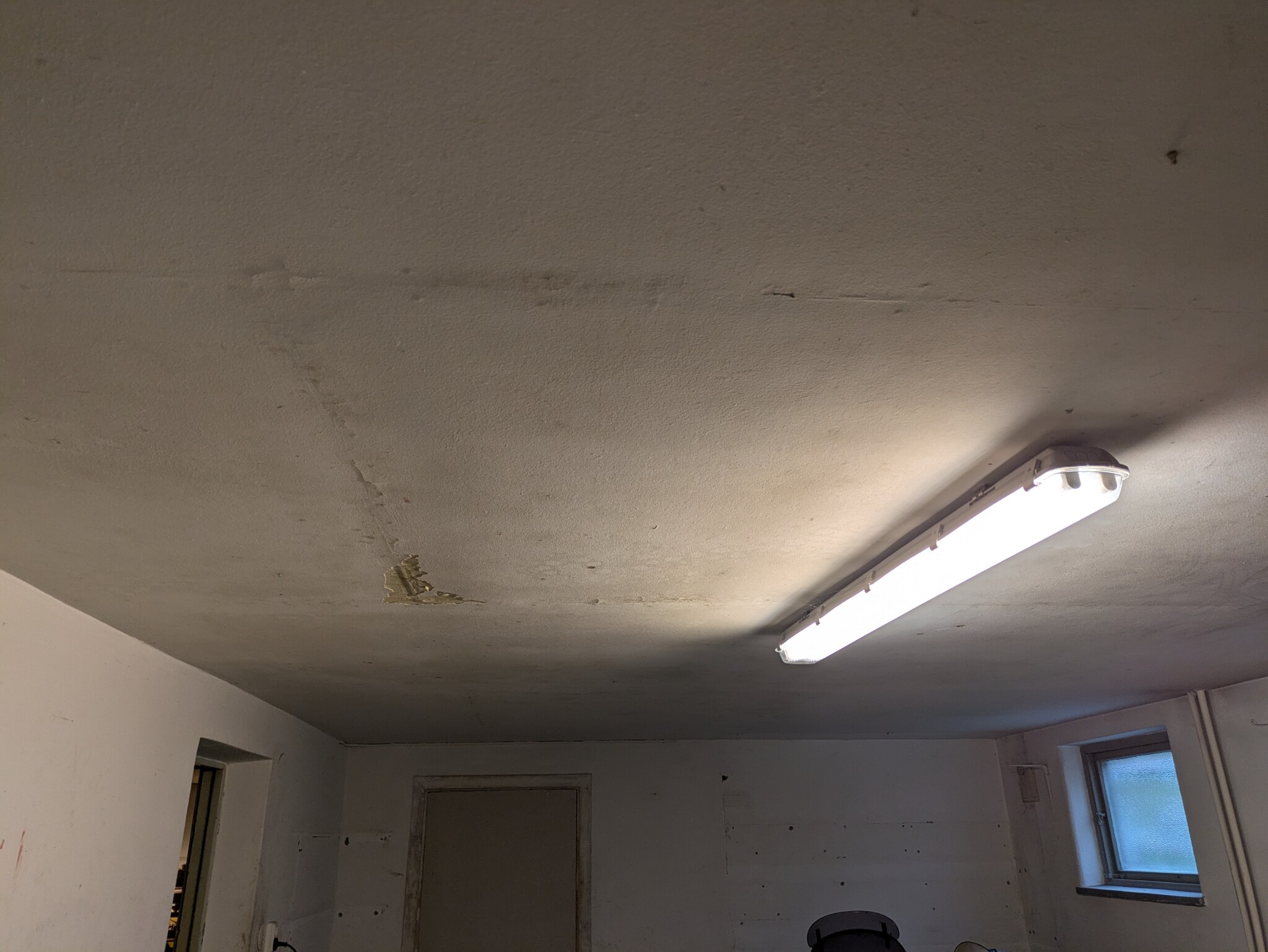
I would like to replace the ceiling in the garage, it's the original gypsum from the 60s where all the joints have started to come apart.
It would be nice to avoid ceiling gypsum with everything it entails. It feels convenient to use ceiling panels that you just staple up with the nail gun.
Appearance doesn't really matter since I'm the only one who will see it.
What is the cheapest and easiest option that isn't gypsum?
Both of these cost 160 SEK per square meter, thinking it might be the right way to go?
https://www.hornbach.se/p/takpanel-moelven-regina-original-vit-12x620x1220mm/8645824/
https://www.byggmax.se/innertak-5-pack
I would like to replace the ceiling in the garage, it's the original gypsum from the 60s where all the joints have started to come apart.
It would be nice to avoid ceiling gypsum with everything it entails. It feels convenient to use ceiling panels that you just staple up with the nail gun.
Appearance doesn't really matter since I'm the only one who will see it.
What is the cheapest and easiest option that isn't gypsum?
Both of these cost 160 SEK per square meter, thinking it might be the right way to go?
https://www.hornbach.se/p/takpanel-moelven-regina-original-vit-12x620x1220mm/8645824/
https://www.byggmax.se/innertak-5-pack
Maybe not the answer you want but;
Had a similar appearance in my garage, just before droplets started hanging in the seams during heavy rain showers 😕
Had a similar appearance in my garage, just before droplets started hanging in the seams during heavy rain showers 😕
Yes, it will show when I've removed the gypsum 😁 However, it's on the ground floor, so it would have to rain in from the side. I think it's more likely that it might be dripping from some copper pipe.Skogspromenix said:
Great, then it probably won't be such problems 👍N naikon said:
Ontopic, I've installed Buildmax ceiling panels (smooth white) with good results. It does assume there's something to screw into above, of course.

There shouldn't be any problem setting up those panels on the ceiling. But what do you want to gain from it? If it's just joints that start to give way after 60 years, it seems more logical to fill and repaint.
Awesome. Did you use screws, nails, or staples?
All the joints are coming apart, and the ceiling is generally quite worn. Moisture-damaged plasterboard in one corner from a previous leak. It would also be nice to take down and have a look in the joists to make sure all the pipes are intact.A Avemo said:
Did some more research (new to this renovation thing) and if you buy ceiling plaster, it's called short plank and has beveled edges, creating a similar grid pattern as the inner panel above. And you avoid having to fill the seams, which is the main point
https://www.byggmax.se/takgips-p07212
Then the cost will be about 1700 (excluding paint) vs 3100 for the ceiling panel (already painted).
Which would you choose?
https://www.byggmax.se/takgips-p07212
Then the cost will be about 1700 (excluding paint) vs 3100 for the ceiling panel (already painted).
Which would you choose?
I guess it's a bit simpler with the ceiling panel. But that might depend on whether you also need to install battens. There's probably not a big difference. It's a good idea not to be alone when you are putting up the panels.
I would probably let the existing panels stay. If they are loose, you can easily add more screws since you can see where the edges are. If it's so water-damaged that the panels are falling apart, you can replace just a small section there. Then it's just about plastering and painting. Simpler and cheaper than replacing everything.
I would probably let the existing panels stay. If they are loose, you can easily add more screws since you can see where the edges are. If it's so water-damaged that the panels are falling apart, you can replace just a small section there. Then it's just about plastering and painting. Simpler and cheaper than replacing everything.
Good input, maybe worth considering.A Avemo said:I guess it might be a bit easier with the ceiling panel. But it might depend on whether you have to put up battens too. There's probably not a huge difference. It's a good idea not to be alone when you're putting up the boards.
I would probably let the existing boards stay. If they're loose, you can easily drive more screws since you can see where the edges are. If it's so water-damaged that the board is falling apart, you can just replace a small section there. Then it's just a matter of filling and painting. Simpler and cheaper than replacing everything.
Yeah, why not. What's your cost per m2 approximately?J Joonazz said:
Nice, sounds good. Did you use a panel lift or is a telescopic prop sufficient? I'm alone.A A.Barman said:
I installed that type of gypsum ceiling in my newly built garage. Quite quick and convenient. Especially since the battens behind were placed with great care at the correct center-to-center spacing. The boards are smaller and more manageable than regular full-sized wall boards. However, it is still quite exhausting to work overhead. Especially if you want to do it calmly and methodically, fitting everything nicely. I did most of it myself, without a helper, so I rented a gypsum lift for a weekend. A few hundred kronor do affect your budget, but I thought it was worth every penny. No problem covering the entire ceiling in my double garage over a weekend, on my own.N naikon said:Did a little more research (new to this renovation thing) and when buying ceiling gypsum board, it's called "kortplank" and it has beveled edges that create the same grid pattern as the inner panel above. And you avoid having to fill the joints with filler, which is the main point.
[link]
Then the cost will be about 1700 (excluding paint) vs 3100 for the ceiling panel (already painted).
Which would you choose?
I only filled the screw heads. I've seen some who don't even do that and just paint over everything. It depends on the desired finish. For some, filler might be considered overkill in a garage.
Great, very good input. Sounds like I should probably lean towards this. However, yes, if you rent a lift, it becomes a bit tricky to calculate the cost, I would have preferred to do it at a leisurely pace when I have time to spare. As mentioned, I have an ordinary ceiling stand, should be able to build a simpler platform with some leftover timbers to support the gypsum board.S Stuff said:I installed such a gypsum ceiling in my newly built garage. Quite quick and smooth. Especially as the battens behind were set with great care at the correct centers. The boards are smaller and more manageable than regular full-sized wall boards. However, it's still tiresome to work above your head. Especially if you want to do it calmly and methodically and fit everything together well. I did most of it myself, without helpers, so I rented a drywall lift for a weekend. A few hundred kronor does indeed have a big impact on your budget, but I thought it was worth every penny. No problem plastering the entire ceiling in my double garage over a weekend, on my own.
I only plastered the screw heads. I have, however, seen people who didn't even do that and just painted over everything. It depends on what level of finish you desire. For some, plastering might be considered overkill in a garage.
Yes, it's possible with props (and a good friend) as well.N naikon said:Great input. It almost sounds like this is the way to go.
But yeah, if you're going to rent a lift, it's a bit difficult to estimate the cost, I would have preferred to do this at my own pace when I have some spare time.
As mentioned, I have a regular ceiling prop, it should be possible to build a simple platform from some leftover joists to distribute the drywall on.
But with a drywall lift and a weekend's work, there was no stress at all. It was important that all the preliminary work with battens was done and that all the drywall and screws were available at home.
If you want to speed up even more, you can be satisfied with screwing fairly sparsely when putting up the boards. Then, after the lift is returned, you can go back and screw a bit tighter.