
62,180 views ·
190 replies
62k views
190 replies
Careless craftsman?

Hi, I need some help. I live in a cooperative apartment and I'm not very knowledgeable in construction techniques, etc. A handyman did some work for me, changing the floors in the kitchen and hallway, among other things. He had to come back to fix some sloppy work:
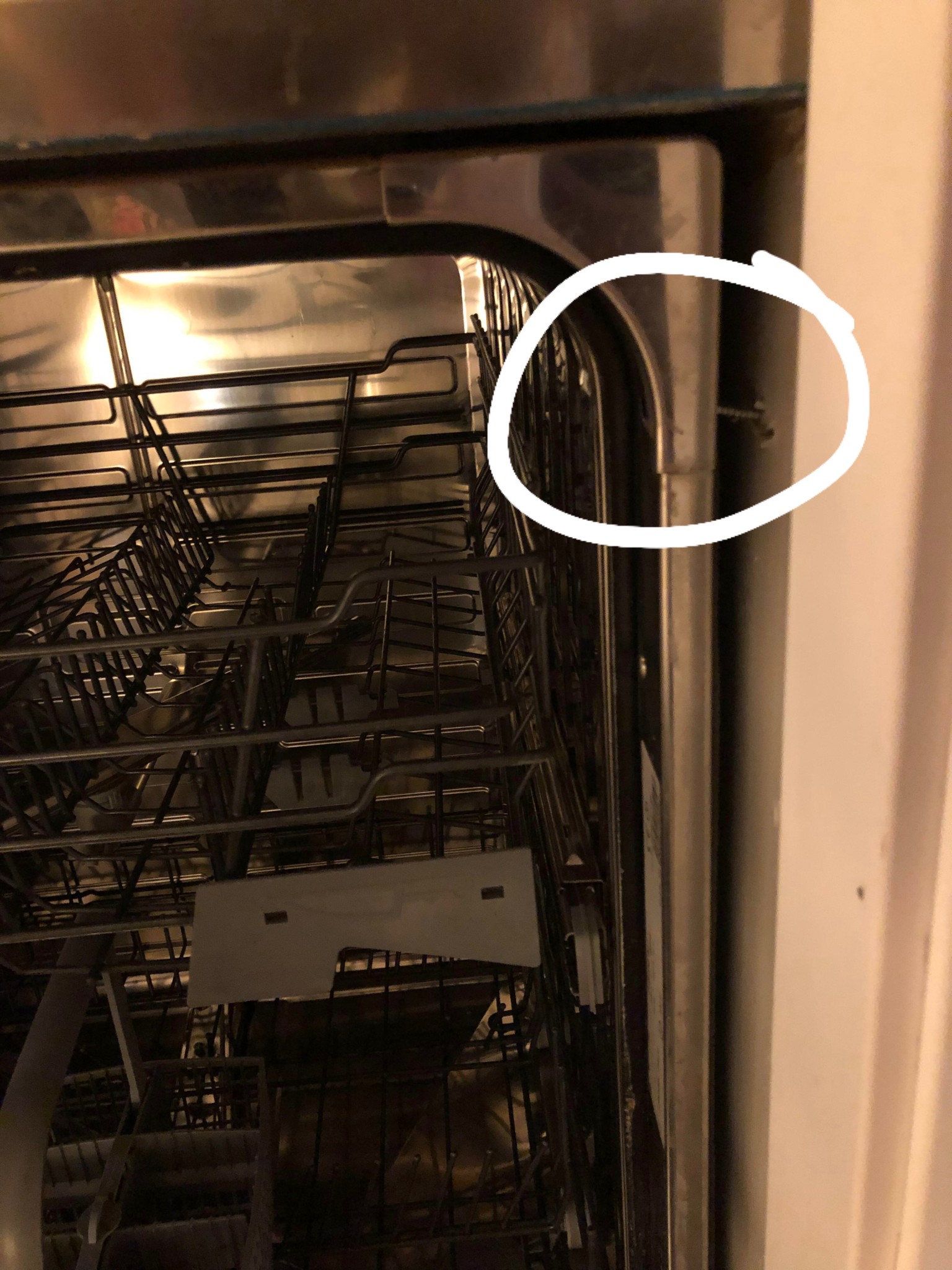
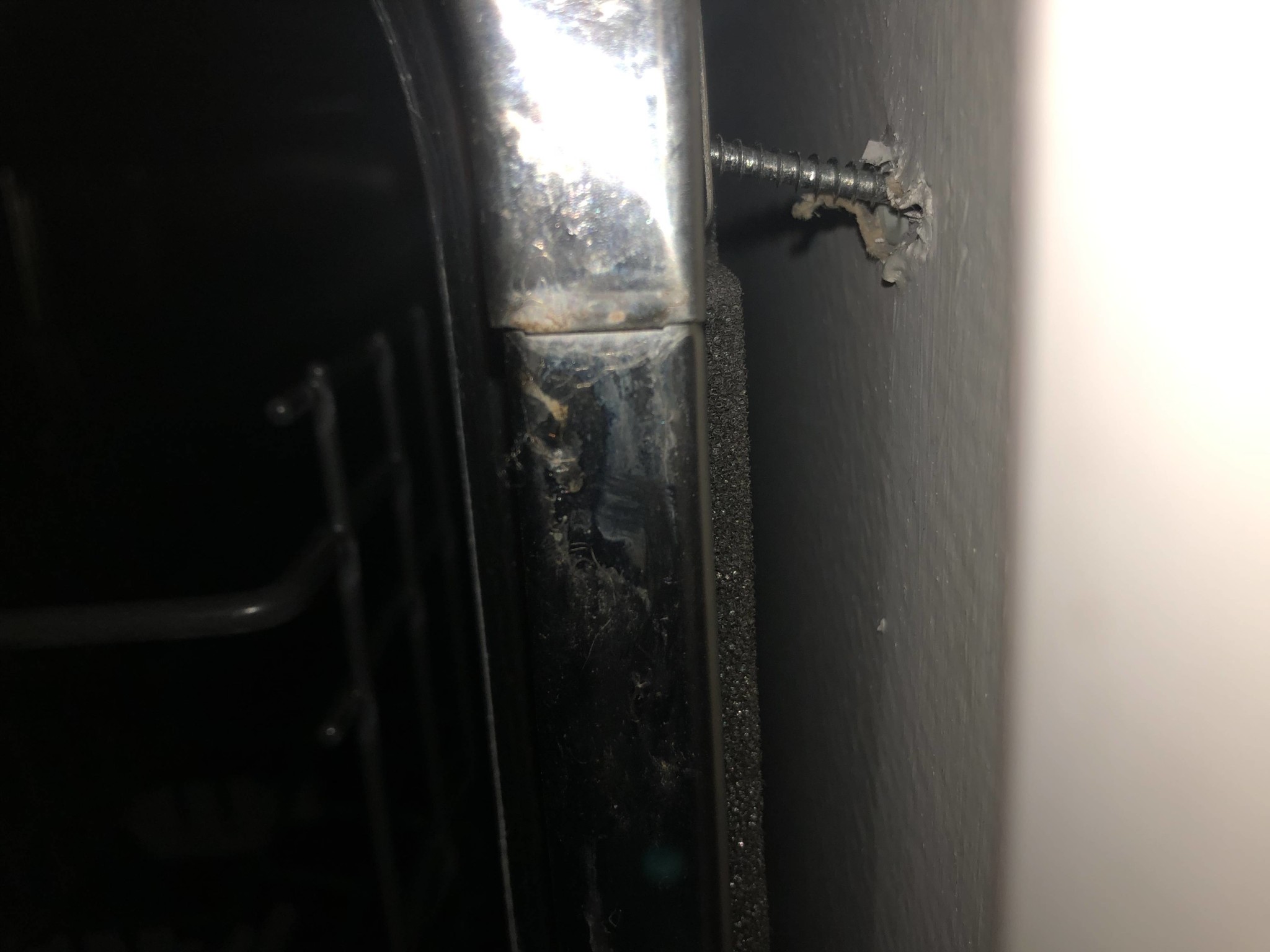
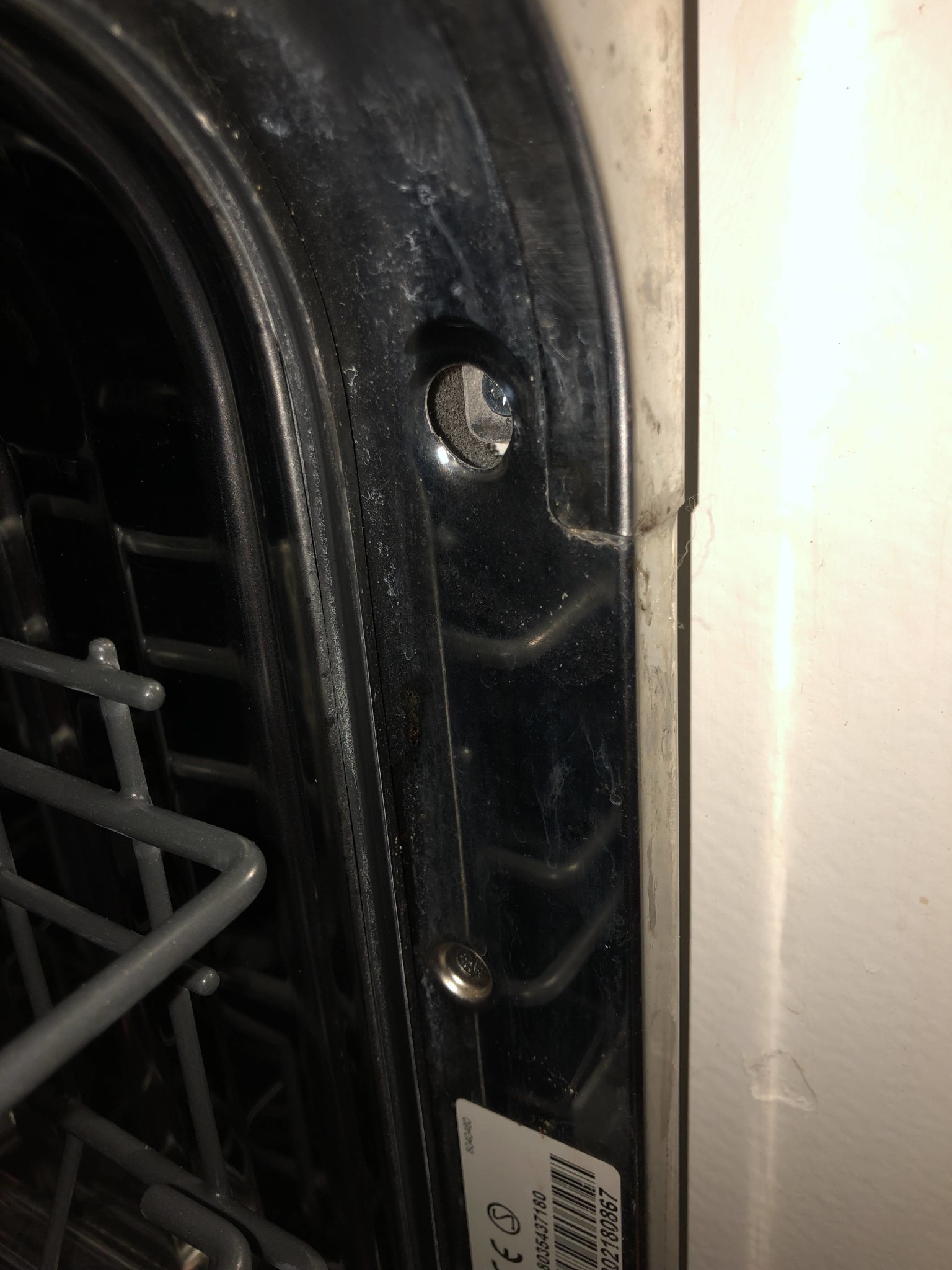
- The dishwasher wasn't screwed in. He did it now by screwing it into the wall. Is that how it should be done? Screwing into the wall, at an angle? Is there a risk of moisture damage?
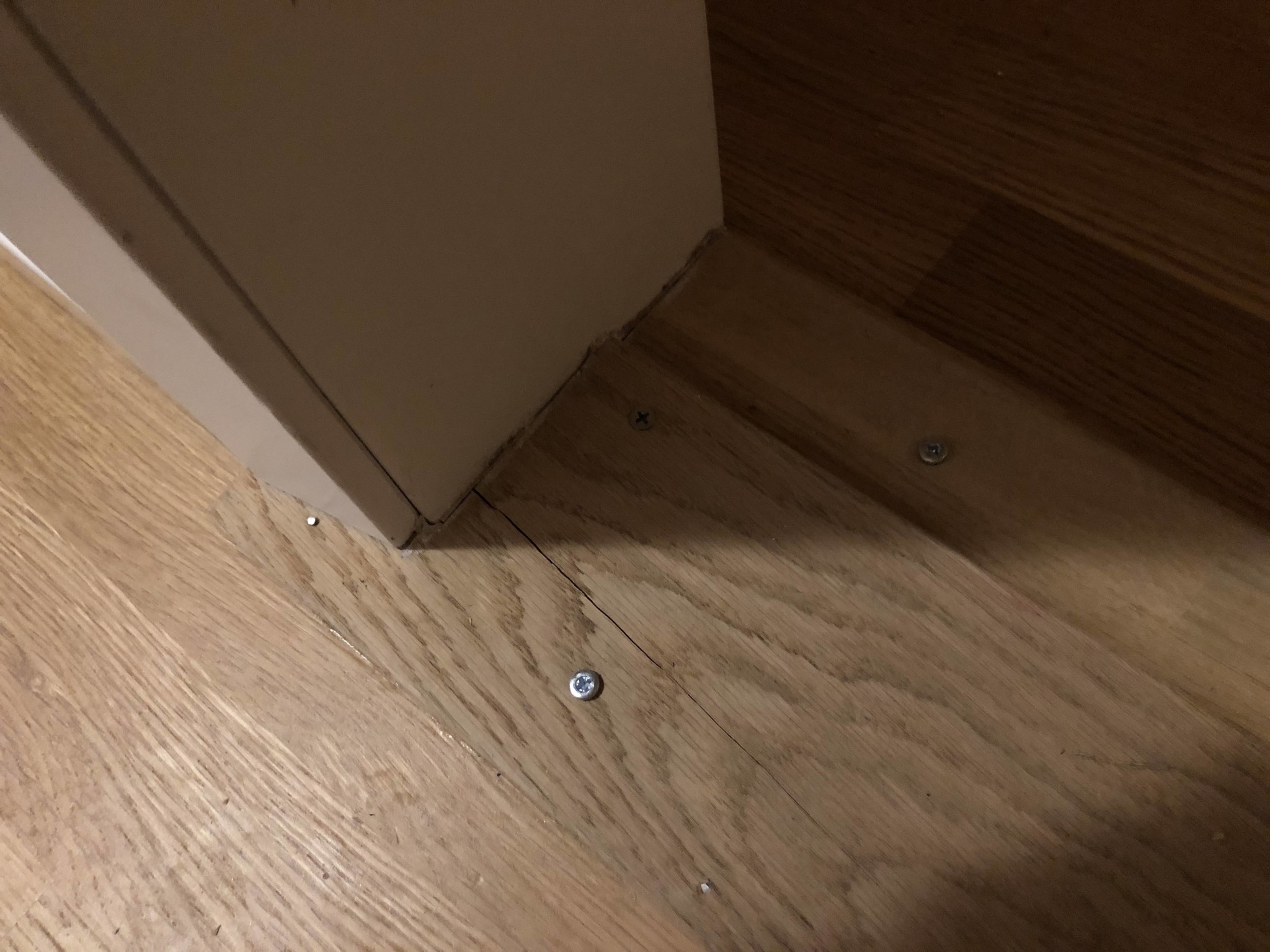
- The thresholds weren't fixed. He has now attached them with some non-recessed screws, one recessed and also nails, and created a crack in the threshold.
*edit: There's also a variety of types and colors of nails, and the spacing isn't symmetrical in any direction; the screw "in the middle" isn't centered. Is this according to building standards?
- Is it okay for it to look the way it does behind the stove?
- Should I accept that the door can't open fully?
- He has installed floor moldings around a door instead of door moldings. The edges for door/floor moldings are different. Should I accept this?
Am I being too picky?
see pictures. Thanks for the help!!
- The dishwasher wasn't screwed in. He did it now by screwing it into the wall. Is that how it should be done? Screwing into the wall, at an angle? Is there a risk of moisture damage?
- The thresholds weren't fixed. He has now attached them with some non-recessed screws, one recessed and also nails, and created a crack in the threshold.
*edit: There's also a variety of types and colors of nails, and the spacing isn't symmetrical in any direction; the screw "in the middle" isn't centered. Is this according to building standards?
- Is it okay for it to look the way it does behind the stove?
- Should I accept that the door can't open fully?
- He has installed floor moldings around a door instead of door moldings. The edges for door/floor moldings are different. Should I accept this?
Am I being too picky?
see pictures. Thanks for the help!!

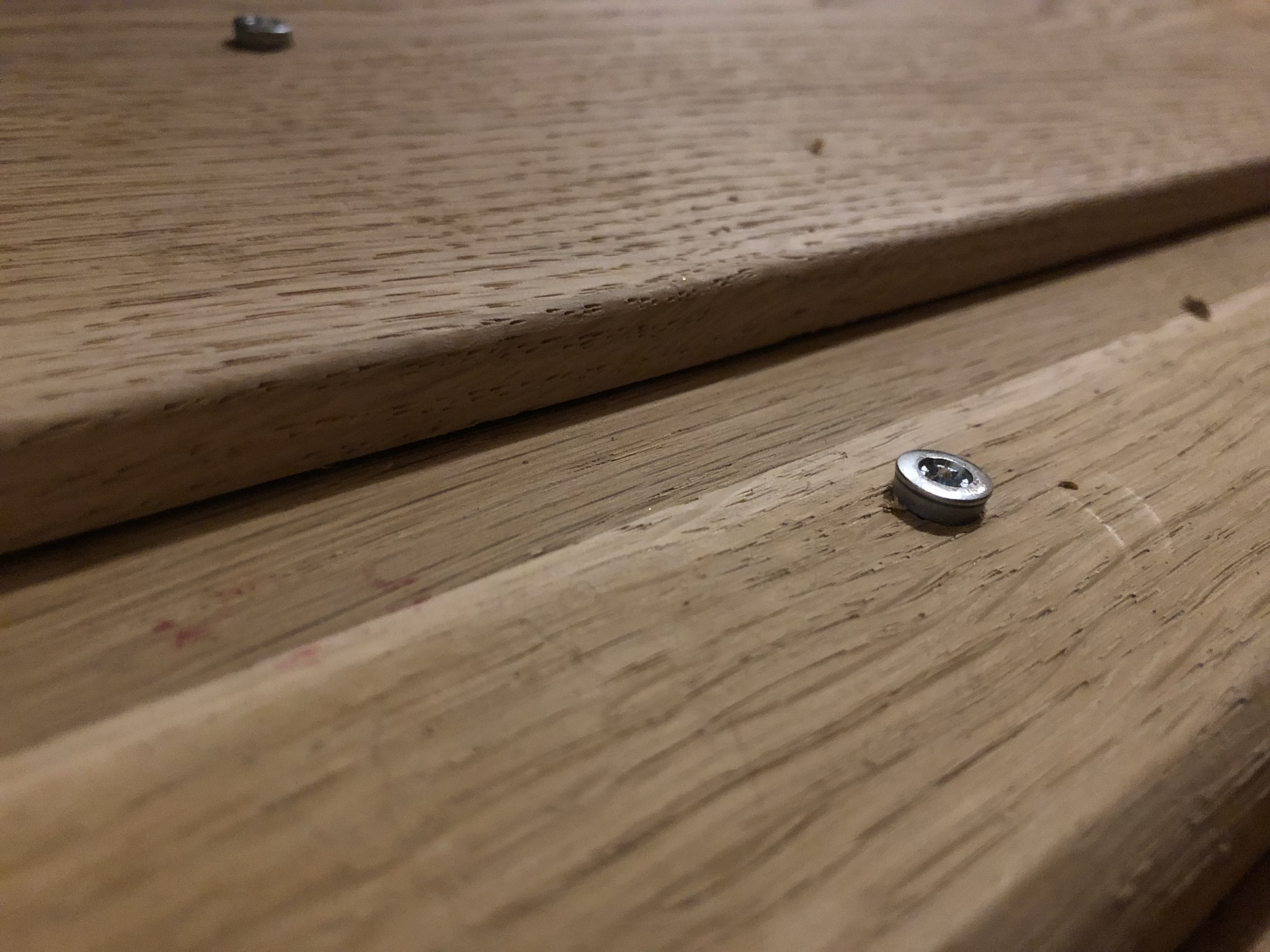
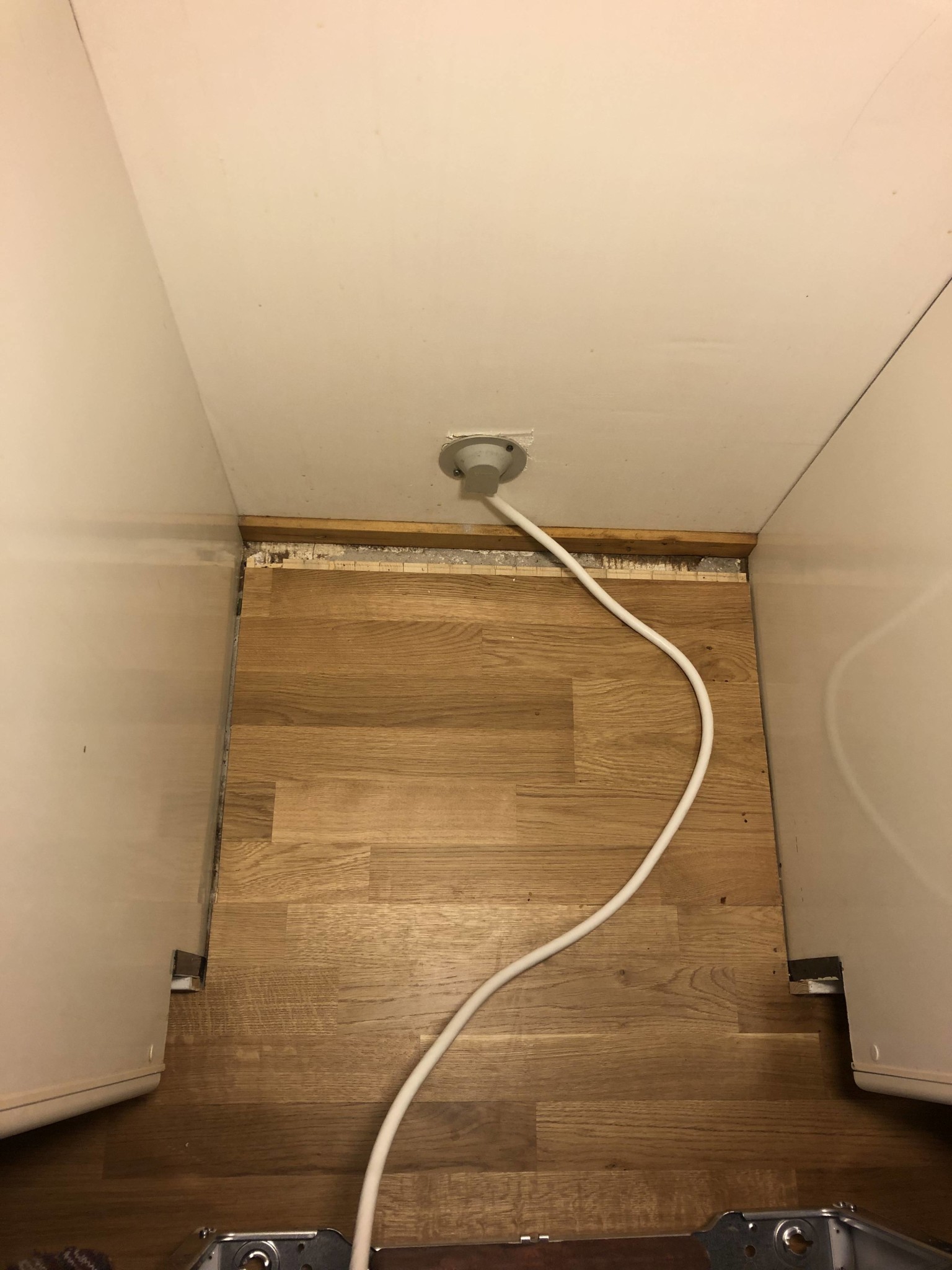
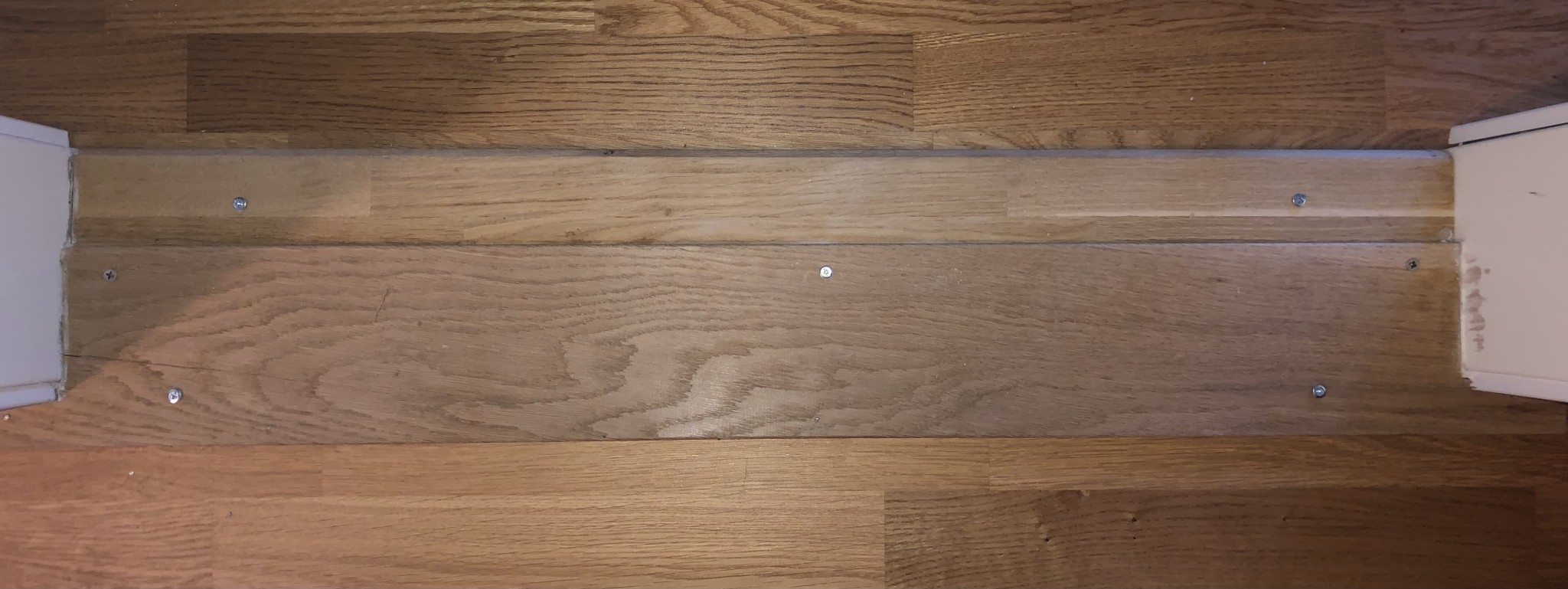
Last edited:
You're right. The thing is, the thresholds had screws/nails but they weren't drilled into the concrete floor and there were no plugs in the floor, so the screws were basically in the air, which caused the thresholds to come loose. I pointed out that there were five different types of screws/nails on two thresholds and requested action. He secured them thoroughly, but one threshold cracked, and the screws stick up worse than ever.smh said:
I think it should be properly executed and also aesthetically pleasing.
The dishwasher should be secured, there is usually a rubber cover that hides the screw.
The threshold looks bad; it can be glued or something else. Alternatively, if it must be screwed, pre-drilling and countersinking should be done so that the screws don't protrude. But then it should be perfectly straight with even spacing.
The door should be able to open all the way, either it's enough to adjust the hinges, or you might need to trim it a bit at the bottom.
Even if you haven't specified which moldings you want, you shouldn't use floor moldings around a door.
Behind the stove, it's probably okay, but not nice. I wouldn't have done it that way...
The threshold looks bad; it can be glued or something else. Alternatively, if it must be screwed, pre-drilling and countersinking should be done so that the screws don't protrude. But then it should be perfectly straight with even spacing.
The door should be able to open all the way, either it's enough to adjust the hinges, or you might need to trim it a bit at the bottom.
Even if you haven't specified which moldings you want, you shouldn't use floor moldings around a door.
Behind the stove, it's probably okay, but not nice. I wouldn't have done it that way...
S Screew said:The dishwasher should be secured, there is usually a rubber cover that hides the screw.
Thanks! But can the screw be that crooked and shouldn't there be some kind of block or something between the dishwasher and the wall if there's a gap of a few centimeters, alternatively just attached to the countertop and cabinet on the other side? Also, can there be moisture damage to the wall if there's no kind of, I don't know, silicone, in the plug?


When it comes to the installation of dishwashers, etc., you should follow the instructions. Do you have the manual? It should have the minimum and maximum measurements. There is definitely an image showing how to fasten it and whether there should be a cover on the screw. It's also important that there isn't a too large gap against the counter so that moist air doesn't get between the countertop and the dishwasher, there is usually a seal that should lie against the underside of the countertop.
One more thing, don't pay a penny! This is very important!
One more thing, don't pay a penny! This is very important!
S Screew said:When it comes to installing dishwashers, etc., you should follow the instructions. Do you have the manual? There should be minimum and maximum measurements. There is certainly a diagram that shows how to fasten it and if there should be a cap on the screw. It is also important that there is not too large a gap against the counter so that moist air does not get between the countertop and the dishwasher. There is usually a strip that should be against the underside of the countertop.
One more thing, don't pay a cent! This is very important!
Thanks, I'm not being overly picky then, thought for a moment it was so. Behind the stove I can ask a friend to fix it so nothing goes under the floor even though the risk is minimal. But the thresholds... and the floor trim around the door... where the door can't close so the floor flexes a bit, you could have an egg-rolling competition on a small area there if you want. Or roll a billiard ball or something fun. It can be fixed by adjusting hinges or trimming at the bottom according to previous suggestions.C Cerb said:
The thing is, I'm not a handyman, I work with something completely different, which is why I hired services to lay new flooring, etc. Thanks for the comments, really!
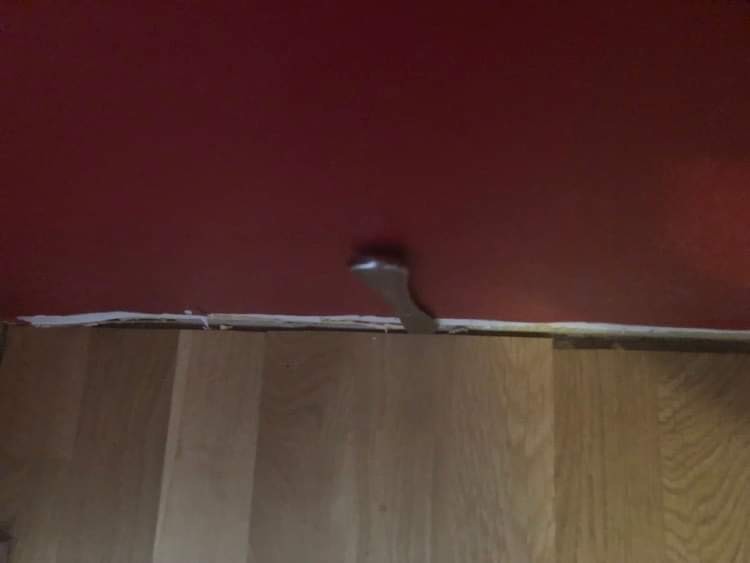
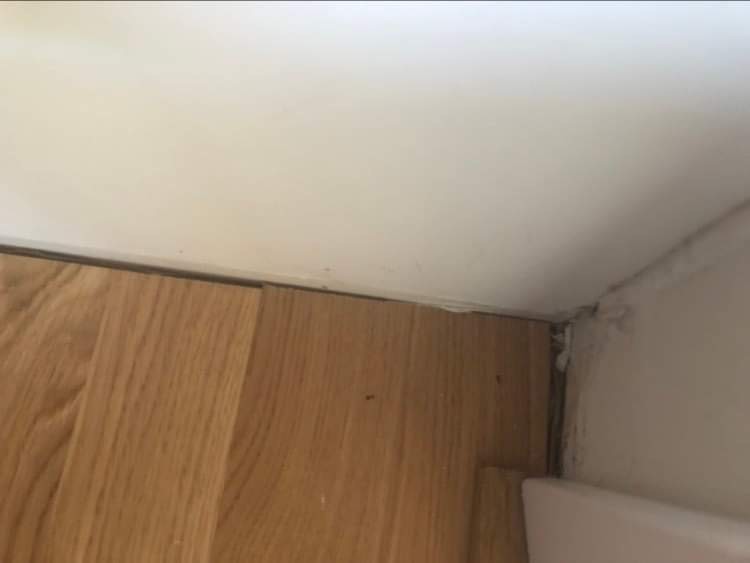
You should have 10mm of clearance between the floor and all fixed surfaces. This is especially important if the floor was installed now in winter when the humidity is at its lowest, as it is likely to expand during late summer/autumn.
Oh my God. I don't think this was particularly good. As usual with threads like these, one wonders about the term "craftsman." It's a rather broad concept, and I perceive it as including everyone who has held a hammer all the way up to Paul Sellers. Or worn pants with material pockets.
Based on the pictures, I guess you didn't have a carpenter with you. By carpenter, I mean someone who performs carpentry with a bit of passion. The reason I use the word passion is because I think it's a key component in craftsmanship. There must be some percentage of passion to have the drive to want to do it well.
From what you list and show with pictures, it doesn't indicate a desire to do it well.
I'm curious about your craftsman! And as you've already noted, all of your points need addressing.
Based on the pictures, I guess you didn't have a carpenter with you. By carpenter, I mean someone who performs carpentry with a bit of passion. The reason I use the word passion is because I think it's a key component in craftsmanship. There must be some percentage of passion to have the drive to want to do it well.
From what you list and show with pictures, it doesn't indicate a desire to do it well.
I'm curious about your craftsman! And as you've already noted, all of your points need addressing.
Thanks for the reply! The floor was laid in the fall, almost 1.5 years ago. What's happening now is leftover work, fixing of carelessness. I read somewhere that the distance between the floor and wall should be determined based on the size of the floor area, not sure what's correct, but anyway it should still be the same distance on a continuous stretch I think.