
3,033 views ·
14 replies
3k views
14 replies
Can reinforcement really be missing in the intermediate floor?
Hello!
We have just moved into a split-level house from 1965 and have started updating the building, as very little has been done since the year it was built. The house is a brick building founded on rock and has a concrete intermediate floor. We have the building description from the architect that states the concrete should be reinforced. The load-bearing wall is the bathroom wall facing the corridor.
The builders have now demolished the bathroom on the upper floor and, in addition to discovering a massive old moisture damage, have also noted that it might lack reinforcement in the concrete. Could this really be the case? There are no signs of cracks anywhere in the house, but the chipping work has been stopped. It has been very tough to chip, so the concrete seems to be good. It's not a very old house, so it seems very strange that they wouldn't have reinforced an intermediate floor.
What do you think forum?
We have just moved into a split-level house from 1965 and have started updating the building, as very little has been done since the year it was built. The house is a brick building founded on rock and has a concrete intermediate floor. We have the building description from the architect that states the concrete should be reinforced. The load-bearing wall is the bathroom wall facing the corridor.
The builders have now demolished the bathroom on the upper floor and, in addition to discovering a massive old moisture damage, have also noted that it might lack reinforcement in the concrete. Could this really be the case? There are no signs of cracks anywhere in the house, but the chipping work has been stopped. It has been very tough to chip, so the concrete seems to be good. It's not a very old house, so it seems very strange that they wouldn't have reinforced an intermediate floor.
What do you think forum?
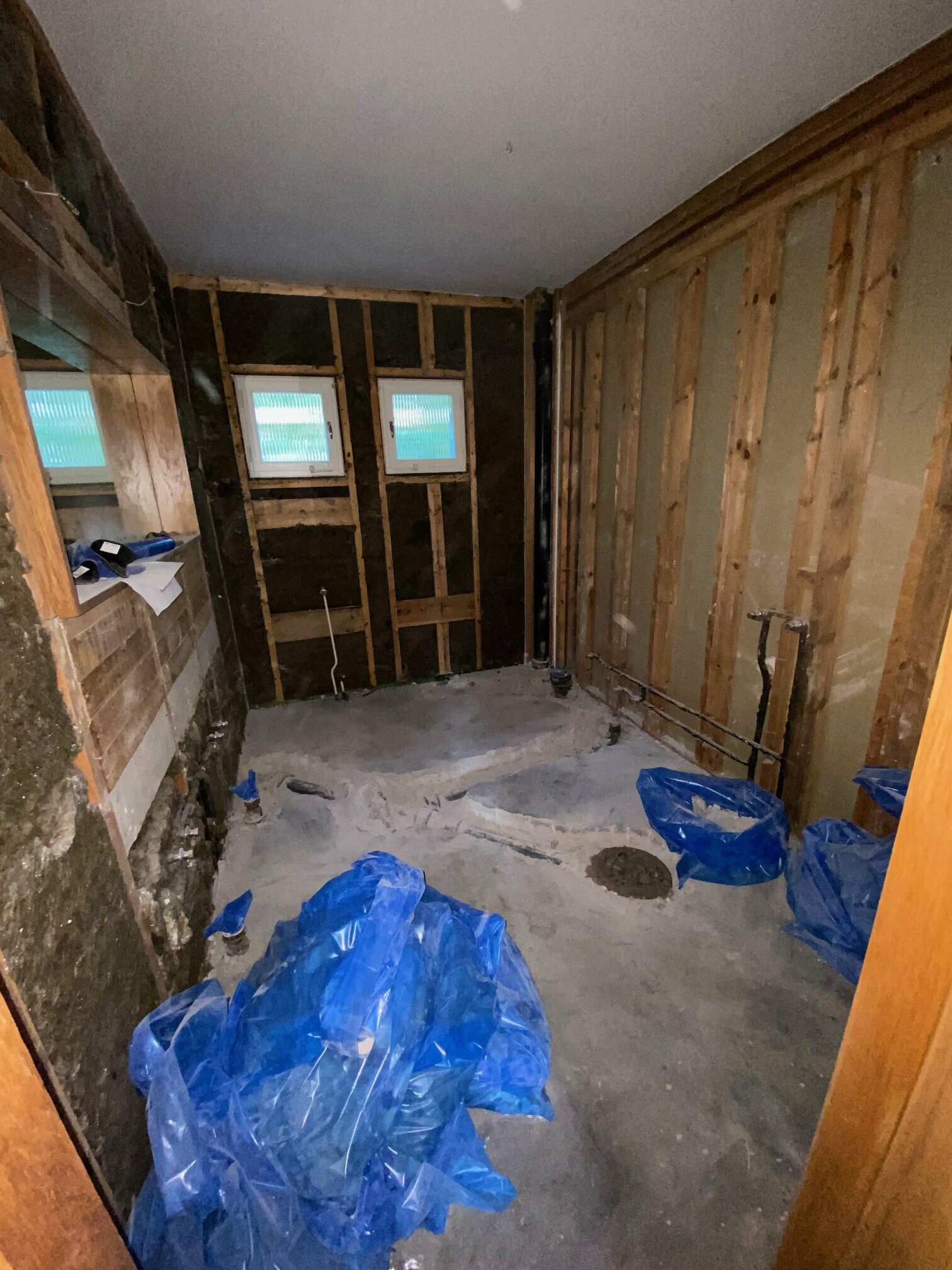
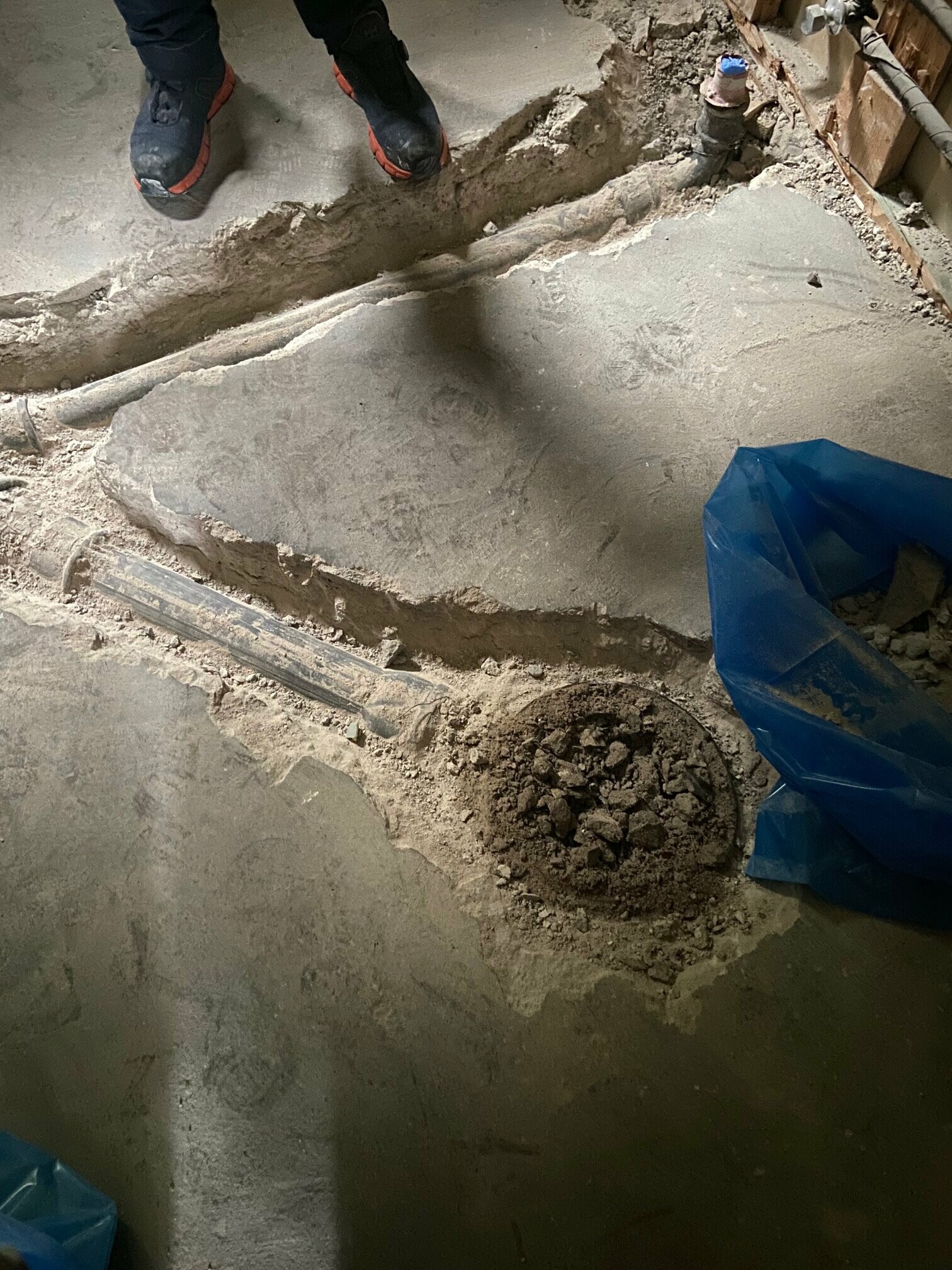

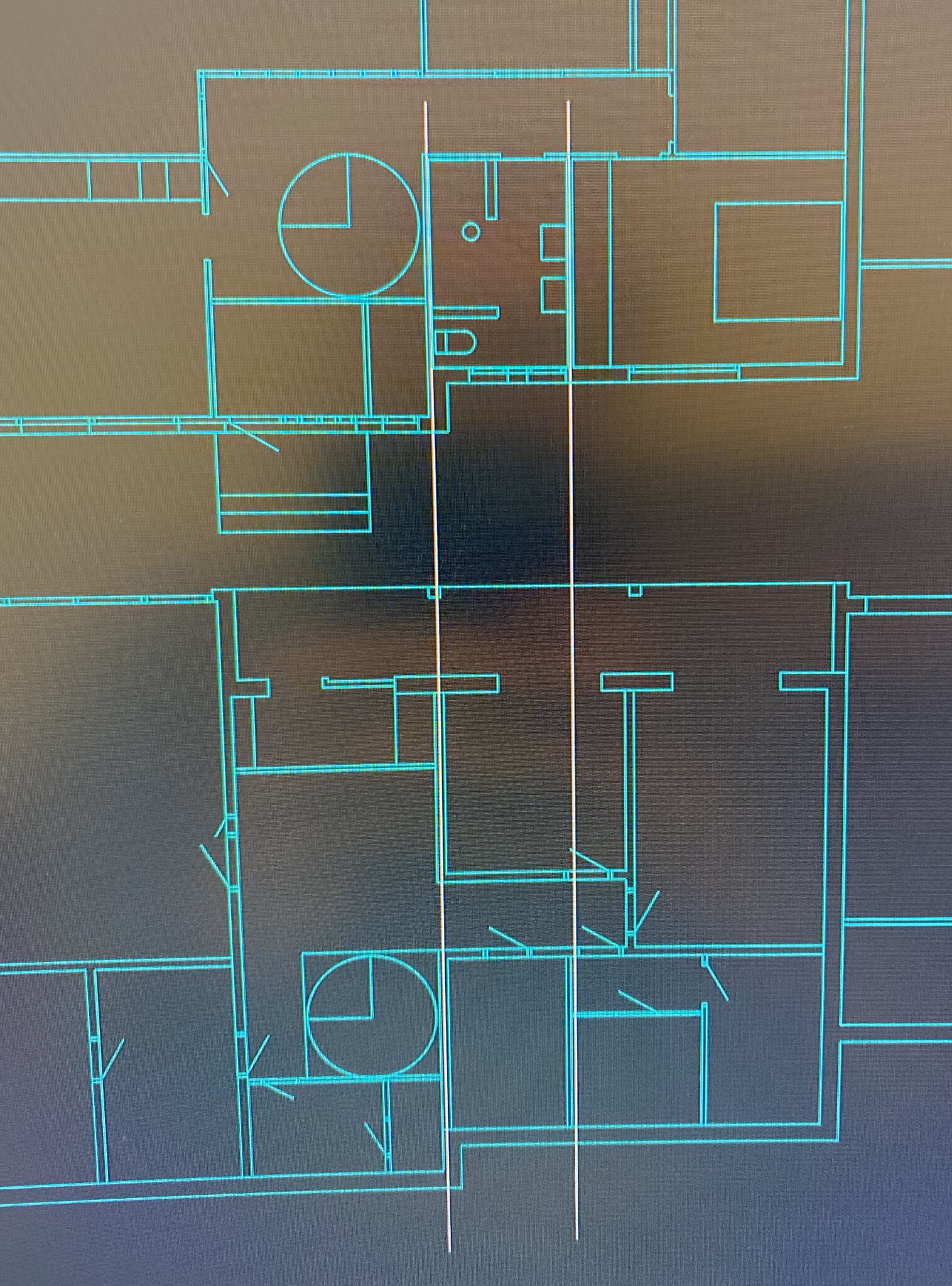
If it were completely unreinforced, it would have already collapsed, but it might have too little reinforcement if things go wrong. There are no limits to the craziness you can find in 60s reinforcements if you have maximum bad luck.
In the intermediate floor slab, it is possible that all the reinforcement is concentrated at the bottom edge. Indeed, it is common that there is also some reinforcement visible when chipping like this, but completely avoiding encountering reinforcement is not entirely shocking given what you show they have chipped away. From a structural strength perspective, the bottom edge reinforcement is critical in a construction like this.
Would it then be appropriate to support the structure from below?M myrstack said:In the intermediate floor slab, it is possible that all the reinforcement is concentrated at the bottom edge. Admittedly, it is most common for there also to be some reinforcement visible when breaking like this, but completely avoiding hitting reinforcement is not entirely shocking given what you show they've broken up. From a structural strength perspective, the bottom edge reinforcement is critical in a construction like this.

As mentioned, there must be some reinforcement. Otherwise, it would have collapsed when they removed the casting mold.
Indeed, we have a retaining wall for the garage driveway that turned out to be completely unreinforced, from 1976. But it was also cracked. We've now scrapped the garage and filled in the driveway, but about 60 cm of the wall is still part of the basement staircase we've built there instead. We've considered digging next to the wall and casting a new reinforced wall that can stabilize the cracked one, and then plastering over the cracks. The wall is a combination of cast and built from natural stone.
Indeed, we have a retaining wall for the garage driveway that turned out to be completely unreinforced, from 1976. But it was also cracked. We've now scrapped the garage and filled in the driveway, but about 60 cm of the wall is still part of the basement staircase we've built there instead. We've considered digging next to the wall and casting a new reinforced wall that can stabilize the cracked one, and then plastering over the cracks. The wall is a combination of cast and built from natural stone.
Member
· Västernorrland
· 12 077 posts
The interesting thing is really how thick the floor slab is, as that, if anything, gives indications of the situation. If it's only 1dm, then there isn't much room if there are pipes and other things there. If it's thicker, then they could have reinforcement at the bottom as mentioned and then pipes tied on top of that. Then they cast.
Since you asked:
I believe all reinforcement is 3.5cm from the bottom edge.
I believe all reinforcement is 3.5cm from the bottom edge.
Always exciting with houses!H hempularen said:As mentioned, there must be some reinforcement. Otherwise, it would have collapsed when they removed the casting mold.
We actually have a retaining wall for the garage driveway that turned out to be completely unreinforced, from 1976. But it was also cracked. Now we have skipped the garage and filled in the driveway, but about 60 cm of the wall is still part of the basement staircase we have built there instead. Have considered digging next to the wall and casting a new reinforced wall that can stabilize the cracked one, and then plaster over the cracks. The wall is a combination of cast and natural stone masonry.
Sometimes there can be a fine layer on top of the vault, which they have made cases with, that is between 5-10cm and is not reinforced. Then comes the vault, and there the reinforcement is surely closer to the bottom than the top, to achieve maximum strength in the vault.
Shouldn't it be possible to find the rebar with a metal detector? I bought a cheap one at Jula to find the property boundaries at our newly purchased vacation home.
I have been working in a couple of old apartment buildings where the usual reinforcement was missing in the vaults. The vaults were made with railway tracks spaced one meter apart, with concrete in between and over the tracks, and no reinforcement bars, which created some problems if one was to make holes in the vaults.

I think you can see in the pictures that there is a slip joint on top. Then construction concrete.
Click here to reply