
8,491 views ·
9 replies
8k views
9 replies
Can Fogkum work for a drywall like that?
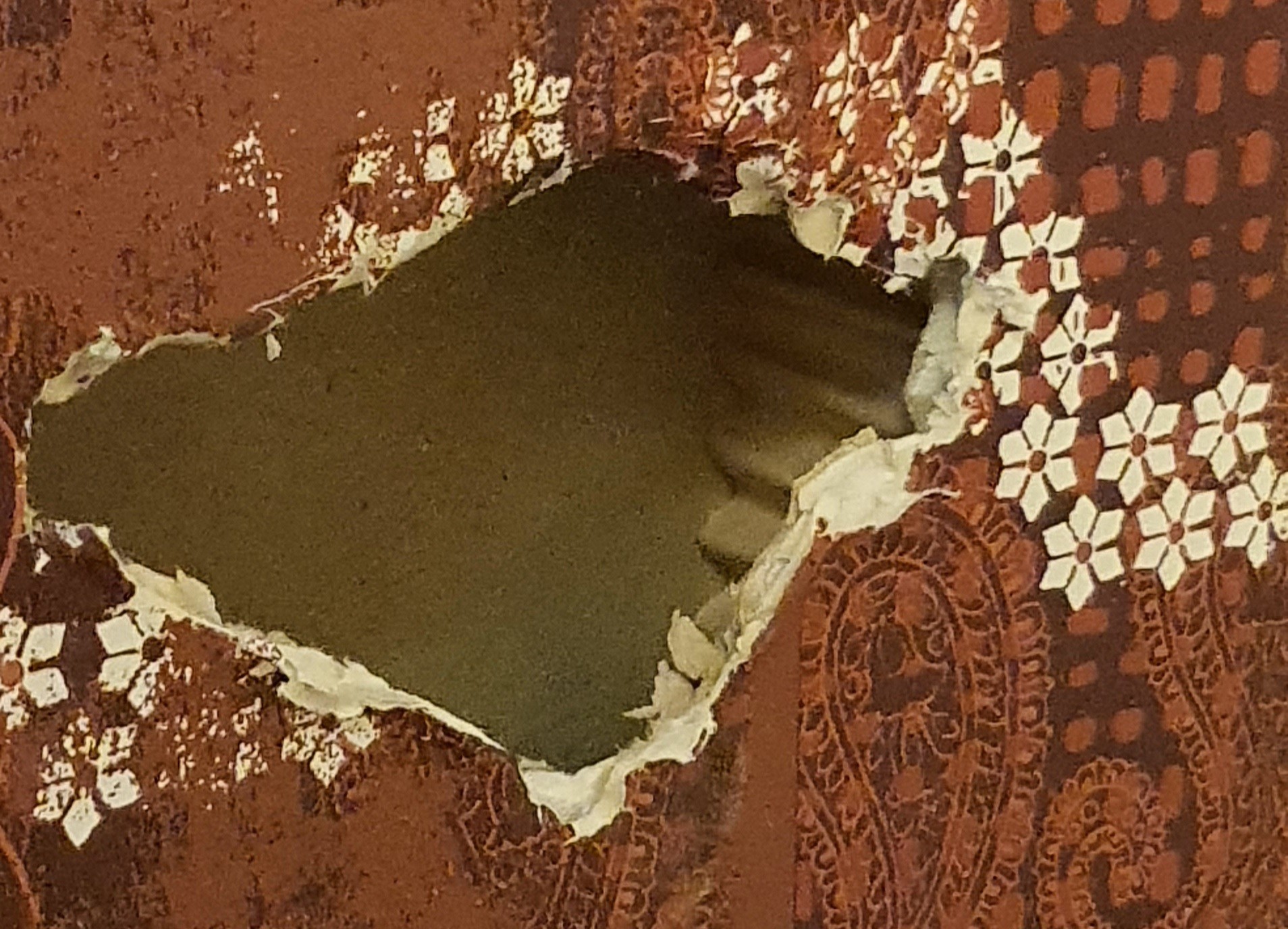
Works like a charm!
Is it an interior wall? I would cut a piece of OBF or other board material, maneuver it so that it ends up behind the existing drywall and either glue it with hot glue or fasten it with drywall screws. Then fill it with plaster or something else that can be built up to 12mm. Lastly, apply a layer of regular wall filler when the entire surface is to be filled.
Foam sealant isn't very good to work with, it swells uncontrollably and is difficult to remove from surfaces where you don't want it.
Foam sealant isn't very good to work with, it swells uncontrollably and is difficult to remove from surfaces where you don't want it.

richardtenggren
Ingen-gör
· Norrlandet
· 6 615 posts
richardtenggren
Ingen-gör
- Norrlandet
- 6,615 posts
I think this approach looks smooth;
https://www.instagram.com/p/CEDTbz7nzym/?igshid=9sf06jm3tpfk
https://www.instagram.com/p/CEDTbz7nzym/?igshid=9sf06jm3tpfk
richardtenggren
Ingen-gör
· Norrlandet
· 6 615 posts
richardtenggren
Ingen-gör
- Norrlandet
- 6,615 posts
I don't know, but I think that seam strips are fastened only with filler, and they seem to hold well enough to fulfill their function.A anis16 said:
The gypsum board itself can be seen as a sandwich construction where the paper is strong in the plane of the board, so there's no difference here, other than that it's now relying on the filler attachment and there's a local weakening perpendicular to the board. But those are just my thoughts

Here's how to do it: Cut the hole so it's square, screw in plywood pieces or similar - they are attached to the drywall. Cut a drywall piece that is screwed into the plywood.M Naveen Menon said:

Click here to reply