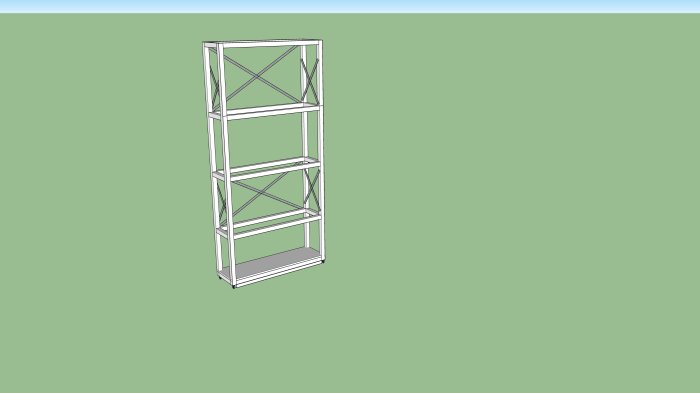
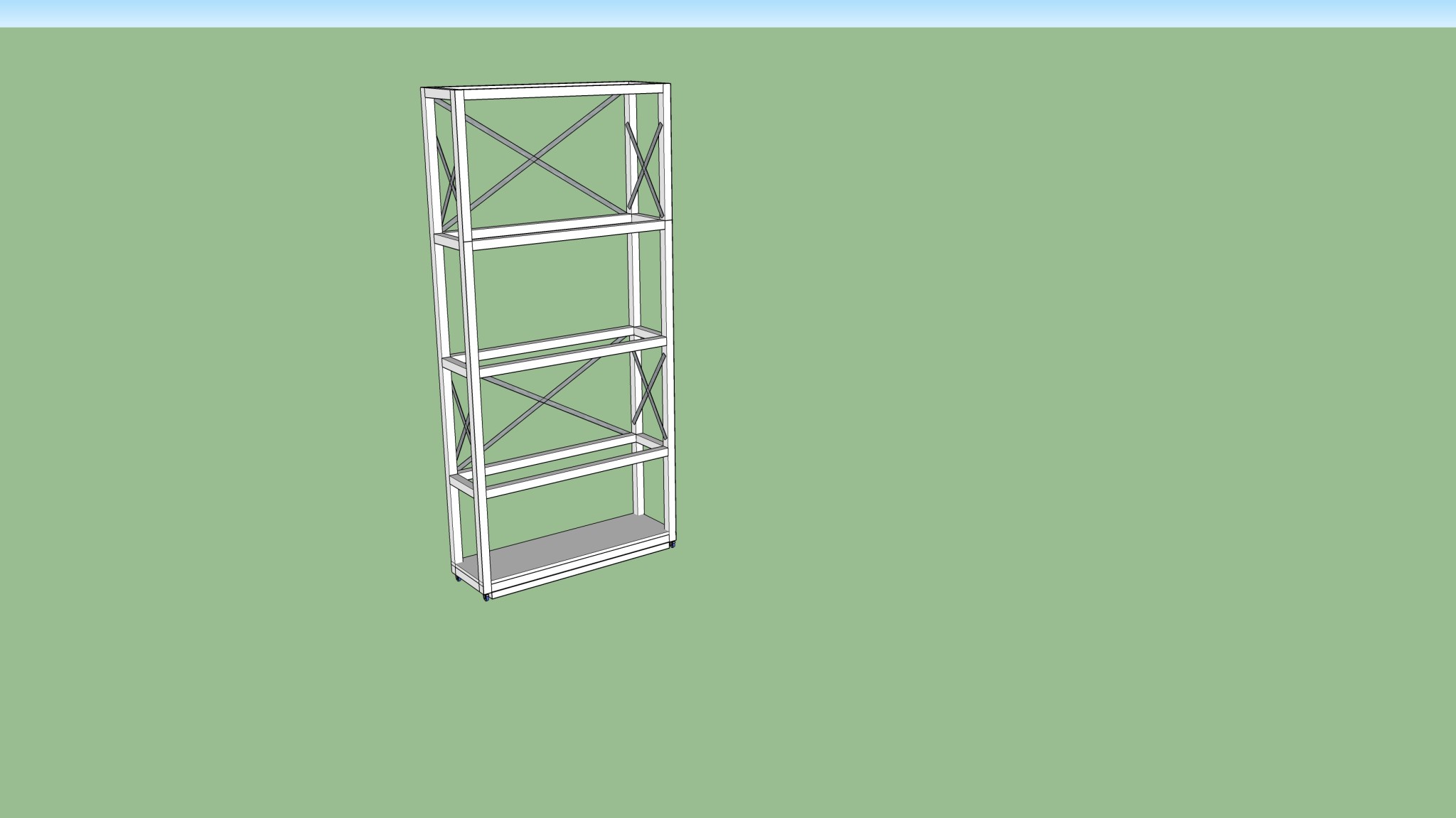
Or this idea:
Without MDF boards in the middle. Then I save another 10 kg. I stack the insulation boards on top of each other on the bottom plate. The ones at the front and back are clamped in the frame compartment, the ones in the middle are stacked on top of each other, on their side. Could it work? I know the insulation should not be compressed, as it changes the airflow resistance. Is there a risk of this when they are standing on their side on each other, that the ones at the bottom get compressed? And do I need to cross each compartment or is one enough?
Hi!
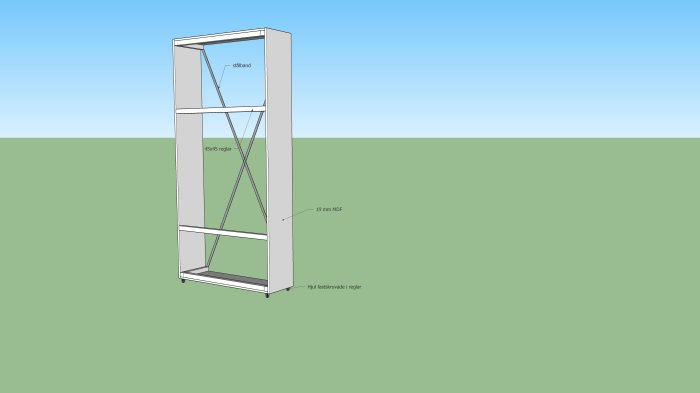
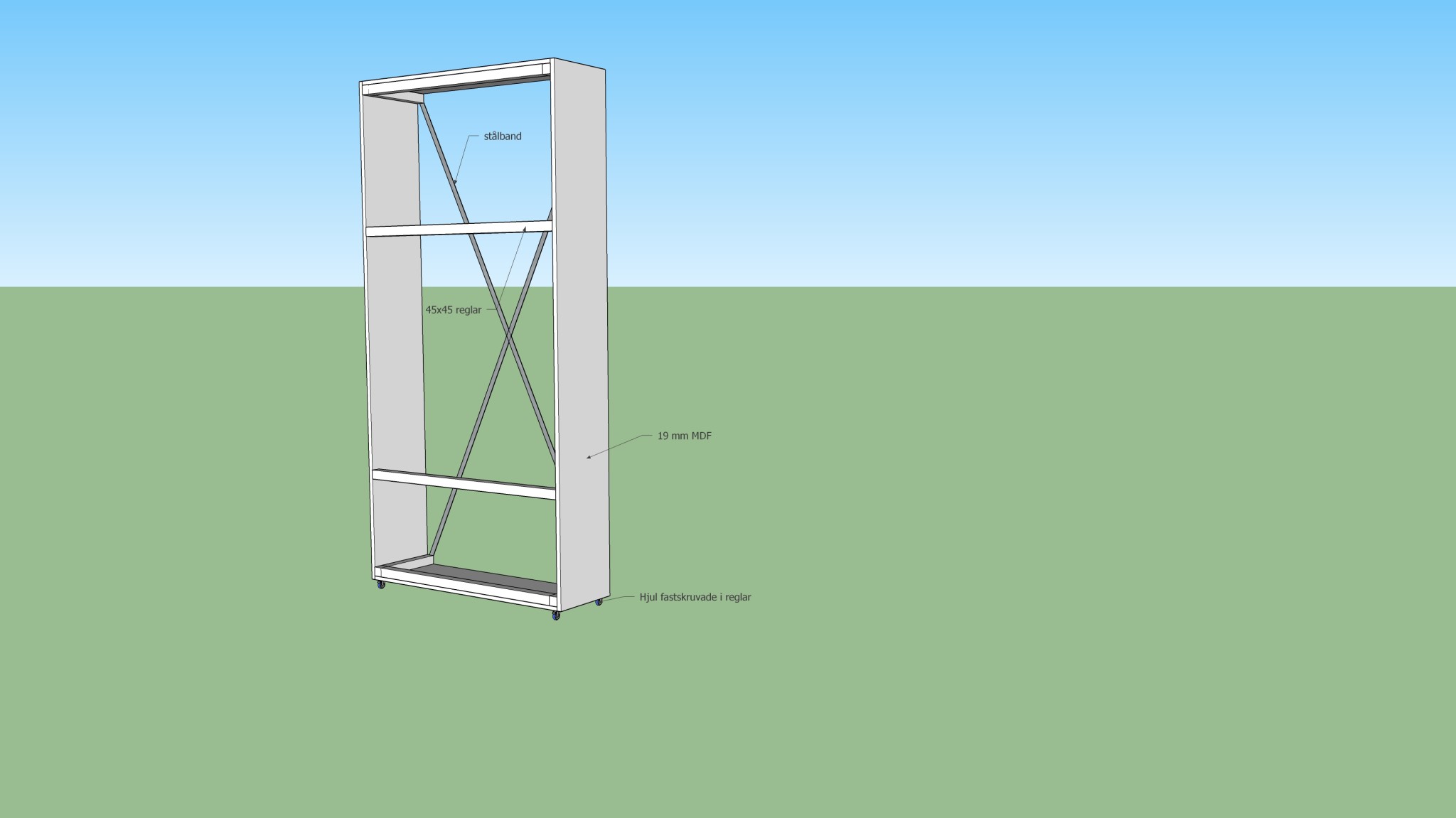
As it looks now, the construction will start on Saturday. My dad will come up with a trailer and help me purchase everything and start building. Dad suggested a completely different design, what do you think about this? The cross joists are where we fasten the slats. We attach the MDF boards to the 45x45 joists at the corners.
It would be great to get a comment. We will finalize this design unless you have any suggestions. Will it hold up? Will it work?
That's great that it's holding up! I have some different options for the wheels, I'm at work now, will link when I get home.
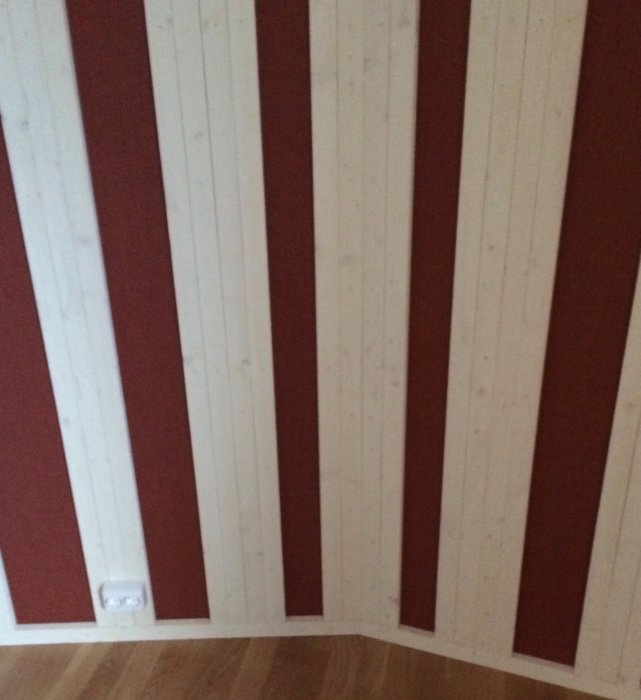
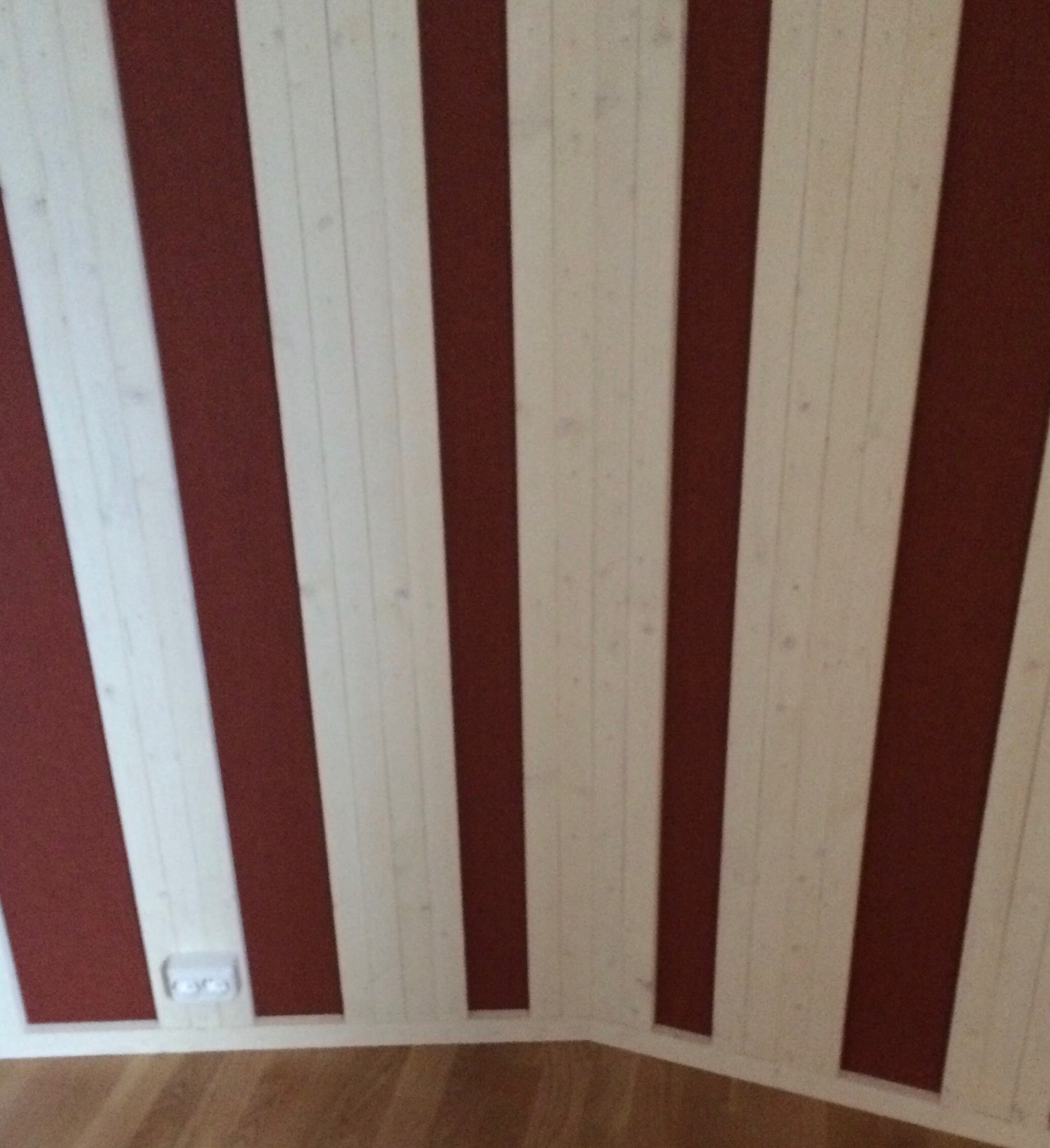
Quick question, the columns on the front are of variable width. Three different widths, 240mm, 145mm, and 70mm, in a mathematically calculated sequence. According to the acoustician, the thickness of the columns is not important from an acoustic standpoint, but purely from a construction perspective, he thought that too thin columns might risk buckling from the insulation.
I would like the columns to be as thin as possible to make the construction as light as possible. How thin can I go? Would 6mm MDF work? Or how thin can I go?
Would appreciate a quick response as I'm in contact with a sawmill that will cut the columns for me and they need to know as soon as possible!
It is called "slats" with a binary number series and its thickness indeed does not matter. Since the insulation must not be compressed, the thickness of the panel is not critical. Be careful when cutting the insulation so the fabric does not warp. Also cover the backside with fabric.
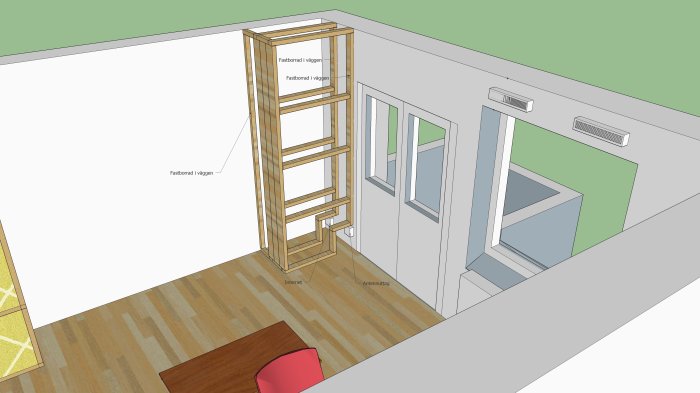
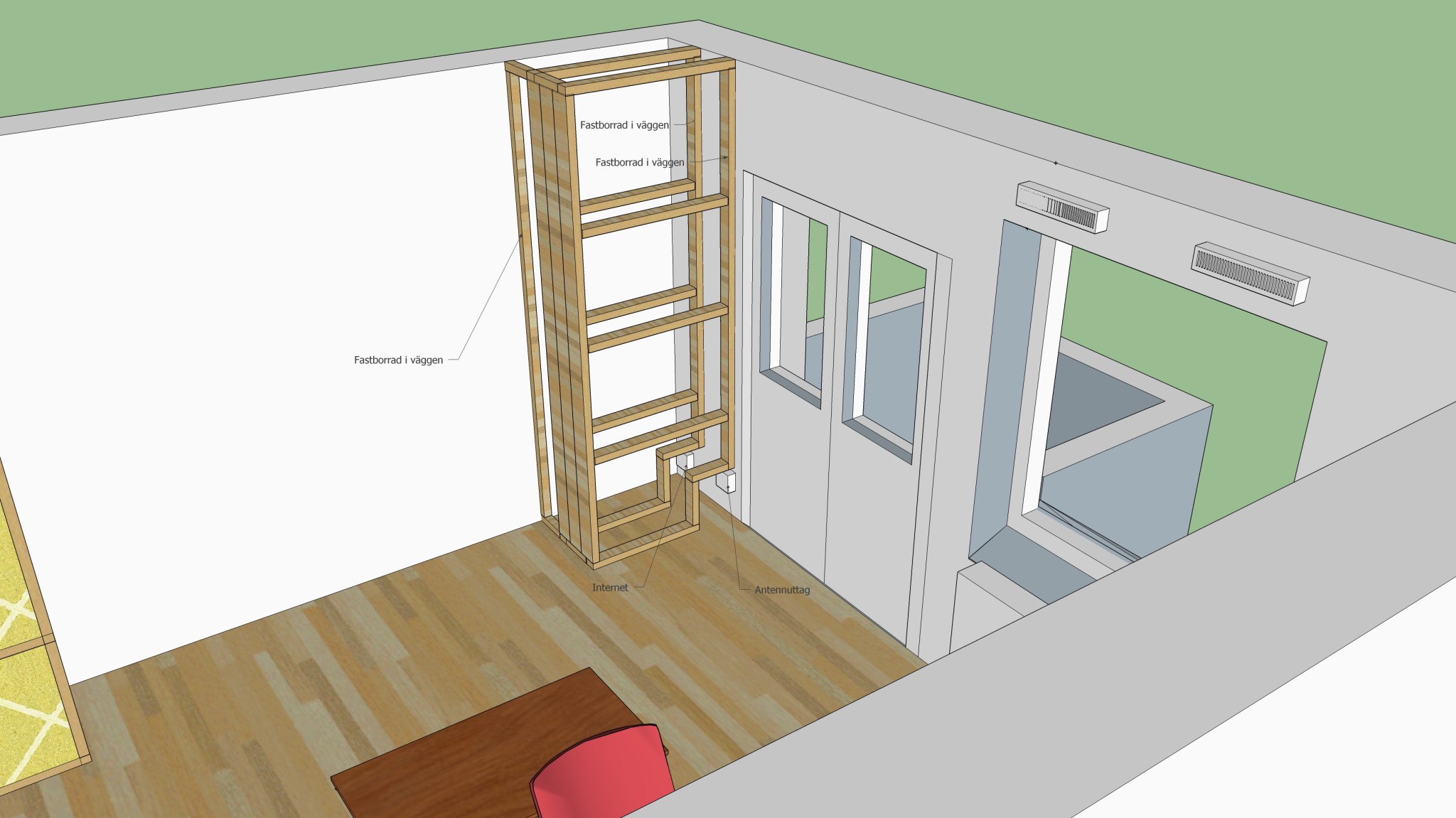
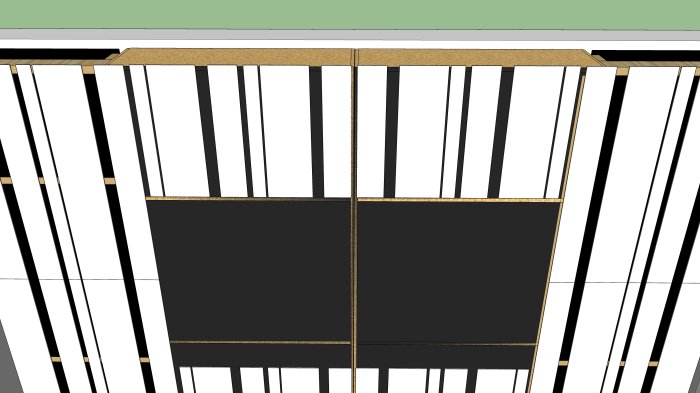
One more question. I'm constructing the corners. How do I prevent the insulation from falling backwards? In other words, how do I hold it in place on the backside? Can I install another frame 24 cm out from the wall? Like in this picture:
Or is there another way to solve this?
/Jens
Okay thanks, but can I manage with one framework? Or do I need two like in the picture? Can I skip the rear one and attach chicken wire/mason's twine to the front framework and sort of make it U-shaped?
How do I attach mason's twine by the way? With staples?
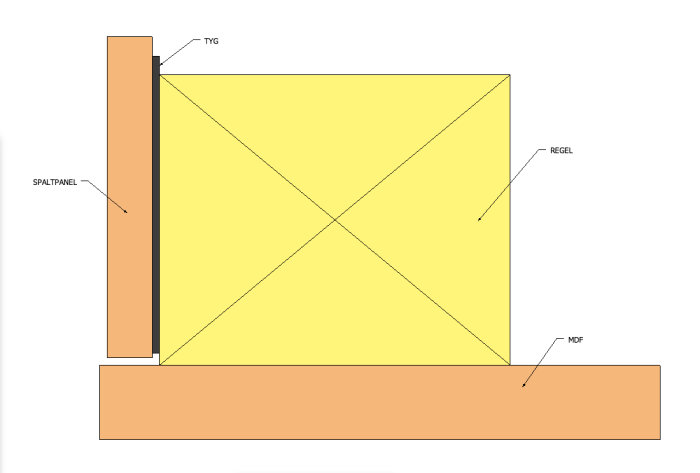
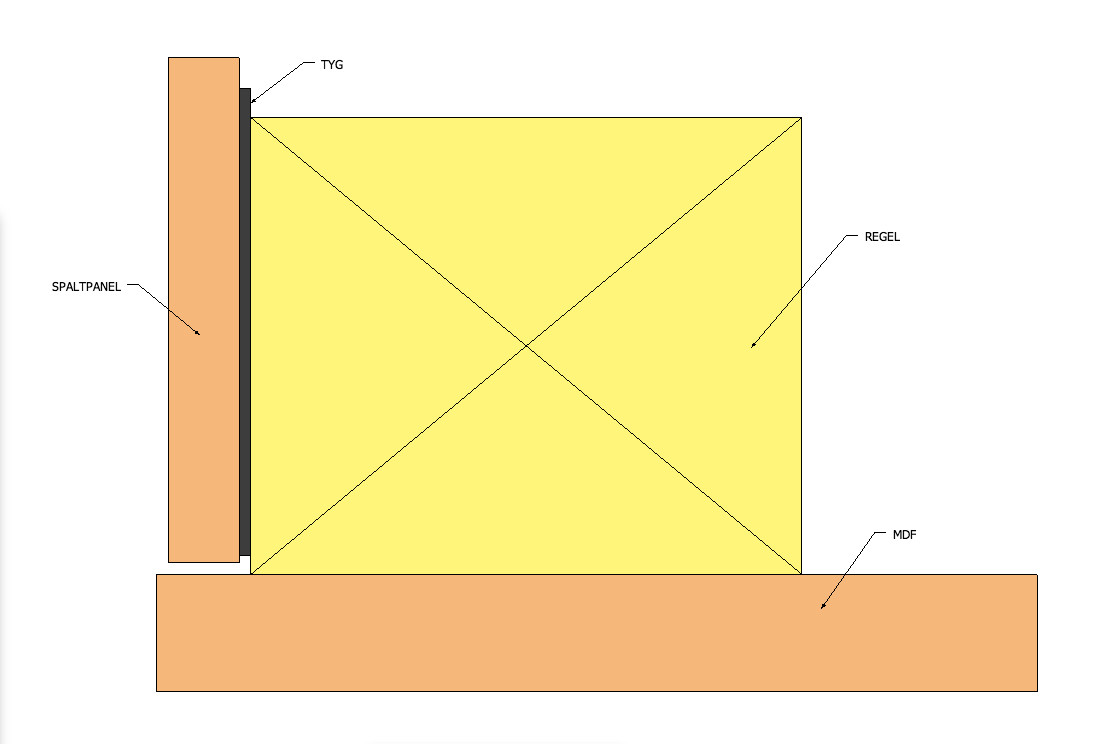
As I wrote earlier, the suitable construction depends on how you want the design to look. Made a simple concept sketch of how I think you should do it. List around with the same thickness as the paneling so it gets a hidden and neat finish on the fabric. Staple the fabric to the studs. Be careful not to staple where the fabric isn't hidden by any panel. You should be able to blow through the fabric.
Yes, it works if you don't fasten closer than 20 mm from an end. However, it doesn't look very nice to do it this way. I was thinking since it will be in a living space. For the function, it doesn't matter.
But if I make sure the panels cover the staples, then it shouldn't be visible. Right?
Although in the middle, there are no panels so the staples will show whether I staple in the rule or the MDF. Do you have any ideas on how I can solve that?
Do as I explained earlier, i.e., frame around with the same thickness as the panels. Imagine that you have a kind of base both at the top and bottom and between these, you fasten the panel. The same goes for the sides. This way, all fastening is hidden and there is a neat finish on the fabric.
Aha, now I understand, you mean a list 6 mm thick, 19 mm wide type. That solves it in a nice way!
One more small question. After I've created the wall in SketchUp, I see how nice it looks with white slats. I've read about painting MDF and it seems a bit tricky with sandpaper and multiple layers. I'm considering sending them to a painter if it doesn't get too expensive.
I'm thinking about the thickness, can you paint 6 mm MDF? Or will there be anything left after painting and sanding several times? Should I go up in thickness if I want to paint them?
Ps. Really nice of you to answer my questions. The building definitely starts this weekend, and there are more and more questions as I plan!
*edited*
Or wait, I read your answer again and reacted to a sentence. Do you fasten the panel? With staples? Or do you mean nail gun? Or what’s the nicest way to attach it?