Hi!
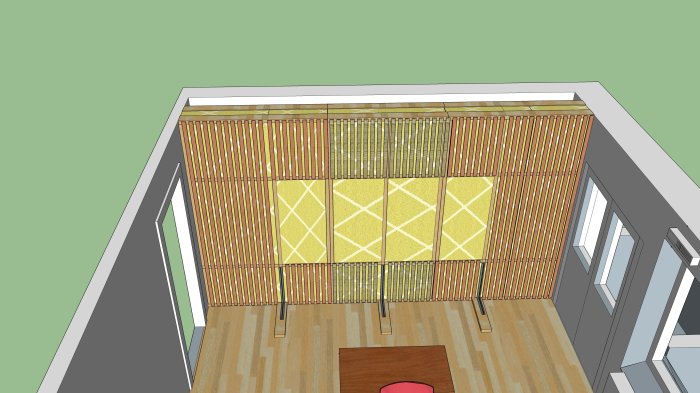
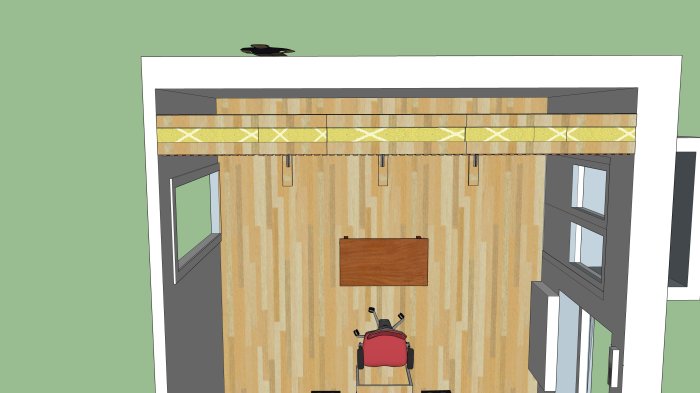
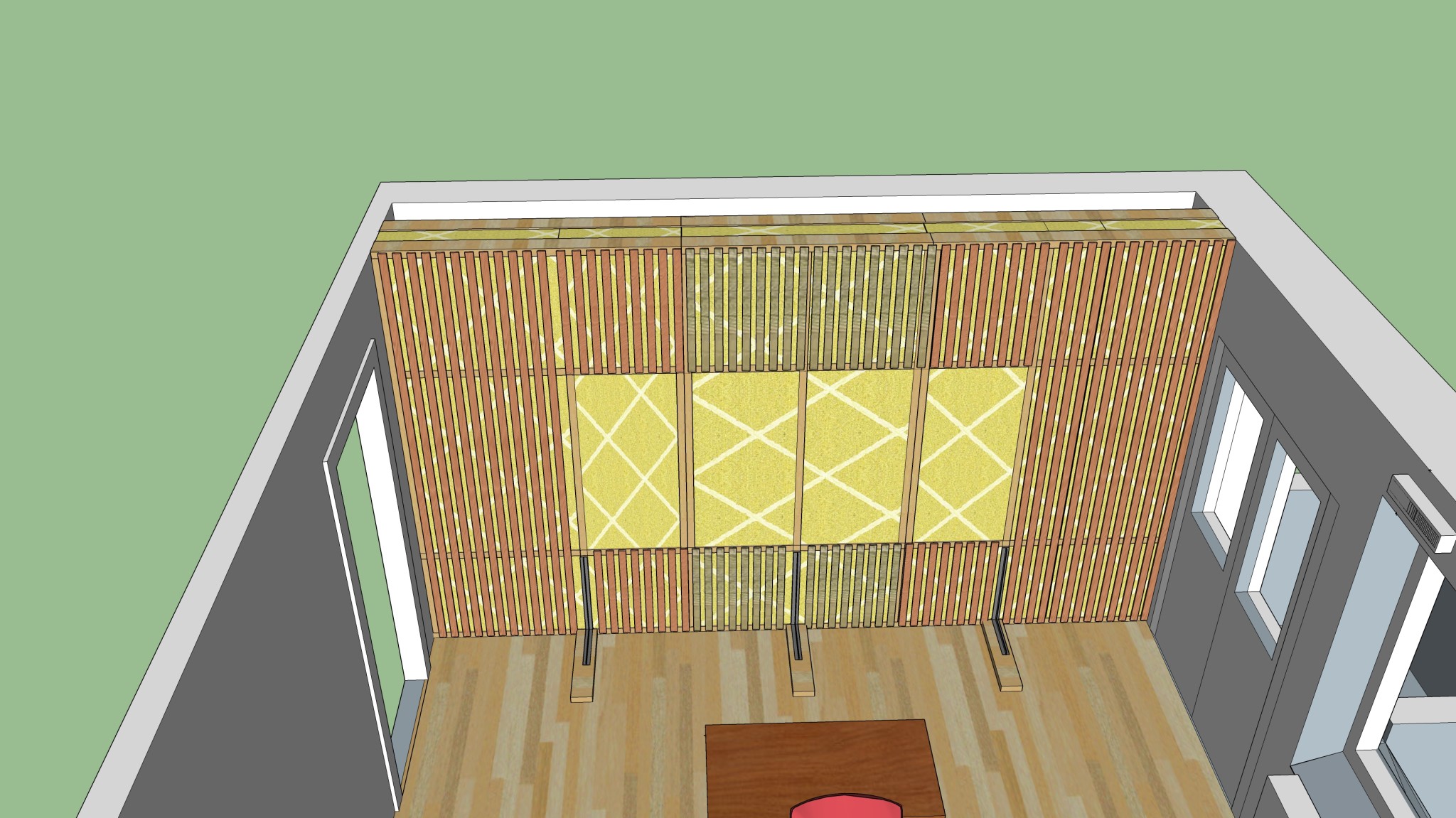
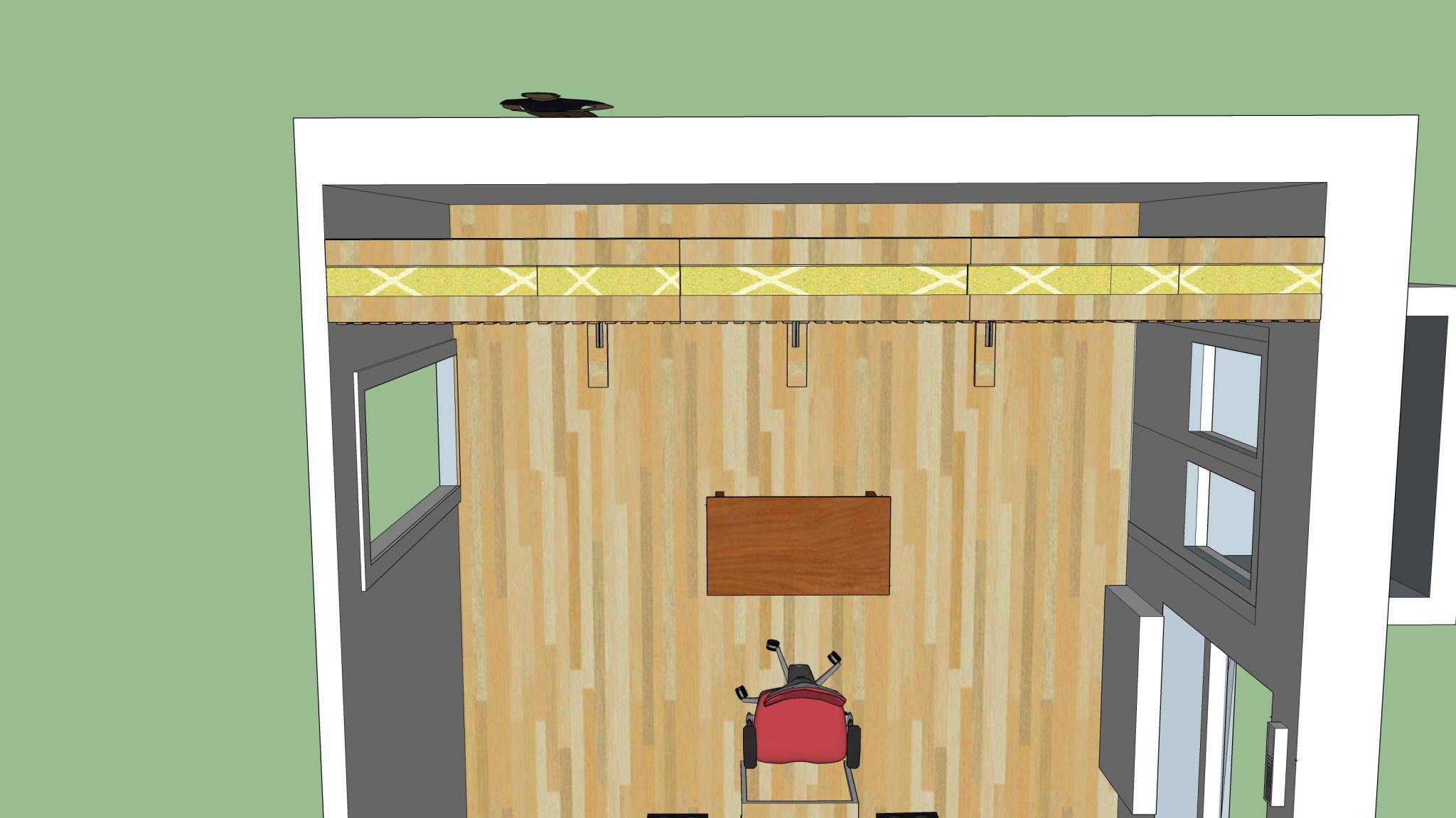
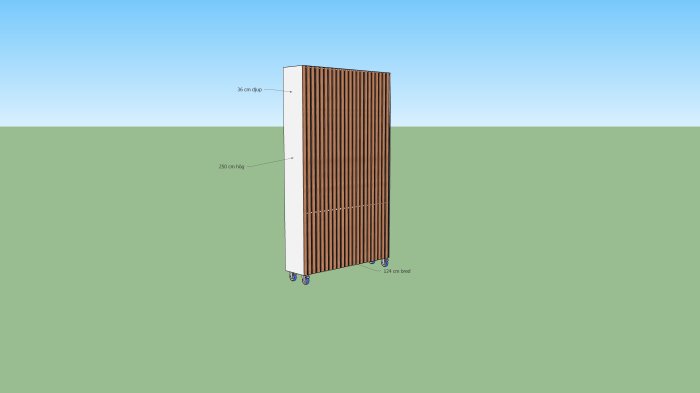
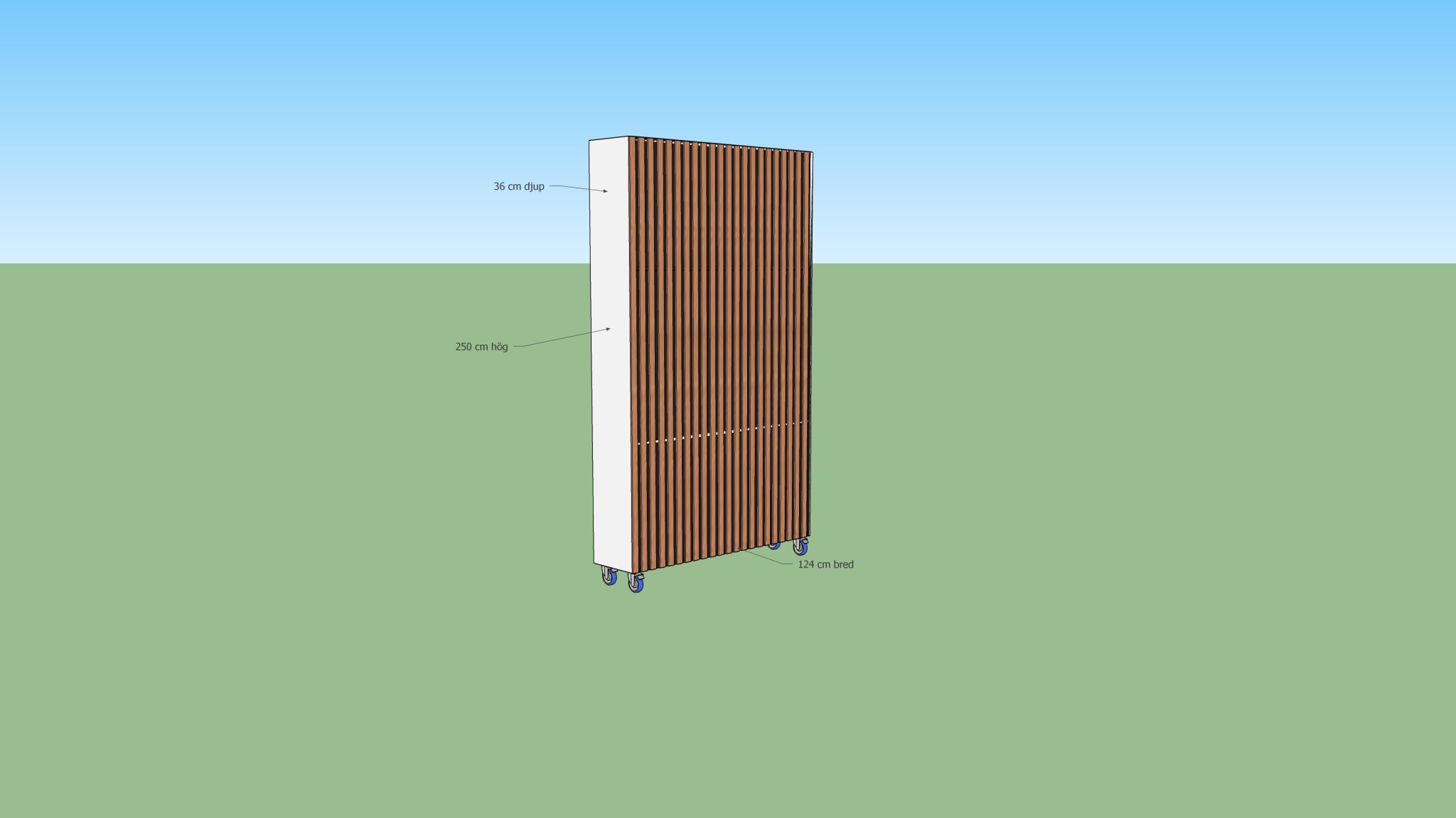
I'm working on my project to transform my living room into a music studio. According to the acoustician, the best result for the back wall should be 36 cm of rockwool + 24 cm of air with vertical slats on the front. That takes up quite a bit of the room's space, and I've been brainstorming about it and I've come up with an idea.
Would it be possible to construct the wall like this?
In three freestanding sections that are movable. Then I can slide it against the wall when I want more space. The entire construction will weigh over 200 kg. So about 55-75 kg per section, roughly. Is this a completely crazy idea or could it work? Is there something I can put underneath to prevent floor scratches? How big is the risk of it tipping over? There will be a few cm between the wall and ceiling, so I don't scratch them. My design with support feet attached with sturdy brackets is a suggestion. I'm not a carpenter, and if you have better suggestions, please let me know.
Is it possible to implement this, having a sliding wall? Or do I have to accept that I have to decide on a position and then build the wall there? My original idea was to screw the wall into the sidewalls to prevent it from tipping over. Is it possible to skip the screws and make it movable?
That cm against the wall and ceiling will leak a lot of sound, but then I don't understand where the studio will be, is it behind the wall? There will be 5 sides that are "regular" walls and how do you enter the rooms, doesn't the door on the left complicate things?
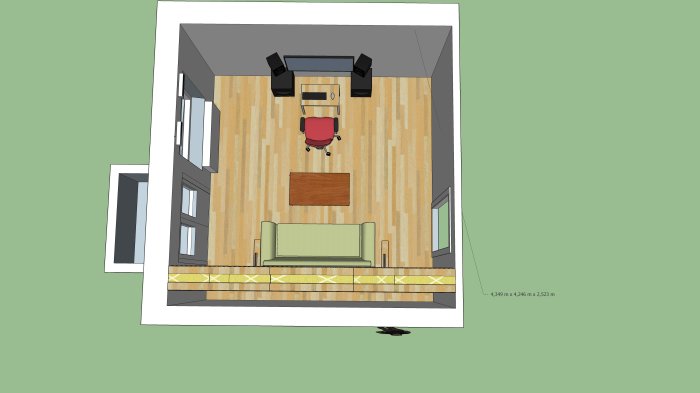
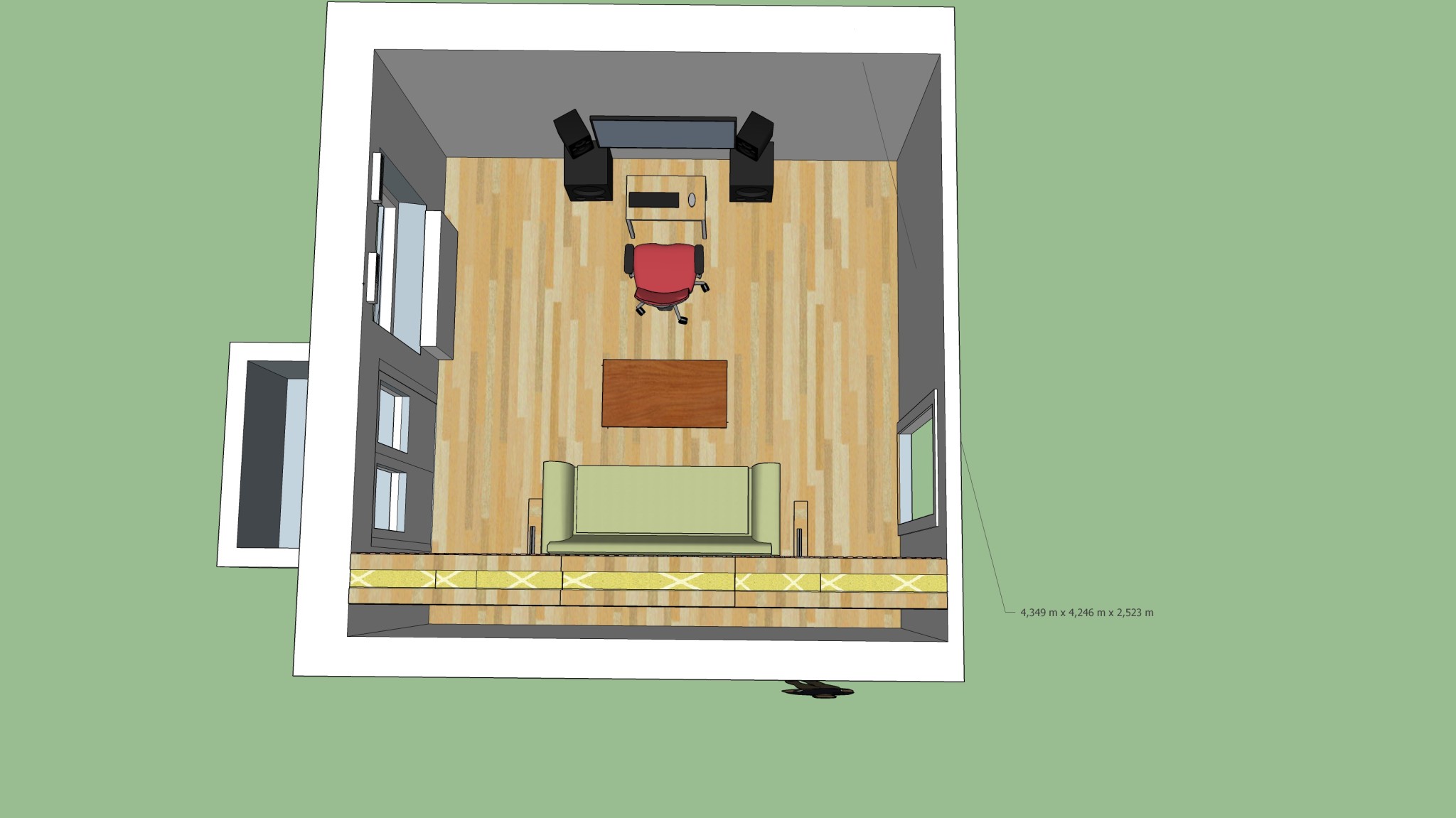
The wall is intended to absorb sound and prevent it from bouncing around inside the room. Leakage to surrounding rooms is not a problem. The studio will be in the room you see in the picture. Here is a picture of the entire room:
The door won't be a problem either as it can be opened. The question is if it's possible to construct a freestanding movable interior wall without it causing scratches on the floor and without the risk of it toppling over?
/Jens
It is absolutely possible to do so. It is called "Gobos." If you build these with a slat panel (sound-reflective) on one side and only fabric-covered on the other side (just absorption), you get the possibility of variable acoustics depending on how you turn them. Very useful if, for example, you use the room both as a recording and control room. Google gobos to see how you can make feet with wheels.
But can the floor handle it? It's four wheels per section, right? Maybe 12-20 kg per wheel at most. Is there any risk that it will scratch the floor?
I want to be able to slide the wall flush against the existing wall, so I can't have feet sticking out on that side. But it could be a compromise. The feet can stick out a little on both sides. That way, I can slide the wall in a bit. If they stick out more than 24 cm, though, it's not really an improvement.
But these will be 2.50 meters high and only 36 cm wide, excluding feet. Is there any risk of them tipping over?
Is it possible to construct them without wheels? With some kind of base underneath? Furniture pads?
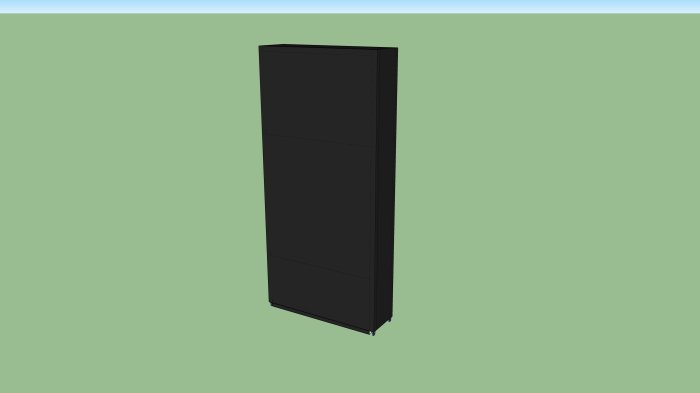
If I am going to make gobos out of MDF, how thick does the MDF need to be? I calculated that if I use 22mm thick MDF, the total weight to cover the entire wall would be 209 kg, just for the MDF. This is with this simple design. (without the slats on the front, which also weigh a bit)
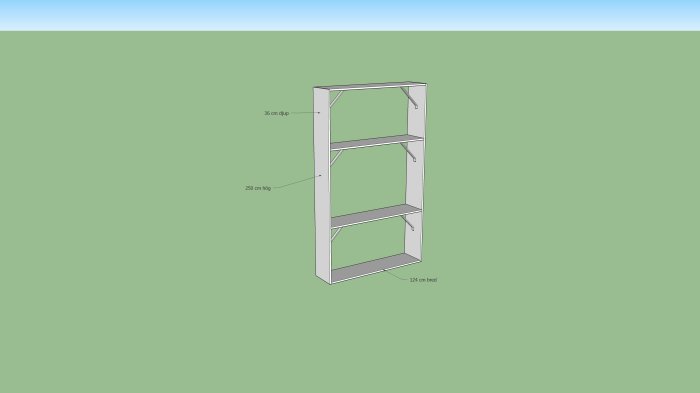
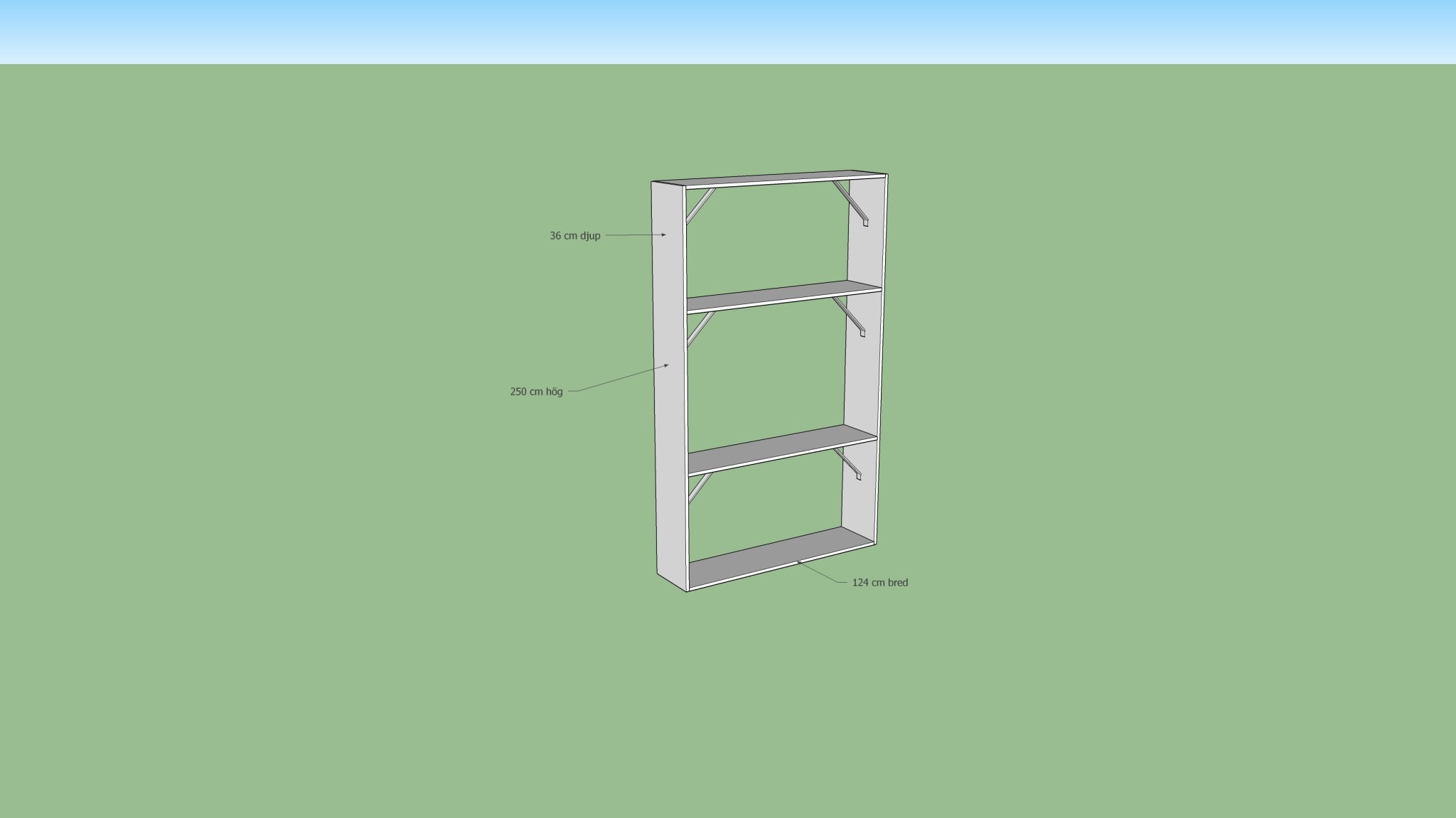
3 of these cover the entire wall.
This would be heavier compared to just using studs. If I use 12 mm MDF, the weight is 105 kg for the whole wall. That is roughly the same weight as with studs.
How thick does the MDF need to be, do you think? How thin can I get away with? 8 mm?
The wool itself will weigh 114 kg total (3.825 m3 of wool at 30kg/m3)
In total, each gobo will weigh around 80 kg with slats and wool, this with 12 mm MDF. Does this work to slide along the floor? Or will it be too heavy? With 22 mm MDF, each gobo will be 107 kg.
Or how would you construct the gobos? Would the above design work?
/Jens
Is it possible to build gobos, 250 x 124 x 36 cm with slats on one side, in a safe way that won't tip over and can be moved on the floor without causing scratches and that doesn't have feet sticking out, at least not on the back so they can be moved right up to the wall?
If yes, what material would you recommend? What thickness/size?
/Jens
To prevent them from toppling outwards, it's enough to anchor them with some ropes 24cm into the real wall. They can still tip inwards, but that might not be the end of the world? To ensure they stand steadily after being moved, I would look at load supports (used to keep cargo steady on truck beds).
Might start building this weekend. My dad suggested he come up this weekend to help. So I need to come up with a design soon! What do you think about this design with wheels?
Dad talked to a carpenter he knows, and he suggested 20 mm MDF to make it more stable. That would make the whole construction around 100 kg.
The choice of material depends on how you want it to look. For example, if you make the slat panel out of lacquered MDF, it will look best to make the end panels out of lacquered MDF. Since it's not a Helmholtz construction with a closed box volume, the thickness of the panel isn't that critical.
Since you need a support for the panels and something to fasten the fabric to, the simplest way is to make the construction out of wood, which you then cover with MDF. This way, you don't need such thick boards. Keep the sheet sizes in mind to avoid needing to splice.
The best look is achieved if the wall panel "flushes," i.e., is level with the MDF edge. Therefore, you need studs with an inset corresponding to the thickness of the panel. Keep in mind that the GS construction you linked to has two functions in one: both sound absorption and sound reduction with a board in the middle. That board stabilizes the entire construction. In your case, you won't have any board, so the panels will lock the constructions. Therefore, cross the backside under the mounting.
Thanks for the reply! It's really kind of you to help me with this, greatly appreciated!
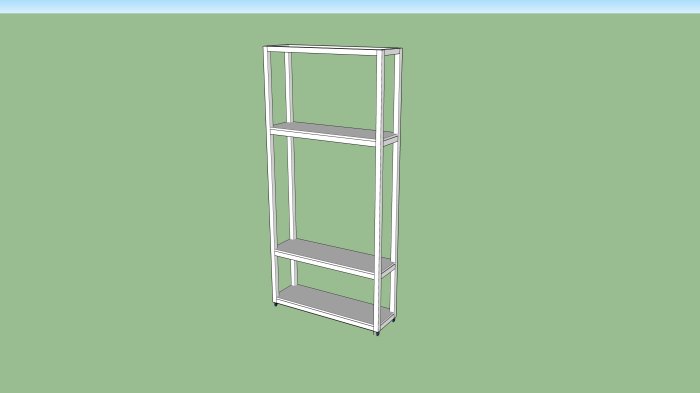
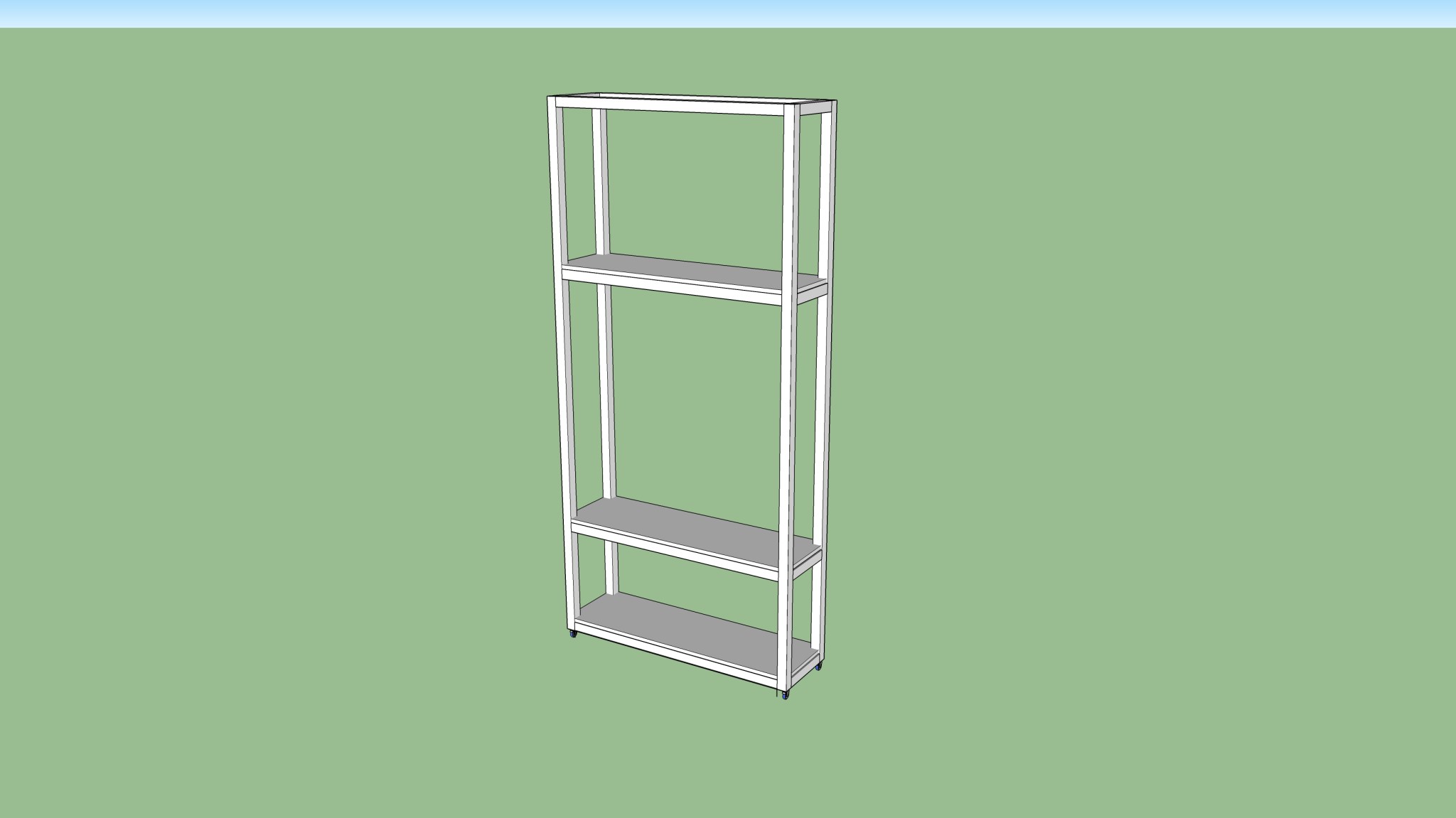
Okay, a new design. What do you think about this?
A network of studs with MDF boards only as shelves to place the insulation on. On wheels. The back is criss-crossed with this. http://www.biltema.se/sv/Bygg/Monteringsdetaljer/Ovrigt/Montageband-galvaniserat-2000017277/ The sides can be stabilized with a diagonal stud in each section, or what do you think about that?
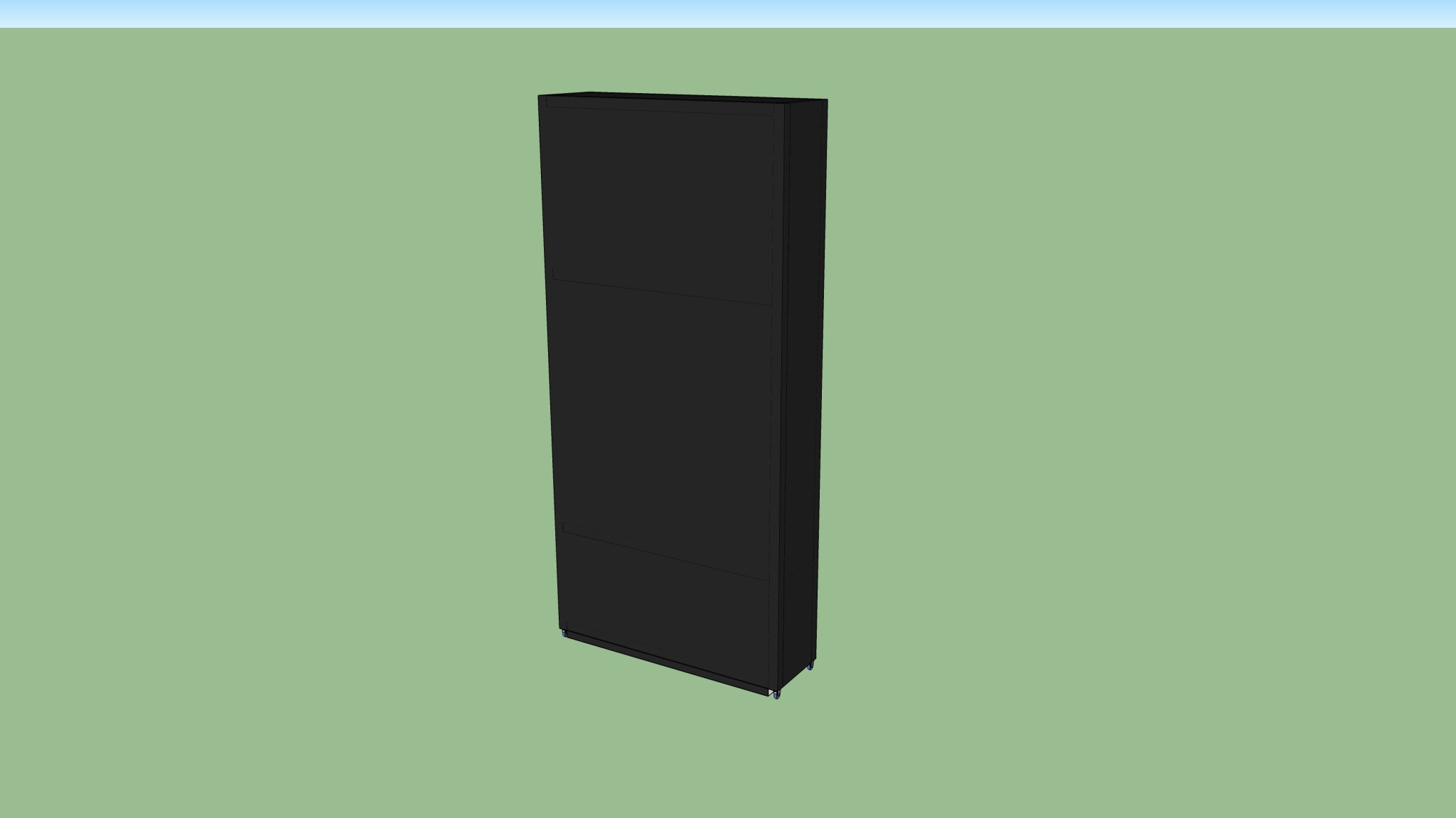
Then fabric all around.
Since only the front will be visible, I don't need MDF boards on the sides. It's enough to have shelves. This design weighs 70 kg compared to the previous version with MDF all around which weighed 100 kg.
What do you think about this?
Vi vill skicka notiser för ämnen du bevakar och händelser som berör dig.