
Hello,
When replacing the interior door in the basement, we encountered something that looks like blåbetong, this is how it looks:
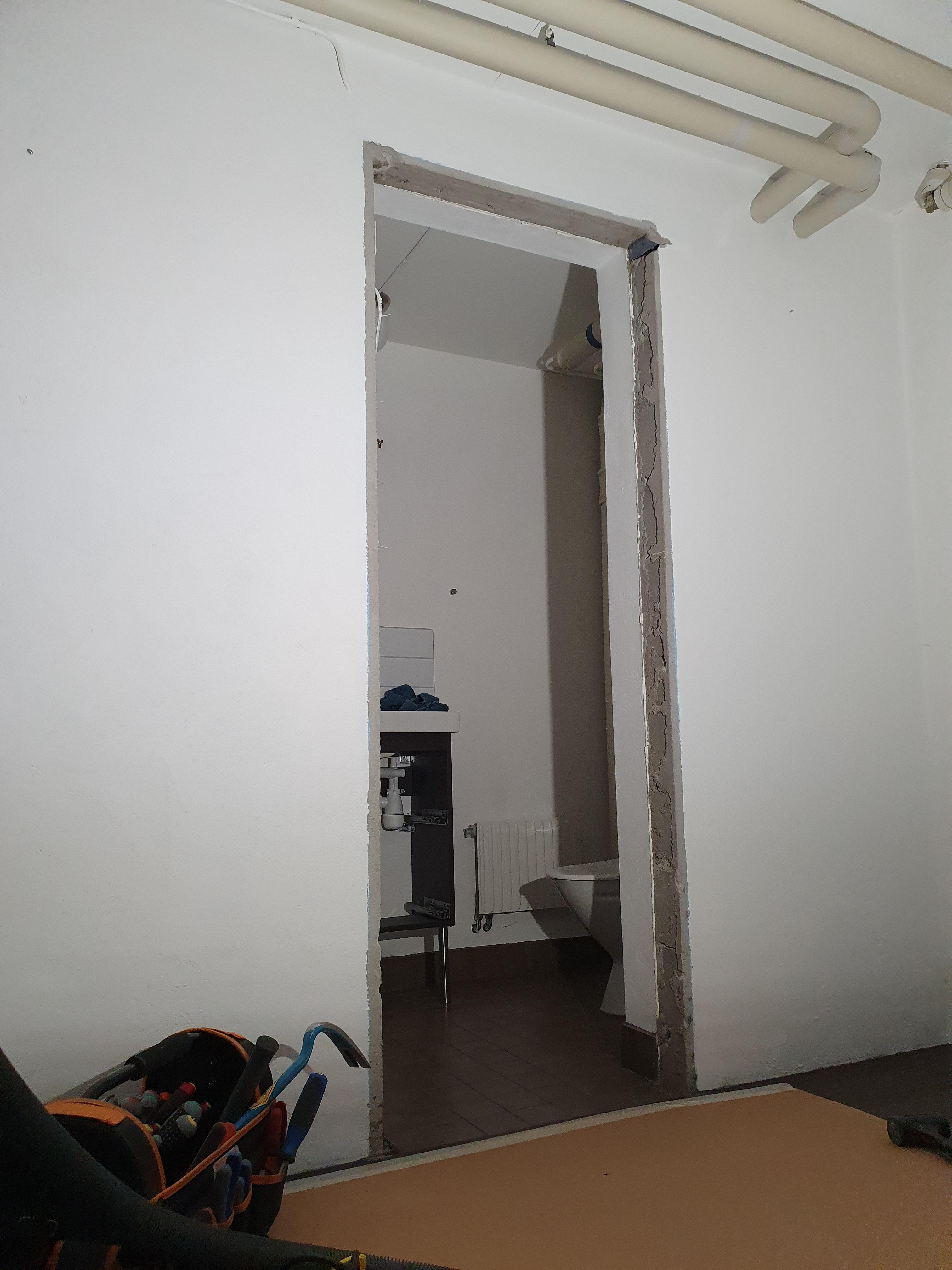
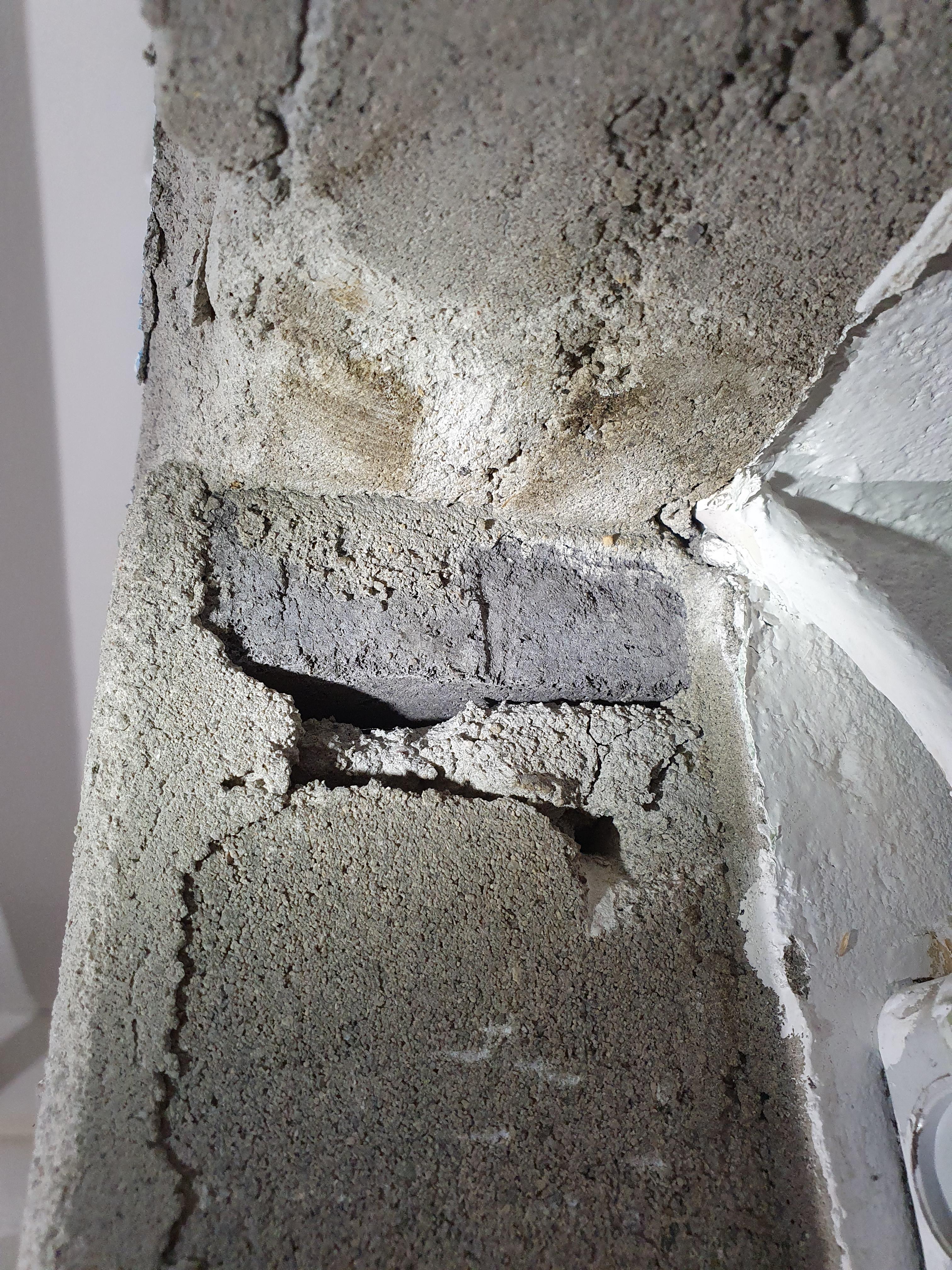
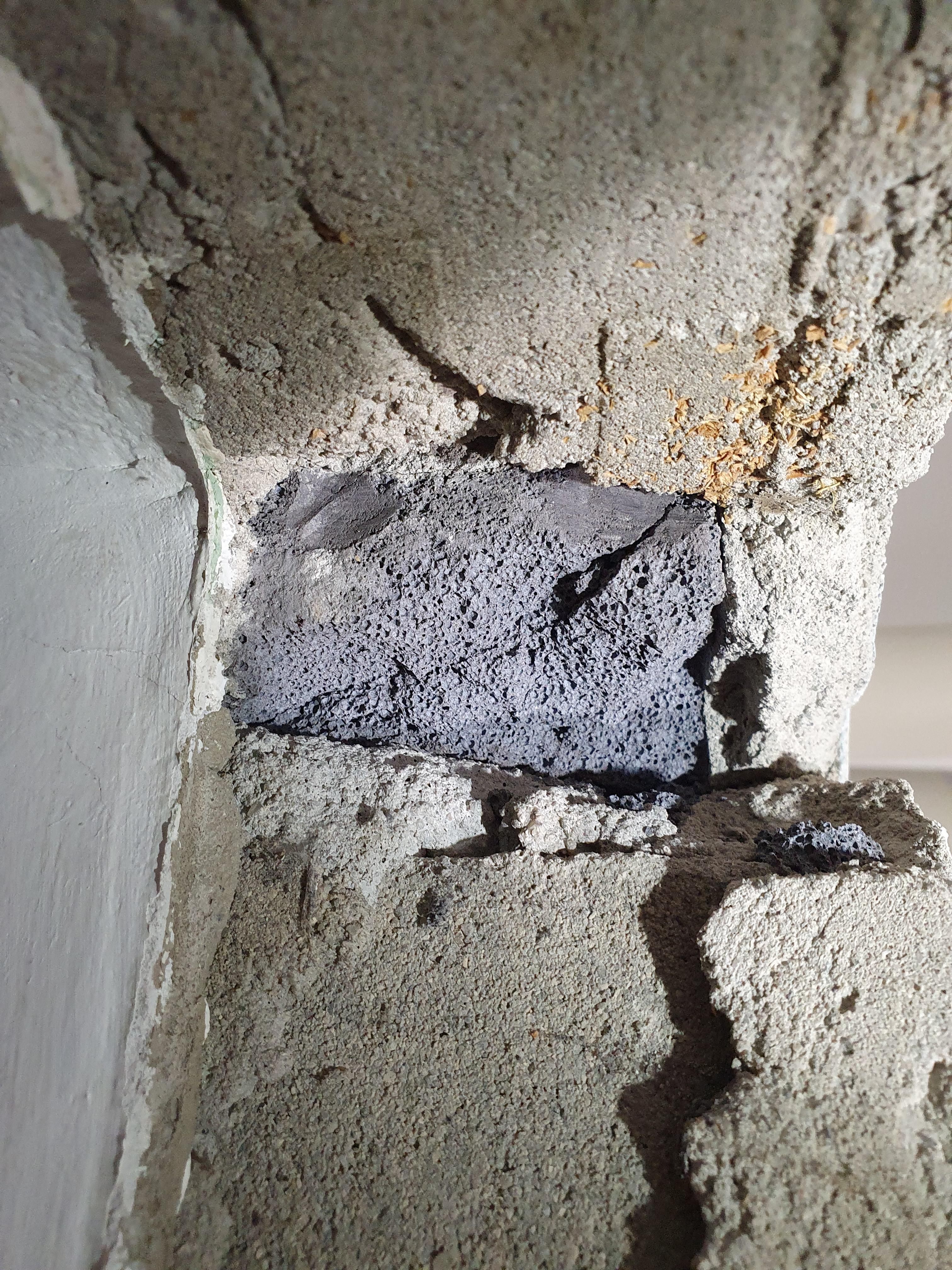
The stone is against the beam, and in this case, a piece crumbled when we pried away the door frame; it was already cracked from before.
So the question is, is this blåbetong? And how careful should one be? We didn't use a mask during the removal, but when we saw the stone, we put on the mask; could we have already subjected ourselves to damage at this stage?
To fit the new door, we need to saw the door opening, which might cause issues if this is indeed blåbetong.
The house is a one-story with a livable basement from the 70s. We bought the house about 5 years ago, and at that time, it was said that the basement was built with lättbetong but not blåbetong. To be on the safe side, we did a short-term measurement over 3 days which showed 17 Mq/m3, which I perceive as a low value.
When replacing the interior door in the basement, we encountered something that looks like blåbetong, this is how it looks:
The stone is against the beam, and in this case, a piece crumbled when we pried away the door frame; it was already cracked from before.
So the question is, is this blåbetong? And how careful should one be? We didn't use a mask during the removal, but when we saw the stone, we put on the mask; could we have already subjected ourselves to damage at this stage?
To fit the new door, we need to saw the door opening, which might cause issues if this is indeed blåbetong.
The house is a one-story with a livable basement from the 70s. We bought the house about 5 years ago, and at that time, it was said that the basement was built with lättbetong but not blåbetong. To be on the safe side, we did a short-term measurement over 3 days which showed 17 Mq/m3, which I perceive as a low value.

That little piece of lightweight concrete isn't harmful in any way.I Ironside said:Hello,
When replacing an interior door in the basement, we've encountered something that looks like blåbetong, it looks like this:
[bild]
[bild]
[bild]
The stone is positioned against the joists, and in this case, a piece crumbled when we pried away the door frame, it was already cracked from before.
So the question is, is this blåbetong? And how careful should one be? We didn't use a mask during the disassembly, but when we saw the stone, we put on a mask; could there already be a risk of harm at this stage?
To get the new door in place, we need to cut the doorway which might be problematic if this is indeed blåbetong.
The house is a single-story with a livable basement from the 70s. We bought the house about 5 years ago and were told the basement was built with lightweight concrete but not blåbetong. To be on the safe side, we performed a short-term measurement for 3 days which showed 17 Mq/m3, which I perceived as a low value.

Okay, so it's not like aspes then. But how should one handle it when I need to saw upwards 5 cm? Should I perhaps choose to chisel it by hand and, of course, wear a proper mask? Should other safety measures be considered?Stefan N said:
When it comes to asbestos, it is the processing of this material that can pose a risk. Fibers from asbestos can penetrate the lungs and after x number of years cause cancer.
For blåbetong, it is radon that may potentially pose a danger.
This (radon) can be measured with equipment and ventilated away with fans, etc.
For blåbetong, it is radon that may potentially pose a danger.
This (radon) can be measured with equipment and ventilated away with fans, etc.

You have encountered the internet's curse!I Ironside said:
"Blåbetong" can, but does not need to emit Radongas. It does not matter if you wear respiratory protection when sawing in Ytongen, because it continuously (potentially) emits gas and as mentioned, this tiny amount is completely harmless. Just like with asbestos, it requires large, long-term doses/exposures for damage to potentially occur.
In summary, in your case, you can completely ignore the small lightweight concrete stone and treat it as usual.
https://sv.wikipedia.org/wiki/Blåbetong
Staffan
Click here to reply