
Apologies if this post is in the wrong forum section. I have just completed a radon measurement which showed an elevated level of 360 in one of the bedrooms and 350 in the living room. We also have a basement.
According to the owner of the house, there was no blåbetong in the house, but I'm a bit uncertain now that I've started tearing down in one of the rooms.
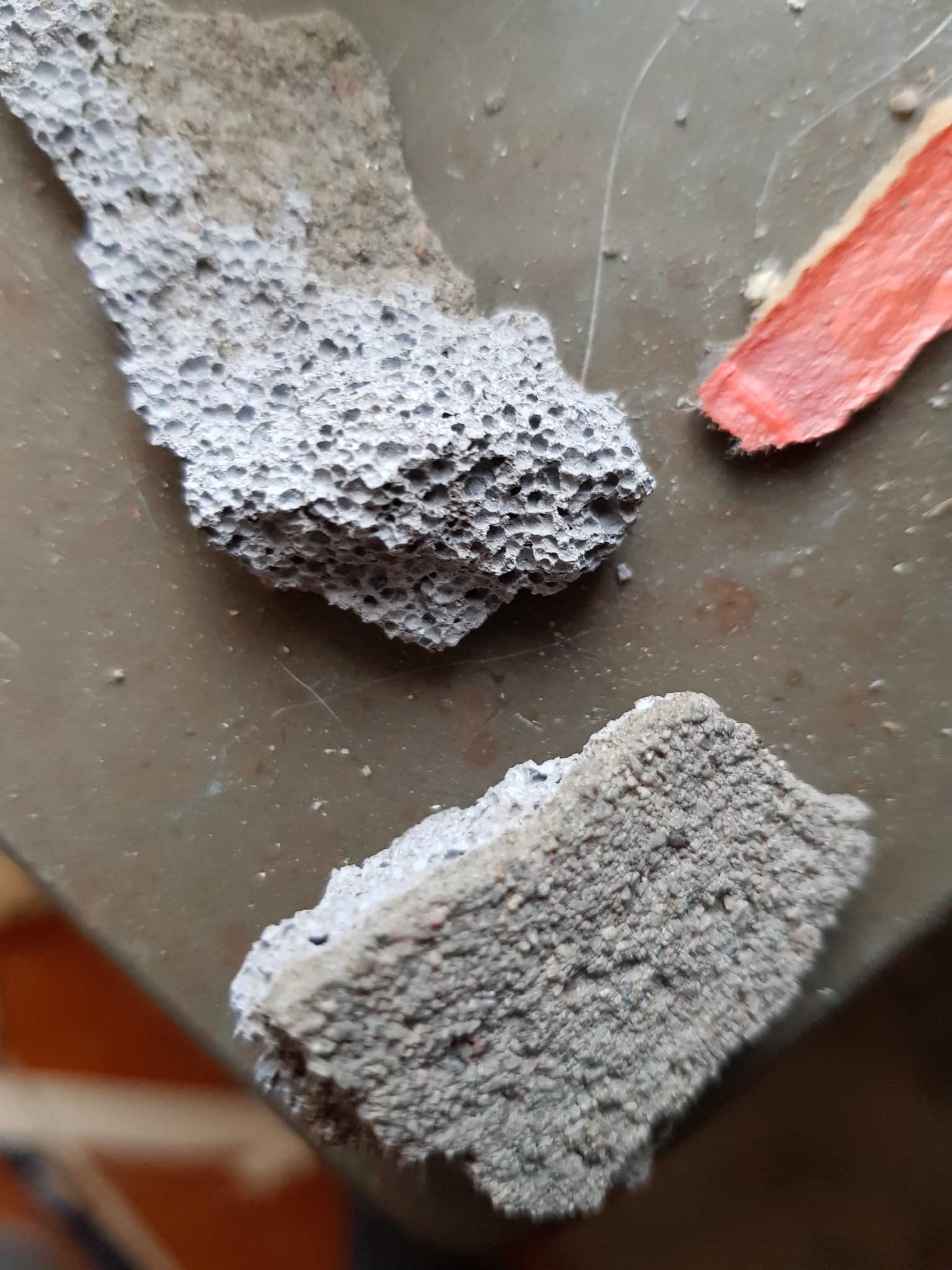
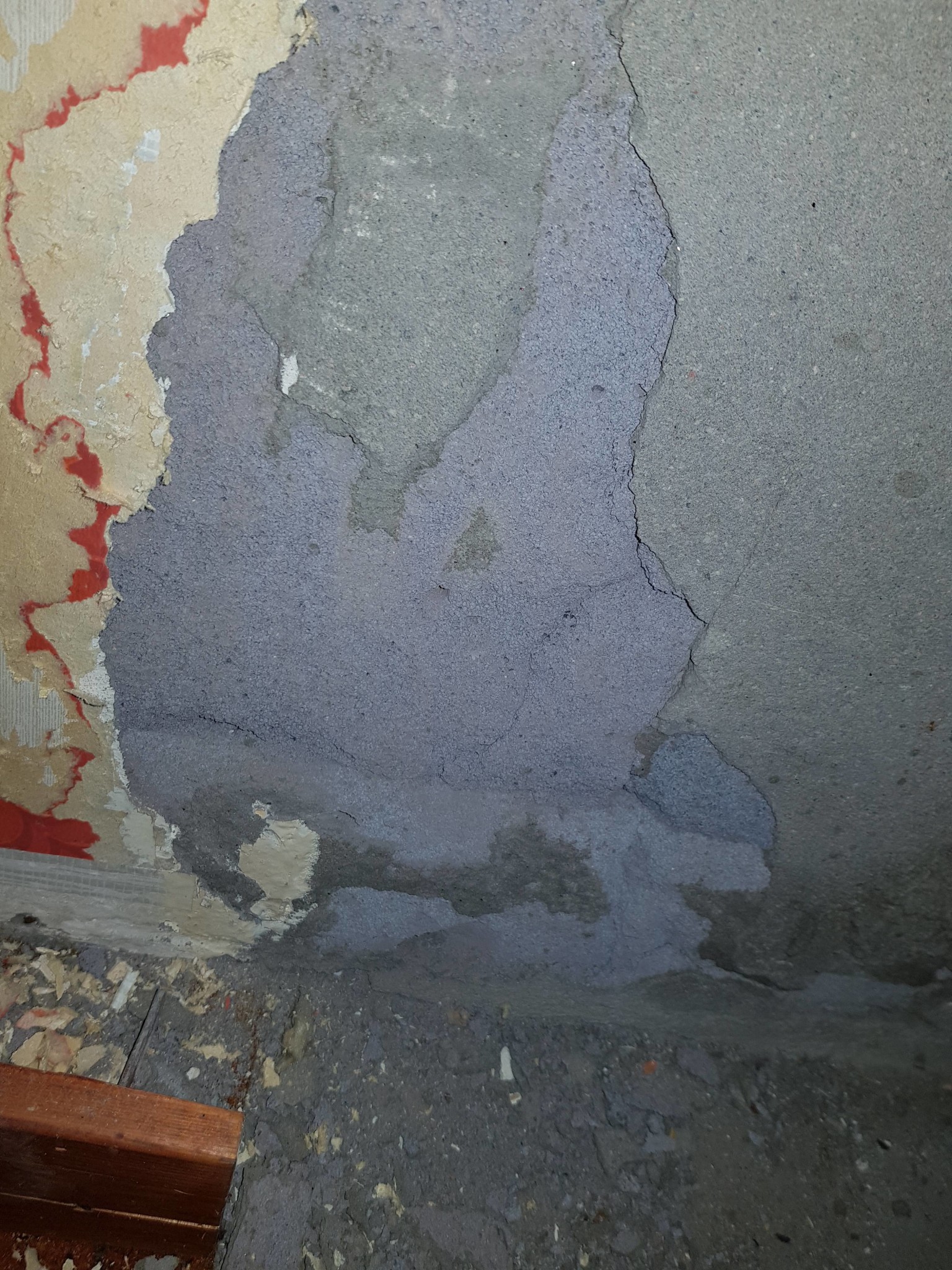
Can any of you tell if it looks like blåbetong or not? I also used flash on one of the pictures.
If it is blåbetong, is it considered a hidden defect? And how can I proceed?
According to the owner of the house, there was no blåbetong in the house, but I'm a bit uncertain now that I've started tearing down in one of the rooms.
Can any of you tell if it looks like blåbetong or not? I also used flash on one of the pictures.
If it is blåbetong, is it considered a hidden defect? And how can I proceed?

Well, others can help with opinions on the false assurances. You can't find blåbetong without destructive testing, and the seller has obviously provided false certifications. But can you prove that he lied in a legal trial? That's probably the biggest concern if you don't have it in writing.
The reason I was so sure it was blåbetong is that I demolished an entire garage built with it. It cost a lot in disposal unfortunately
The reason I was so sure it was blåbetong is that I demolished an entire garage built with it. It cost a lot in disposal unfortunately

It is definitely blåbetong but it is not certain that it contributes to the radon level. Blåbetong has various degrees of radiation and it is very effectively stopped by surface layers, such as wallpaper or painted plaster.
You can order measurement dosimeters for building materials and check the values.
If you have written confirmation from the seller that it is not blåbetong, you could try to negotiate, but a house from the 60s-70s made of lightweight concrete is assumed to have blåbetong...
You can order measurement dosimeters for building materials and check the values.
If you have written confirmation from the seller that it is not blåbetong, you could try to negotiate, but a house from the 60s-70s made of lightweight concrete is assumed to have blåbetong...


Yes, it is blåbetong.
Was the previous owner the one who built the house? Did the previous owner know what blåbetong is?
You can use, for example, a handheld detector to measure if the material emits radioactivity, such as Radeye AB100
https://www.thermofisher.com/order/catalog/product/4250683
With the aforementioned instrument (borrowed from work), I was able to confirm that we have blåbetong in non-load-bearing walls in the basement. We suspected already when we looked at the house that some walls were made of blåbetong. We were also “lucky” that one of the basement rooms was unfinished so that the lightweight concrete blocks were visible. The blåbetong walls we have are about 1dm thick, you can hear a difference when you knock (compared to hollow concrete blocks/polsten), the house began construction in '69. During the first winter, we conducted a radon measurement in three rooms, two upstairs and the family room in the basement (no walls in the family room are blåbetong), the values we obtained were below the limit values.
Was the previous owner the one who built the house? Did the previous owner know what blåbetong is?
You can use, for example, a handheld detector to measure if the material emits radioactivity, such as Radeye AB100
https://www.thermofisher.com/order/catalog/product/4250683
With the aforementioned instrument (borrowed from work), I was able to confirm that we have blåbetong in non-load-bearing walls in the basement. We suspected already when we looked at the house that some walls were made of blåbetong. We were also “lucky” that one of the basement rooms was unfinished so that the lightweight concrete blocks were visible. The blåbetong walls we have are about 1dm thick, you can hear a difference when you knock (compared to hollow concrete blocks/polsten), the house began construction in '69. During the first winter, we conducted a radon measurement in three rooms, two upstairs and the family room in the basement (no walls in the family room are blåbetong), the values we obtained were below the limit values.
Click here to reply