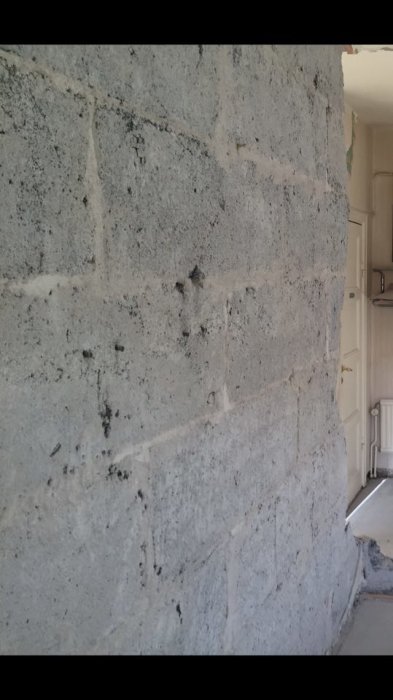
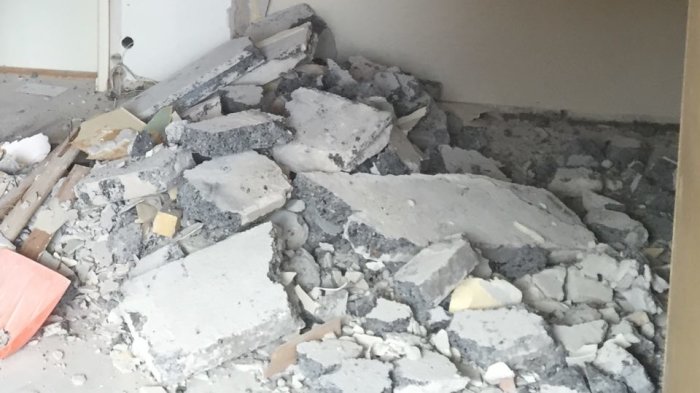
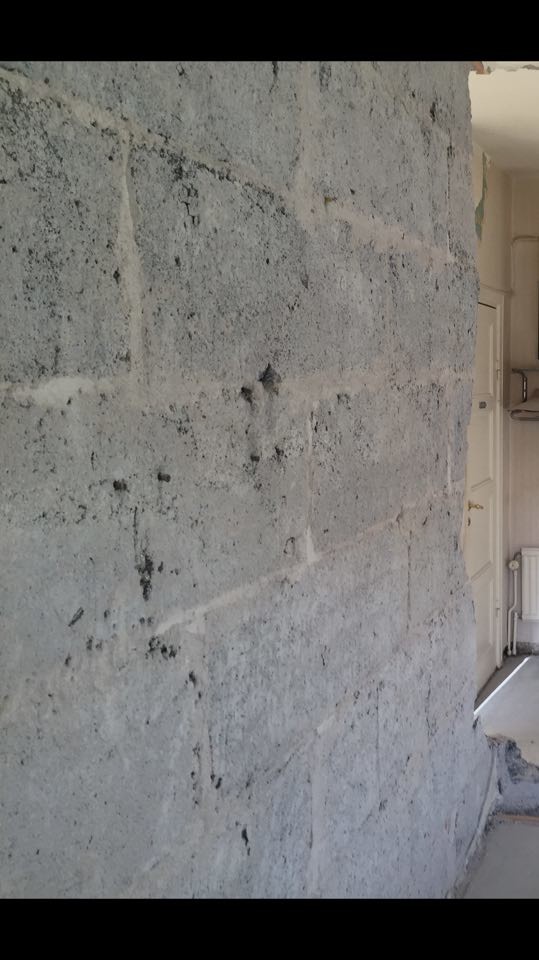
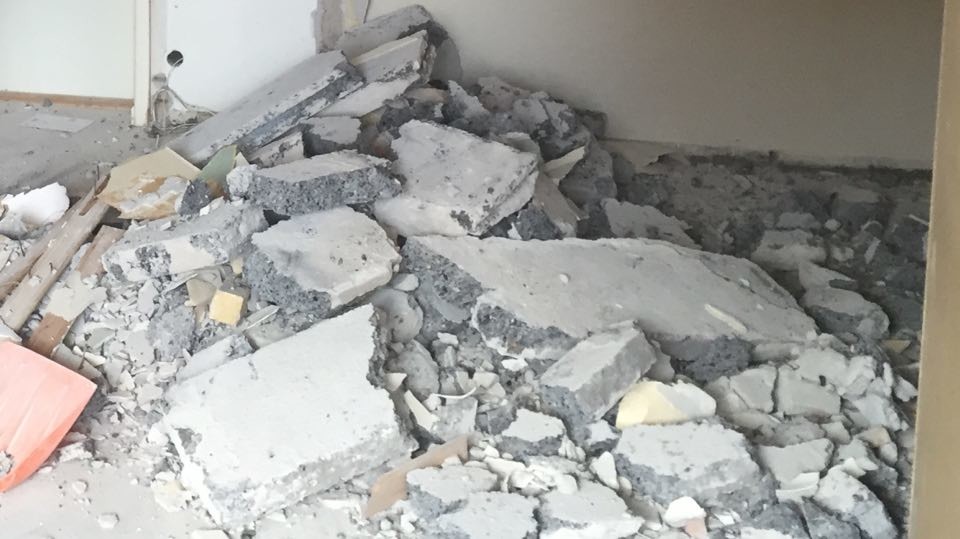
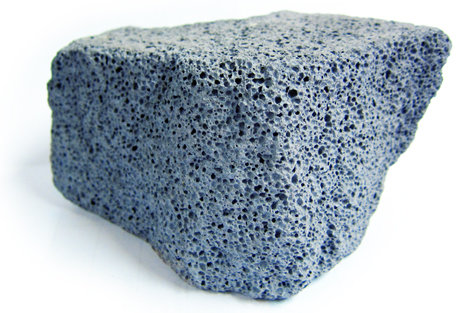
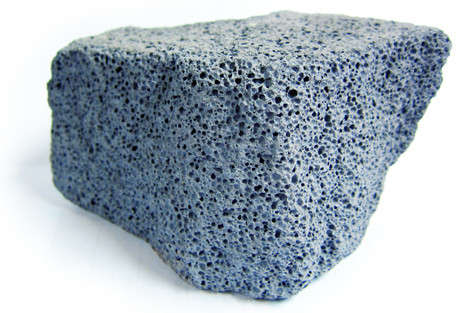
I recently gained access to my new apartment, built in the 1930s, but I'm not sure if the interior walls were constructed that early. It's going to be renovated, and I'm currently taking down a couple of interior walls. A friend reminded me that there might be blue concrete in the walls. I'm attaching two pictures and hope there's someone experienced here who might be able to determine if that's the case or not. The walls are made of blocks measuring about 80x40x8cm and probably weigh around 25kg. I've already demolished quite a bit and have been careless about wearing a mask; could this be a serious health risk? I've spent about two days tearing down and transporting it away. Who can be contacted to conduct a radon measurement if it turns out to be blue concrete?
It might be good to use a mask during all demolitions, but I don't think the particles are as small and difficult to stop as, for example, asbestos.
And most of it has probably left the body again.
Have you been in contact with the board of the housing cooperative (I guess it's about a condo)?
They should know if there are blue concrete walls and if radon measurements have been carried out in the building.
It certainly looks like blåbetong. Not all blåbetong is radioactive, contact your municipality; some have a gamma meter available for free lending and then you can determine if the material is radioactive or not.
Demolition of blåbetong is no more dangerous than other demolition, but as with all other demolition, you should try to use the necessary protection
A bit difficult to see, but I think it looks too light to be blåbetong and believe it is regular lightweight concrete (Ytong). Blåbetong has a quite distinct dark gray/blue tone. This picture shows it well:
As mentioned here, just wear a respirator and there is no danger. Blåbetong typically emits low levels of radon, and if you paint with a dense paint or apply microlit, no radon gas will come out at all.