It usually can be managed!
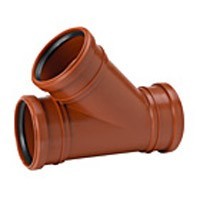
Buy a tube of Glidex and generously smear it on the joints and piece together with angles, 15, 30, 45 as needed so you get a small "arch" upwards and all joints align (but not inserted). If you also bring a new Y-coupling, it becomes easier.
The arch will be about 30-40 cm above the ground, then you step on the arch and guide it with a crowbar, and you'll see that everything slides together...
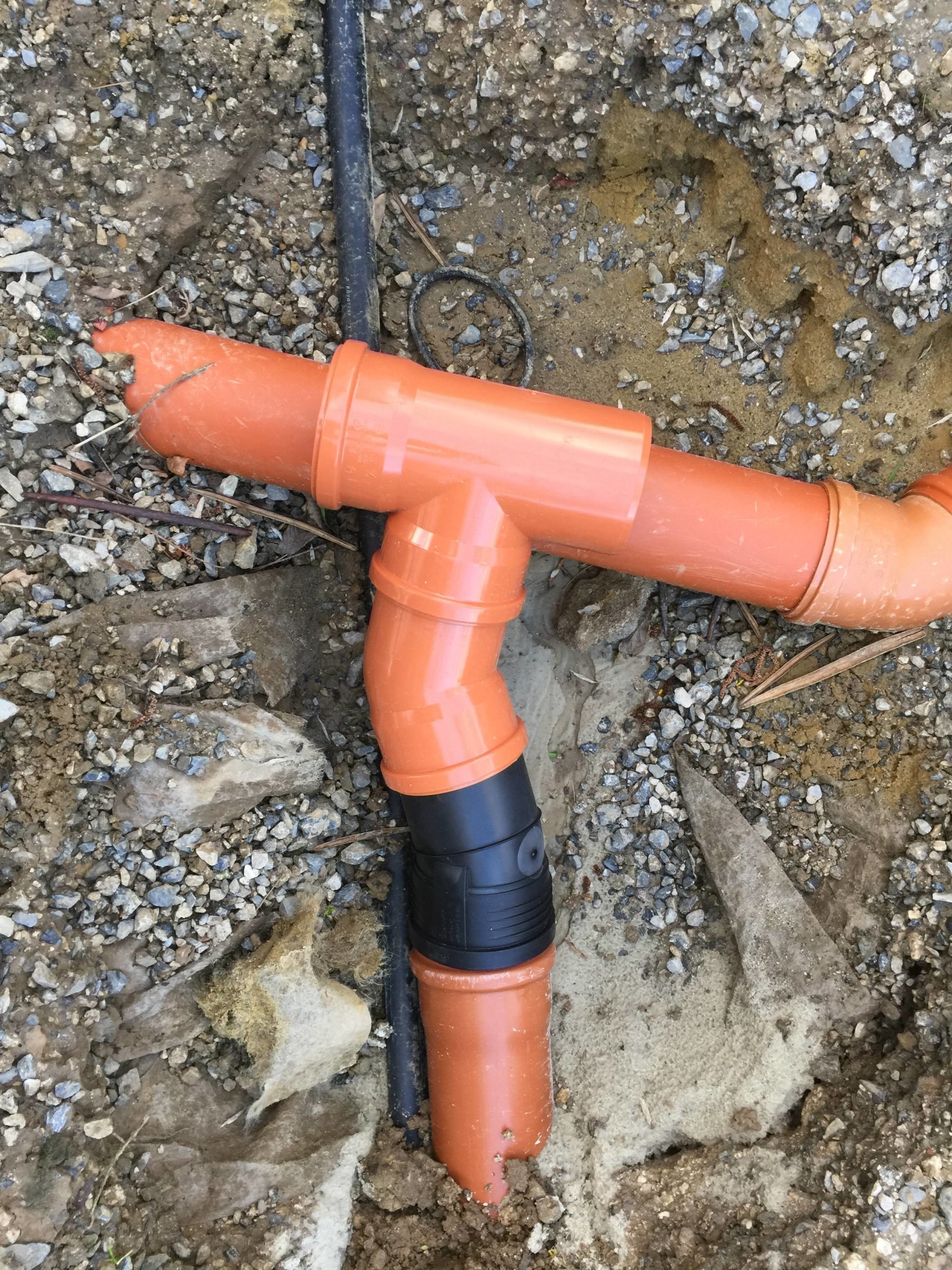
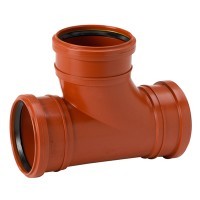
This is the correct solution if the water comes from both directions in the lower pipe and is supposed to exit in the upper pipe. It should not be a T-joint as you have shown, but should be connected as Jarling has shown with the blue lines in the above image.
The water should be divided as my thin, darker blue line showed, why it should be divided is another story that I won't go into. Thanks for the information about 15-degree bends, I didn't know they existed and there were none at the large professional building supply store I usually go to. Easy to find elsewhere.
The water should be divided as my thin darker blue line showed, why it should be divided is another story that I will not go into. Thanks for the information about 15-degree bends, I didn't know they existed and there were none in the large professional building supply store I usually visit. Easy to find elsewhere.
That is absolutely not a good solution if the water should go into the lower pipe.
Yes, Y-pipes are better, but you need to buy one with a straight coupling and not a double socket... Buy an extra slip socket to fit it onto the straight pipe.
If you care to share why, perhaps we can help each other find a better solution.
For the information available, a T-pipe is not a good solution.
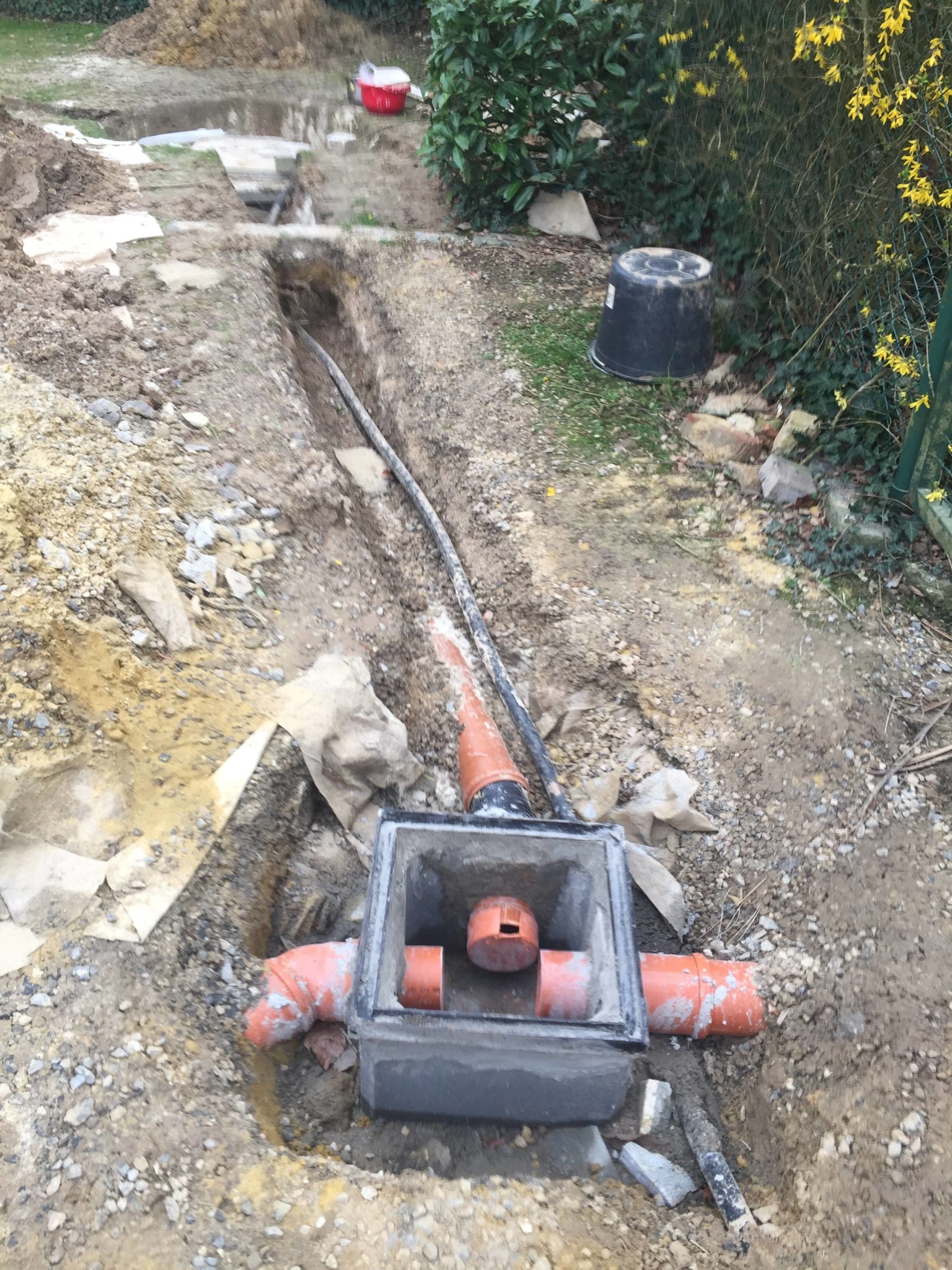
This is how it turned out with the inspection well. It works thanks to the tip that there are 15-degree bends. The rainwater from the right initially goes to the left but later "up" and then the inlet on the left can be sealed. The rainwater is later supposed to go down into the infiltration well that is at the top in the picture. The installation is in Belgium. Waiting for the municipality to install sewer lines in the street, which has been delayed for 25 years. Then the black hose that leads pumped water to the new well from an older infiltration well that stopped functioning will no longer be needed.
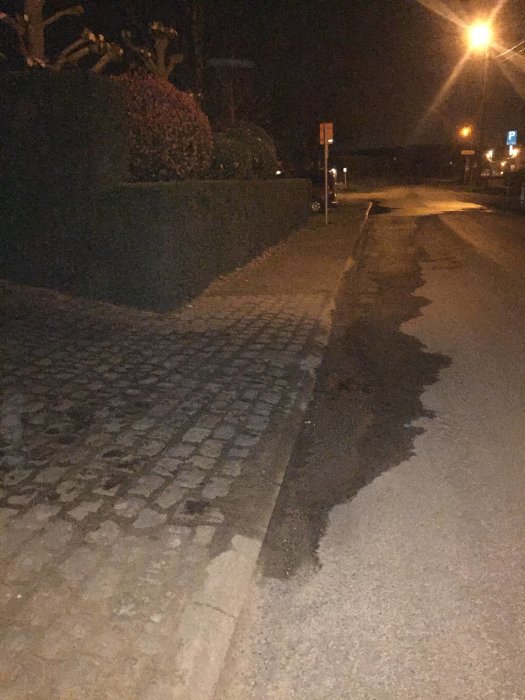
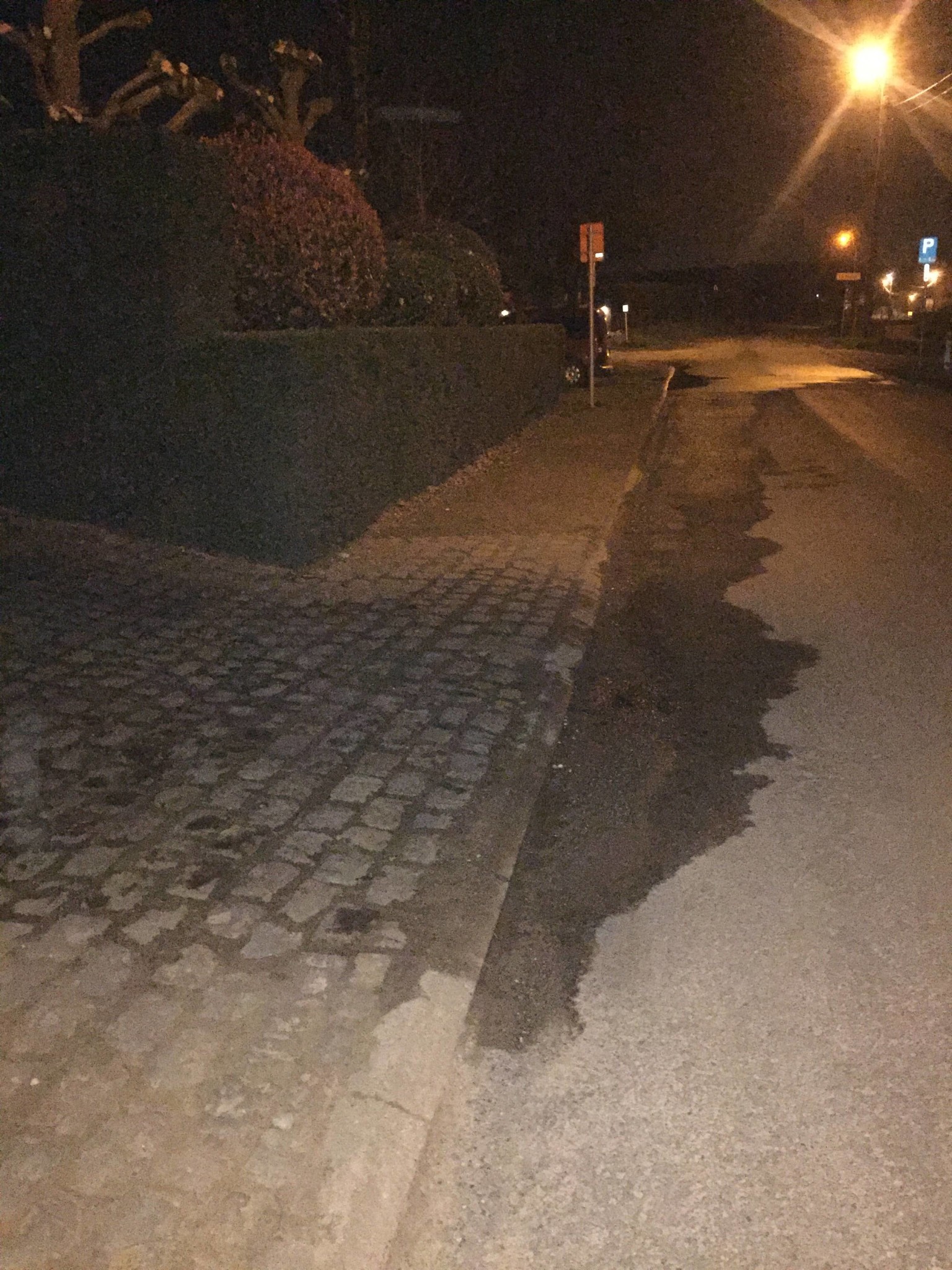
The neighbor's infiltration well has also stopped accepting water from the septic tank. Instead of spending 5500 euros on a new temporary infiltration well, he is pumping the water onto the street while waiting for the municipal sewer system, which we hope will come this autumn. This is in the municipality in Belgium with the lowest municipal tax. Better to delay the sewer system for a few residents for 25 years than to raise the tax, because then maybe one won't be re-elected.
Click here to reply
Vi vill skicka notiser för ämnen du bevakar och händelser som berör dig.






Jarlingar said: