
2,170 views ·
11 replies
2k views
11 replies
Bad luck with mortar joint, attaching screws
I am going to install some kitchen cabinets from IKEA using their mounting rail on which the cabinets hang.
It's an apartment in a brick house with plastered walls inside. Unfortunately, the holes for the rail ended up exactly in a horizontal mortar joint. So I'm not getting any grip with plugs anywhere. I don't have enough leeway up or down, because then I hit the edge of the bricks and slip back with the drill into the mortar joint.
What are the alternatives? I can be quite generous with screws, so it's not just a couple of them holding everything, and it's "only" two 60 cabinets and one 40.
It's an apartment in a brick house with plastered walls inside. Unfortunately, the holes for the rail ended up exactly in a horizontal mortar joint. So I'm not getting any grip with plugs anywhere. I don't have enough leeway up or down, because then I hit the edge of the bricks and slip back with the drill into the mortar joint.
What are the alternatives? I can be quite generous with screws, so it's not just a couple of them holding everything, and it's "only" two 60 cabinets and one 40.
Construction veteran
· Norrland
· 342 posts
Does the joint just turn to powder and crack and get messed up? Maybe chemical anchors could have worked otherwise? If you drill a hole, insert chemical anchors, then a screw and let it cure, you could test loading the screw with a crowbar or something to see if it stays. It's been so long since I installed a kitchen with that rail, so I don't exactly remember how they look. But would it work to screw or rivet fasteners that stick up over the rail from the back of the rail and then bolt the fasteners into the brick?  Or maybe you could bolt the fasteners first and then screw with self-tapping screws through the rail and into the fasteners.
Or maybe you could bolt the fasteners first and then screw with self-tapping screws through the rail and into the fasteners.
Last edited:
Yes, there's not much grip in that joint, 80 years old. Don't even need a hammer drill to make holes.
It's a long rail with lots of holes in it, looks a bit like a J. I'm considering maybe screwing on a board wide enough to attach it to the brick and still get the rail at the right height.
But chemical anchors sound interesting, maybe I can try it on one hole and see how it works.
I actually should have something similar to those expanding screws you use for drywall.
It's a long rail with lots of holes in it, looks a bit like a J. I'm considering maybe screwing on a board wide enough to attach it to the brick and still get the rail at the right height.
But chemical anchors sound interesting, maybe I can try it on one hole and see how it works.
I actually should have something similar to those expanding screws you use for drywall.

In the kitchen, the neighbor's kitchen is on the other side, do you know how thick that wall is, maybe just 1-brick as it was in old houses. How wide is the joint, can you use larger/longer plugs that are as thick as the joint and a little more. There might then be some trouble getting the bolt/screw through the track, it is possible to drill the holes, just consider not placing a bracket where the cabinet's hanger is.
Construction veteran
· Norrland
· 342 posts
Okay! It was that principle with the board that you wrote about that I thought of, but with metal plates instead. Thought they don't add as much bulk. But either way should work.S stefand said:Yes, there's not much grip in that joint, 80 years old. You don't even need a hammer drill to make a hole.
It's a long rail with lots of holes in it, looks a bit like a J. I'm considering maybe screwing a board that's wide enough so I can attach it to the brick and still get the rail at the right height.
But chemical anchor sounds interesting, maybe I can try it on one hole and see how it works.
I should have something similar to those expansion screws that you use for drywall.
Might be worth a try with the chemical anchor.
Yes, pl400 or something similar might work. But probably need an adhesive that is quite loose so that it binds with the mortar as it is very brittle. Pl400 is quite firm in consistency, right?
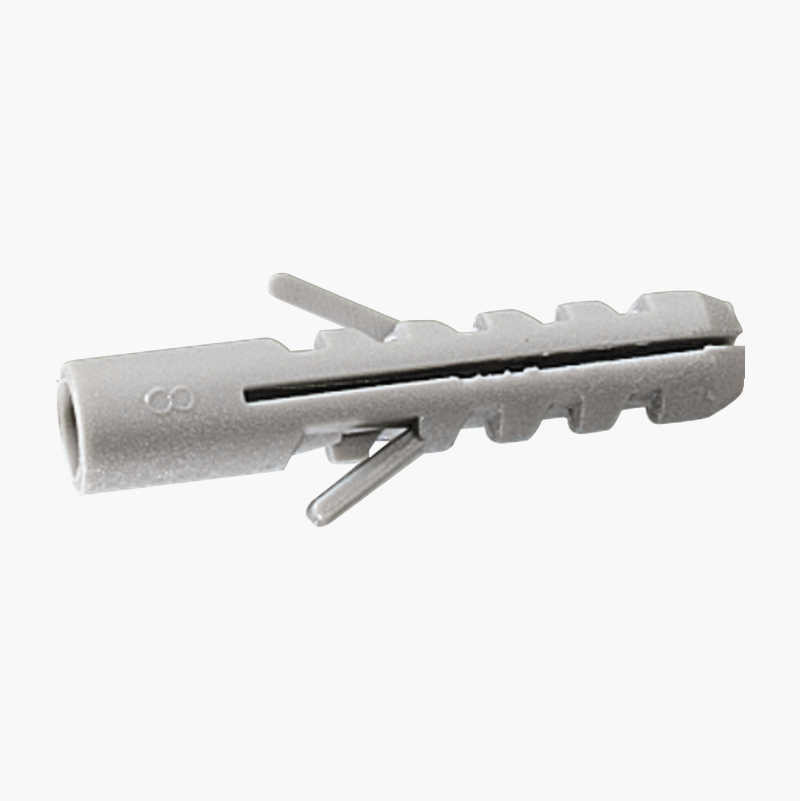
Even if I press in or hammer in a slightly oversized plug, it starts to rotate as soon as there is some resistance when I drive in the screw.
Even if I press in or hammer in a slightly oversized plug, it starts to rotate as soon as there is some resistance when I drive in the screw.
Construction veteran
· Norrland
· 342 posts
If you want to secure with something so they really stick, I would use chemical anchors instead of PL400. If you're going to glue, there can't be any drill dust left at all, but I don't think it usually works that well anyway.
Construction veteran
· Norrland
· 342 posts
Then it's probably safest to secure it with either a board or joist hanger or whatever you want. If there's nothing left of the joint, even chemical anchors might not help unfortunately. It's probably best if you make the hole as big as the joint so that the chemical anchors grip onto the bricks and not the joint. Then it should stay in place at least.
Click here to reply