
3,680 views ·
2 replies
4k views
2 replies
Air gap between facade panel tongue and groove (roof)?
Hello, I've removed both the paneling and windows on my house.
The previous paneling was attached directly to the studs without any air gap.
Now I'm going to start installing furring strips before the horizontal paneling, which will create a 28mm air gap.
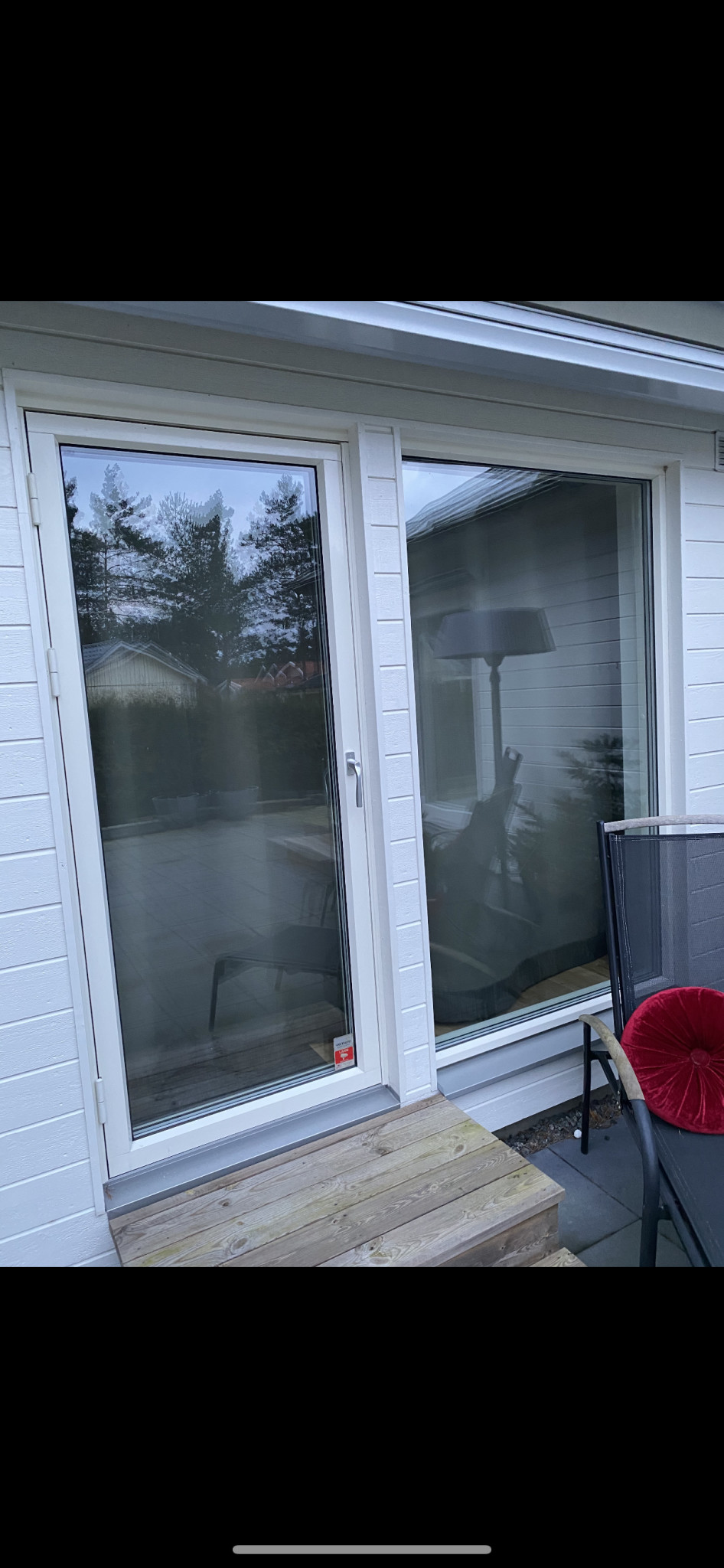
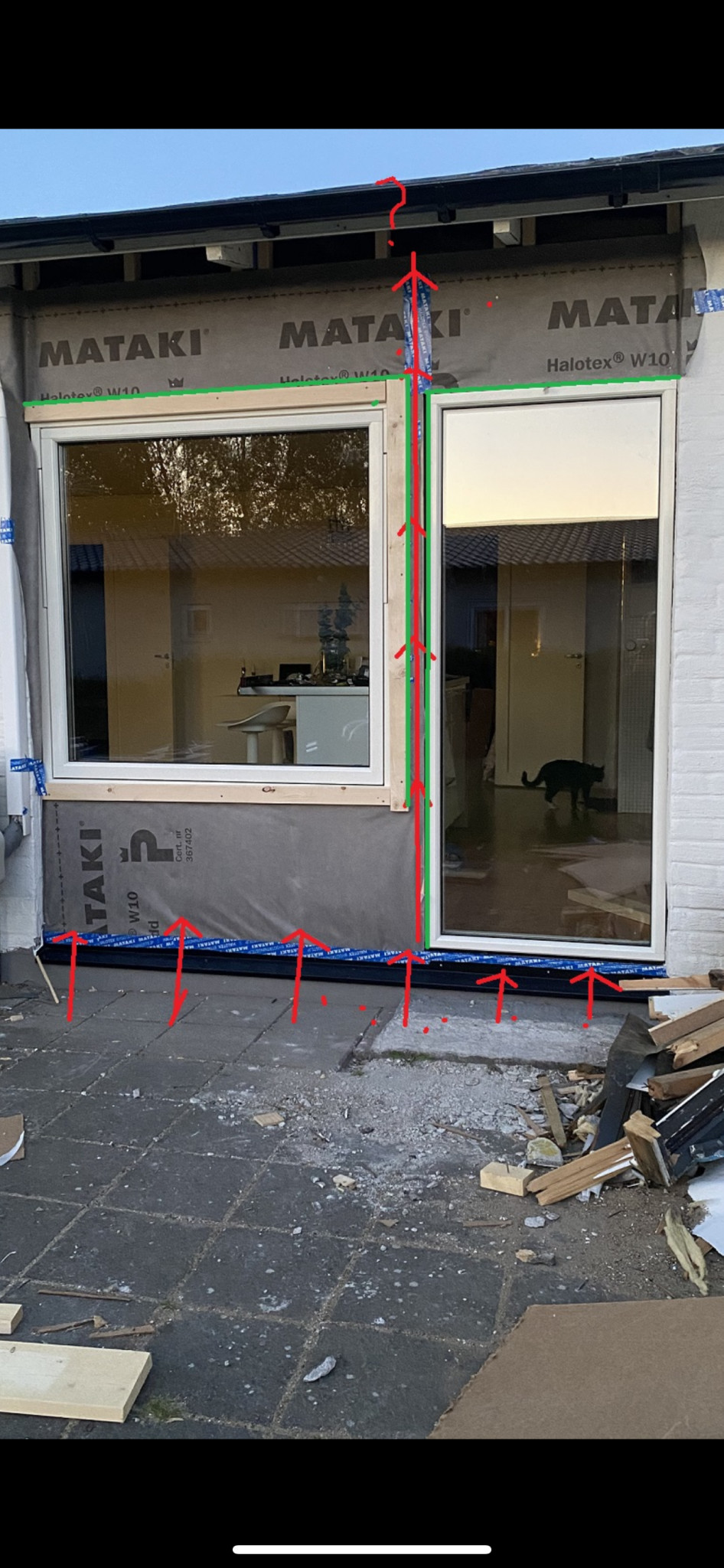
I was thinking of doing it like the attached image, using only exterior casing as trim and no window flashing above the windows.
Do I need to leave a gap between the paneling and the tongue and groove roof to ensure proper air circulation?
I have an air gap below by the plinth, but is it needed at the roof as well?
The previous paneling without an air gap was pushed all the way up to the tongue and groove roof.
Also, another question: between the windows, there will be short horizontal paneling with two narrower furring strips on the edges so air can circulate between the strips as indicated by the red arrows, but is that enough? How else can I get more air to the facade paneling above the windows?
The previous paneling was attached directly to the studs without any air gap.
Now I'm going to start installing furring strips before the horizontal paneling, which will create a 28mm air gap.
I was thinking of doing it like the attached image, using only exterior casing as trim and no window flashing above the windows.
Do I need to leave a gap between the paneling and the tongue and groove roof to ensure proper air circulation?
I have an air gap below by the plinth, but is it needed at the roof as well?
The previous paneling without an air gap was pushed all the way up to the tongue and groove roof.
Also, another question: between the windows, there will be short horizontal paneling with two narrower furring strips on the edges so air can circulate between the strips as indicated by the red arrows, but is that enough? How else can I get more air to the facade paneling above the windows?
Last edited by a moderator:
Well. Whether to have an air gap or not depends on many factors. There's a lot of debate about this. But I can say that in most cases a gap is created between the facade panel and the roof's sheathing. But it looks like you're going to board in the eaves? If so, there are several options. You can place a mesh, then boards with gaps in between. Or place them tightly and then have the gap all the way out to the fascia board.
No plans to board it in yet...J jonfre89 said:Well. Whether or not to have an air gap depends on many factors. There's some debate about this. But I can say that in most cases, a gap is made between the facade panel and the roof's sheathing. But it looks like you're planning to board in the eaves? If so, there are several options. Set a net and then boards with gaps in between. Or set it tightly and then have the gap just at the edge against the fascia board.
I have these recessed old hooks in the sheathing.
The problem was that there was no gutter when I moved here, so I had to set up a temporary fascia board.
I was thinking of leaving a 5mm gap at the top with insect netting behind.
The underside should be fully open between the vertical batten with rodent tape in between.
But the air up to the upper section under the windows can only travel between the windows, which after 2 battens between the windows will be about 50mm.
Is that enough to conduct air upwards?
Click here to reply