
Hello,
Last year, a company built our outdoor fence. Everything was fine when we completed and paid the invoice. The company that helped us handled the purchase of materials and they bought via Bauhaus.
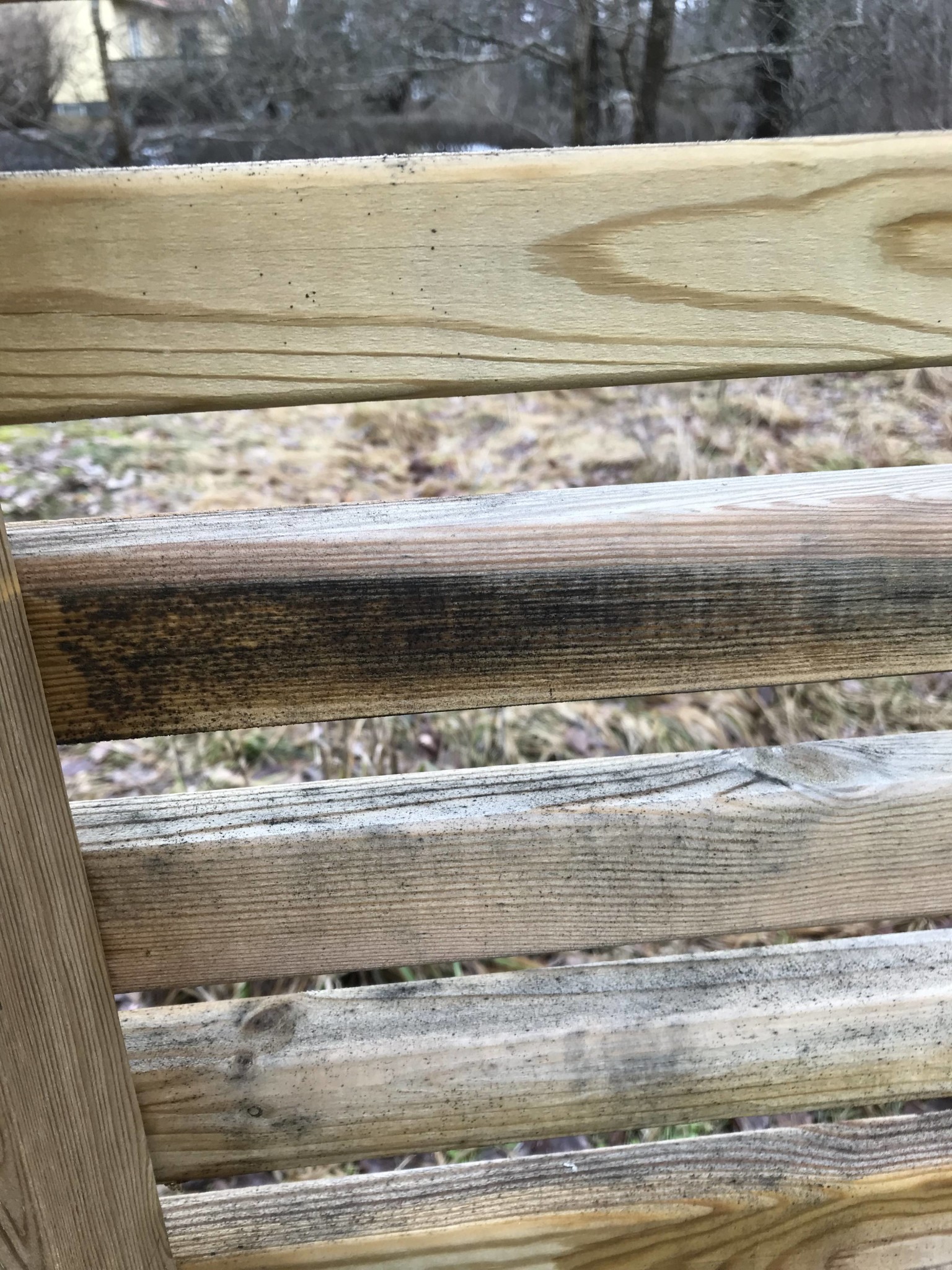
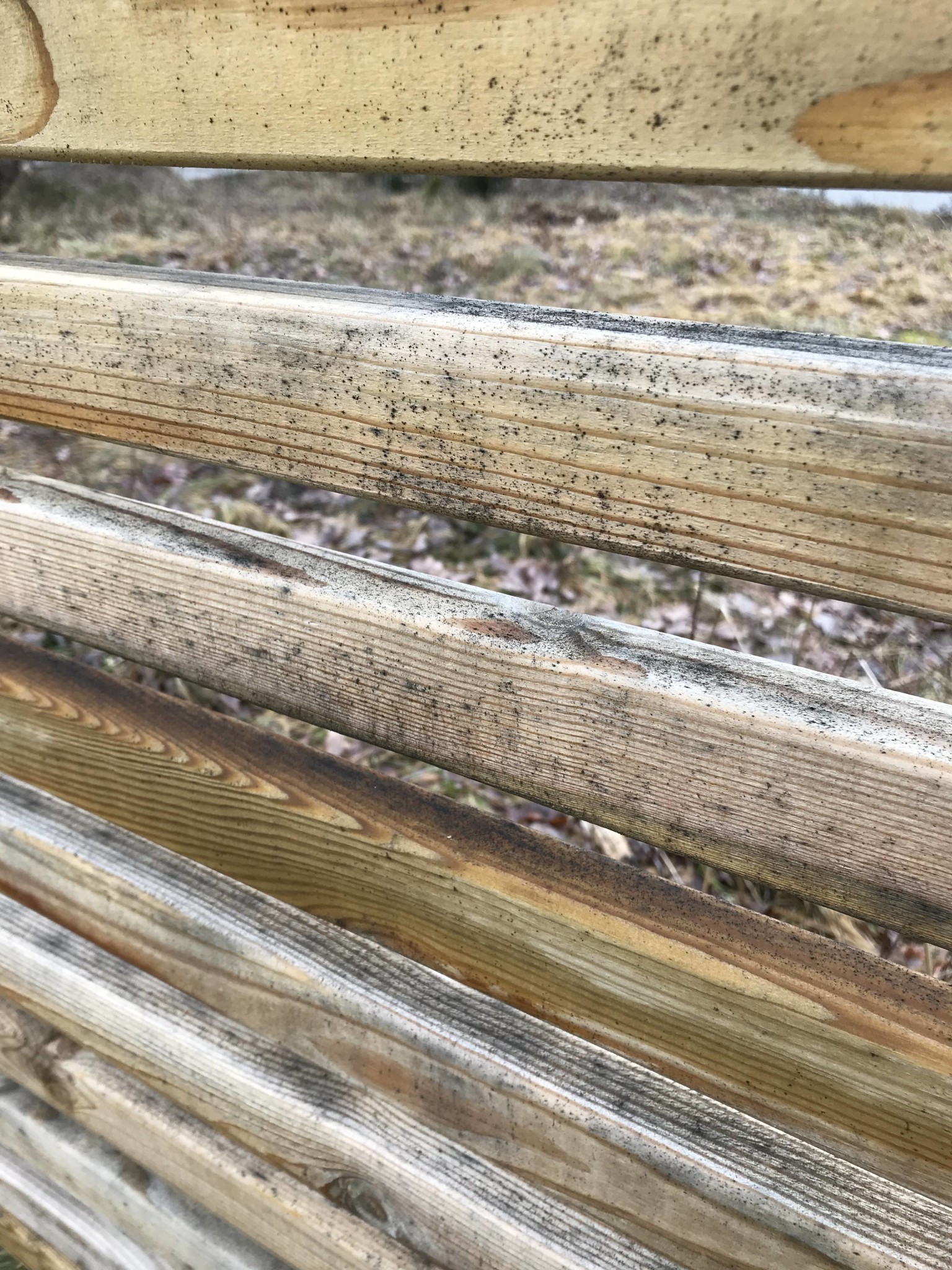
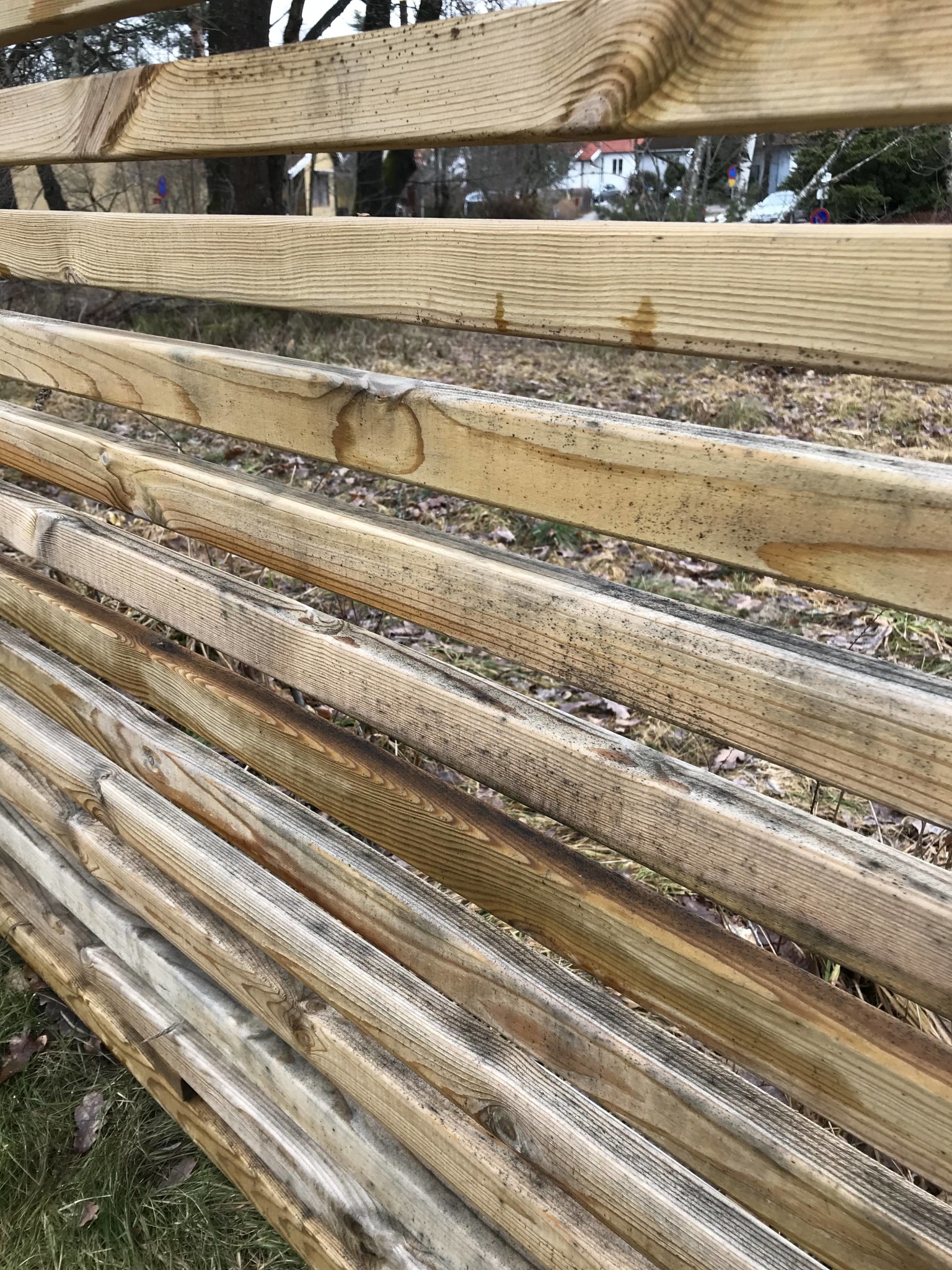
Now that the temperature has started to rise, we have been spending more time outdoors and discovered that almost 100% of the fence has black spots growth (black mold?). It feels quite disappointing to us considering it has been in place for less than a year.
The purchase receipts indicate that the wood is labeled NT and NTR.
We started to raise the issue through Bauhaus without the company's involvement, and they replied that the complaint was not approved, but out of goodwill, they will cover the cost of the wood. Their reasoning was that the environment could be causing the growth; our fence surrounds the house with varying surroundings, but we see this phenomenon in almost every area.
Along with raising the issue with Bauhaus, I talked to some friends who suggested I should turn to the one I bought the fence from and not directly to Bauhaus. Bauhaus refers to my initial complaint but still maintains that they cannot be held responsible for the black spots and that several factors could contribute to the problem.
Now that it has been humid and above freezing, I notice the growth has accelerated and, in my opinion, there is a risk that by summer I will have a black fence.
Am I correct to think that Bauhaus sold something that should be of better quality and be held accountable? Or is their conclusion correct and I should be lucky to get a refund out of goodwill? The pure wood cost is over 10k.
If I take a sponge and wet it, the black spots disappear by 80%.
Last year, a company built our outdoor fence. Everything was fine when we completed and paid the invoice. The company that helped us handled the purchase of materials and they bought via Bauhaus.
Now that the temperature has started to rise, we have been spending more time outdoors and discovered that almost 100% of the fence has black spots growth (black mold?). It feels quite disappointing to us considering it has been in place for less than a year.
The purchase receipts indicate that the wood is labeled NT and NTR.
We started to raise the issue through Bauhaus without the company's involvement, and they replied that the complaint was not approved, but out of goodwill, they will cover the cost of the wood. Their reasoning was that the environment could be causing the growth; our fence surrounds the house with varying surroundings, but we see this phenomenon in almost every area.
Along with raising the issue with Bauhaus, I talked to some friends who suggested I should turn to the one I bought the fence from and not directly to Bauhaus. Bauhaus refers to my initial complaint but still maintains that they cannot be held responsible for the black spots and that several factors could contribute to the problem.
Now that it has been humid and above freezing, I notice the growth has accelerated and, in my opinion, there is a risk that by summer I will have a black fence.
Am I correct to think that Bauhaus sold something that should be of better quality and be held accountable? Or is their conclusion correct and I should be lucky to get a refund out of goodwill? The pure wood cost is over 10k.
If I take a sponge and wet it, the black spots disappear by 80%.

Member
· Nuevo Estockholmo
· 3 529 posts
Is this a joke?

Mold thrives as well on treated wood as it does on regular wood. The cause of a lot of mold is improper handling in the lumber chain or later. It primarily depends on some form of dirt sitting on the surface of the wood, providing "food" for mold. Specifically, pressure-treated wood tends to be very wet (=fresh/newly treated), which then can provide favorable conditions for mold. However, there is nothing wrong with the wood itself. Possibly, one might wish it wouldn't be sold until it has dried out, but then it would be more expensive, which we as consumers wouldn't appreciate either...
If you want to use your consumer power to force better handling in the lumber chain, you can do as you have done. However, it is just as likely that it is the construction company that erected the fence which handled it incorrectly, for example during storage and carpentry on your property, or that they left a lot of sawdust, for example, on the slats, as mishandling earlier in the chain.
The most common and easiest way is to use water, a splash of soap, and a scrubbing brush on the fence to clean it as best as possible. Then, this is something you have to live with. There are always mold spores in the air, and with the right conditions (nutrition, moisture, and temperature), they will grow.
If you want to use your consumer power to force better handling in the lumber chain, you can do as you have done. However, it is just as likely that it is the construction company that erected the fence which handled it incorrectly, for example during storage and carpentry on your property, or that they left a lot of sawdust, for example, on the slats, as mishandling earlier in the chain.
The most common and easiest way is to use water, a splash of soap, and a scrubbing brush on the fence to clean it as best as possible. Then, this is something you have to live with. There are always mold spores in the air, and with the right conditions (nutrition, moisture, and temperature), they will grow.

I don't really think there's much to argue about in this case. Consumers do have a responsibility to check certain basic things themselves.
Some quick facts:
1) It's normal for wood to mold, (even treated).
2) If it's shady, the risk of growth increases significantly.
3) Dirt from surrounding trees, for example, increases the risk.
4) The climate has changed so now it grows considerably.
5) The construction affects how quickly it grows.
Basic questions:
a) I think you have some larger trees in the background that may contribute to creating shade, is that correct?
b) What do the vertical posts look like?
c) Are they as affected as the horizontal slats?
Wood that is vertically oriented should have less mold because moisture runs off more easily, which results in less moisture exposure. Unfortunately, there might not be much to do about the trees around it. The remaining option is to learn to live with the maintenance, which is quite significant for wooden fences.
That's why I basically advocate metal as a material for fences (if you dislike the maintenance aspect, that is).
Some quick facts:
1) It's normal for wood to mold, (even treated).
2) If it's shady, the risk of growth increases significantly.
3) Dirt from surrounding trees, for example, increases the risk.
4) The climate has changed so now it grows considerably.
5) The construction affects how quickly it grows.
Basic questions:
a) I think you have some larger trees in the background that may contribute to creating shade, is that correct?
b) What do the vertical posts look like?
c) Are they as affected as the horizontal slats?
Wood that is vertically oriented should have less mold because moisture runs off more easily, which results in less moisture exposure. Unfortunately, there might not be much to do about the trees around it. The remaining option is to learn to live with the maintenance, which is quite significant for wooden fences.
That's why I basically advocate metal as a material for fences (if you dislike the maintenance aspect, that is).
Click here to reply