

Electronics enthusiast
· Göteborg
· 177 posts
Hi
A silly question, but I'm taking a chance anyway
I have 2 narrow garages that I want to turn into 1 large one instead. How likely is it that the wall separating the garages is load-bearing?
I will, of course, bring in a professional before I take a sledgehammer to the wall, but I still want to know what to expect.
It's a 2-story house without a basement.
Thanks in advance
A silly question, but I'm taking a chance anyway
I have 2 narrow garages that I want to turn into 1 large one instead. How likely is it that the wall separating the garages is load-bearing?
I will, of course, bring in a professional before I take a sledgehammer to the wall, but I still want to know what to expect.
It's a 2-story house without a basement.
Thanks in advance
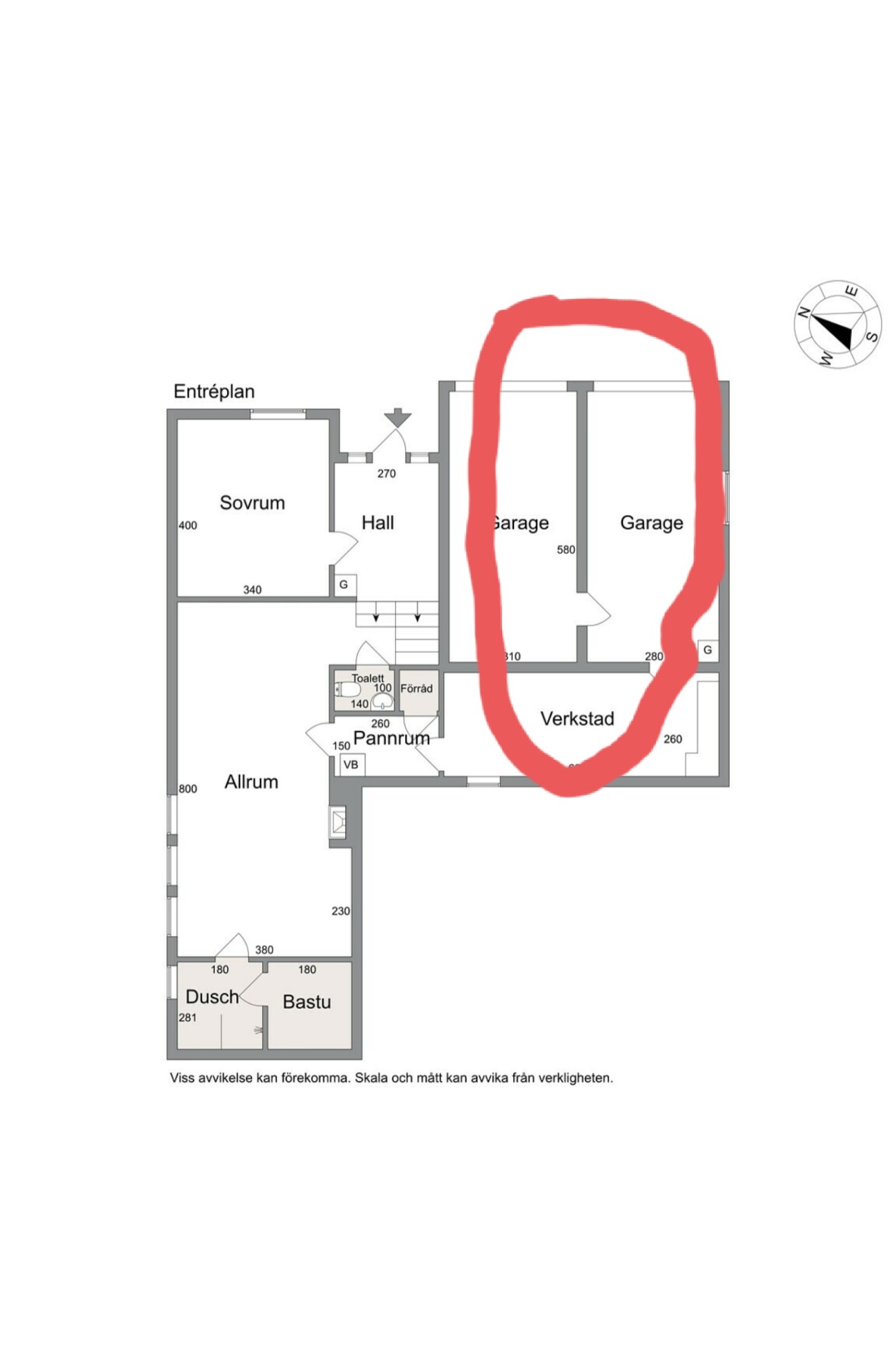
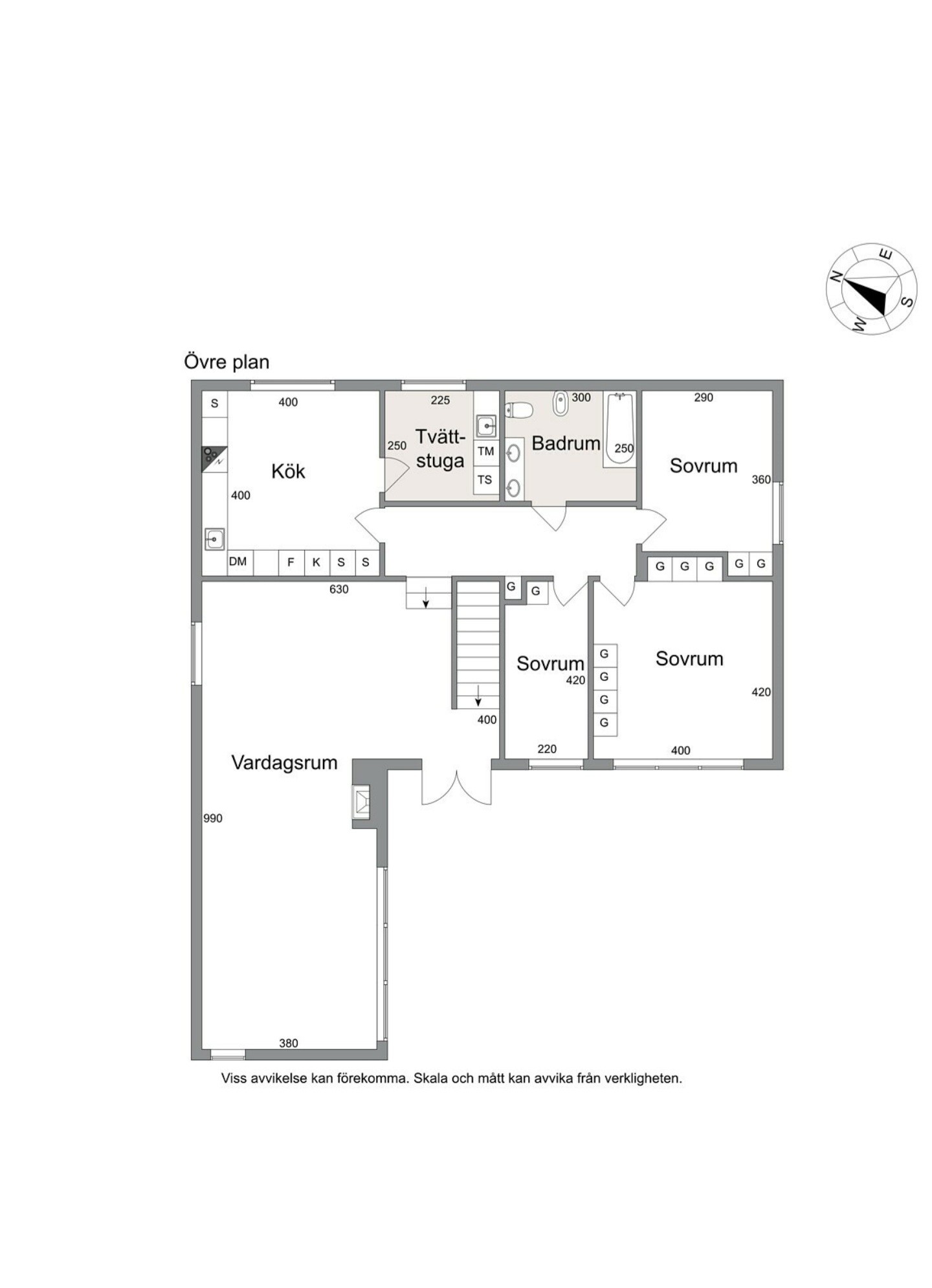


The drawings you have attached are realtor's drawings and are therefore unfortunately completely useless for assessing your question. Tell me a bit about the year of construction and building method. What materials are used in the foundation walls and the floor structure between the plans?
Electronics enthusiast
· Göteborg
· 177 posts
Thanks for the response! That's correct, I haven't bothered to look for better drawings in my folders.J justusandersson said:
It is a Detached 2-story villa in a split-level, built in 1972
Foundation: Basement in split-level (concrete slab)
Frame: Wood, concrete/masonry
Facade: Sandstone, facade panel
Best answer
If you have a concrete slab between the floors, which is not unlikely considering the year of construction, it is possible that the wall between the garages is not load-bearing. However, in that case, a reinforcement drawing is required to say it with certainty.
Click here to reply