Hi,
I'm renovating the basement in our house from 1912 and will insulate internally, yes, I know it's wrong but impossible on the outside. I've removed all the plaster and mortar that was previously there. The walls consist of a mixture of old large bricks (external walls) and the non-load bearing internal walls are some cement mix with wood pieces etc. I will apply 5cm Träullit boards which will then be plastered and painted. I'm only taking 5cm so not too much but hopefully creating slightly less cold walls without shifting the dew point too much.
Träullit customer service suggested KC mortar, B. I think it seems better to use hydraulic lime mortar since it's more diffusion-open and if the walls move, I avoid large cracks. Does anyone have experience or opinions on indoor plastering on Träullit?
I have insulated as you did and plastered on Träullit indoors (about eight years ago), partly with regular lime mortar and with hydraulic. Both variants have worked very well. The hydraulic is much more durable but tends to crack (fine cracks) over the joints between Träullit boards if you don't use mortar in the joints when mounting the boards.
The plaster with hydraulic lime mortar in more exposed areas is painted with egg oil tempera, the regular plaster has been washed with lime paint (it rubs off if touched).
It can be added that lime mortar is very good to work with for an amateur, easy to handle, and you have almost unlimited time available for the job. I see no disadvantages with hydraulic lime mortar compared to KC mortar.
The advantage of pure lime mortar, as you mentioned, is that it doesn't become as hard and therefore tolerates movements much better. If it can withstand the movements of a tiled stove, it should be able to withstand a basement
Thanks for the reply!
What do you mean by cracks around joints and how should I avoid it?
I was thinking of painting with silicate paint so you don't get paint on you when touched. It's supposed to be a playroom...
I've also looked at Kalklitir, any experiences with it?
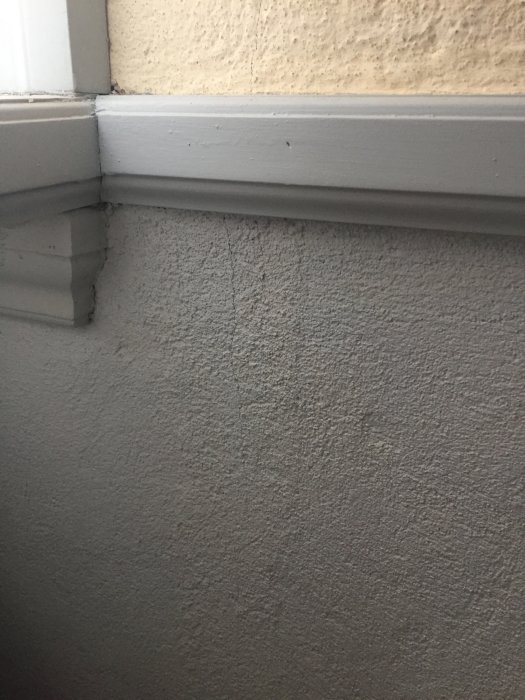
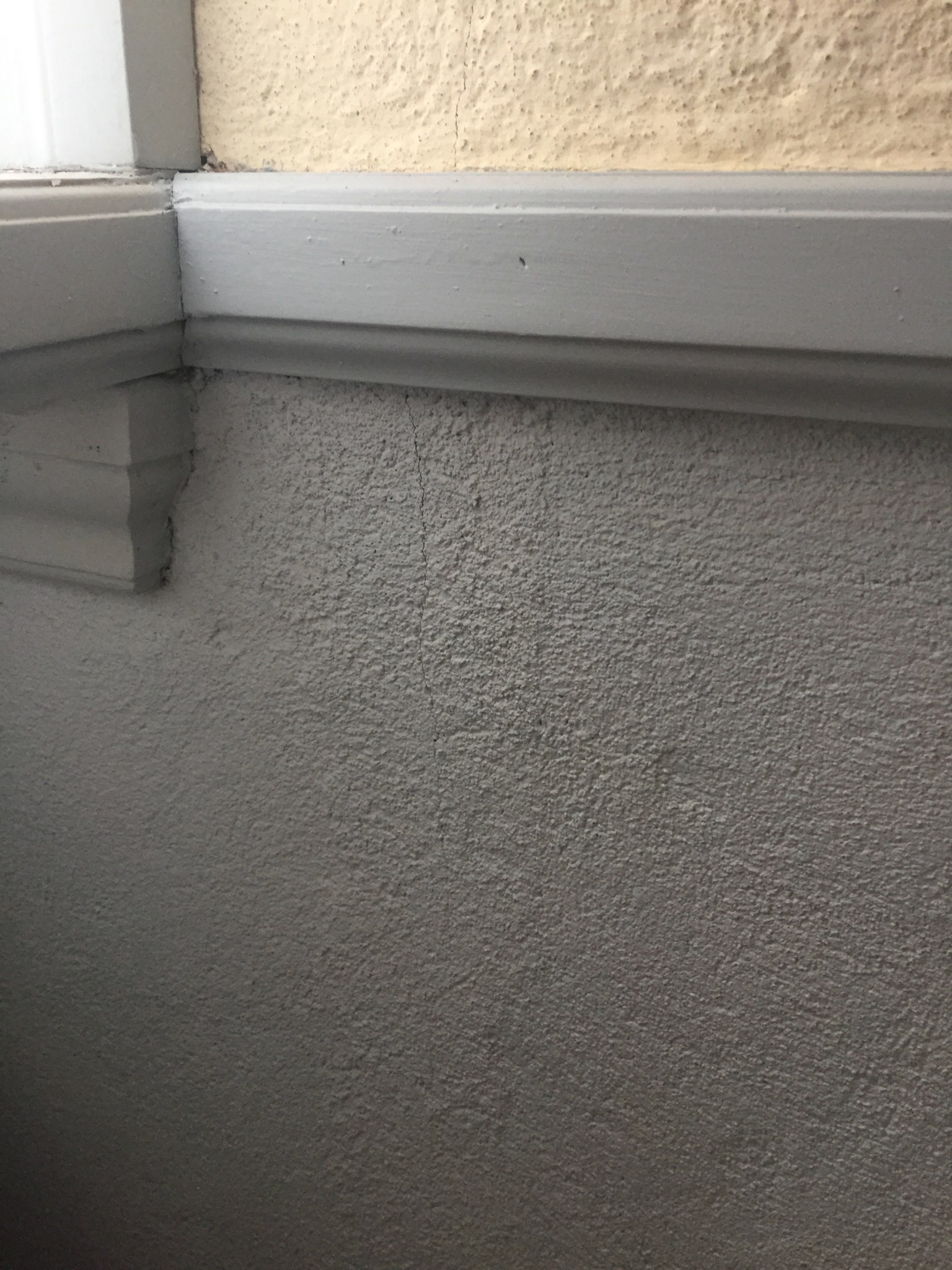
There will be joints between the Träullit boards when you mount them. I believe it's important to use mortar in the joints so they "hang together" and form a stable base for the plaster. Silicate paint will surely be good, no experience with Kalklitir. Hydraulic lime mortar, tinted with lime paint above the molding, painted with egg oil tempera below. The hairline cracks are visible both above and below the molding.
My entire basement has plastered träullitskivor on the walls. I would guess that it was done at the end of the 1940s and they are attached and plastered with lime mortar.
Have started tearing off woven wallpapers from the basement in our newly acquired old house. Found what we believe is wood wool board behind the plaster that immediately started to crumble. Is it normal to have these boards in a basement wall (considering moisture, I mean) and is there a chance that ours will dry out once we remove everything that's trapping the moisture? Or is it just a matter of removing and re-insulating? Unfortunately, the house has probably been damp for a long time...
Started tearing away the woven wallpapers from the basement in our newly acquired old house.
We found what we believe is träullsmatta behind the plaster, which immediately began to crumble. Is it usually possible to have these boards in a basement wall (I mean considering moisture) and is there a chance that ours will dry once we've removed everything trapping the moisture? Or is it just better to remove and insulate anew? Unfortunately, the house has probably been damp for a long time...
The best thing you can have on a basement wall, it withstands moisture better than anything else.
Okay, it doesn't feel like this is optimal when the plaster falls out. Do you think you can leave it (the part that doesn't fall out) when it's dried out?
I had a basement where previous owners had moisture intrusion. They drained around the entire house.
When I took over, plaster was missing in places where they had the moisture, but by then it was dry and fine, so I just replastered.
My Träullit was still attached/holding together.
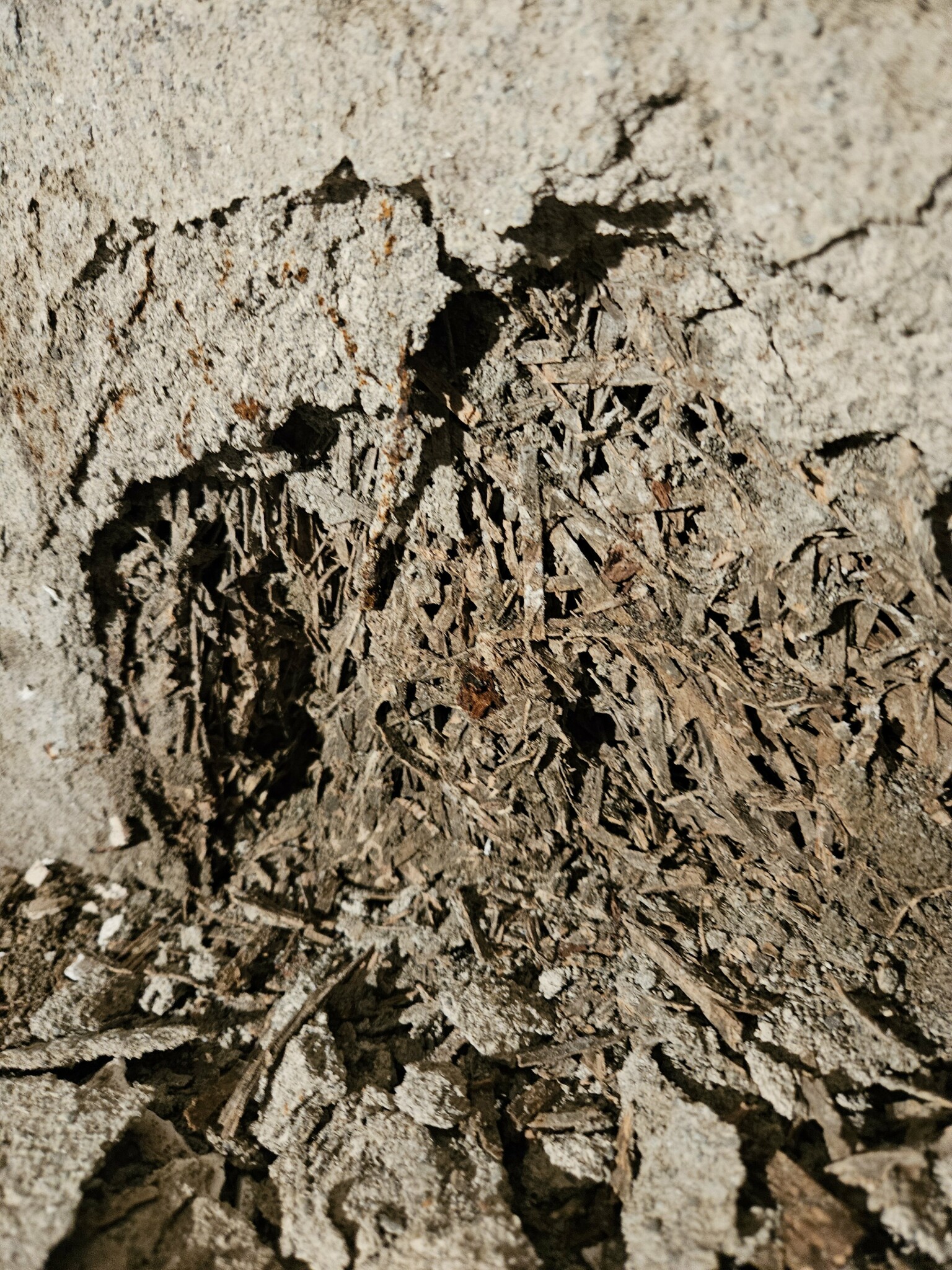
I must report a slightly different opinion here. Not that it's a directly bad material, but it's not 100% resistant and breaks down in a humid environment over the years into crumbs and "soil," a bit like in the picture.
So in places where you can easily scrape off the träullit, you need to repair it before it can be plastered over. I have cleaned and filled with "homemade" träullit - wood wool and cement slurry according to the träullit recipe. Alternatively, you can cut pieces of boards and insert them, but today's boards don't have the same thicknesses as before.
In undamaged areas, however, there is no direct reason for any action. It will likely dry out nicely.
Click here to reply
Vi vill skicka notiser för ämnen du bevakar och händelser som berör dig.



Isakare said: