
4,388 views ·
6 replies
4k views
6 replies
Yet another question about insulating the roof in an old house - choice of materials etc
We are about to start renovating our old house, built sometime around the early 1900s (unclear). The house has 2 floors, a gabled roof with metal sheeting, and the facade consists of masonite. The house has a timber frame (except for an expanded hall/staircase). There's an excavated basement - and the rest has a crawl space. It is quite poorly insulated, the attic floor is insulated with sawdust and the walls lack insulation (there is old tar paper or similar as windproofing). A lot (like all) heat leaks up to the cold attic... The house is located along the Norrland coast, near the sea. As far as we can see, the house seems to have managed quite well, no bad smell or traces of mold or similar...
Now to the question - how should I think about insulating the roof? What have you done? What would you do? We will continue to have insulation in the attic floor - but I'm unsure about the choice of material and technique. Should we use something like stone wool and a vapor barrier? Or use, for example, eco-fiber/cellulose-based insulation and wind protection fabric? There is currently a hatch up to the cold attic from the indoor second floor - how should we handle this with regard to using a vapor barrier? How should we handle ventilation and air gaps? Or??
My elderly father will assist with the work, and he has worked as a carpenter for over 50 years but retired a couple of years ago. Should we rely on his knowledge, or? (Perhaps a strange question - but he looked completely puzzled when I told him what I read on sites like byggnadsvard.se etc.) He had never seen an insulation board with cellulose-based material - and even less considered whether the material is hygroscopic or not...
We will replace the facade without adding any additional insulation, but will put up windproofing so the wind doesn't blow straight through the house.
Now to the question - how should I think about insulating the roof? What have you done? What would you do? We will continue to have insulation in the attic floor - but I'm unsure about the choice of material and technique. Should we use something like stone wool and a vapor barrier? Or use, for example, eco-fiber/cellulose-based insulation and wind protection fabric? There is currently a hatch up to the cold attic from the indoor second floor - how should we handle this with regard to using a vapor barrier? How should we handle ventilation and air gaps? Or??
My elderly father will assist with the work, and he has worked as a carpenter for over 50 years but retired a couple of years ago. Should we rely on his knowledge, or? (Perhaps a strange question - but he looked completely puzzled when I told him what I read on sites like byggnadsvard.se etc.) He had never seen an insulation board with cellulose-based material - and even less considered whether the material is hygroscopic or not...
We will replace the facade without adding any additional insulation, but will put up windproofing so the wind doesn't blow straight through the house.

The problem is that if you improve the insulation in the attic floor, the attic becomes colder, which results in an increase in RH. So an attic that has previously managed without issues due to heat leakage can become a moisture-damaged attic afterward. I assume you haven't measured RH & temp in the existing attic? If so, you could have followed moisture/temp curves and seen at what temperature moisture problems would occur, and tried to adjust the insulation accordingly. Regardless, it's probably not wrong to do this moving forward. Then you'll have time to address it if problems arise after the change.
If you plan to make a substantial improvement to the insulation, you should definitely use a vapor barrier or blocker. Hygroscopic materials can only handle very short-term moisture surpluses. Then they get damaged, which all attics and foundations with moisture problems show. The attic hatch must be sealed in any case.
All insulation must be protected against wind (all around/on all sides). Except for classic sawdust insulation. (Incidentally about wind fabric)
If you plan to make a substantial improvement to the insulation, you should definitely use a vapor barrier or blocker. Hygroscopic materials can only handle very short-term moisture surpluses. Then they get damaged, which all attics and foundations with moisture problems show. The attic hatch must be sealed in any case.
All insulation must be protected against wind (all around/on all sides). Except for classic sawdust insulation. (Incidentally about wind fabric)

Hemp and wind barrier are my melody. Until proven otherwise.
Quite cheap and pleasant to work with natural products.
This was enough motivation for me, tables with lambda values I set aside.
Quite cheap and pleasant to work with natural products.
This was enough motivation for me, tables with lambda values I set aside.
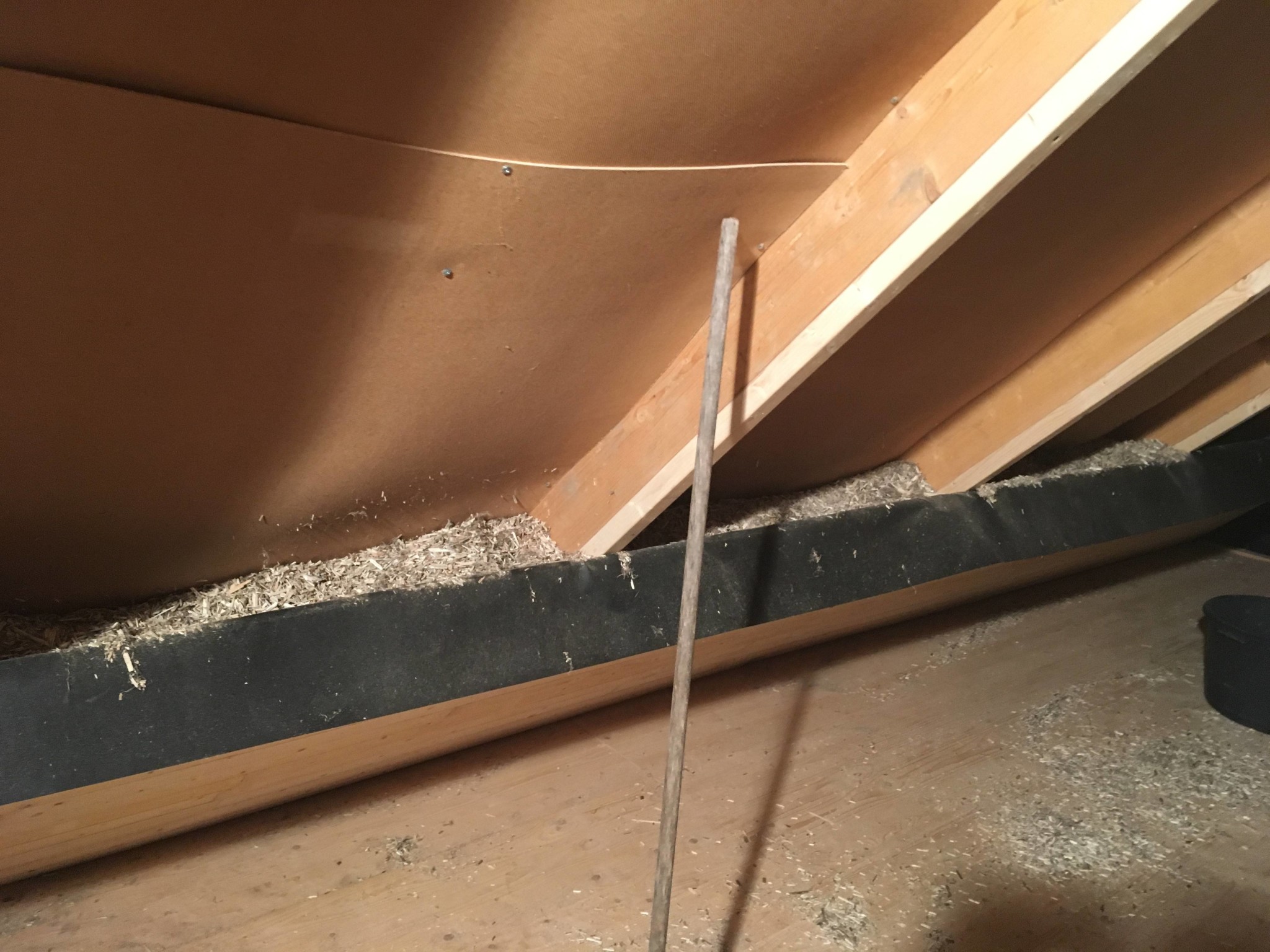
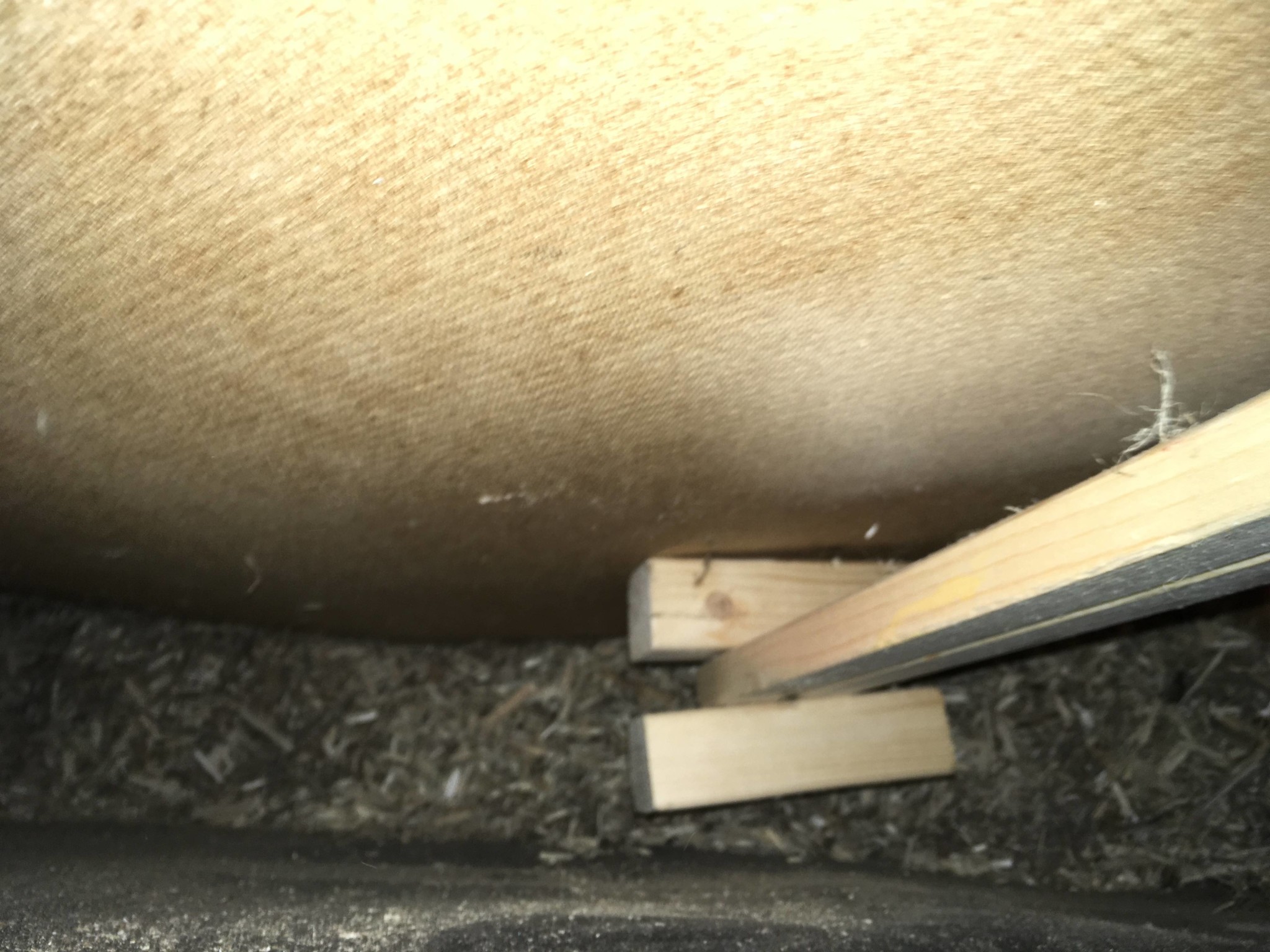
I wanted to insulate with something other than fiberglass or similar and was looking at various eco-wool cellulose options. Often companies want to sell expensive membranes and relatively costly insulation.
That's when I heard about hemp.
Hemp is divided into wool and hurds. Hurds are chopped bits of the plant, also good as bedding material for stables.
I am currently in the process of insulating my attic and have put hemp between my roof rafters, then covered it with windproof paper and boards. Now I need to make a room...
I have read and seen some who have instead insulated with hemp wool that resembles caulking that you can simply place between the rafters and fasten with wire or other thread.
There are many ways to do it, but sometimes you just don't want to do what everyone else does.
Thanks for the response.
Now more thoughts are coming, and I'm not quite sure what I'm actually asking for.
But, the house has a log construction - and now we have started to think about removing the masonite and the potential masonite board insulation of about 1 cm that is nailed directly onto the log structure...and if the log structure is okay, paint it and, well...do nothing more with the facade. That is, no new boarding/additional insulation.
Anyone out there with thoughts on that? Experience?
The house is, as mentioned, poorly insulated now, and I think that what we remove doesn't insulate significantly...so the house won't be colder than it is now. Or!?
Now more thoughts are coming, and I'm not quite sure what I'm actually asking for.
But, the house has a log construction - and now we have started to think about removing the masonite and the potential masonite board insulation of about 1 cm that is nailed directly onto the log structure...and if the log structure is okay, paint it and, well...do nothing more with the facade. That is, no new boarding/additional insulation.
Anyone out there with thoughts on that? Experience?
The house is, as mentioned, poorly insulated now, and I think that what we remove doesn't insulate significantly...so the house won't be colder than it is now. Or!?
Click here to reply