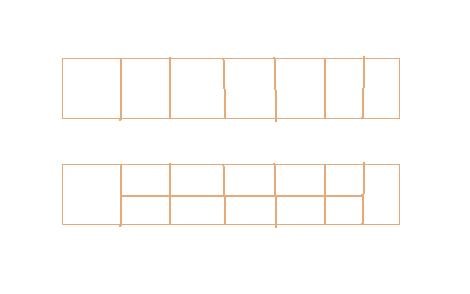
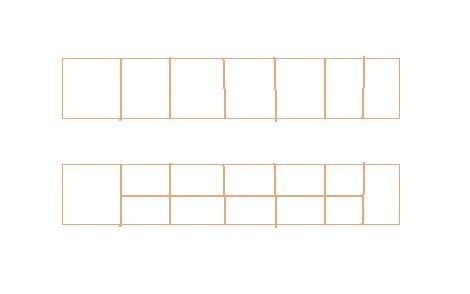
One could be witty and say it depends on body weight. It might work for a smaller child, but with my 90+, I think it might bend. But it will probably hold. Can't you put a piece of the board on its edge right underneath? 50mm or so.
(Now, I'm more of a carpenter than a furniture maker, so I like to go a bit extra.)
If it is screwed at the ends also affects, a loose sheet warps more easily
It depends on what it is screwed into.
If it is screwed into two ends that cannot move (e.g. concrete walls), it will take MUCH more for it to deform. However, if it is screwed into a shaky wooden base, which is common for a bench, the difference is much smaller compared to a loose sheet.
/ Fredrik
Click here to reply
Vi vill skicka notiser för ämnen du bevakar och händelser som berör dig.


 . It might work for a smaller child, but with my 90+, I think it might bend. But it will probably hold. Can't you put a piece of the board on its edge right underneath? 50mm or so.