
Hello, we have a 3-story wooden house from the 1920s that we are renovating. Since the house is tall and made of wood, we know it moves depending on temperature, when it is windy, etc.
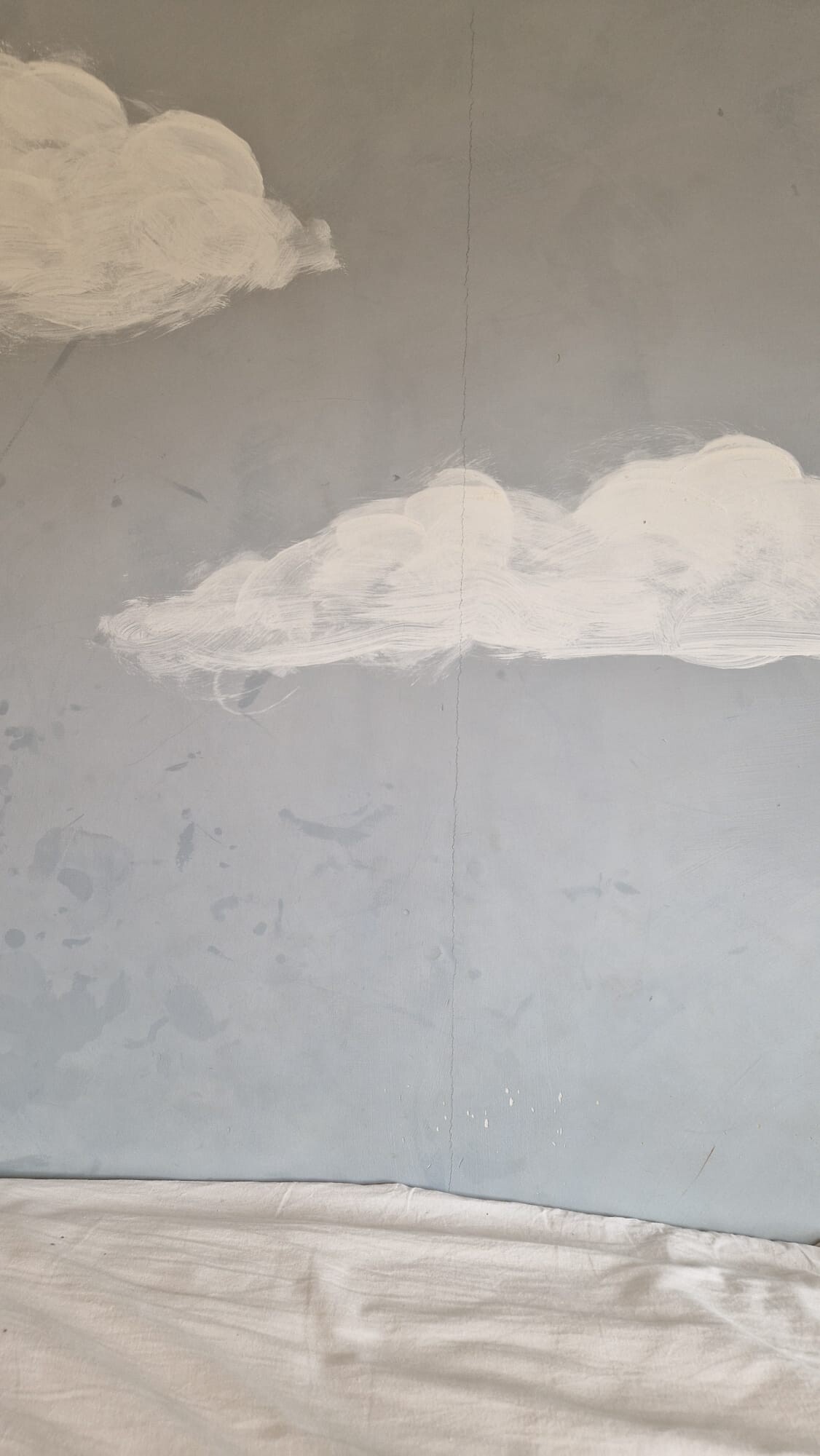
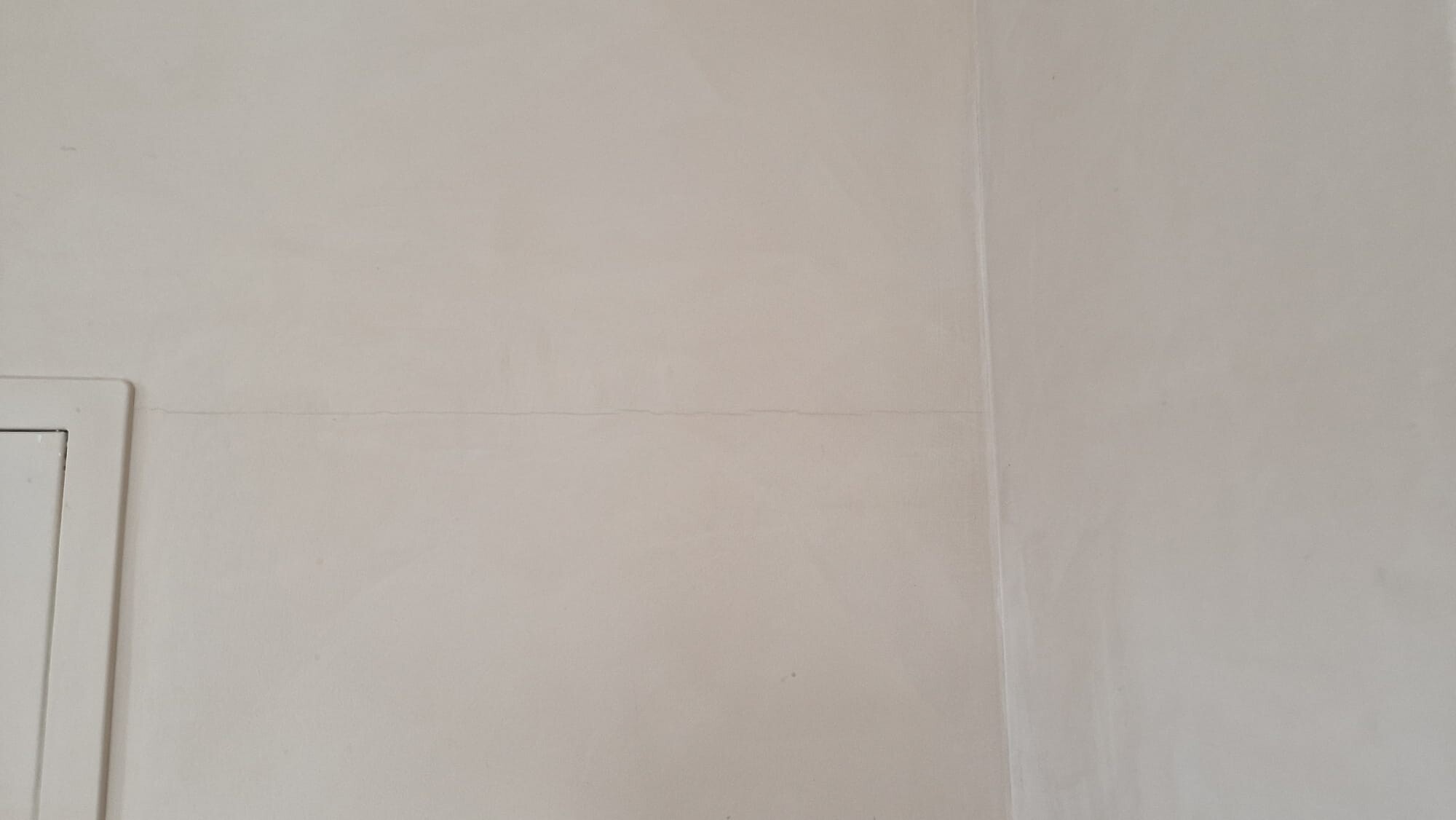
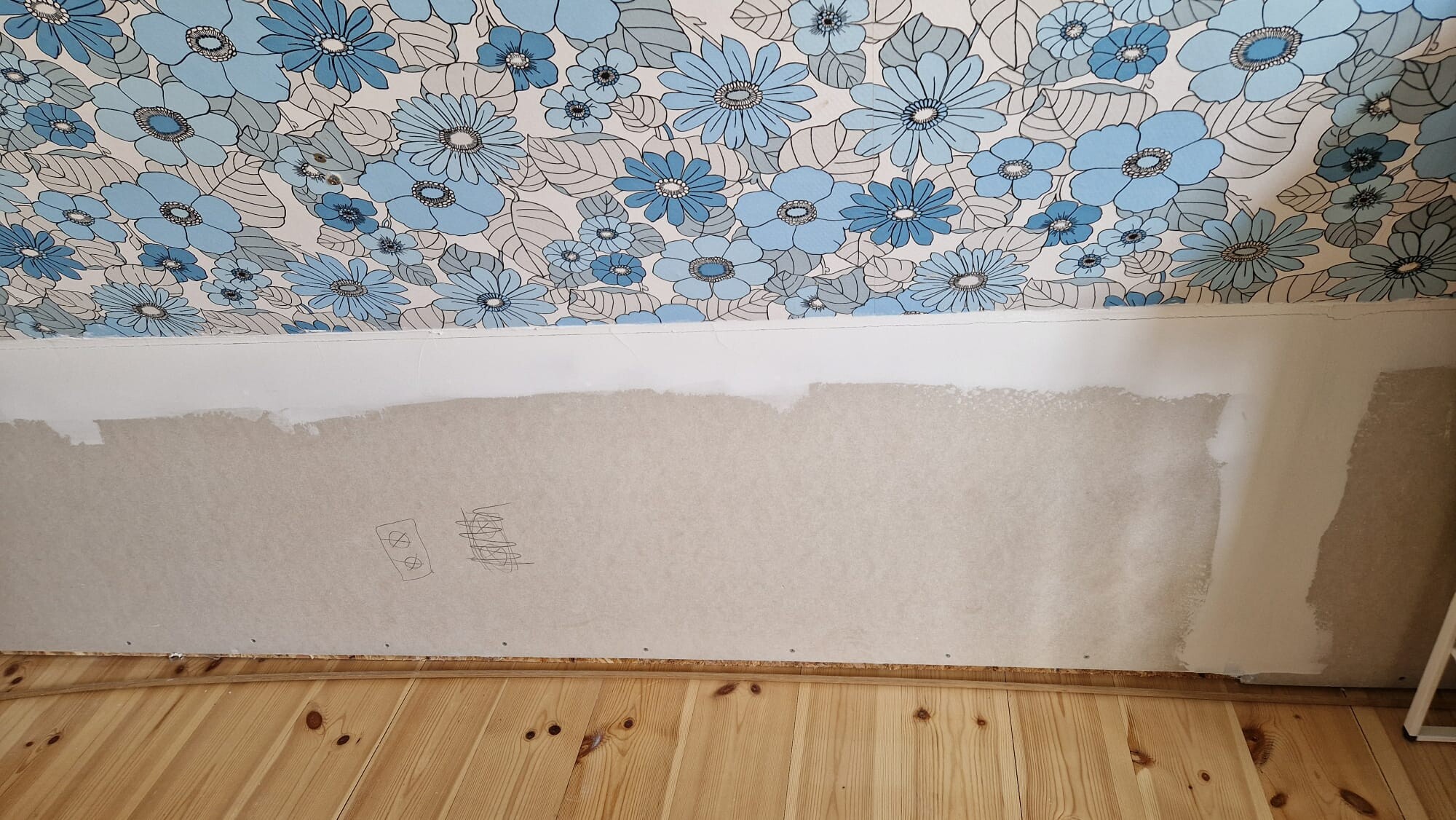
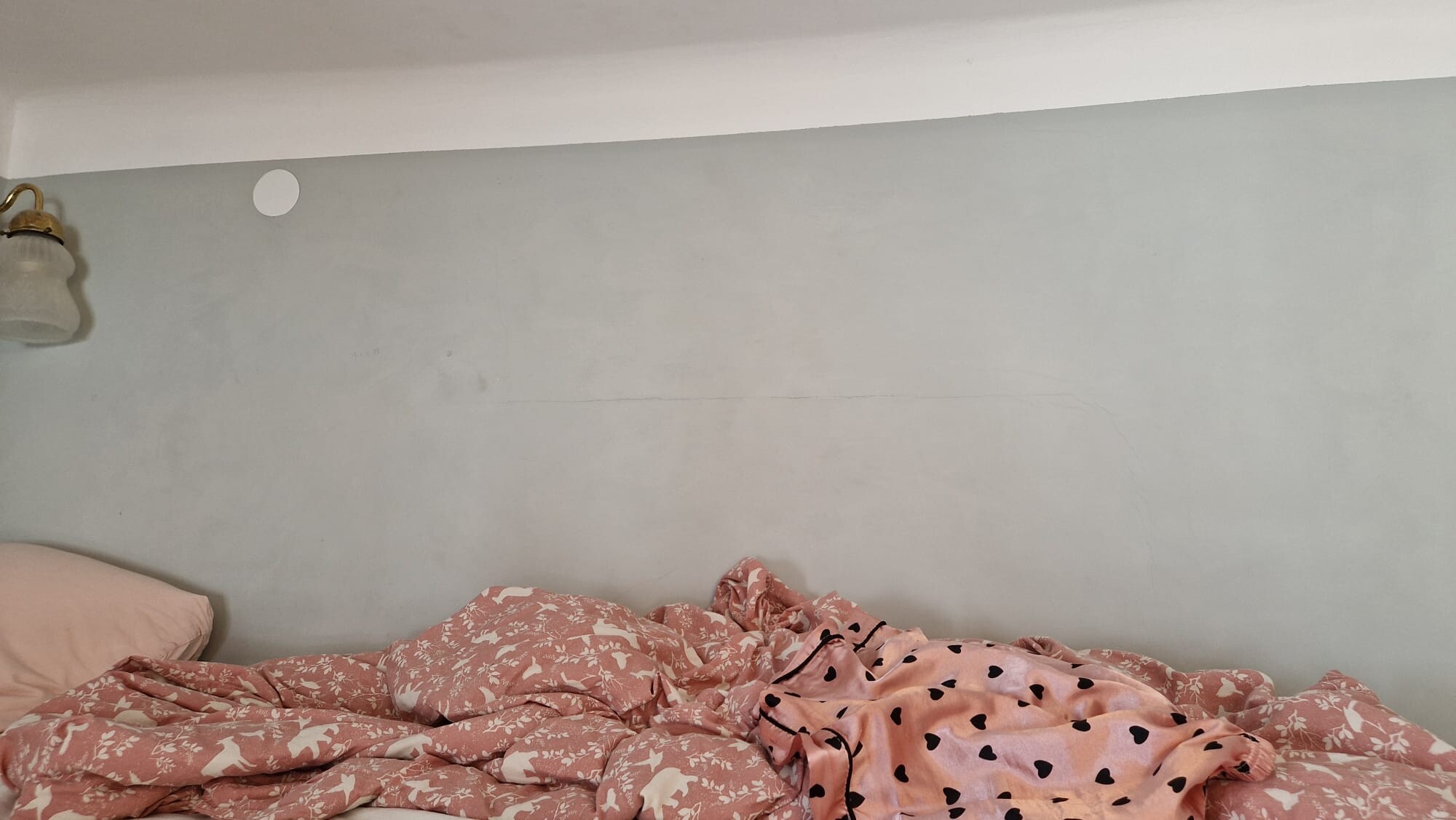
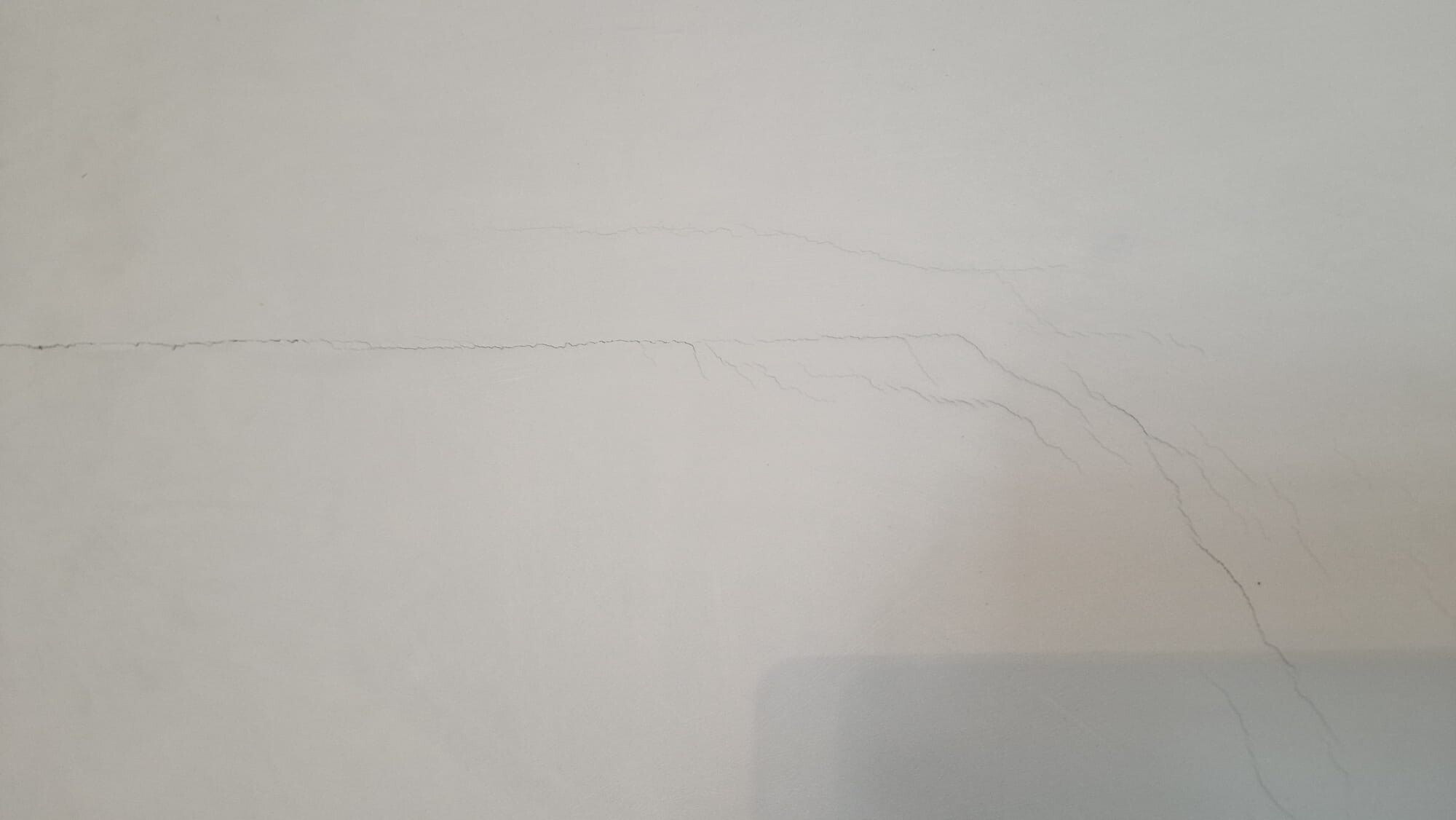
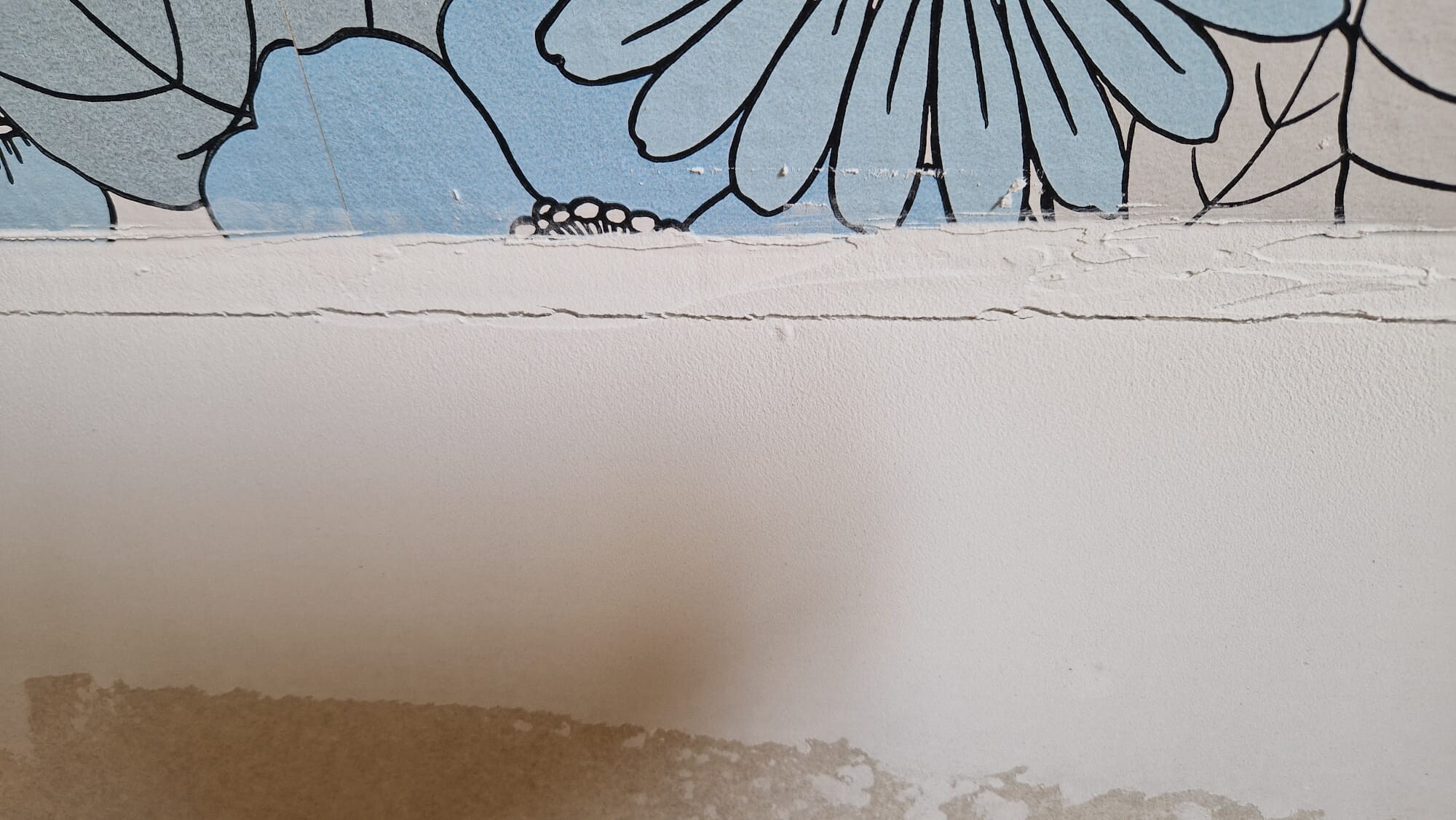
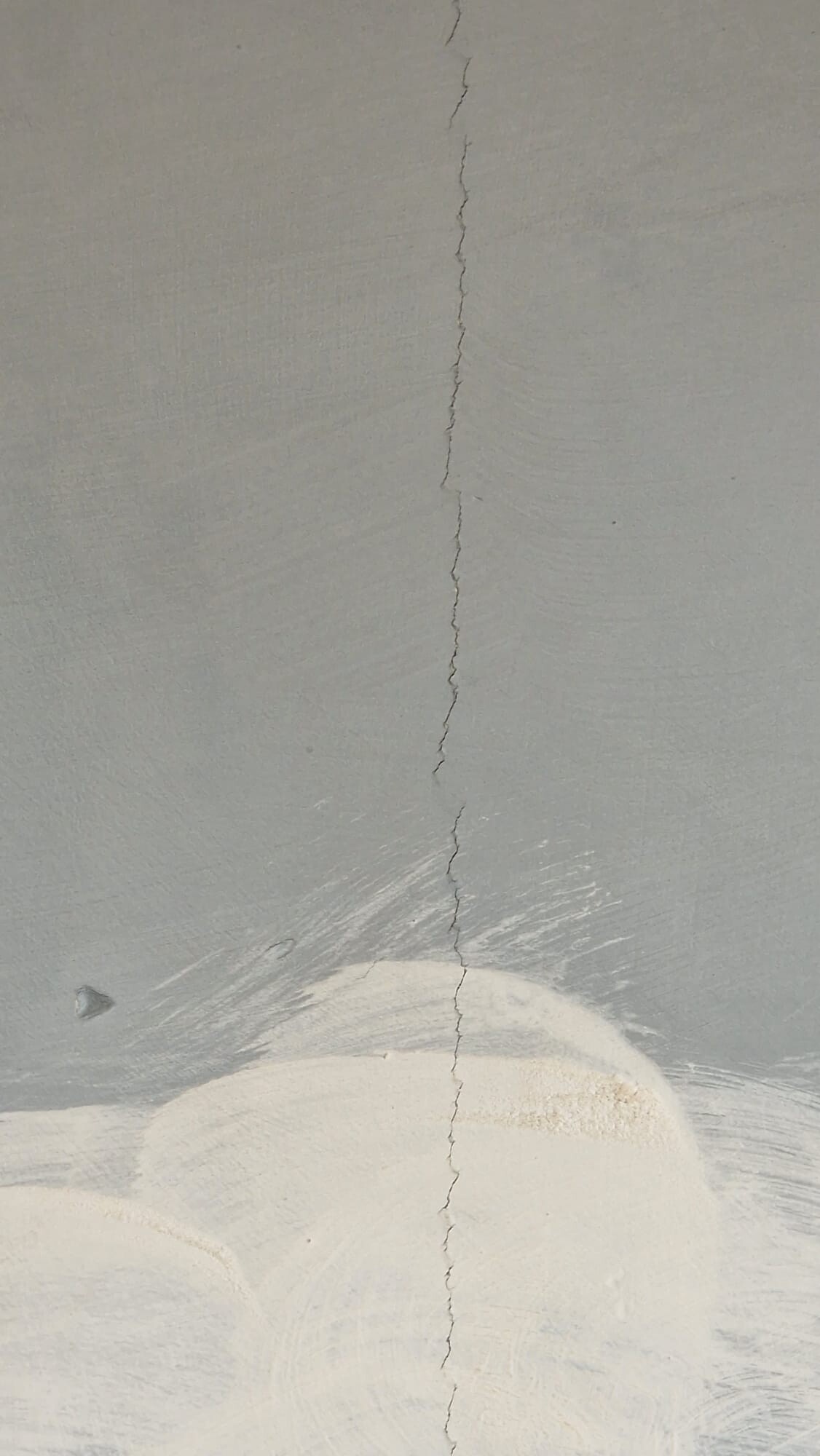
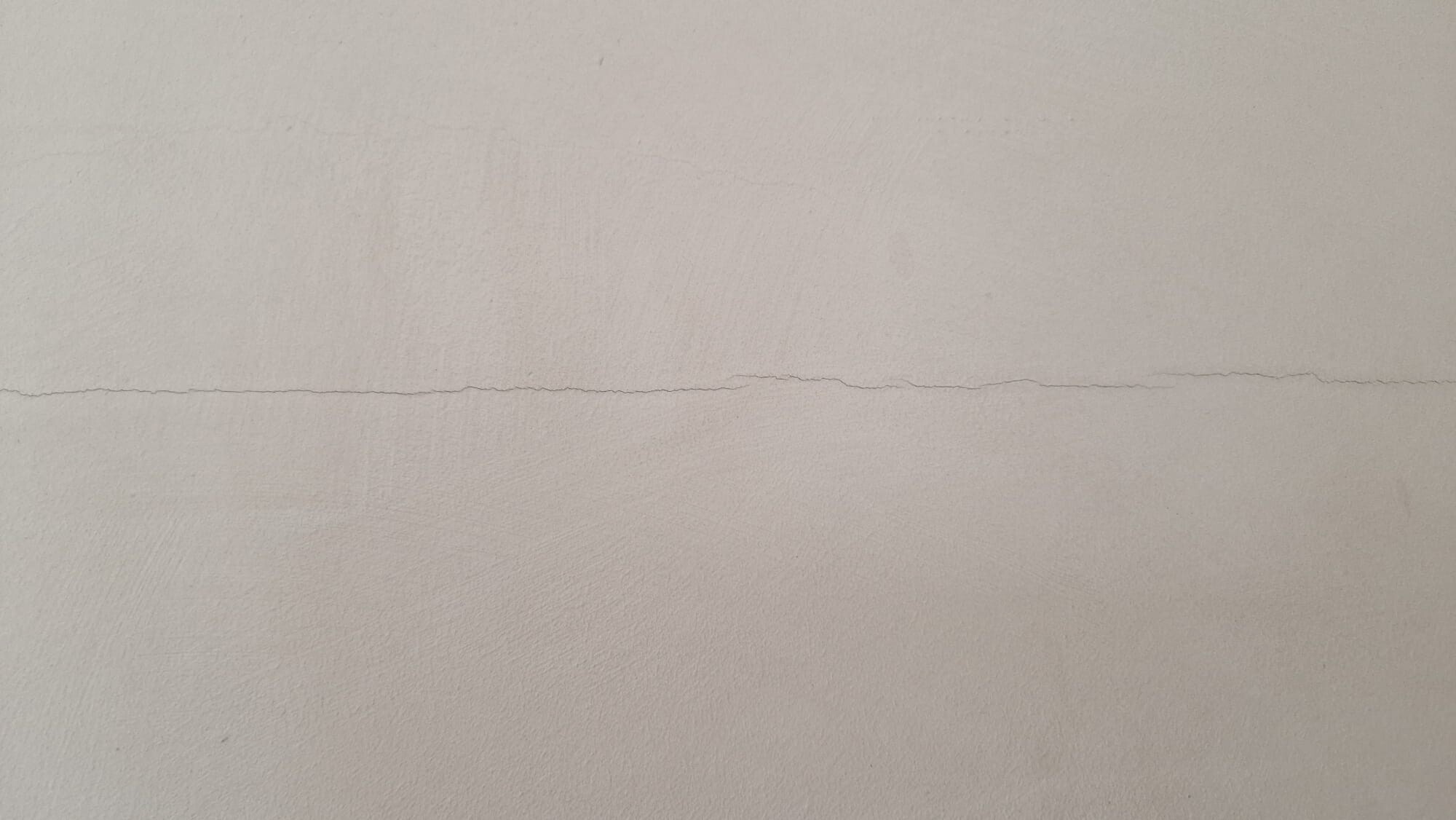
In several rooms, we have applied plaster as a surface layer, both directly on studs and with OSB between the studs and plaster. In many places, the joint compound applied between the panels has cracked, which looks very unfavorable, especially since we have spent a lot of time painting with period-appropriate colors, etc. See images.
Could it be that we used the wrong type of joint compound, and which type should we use? We would like to use materials that can be painted over and try to avoid various plastic-based materials, but of course, the most important thing is that it works.
We welcome any tips
See images
In several rooms, we have applied plaster as a surface layer, both directly on studs and with OSB between the studs and plaster. In many places, the joint compound applied between the panels has cracked, which looks very unfavorable, especially since we have spent a lot of time painting with period-appropriate colors, etc. See images.
Could it be that we used the wrong type of joint compound, and which type should we use? We would like to use materials that can be painted over and try to avoid various plastic-based materials, but of course, the most important thing is that it works.
We welcome any tips
See images
Click here to reply