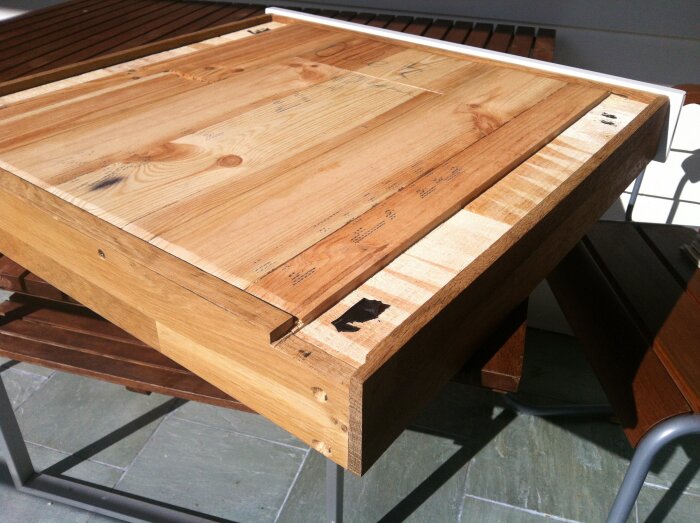
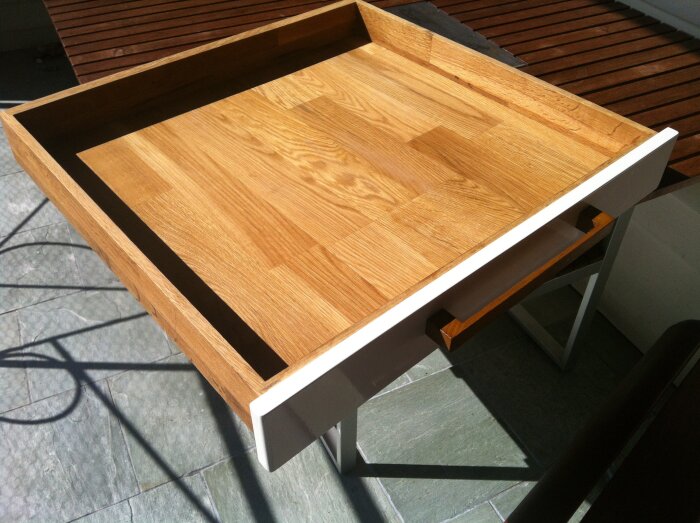
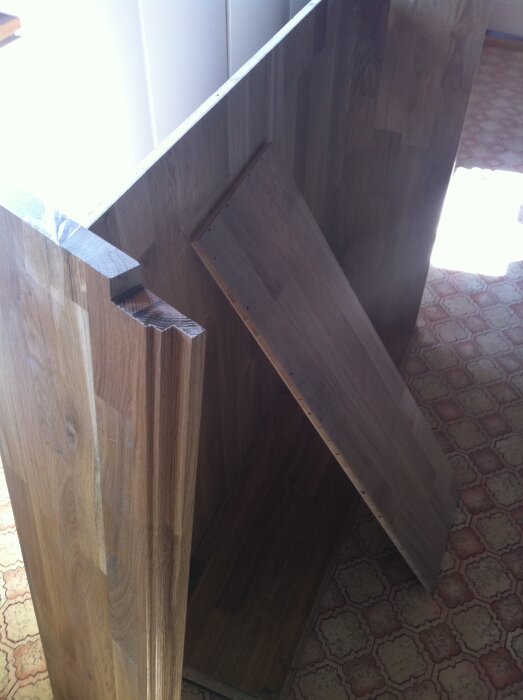
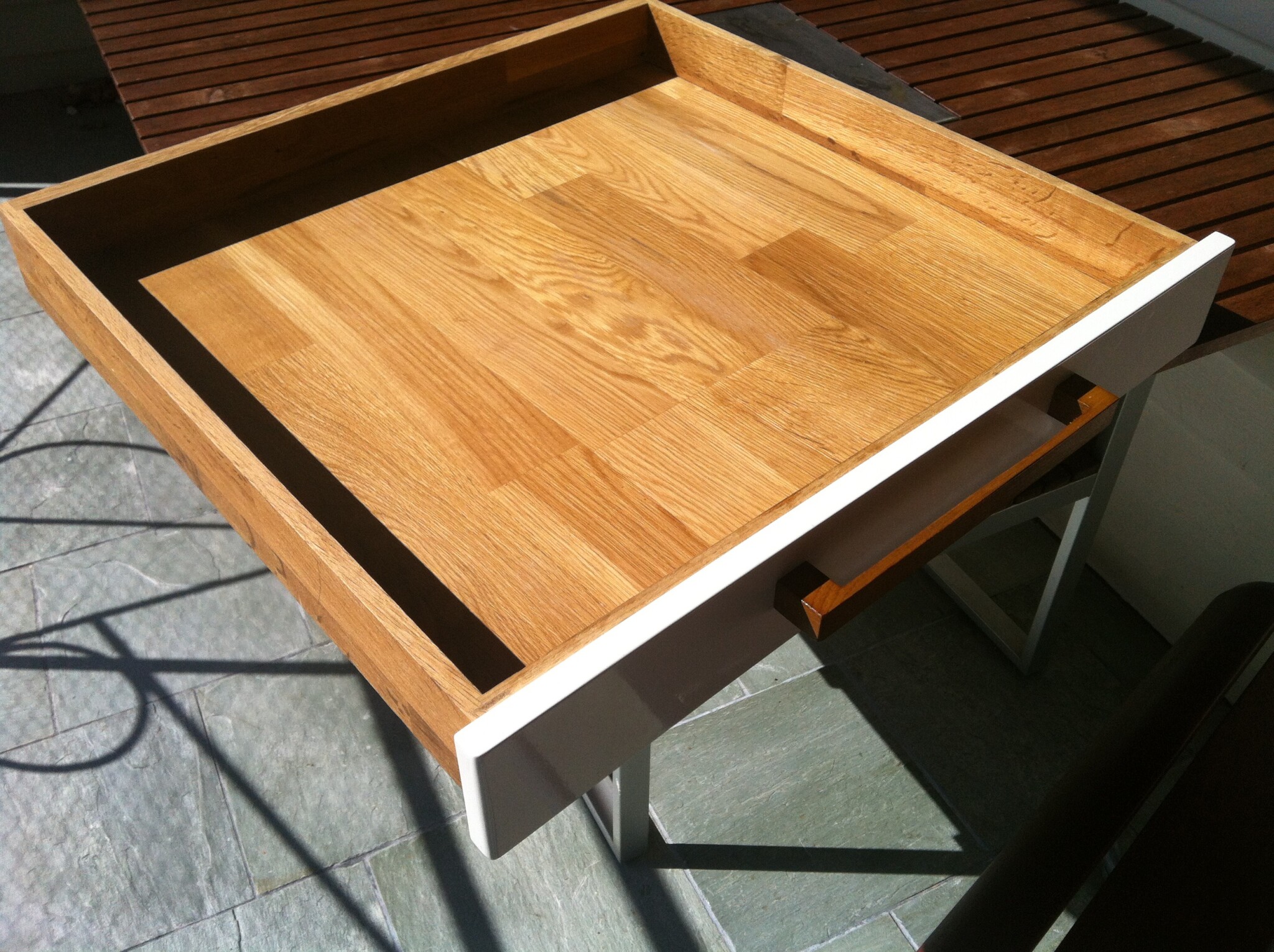
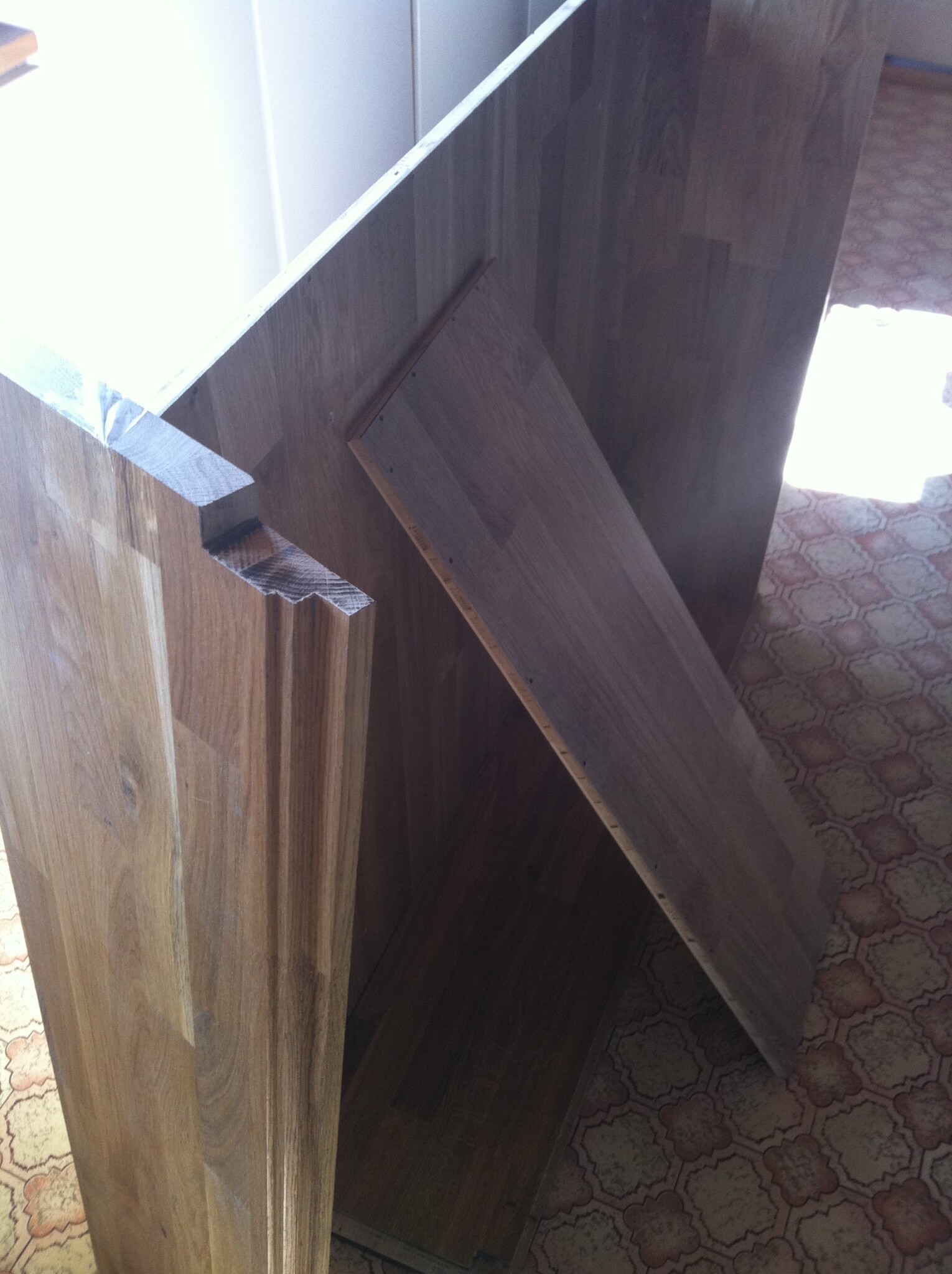
if the starting boards are warped and after cutting them into pieces to glue together, if you alternate each piece, the angle errors will cancel out. nothing will be visible on the finished cutting board
any potential curvature of the surfaces to be glued can be easily removed by sanding against a sheet of sandpaper placed on a flat surface. it involves a limited amount of material to be removed.
getting the surface flat and nice on the finished cutting board is, as we've seen, an easy job.
ultimately, it depends on how many cutting boards you intend to make and any other use you might have for any tools you purchase.
more generally useful tools for woodworking, I think, are a plunge saw, multi-tool, angle grinder with 24 grit paper, and of course, the forced-driven random orbit sander. and it's essentially standard to own a jigsaw and a smaller random orbit sander for finishing. useful but not essential are an electric planer and a plunge router.
none of these require their own space with free areas around like a jointer does. in my opinion, that's quite a significant step to take. expect that 10 square meters will cost a grand per month to maintain. quickly becomes quite expensive cutting boards unless additional uses arise....
Ok, good tips! Yes, as I said, I have a pretty good handle on the final finish, just need to ensure I have good material going into the project...
Yes, I have a good circular saw and an angle grinder but have never worked with coarser than 40 grit paper. I also have rasp-like discs for rough processing, but of course, they're not suitable for cutting boards. I have a jigsaw and a handy random orbit sander for the final finish. I also have an electric planer (which I'm not quite comfortable with yet) and a plunge router with 1400W that works really well.
We'll see how many cutting boards I make or anything else where I might benefit from planing, but it feels quite good to have that option for me, as I'm a bit lazy... 😁 A bench model doesn't take up much space either.
yes, there are several roads to Rome and with a bit of cleverness, you can get around most things.
a table planer like the one first shown in video no. 1 is great if an effort is needed to achieve the first flat surface, and can, as you say, be designed so that it doesn’t take up too much permanent space. a couple of roller supports are very useful.
next, I would like to once again emphasize the plunge saw. what a wonderful problem solver.
.
yes, there are multiple roads to Rome and with a bit of cleverness, you can get around most things.
A table planer like the one first in video number 1 is useful for when you need to make the first plain surface, and as you say, it can be designed not to take up too much permanent space. A couple of roller supports are very helpful.
Next, I would like to highlight the plunge saw again. What a wonderful problem solver.
.
[image][image][image]
If it's just short pieces for a cutting board, you don't need a large jointer. A small benchtop model will suffice. Triton's small benchtop model has received good reviews if you want to buy new, but my tip would be a small inca, emco or similar second-hand. Most are both a jointer and planer and don't take up much space. You will be limited in how long pieces you can run through the jointer, but for small things, it's enough.
If you're just working on short pieces for a cutting board, you don't need a large jointer. A small benchtop model will do just fine. Triton's small benchtop model has received good reviews if you want to buy new, but my tip would be a small inca, emco, or similar used one. Most are both jointers and planers and don't take up much space. You will be limited by the length of the pieces you can run through the jointer, but if it's small items, that should be sufficient.
Hi, thanks for the tips. I bought a bench model at Bauhaus yesterday that has received good reviews.


rakt09 said:
then an additional rough carpentry tip. and with a bit of cleverness, you can get around most things.