
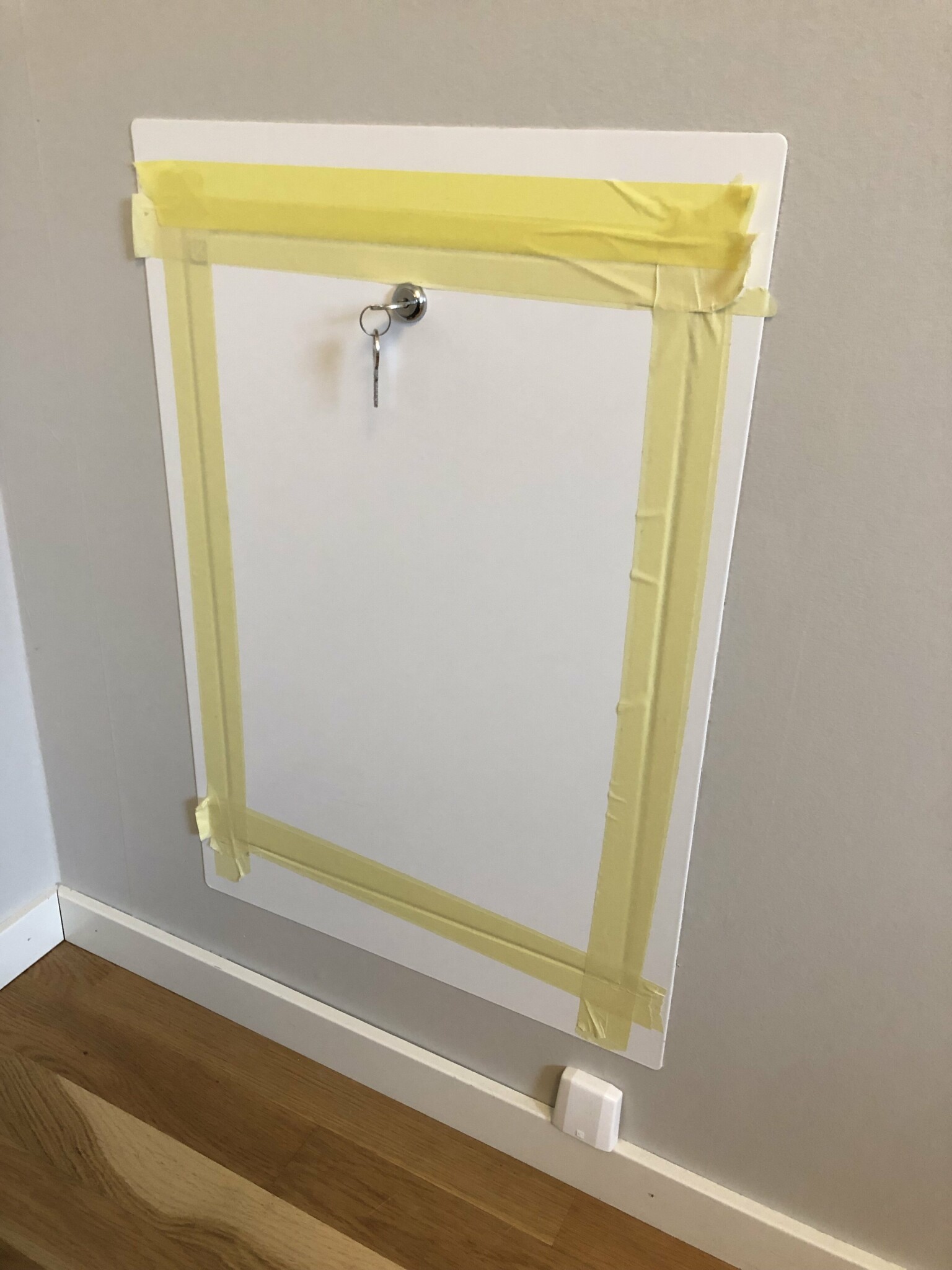
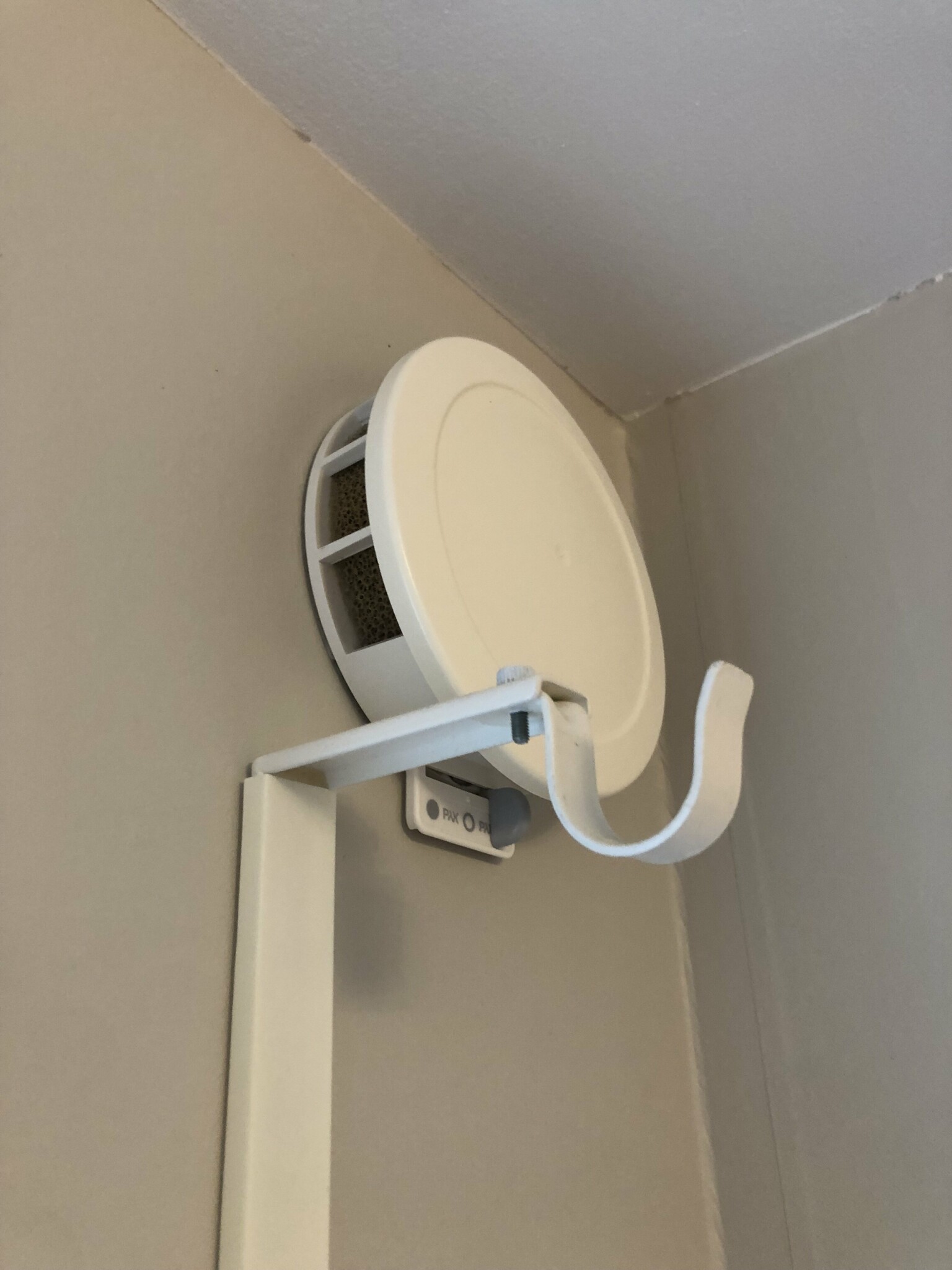
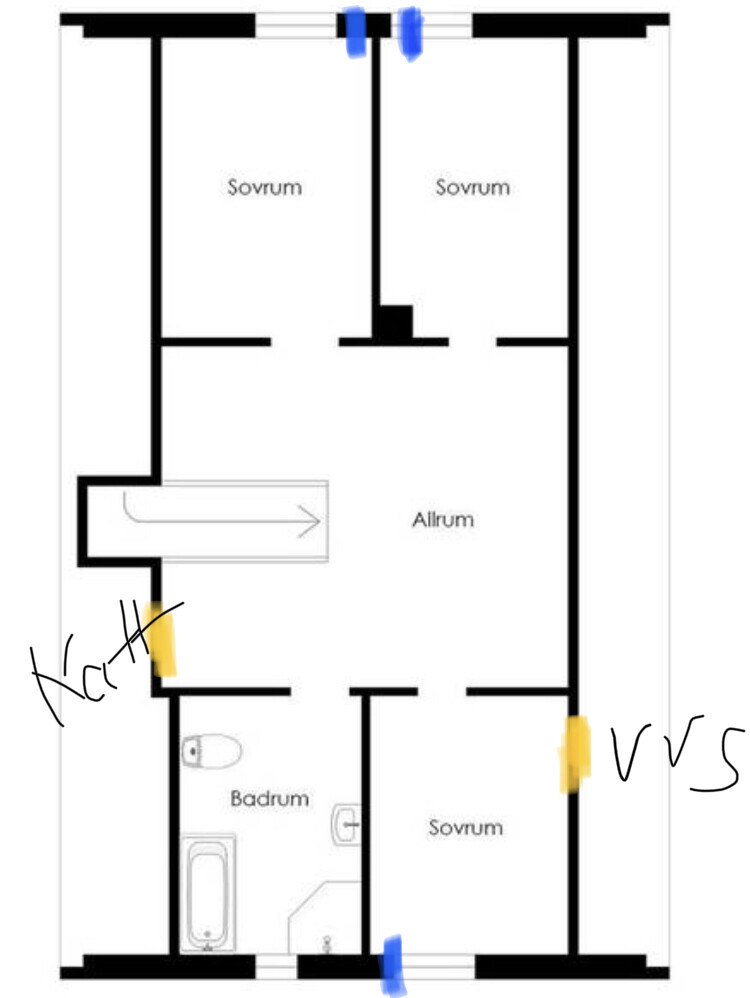
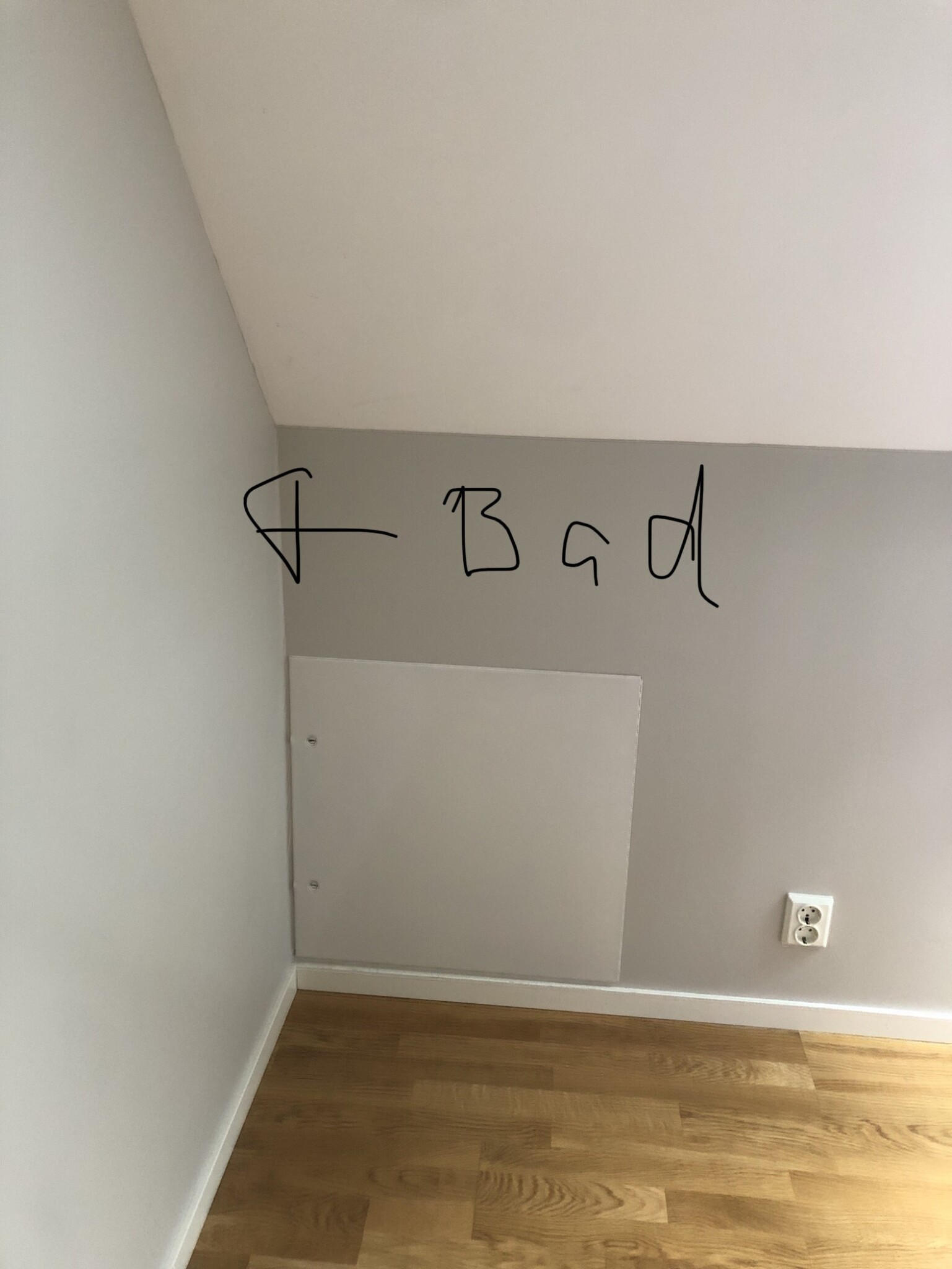
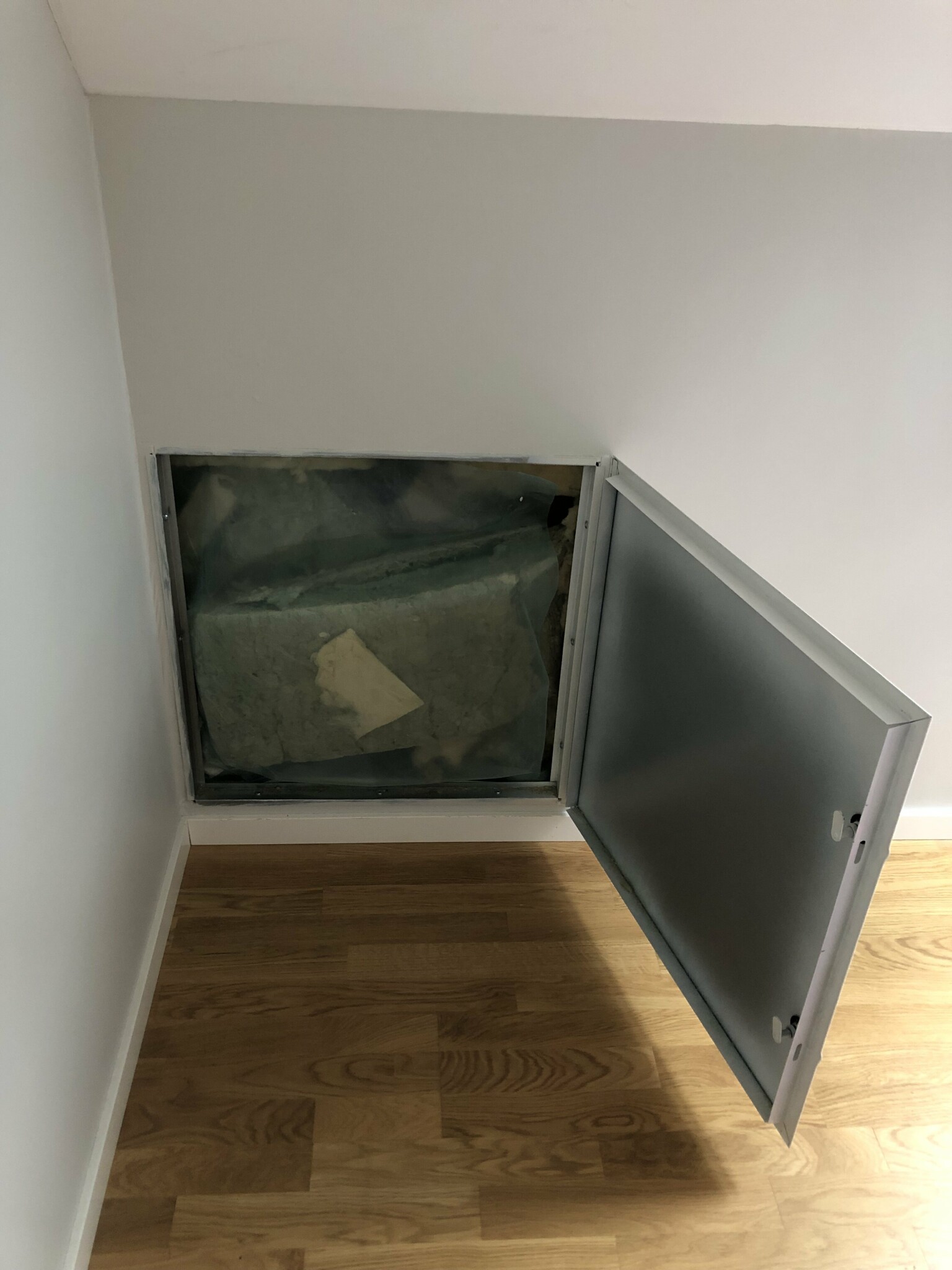
Hello! We live in a Smålandsvilla built in 2014, where we moved in almost two years ago. We've noticed that on the upper floor there can be a smell of attic and insulation, especially in one room if the door is closed and in the family room. The room in question has an inspection hatch to the HVAC, and the family room has an inspection hatch to the attic storage.
By smelling and feeling, I concluded that it was mainly a draft from the HVAC inspection hatch that smelled specifically of attic/insulation. I tried taping the gaps, and it got better. Quite soon, however, the draft switched to the trickle vent (which I haven't taped).
The fresh air vents are open, and the staircase to the upper floor has an open design.
What could be the problem? What can be done about it?
Thanks in advance!
By smelling and feeling, I concluded that it was mainly a draft from the HVAC inspection hatch that smelled specifically of attic/insulation. I tried taping the gaps, and it got better. Quite soon, however, the draft switched to the trickle vent (which I haven't taped).
The fresh air vents are open, and the staircase to the upper floor has an open design.
What could be the problem? What can be done about it?
Thanks in advance!
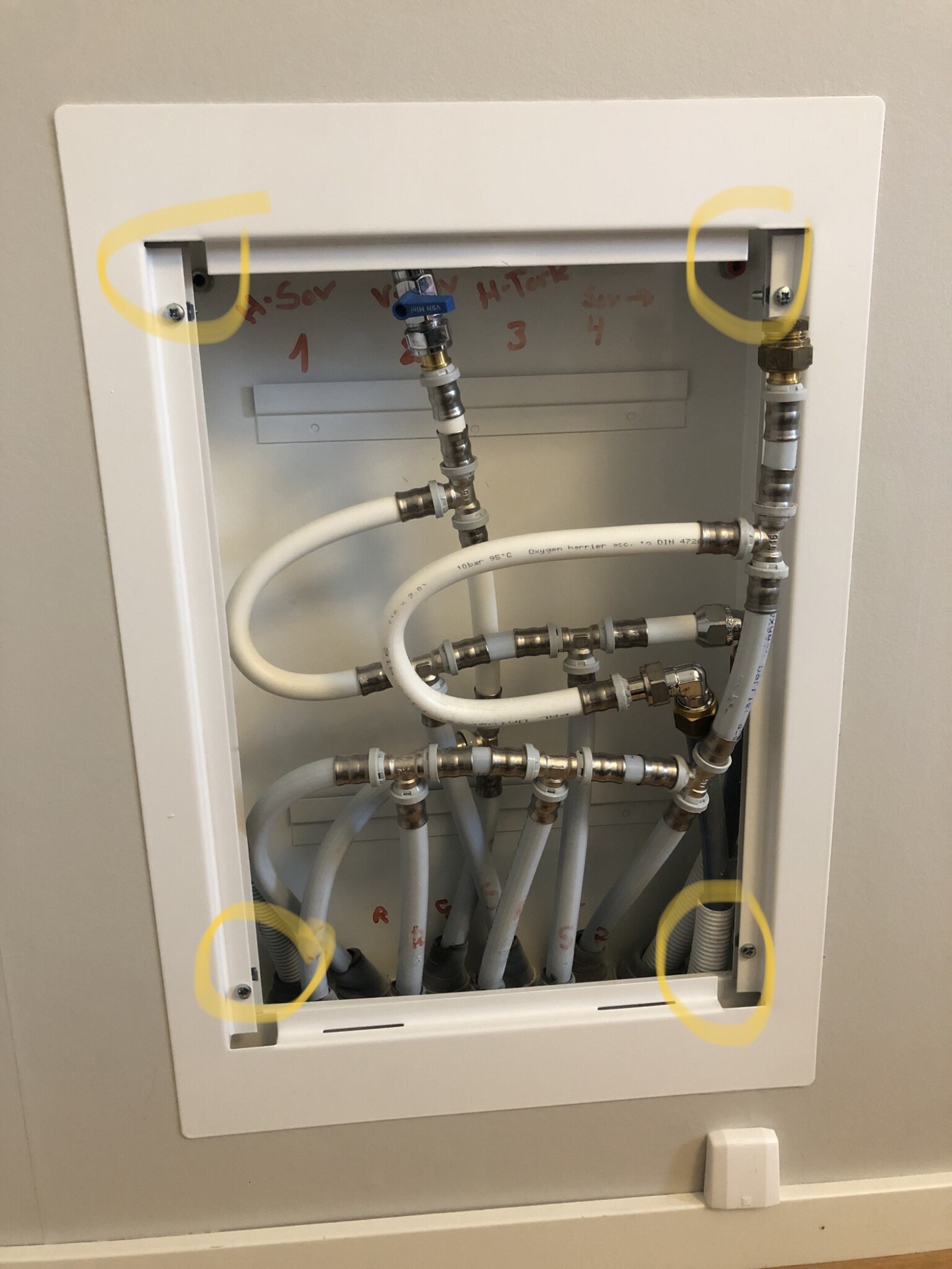
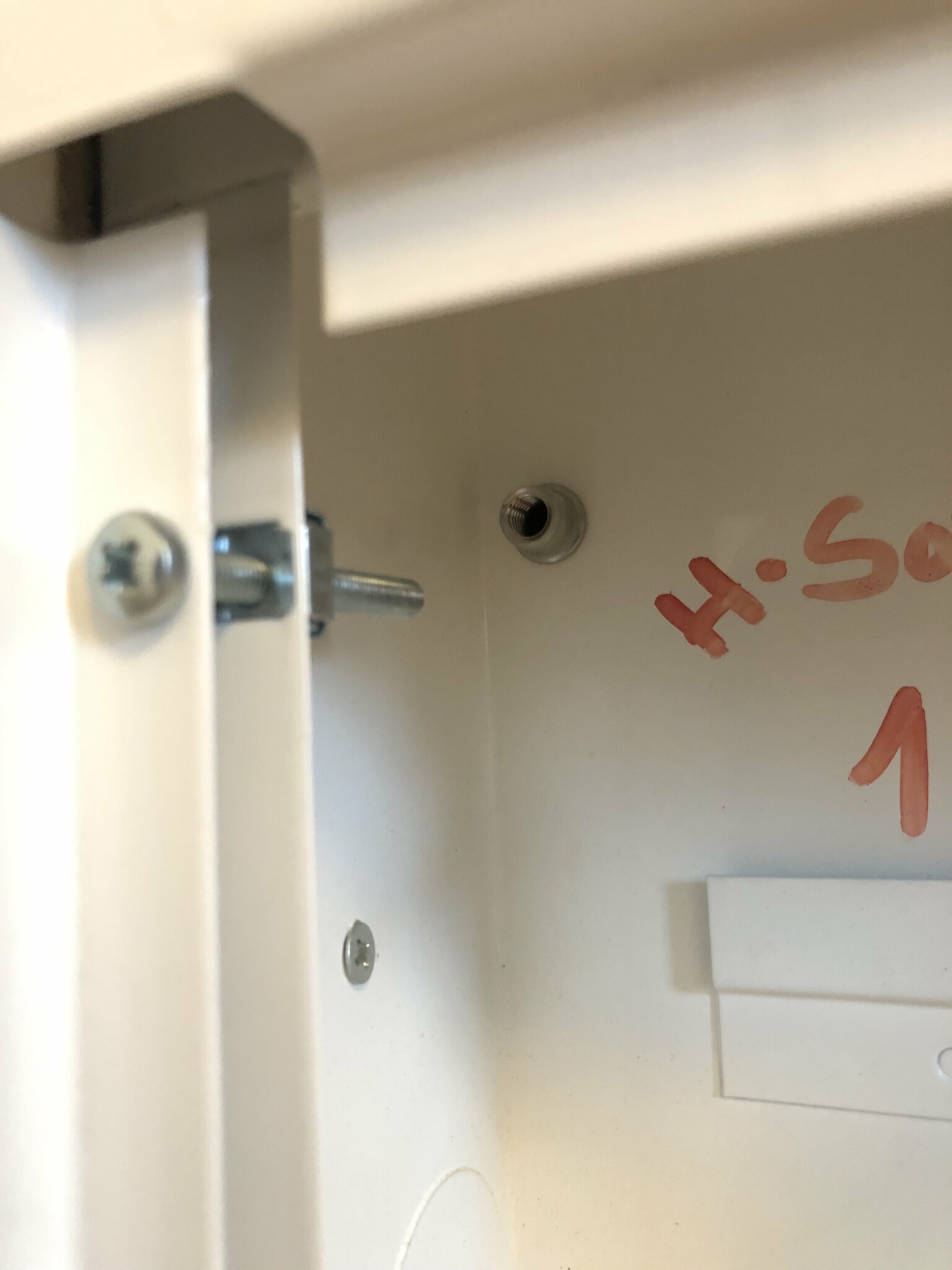
It is not open, but I see that there are four holes in each corner (circled in yellow). Two of the holes have a red plug, the other two are open. There is a draft coming from the open ones. At the bottom, it looks like the opening for the scupper pipe is there. (My amateur hope is now that the problem might be solved by sealing the two openings that lack plugs.)Centano said:
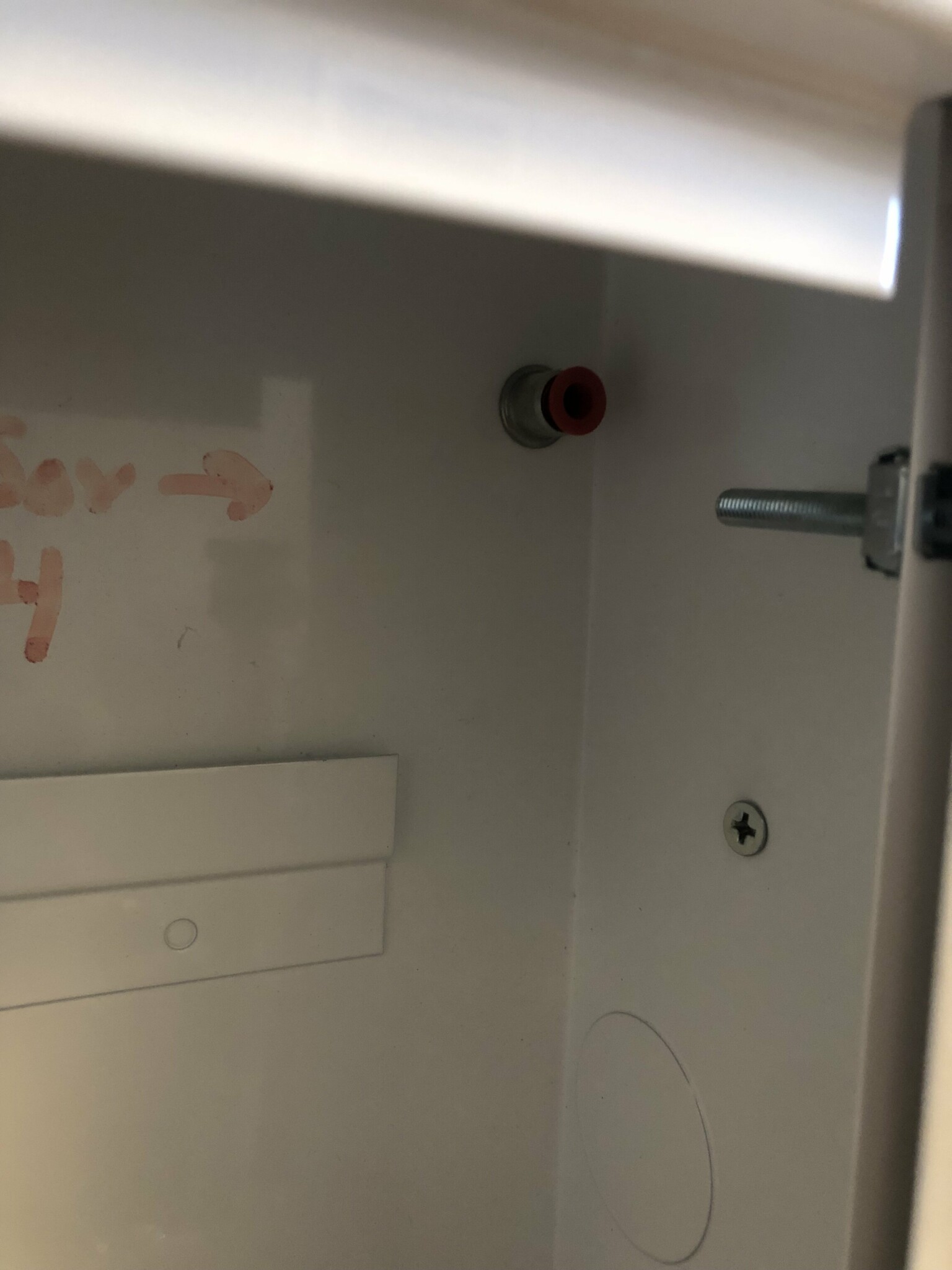
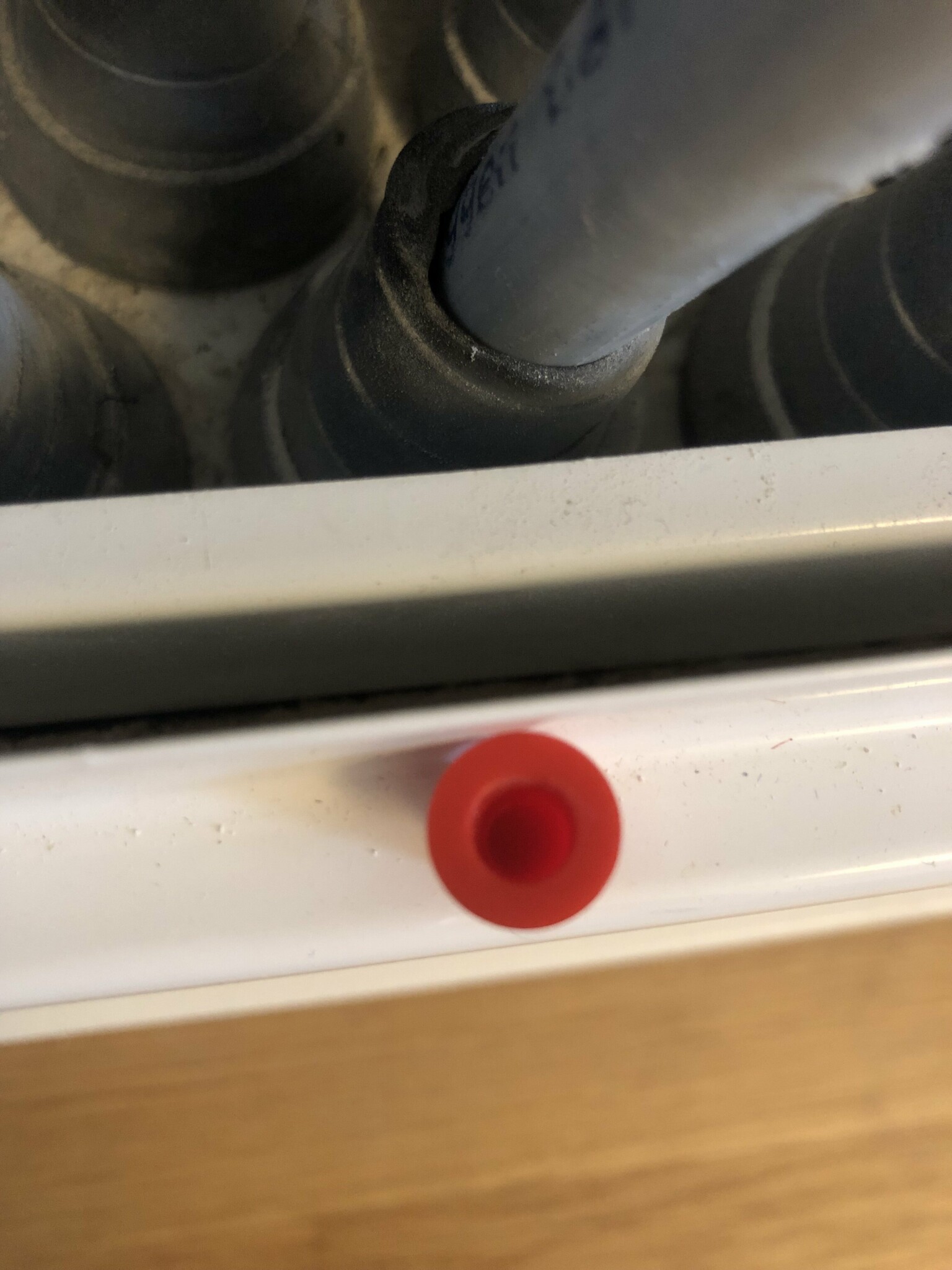
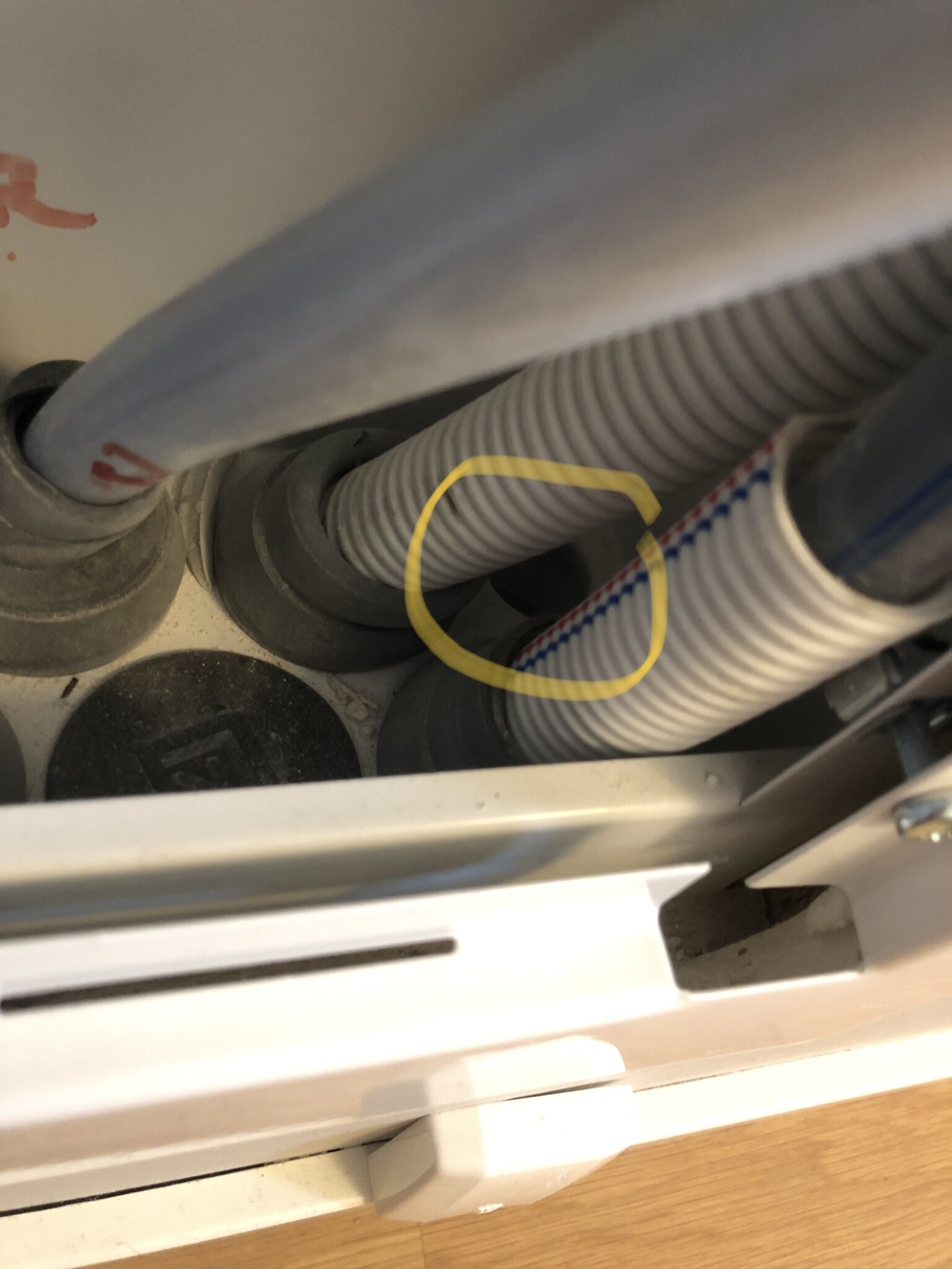
It sounds like there might be contact with the attic space via the back of the cabinet, and the negative pressure in the house is drawing air through the leaks you've pointed out. What kind of ventilation do you have in the house?
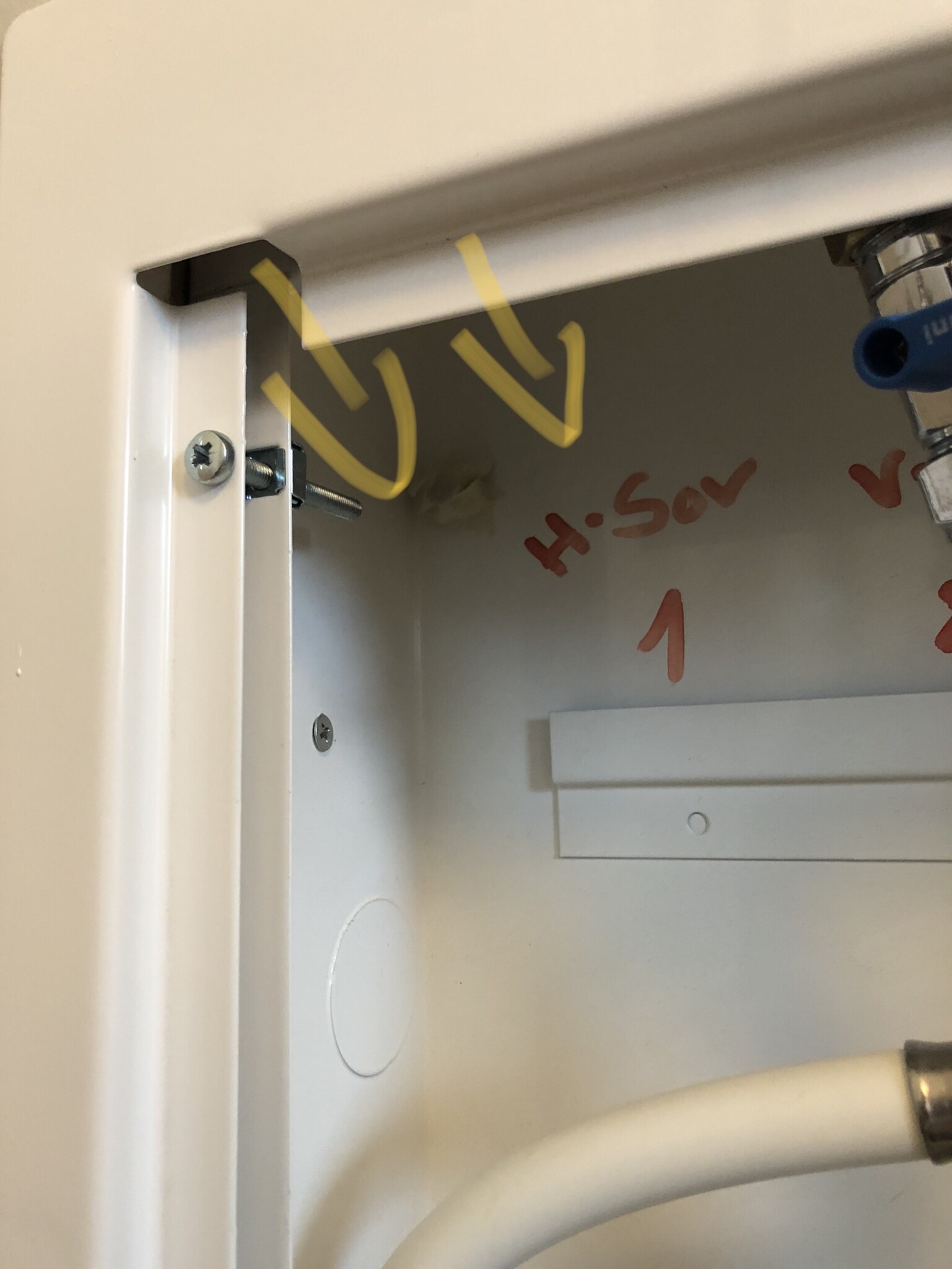
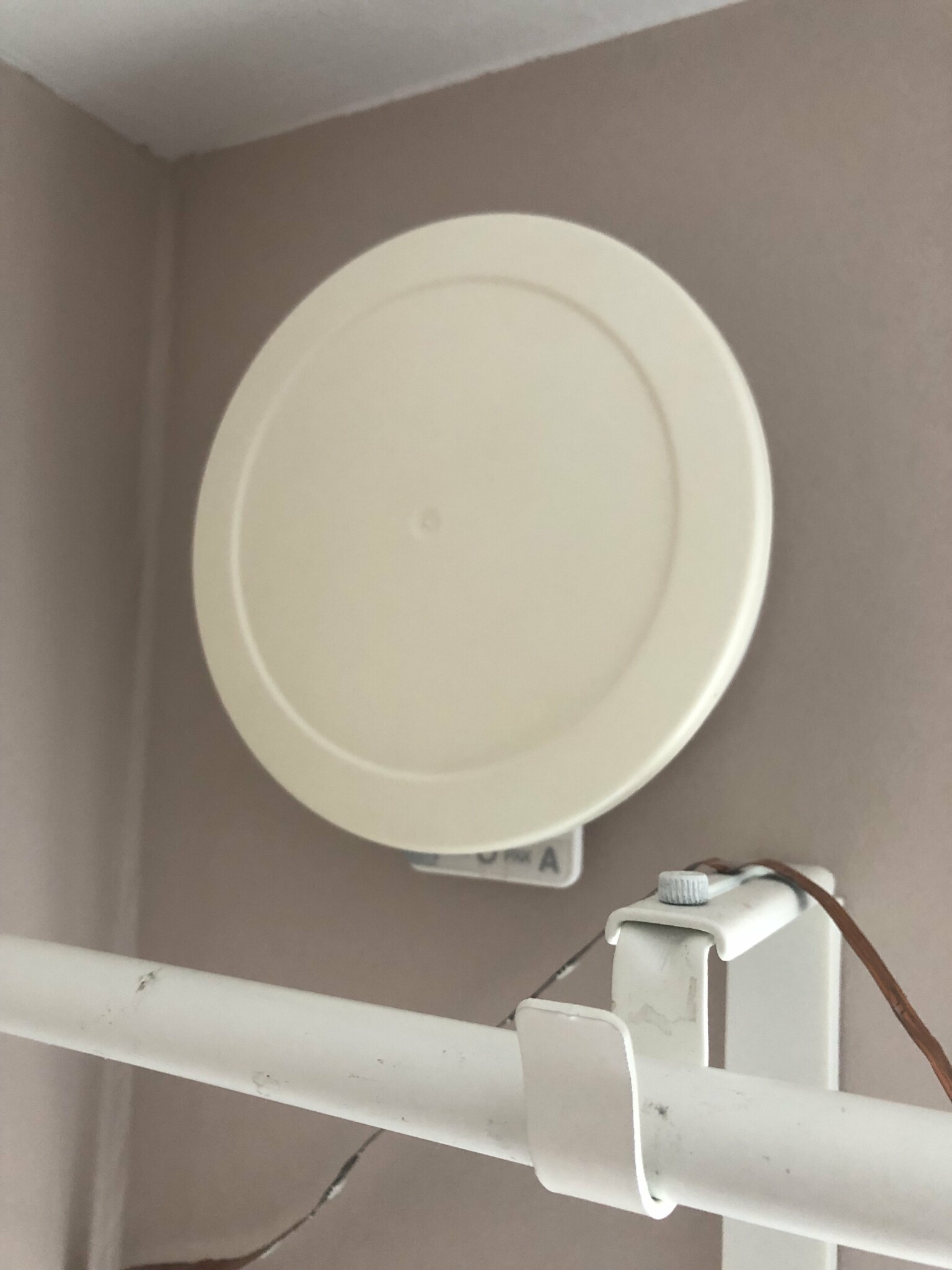
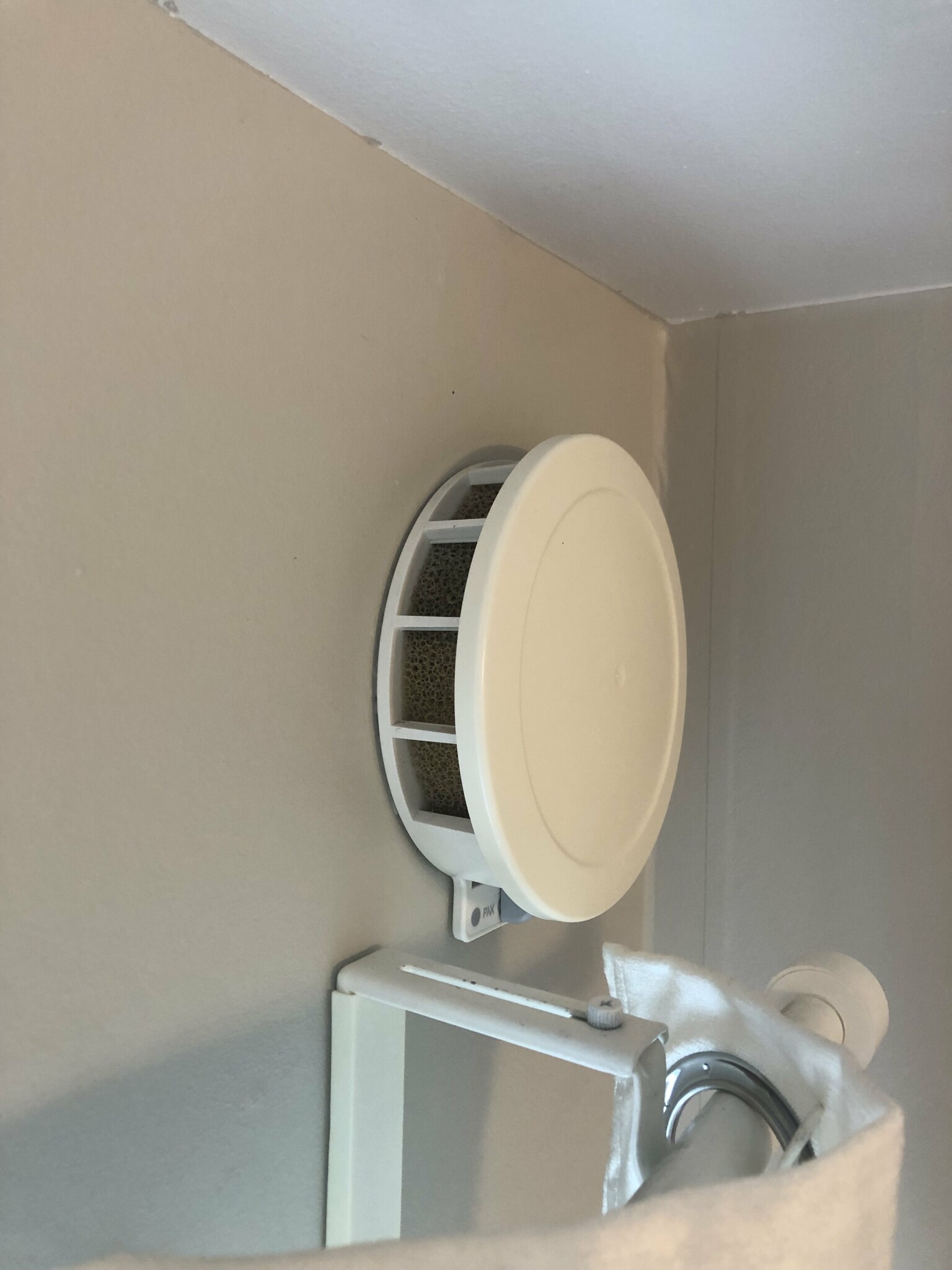
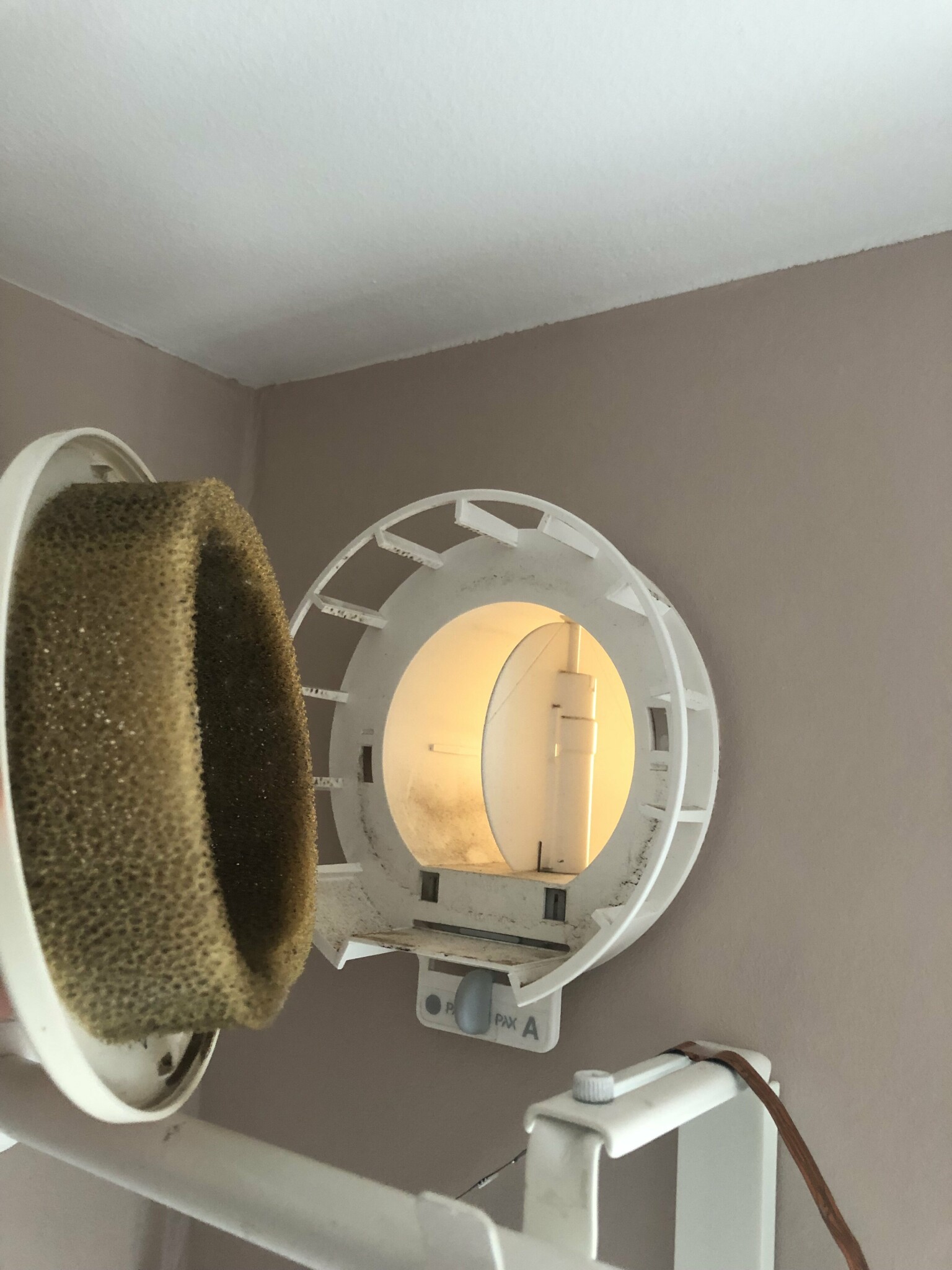
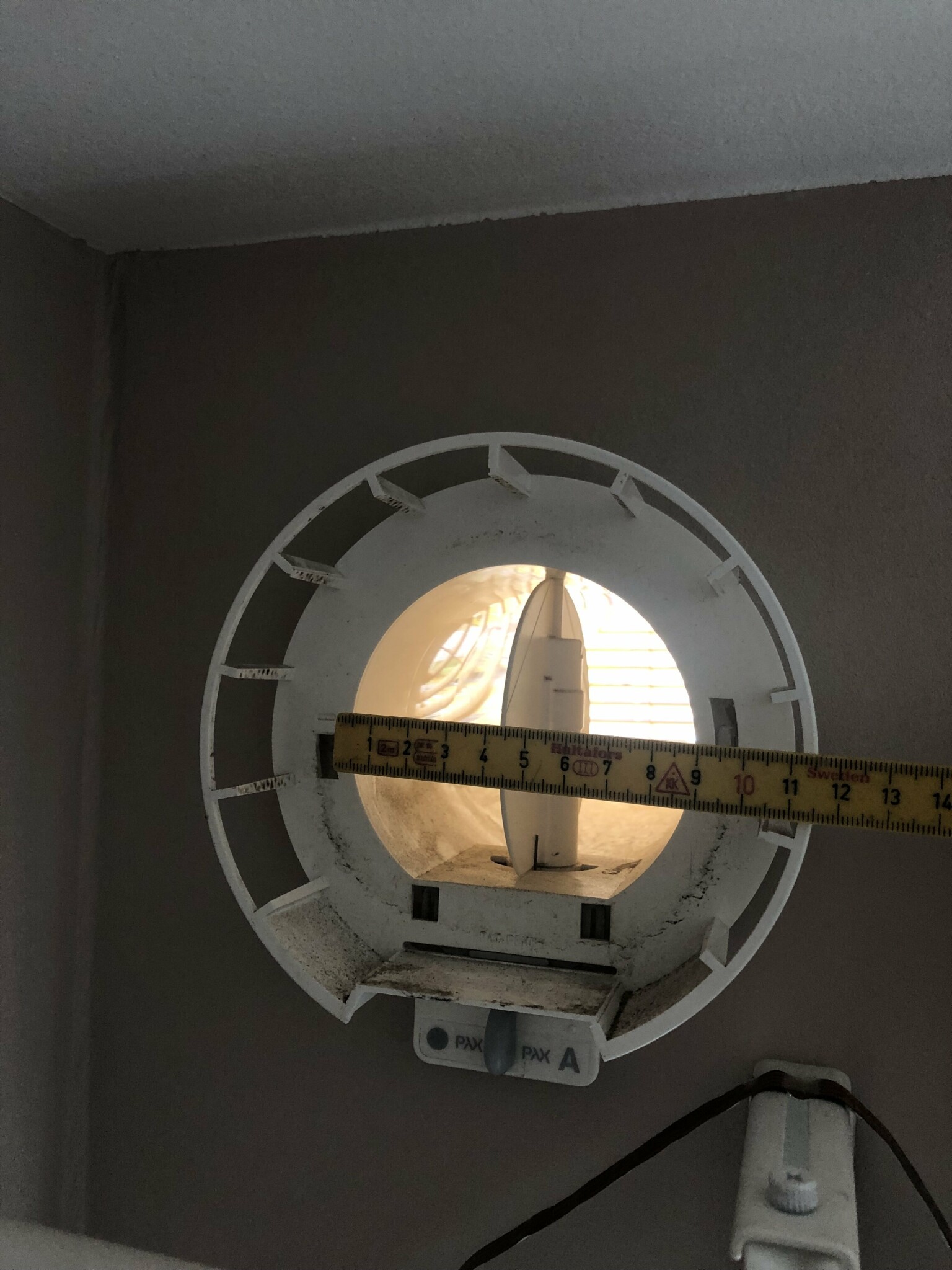
Where is the vapor barrier located? Is it in the knee wall or all the way out at the roof? It might be the one that isn't taped properly as it should be. Was the attic interior done afterward? If so, they might have punctured the vapor barrier when they installed the cabinet if it's in that wall.
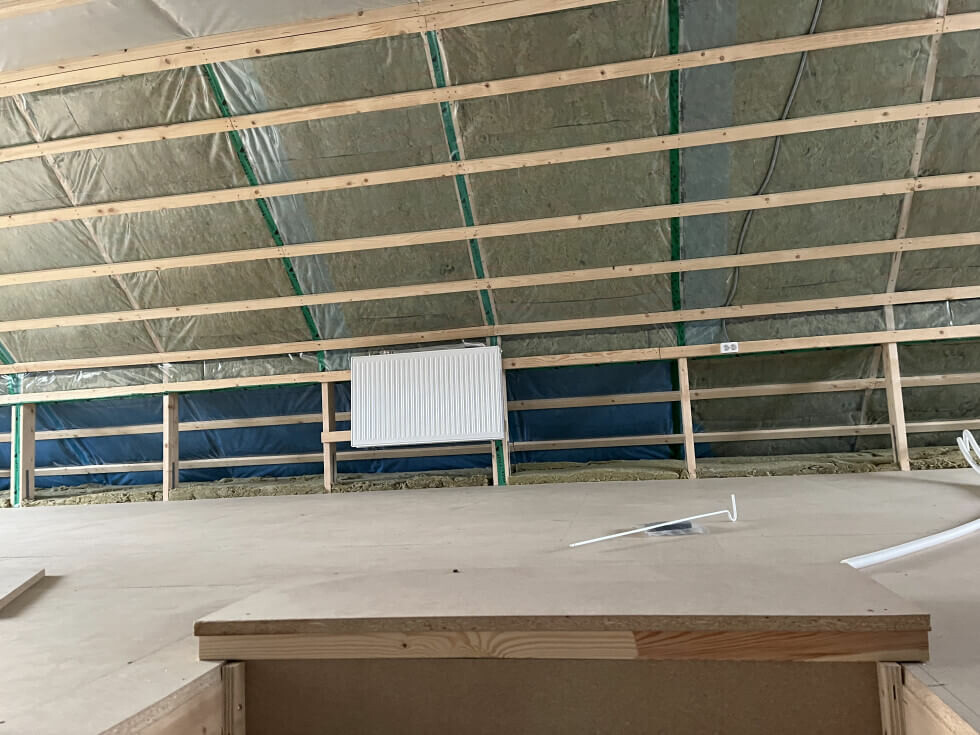
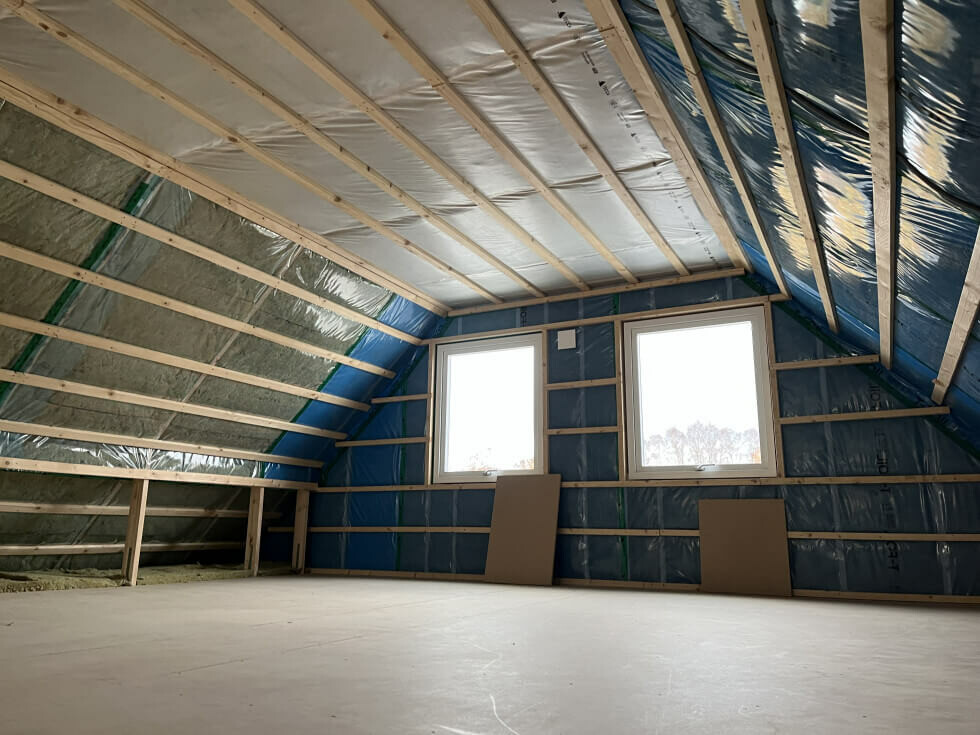
The attic's interior was done afterward. Attached are pictures of what Smålandsvillan looks like before the attic is finished, doesn't the vapor barrier seem to be at the roof there?
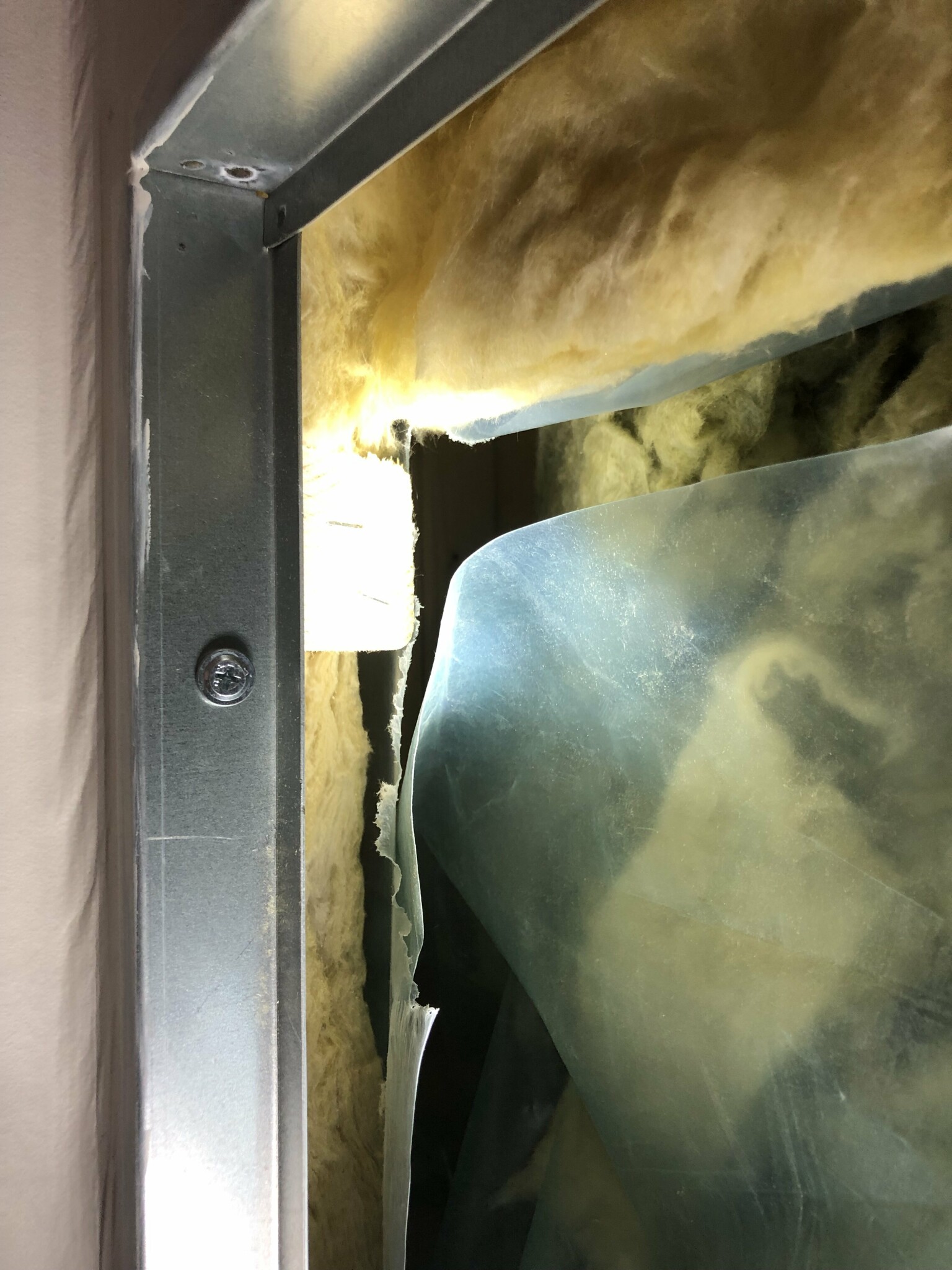
When I open the inspection hatch to the crawl space, it looks like the vapor barrier is in the knee wall. It might have been moved there when the upper floor was finished, as I can no longer see any other vapor barrier further out towards the roof.
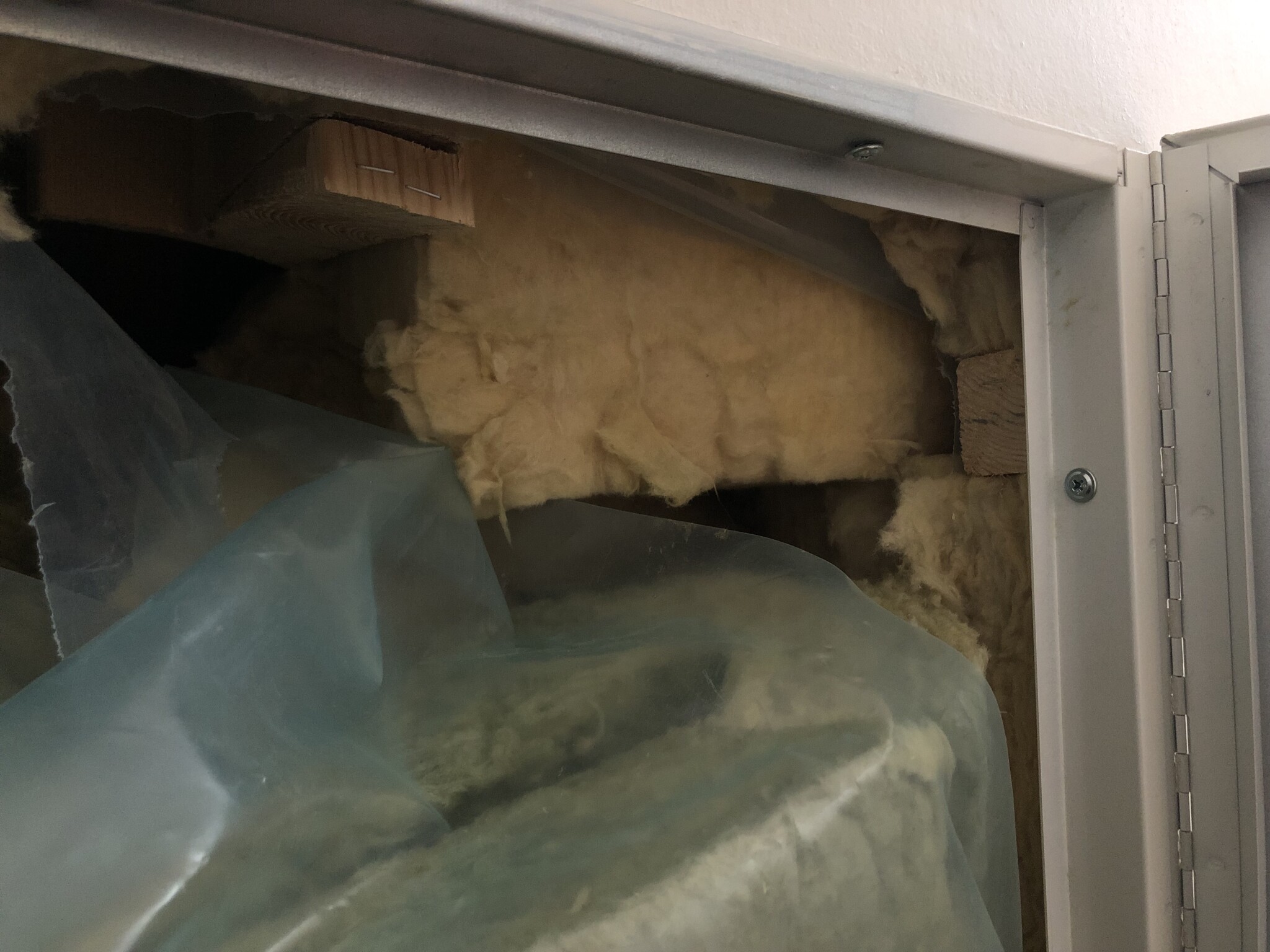
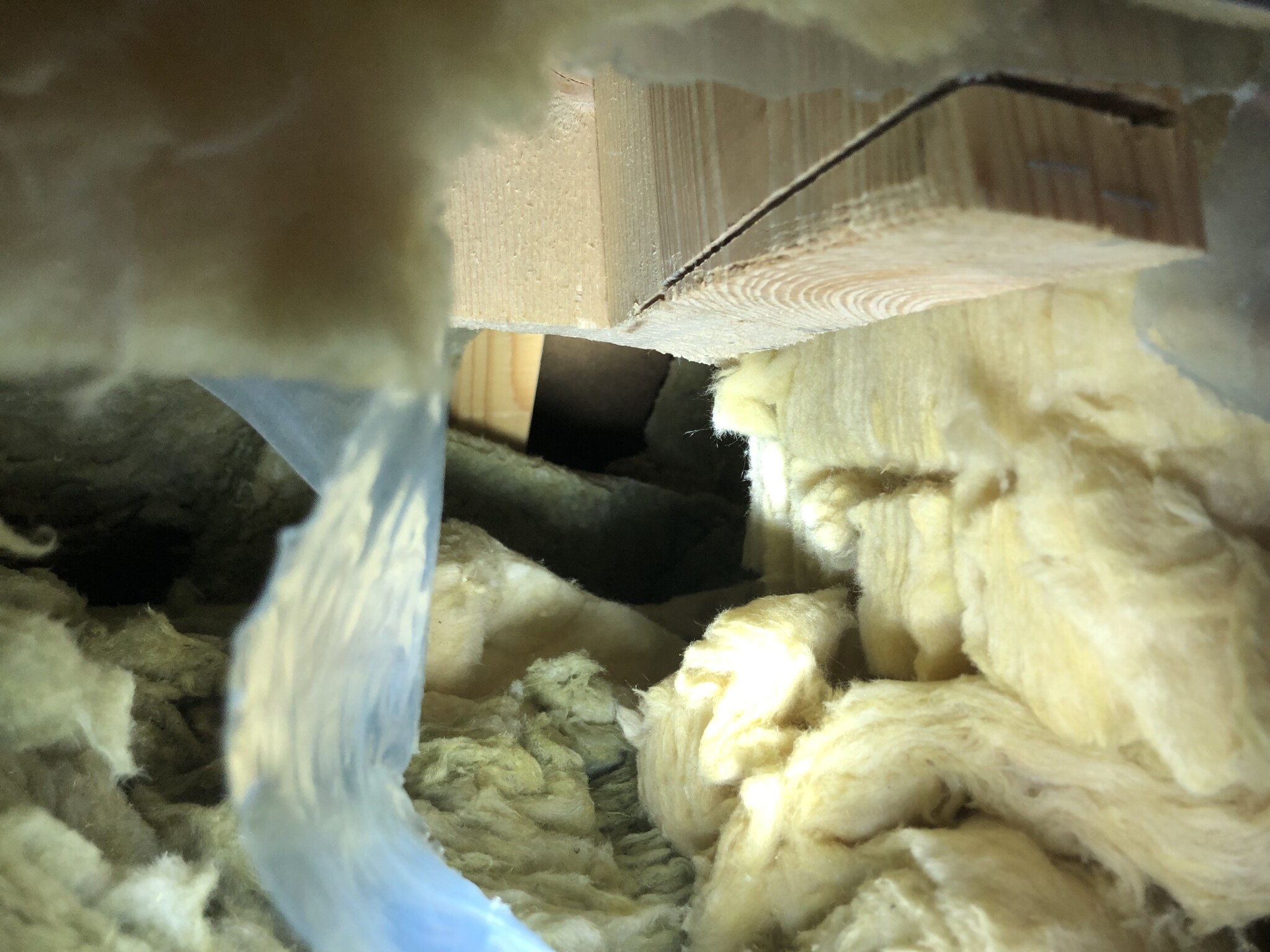
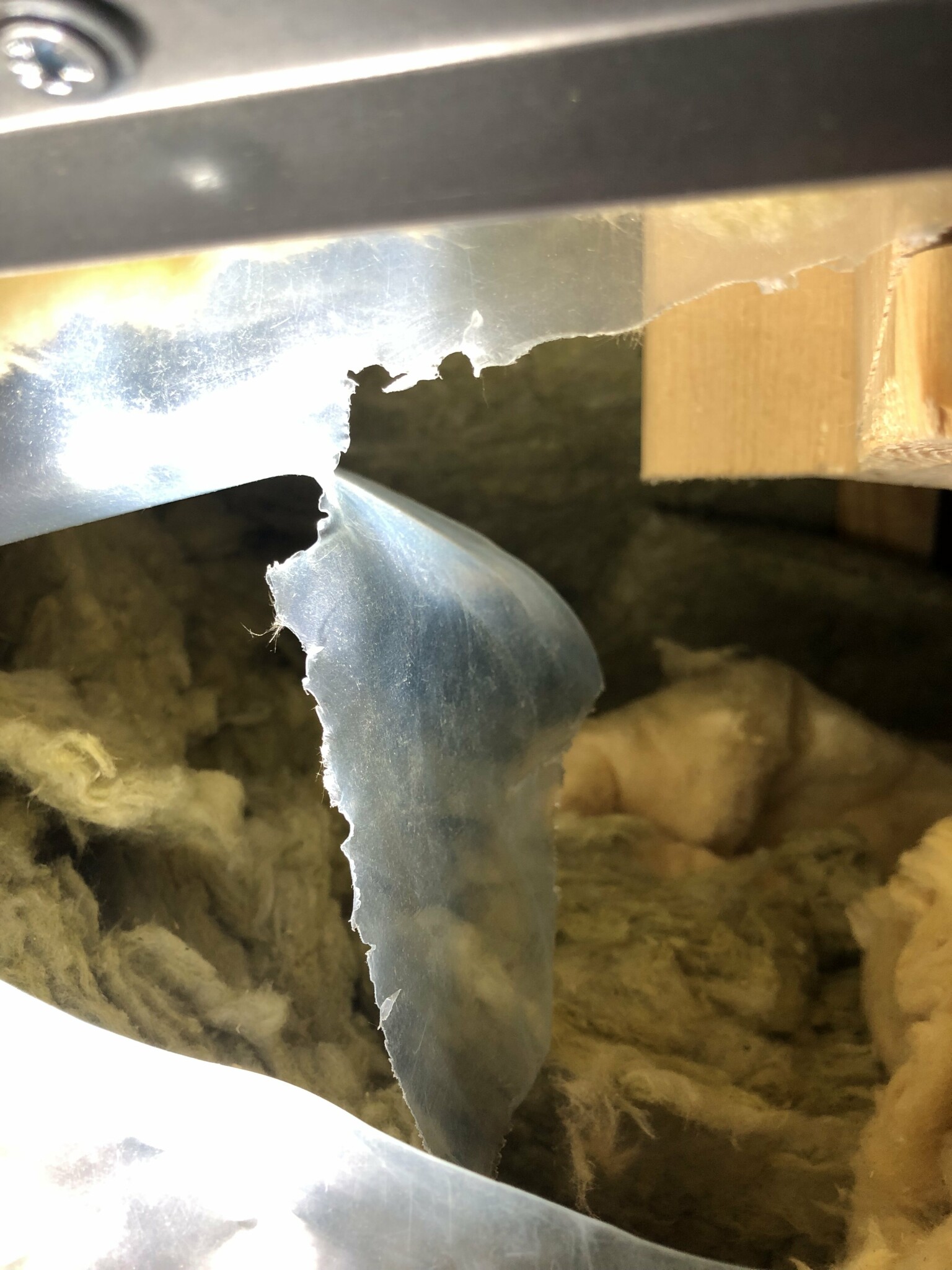
The previous owners said that the water to the bathroom had frozen the first winter; the builder had fixed it with more insulation. It looks like they cut open the vapor barrier and stuffed in more insulation and left the plastic open...
Behind the HVAC hatch, it's harder to see what it looks like.
When I open the inspection hatch to the crawl space, it looks like the vapor barrier is in the knee wall. It might have been moved there when the upper floor was finished, as I can no longer see any other vapor barrier further out towards the roof.
The previous owners said that the water to the bathroom had frozen the first winter; the builder had fixed it with more insulation. It looks like they cut open the vapor barrier and stuffed in more insulation and left the plastic open...
Behind the HVAC hatch, it's harder to see what it looks like.
Click here to reply