Hello!
We are renovating our house, and it seems like some people who renovated before didn't know what they were doing.
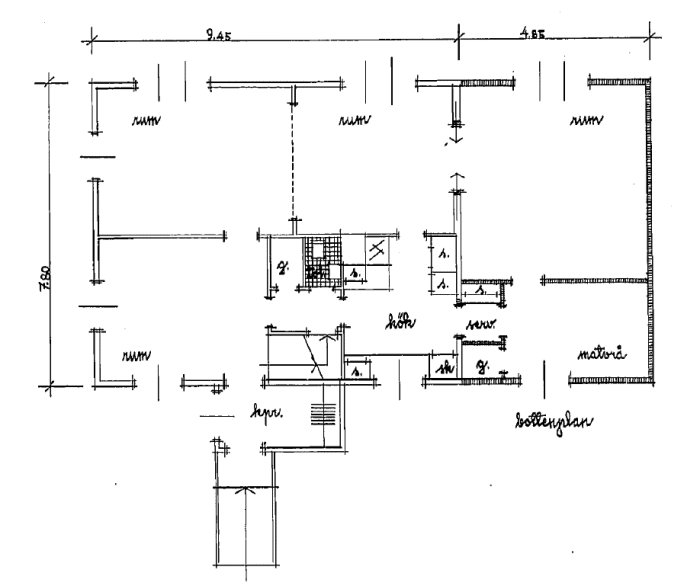
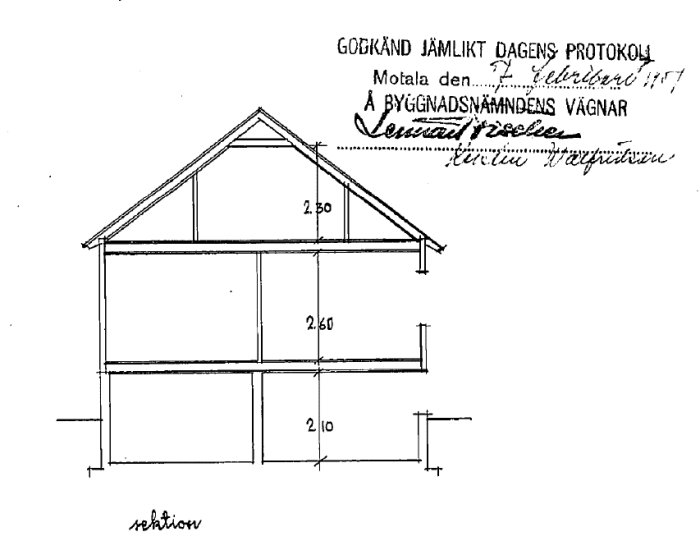
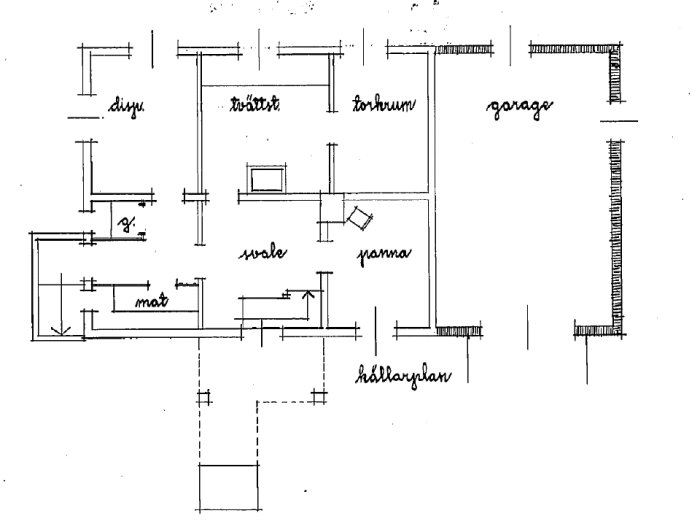
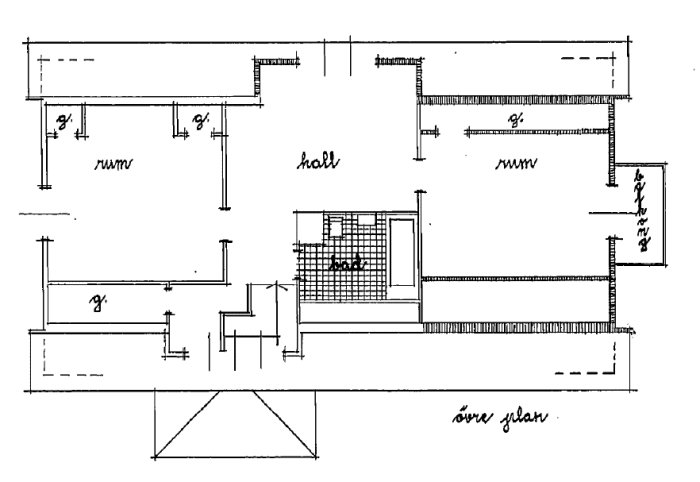
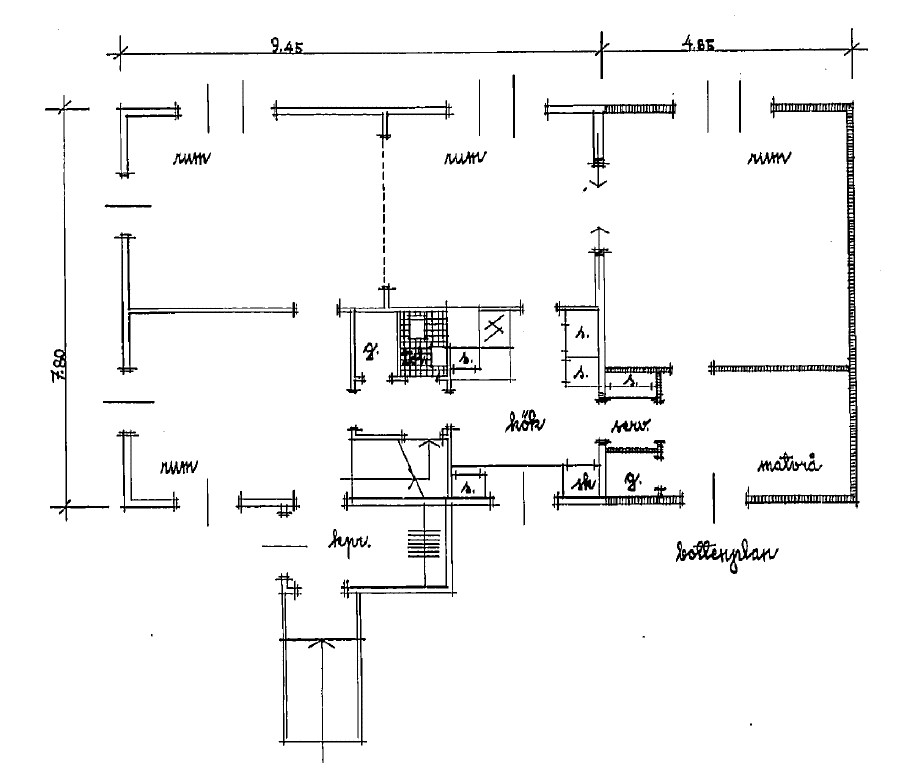
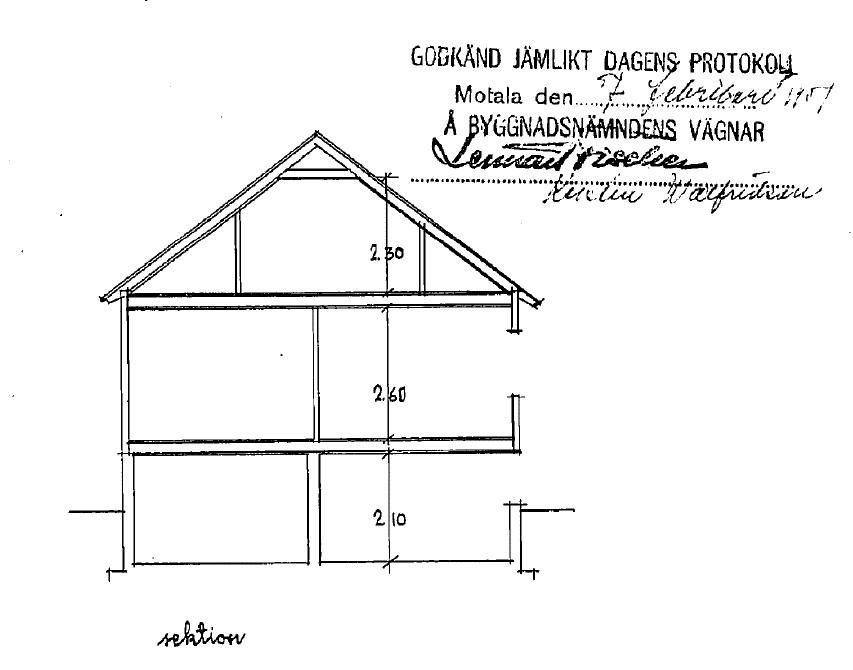
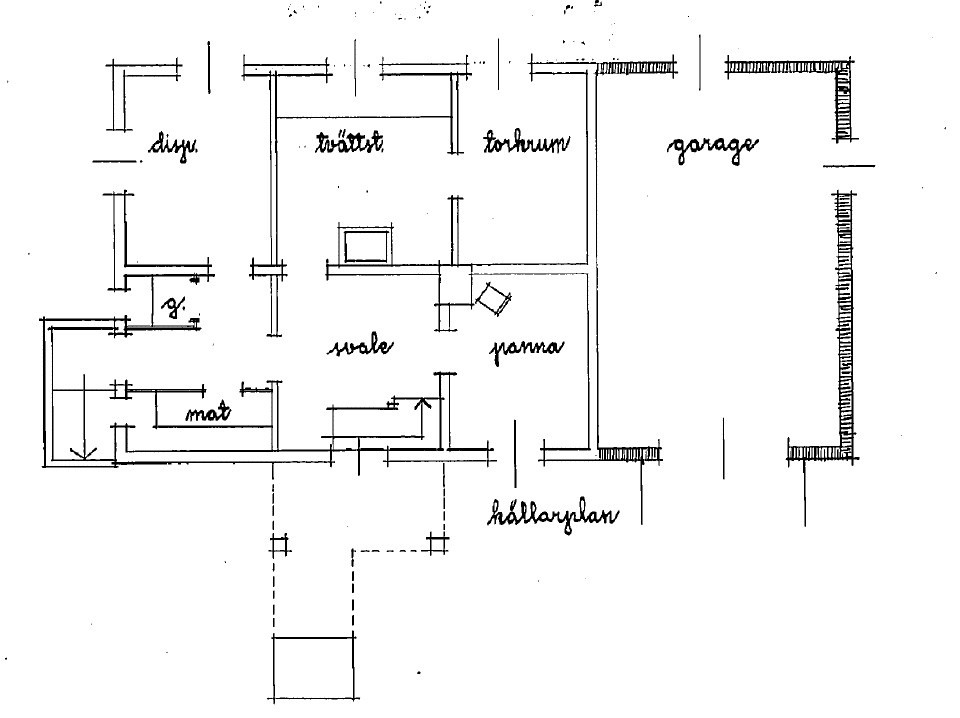
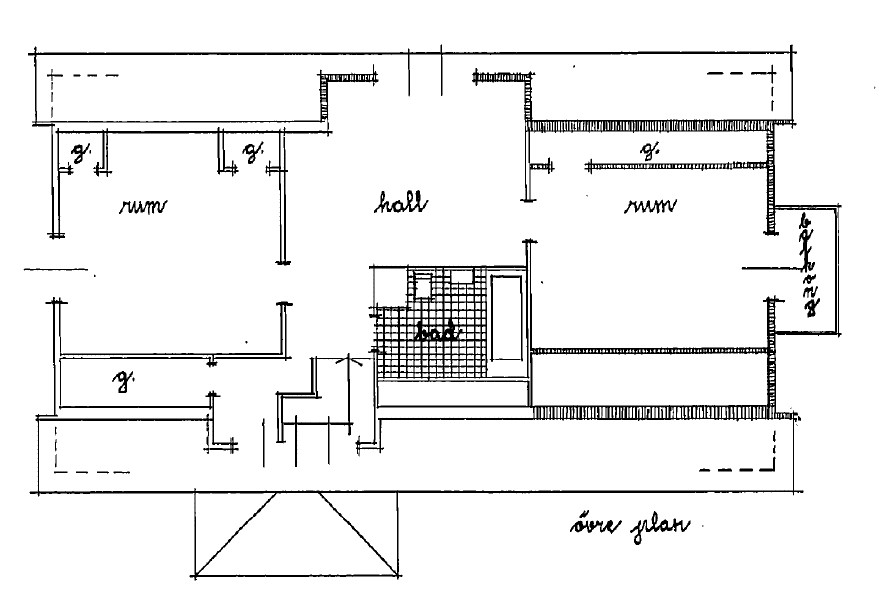
I have attached drawings from the 50s (when the official extension was done), some changes have been made but mostly, most of the walls are still there.
The question is, what do you want to know? The house has an extension (does it say 1957 or 1951?) through an extension in all floors. I guess that the ceiling between the garage and the ground floor was made of reinforced concrete. The older part of the house above ground is built with a plank frame. Whether this also applies to the extension cannot be determined. On the upper floor, a dormer was built in the old part at the same time as the extension. The only load-bearing interior walls I can identify are the central wall in the old part (the wall that runs horizontally in the middle of the house on the drawing) and the wall that separates the dining area from the rest of the extension. I am not 100% sure about the latter. One needs to know the direction of the floor joists in the ceiling above.
Reading drawings is an art that cannot be acquired on a coffee break. Each era also has its own styles.
The question is, what do you want to know? The house was extended (does it say 1957 or 1951?) through an extension on all floors. I guess that the floor structure between the garage and the ground floor was made of reinforced concrete. The older part of the house that is above ground is built with a plank frame. Whether this also applies to the extension cannot be determined. On the upper floor, a dormer was built in the old part at the same time as the extension. The only load-bearing interior walls I can identify are the core wall in the old section (the wall that runs horizontally in the middle of the house in the picture) and the wall that separates the dining area from the rest of the extension. I'm not 100% sure about the latter. You need to know the direction of the floor joists in the floor structure above.
Reading blueprints is an art that is not mastered during a coffee break. Each era has its own styles.
Thanks for the answer. I'll check out some of what you wrote.
What do you think about the basement then? They've made some strange solutions there as well.
Best regards, Rickard
In the basement, it's the load-bearing wall and the old exterior walls that you can't just remove anyway.
Glad to hear that. Because they haven't done that. Though, they've removed the two "inner" walls in the laundry room.
Then they've removed that load-bearing wall you weren't 100% sure about. However, I don't know how the floor joists are positioned. But if you stand in the bedroom above that room, the floor sags in the middle. So maybe that's something to check.