I have a 1.5-story house from '73 where I believe there is only a vapor barrier in the walls of the first floor, in the floor void between the floors (fall-through protection?) and possibly in the ceiling of the second floor, but I am skeptical. The zoning plan defines the upper floor as an attic, even though it (and all the neighbors' houses) has been furnished since they were built. I haven't seen anything indicating there is a vapor barrier in the walls on the second floor; it seems to only be a frame with some thick wood fiberboard acting as insulation. In the knee walls against those boards, there is insulation with paper about 4-5cm thick.
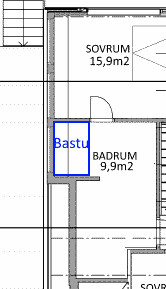
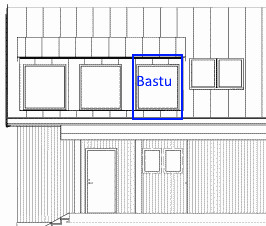
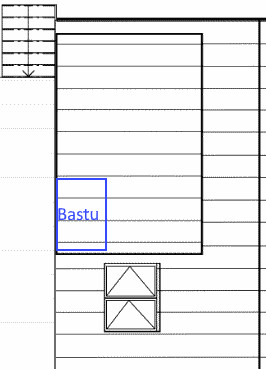
Now we are going to build a larger dormer and convert one of the knee walls into a bathroom (and hopefully a sauna in it). I am inclined not to have a vapor barrier in the new parts, what do you think about that?
If we discover when we start with the dormer that there is plastic, we'll of course install it too, and in the bathroom exterior wall a vapor retarder, but should we also do that on the slanted roof in the bathroom? Should we have the vapor retarder at the sauna as well (against the exterior wall)?
Under the new bathroom, there is an existing bathroom, won't moisture then get trapped between the ceiling and the waterproof layer of the new bathroom floor?
All of the house's windows are new triple-glazed and newly installed FTX.