
39,024 views ·
183 replies
39k views
183 replies
The most sustainable glue for wood?
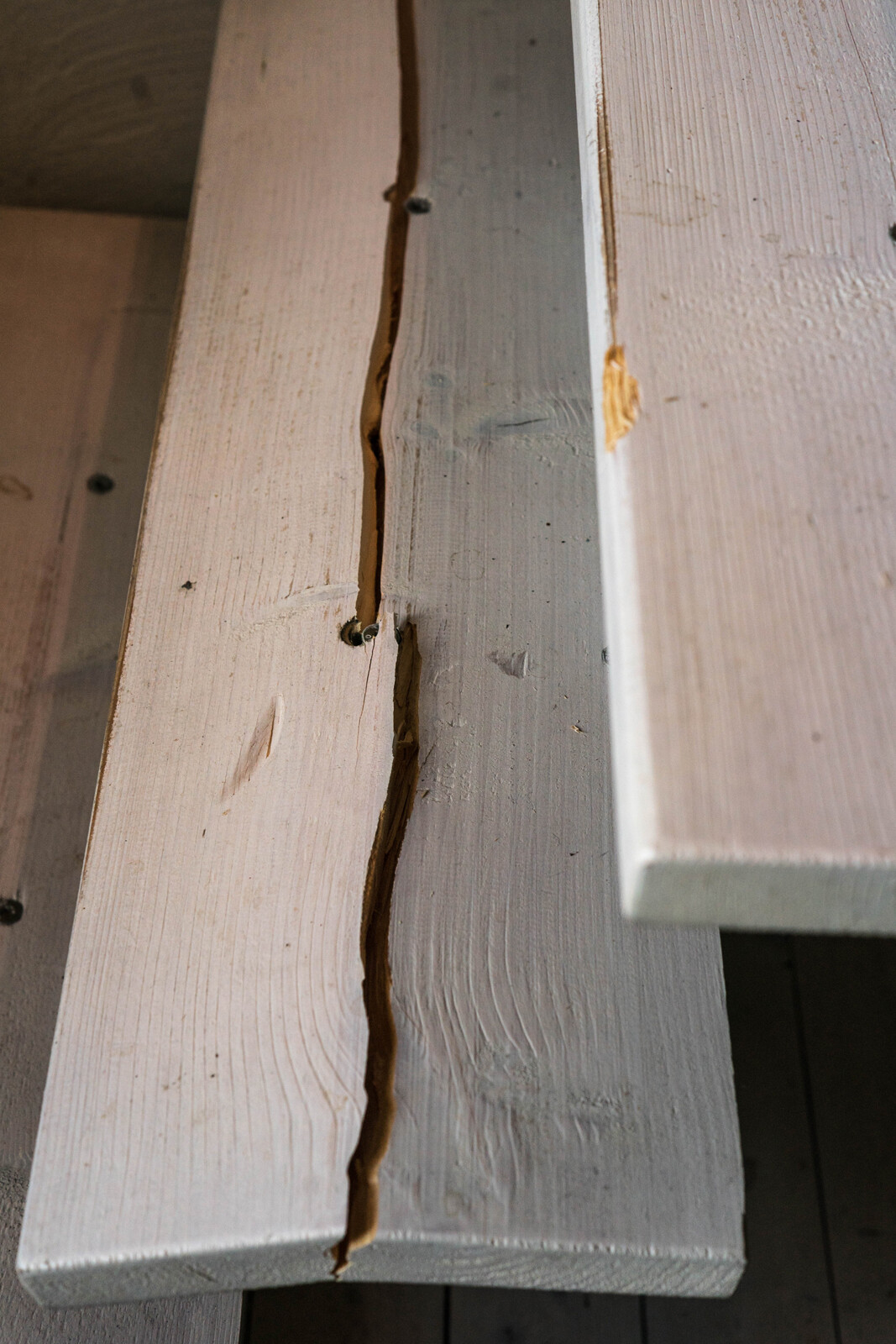
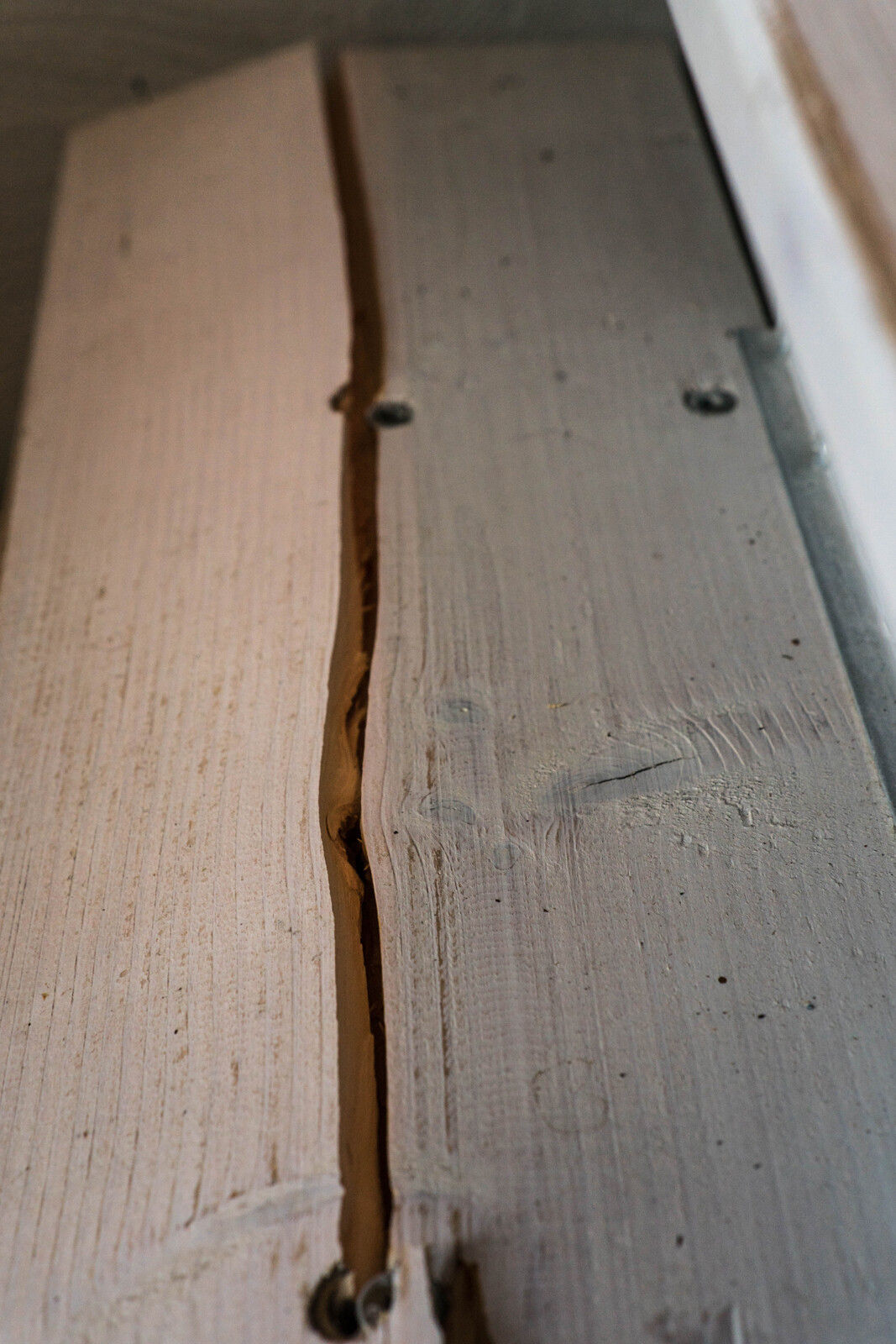
An unlikely accident when a 10 kg dumbbell fell down my floating staircase and cracked one of the steps along the wood fibers' length. It's enough to make you cry, but it must be fixed. The wood hasn't completely separated, and I have the opportunity to support it with two angle irons. Of course, I also want to glue the surfaces.
I've worked a bit in construction and regular wood glue has a good reputation for the joint's durability if applied correctly and then pressed during curing. So that's what I'm primarily thinking of. Just wanted to hear if anyone here knows of another glue option that might be even better?
I've worked a bit in construction and regular wood glue has a good reputation for the joint's durability if applied correctly and then pressed during curing. So that's what I'm primarily thinking of. Just wanted to hear if anyone here knows of another glue option that might be even better?
Oh dear!
Titebond III is probably the strongest wood glue according to what I have seen in tests.
But Biltema's might also suffice depending on how the damage looks.
https://www.verkter.se/tralim-titebond-iii-ultimate-474-ml.html
Titebond III is probably the strongest wood glue according to what I have seen in tests.
But Biltema's might also suffice depending on how the damage looks.
https://www.verkter.se/tralim-titebond-iii-ultimate-474-ml.html
Can't take a picture right now, but the entire step got a crack, releasing about half of the longitudinal fibers across the step's width. By "half," I mean it's still holding together but is cracked, and the glue surface corresponds to the upper cracked fibers. The steps rest on two massive brackets on a 10 cm wooden beam, and the crack is just outside the screw attachment on the brackets.Peter2400 said:
I have no hope of achieving full strength with just glue (I assume?), so the plan is to fabricate two sturdy angle irons that are both 90 degrees and twisted so they can be screwed vertically into the side of the beams and horizontally under the step, extending out on the overhang.

Member
· Västerbottens län
· 18 024 posts
The glue is not the problem, regular white glue is stronger than the wood. The problem is if there are chips across the grain, it can be difficult to get a proper glue joint. Is it possible to access it with clamps or something else to achieve adequate pressure?
Sometimes it might be good to completely break off the piece, remove splinters, and apply glue to the entire fracture surface.
Protte
Sometimes it might be good to completely break off the piece, remove splinters, and apply glue to the entire fracture surface.
Protte
Unfortunately, I can't show a picture during the day, but there are indeed splinters in the fracture surface. However, they're not small splinters, but rather one or two large longitudinal ones. So far, I haven't done anything, but I imagine it should be possible to press together for a tight joint. At least half of the wood under the fracture surface (it was of course broken from the top where the dumbbell hit) is still intact. I can slightly loosen the substantial wood screws that have pressed down the step since the fracture surface is near the screw attachments. Breaking away the piece is probably not a good option since the splinters are so thick that it would create gaps.The glue is not the problem, regular white glue is stronger than the wood itself. The issue is if there are wood chips across the surface, then it can be difficult to achieve a proper glue joint. Can you use a clamp or something else to apply proper pressure? Sometimes it can be good to completely break off the piece, clear away splinters, and apply glue to the entire fracture surface.
Protte
If it really is the case that the glue joint in regular white wood glue of decent quality is stronger than the wood itself, then you shouldn't even need to supplement with troublesome angle brackets? It should be considered, however, that I do put weight on just the protruding part of the step when I walk up the stairs.
Construction veteran
· 2 675 posts
When gluing regular wood, the usual drying time is 15-20 minutes under pressure and full load before 24 hours.Isakare said:
When I'm working on cutting boards and am in a bit of a hurry, it's no problem to run them through a plane after 1-2 hours.
Sure, but if you exaggerate the waiting time, you are 1000% sure, applies to anything that needs to dry/harden.A Argastesnickaren said:

If I see a picture that looks promising, I probably agree. It's important to achieve good gluing surfaces.D DanMicke said:
I'm the kind of renovator who does most things with great patience, so I might skip the step for a week or so. A big piece of painter's tape as a 'warning' probably wouldn't hurt


That staircase doesn't look sturdy. Get an accident insurance.D DanMicke said:
If you built the staircase, you can replace the broken board but make sure to put up a warning sign ”Max 70 kg”