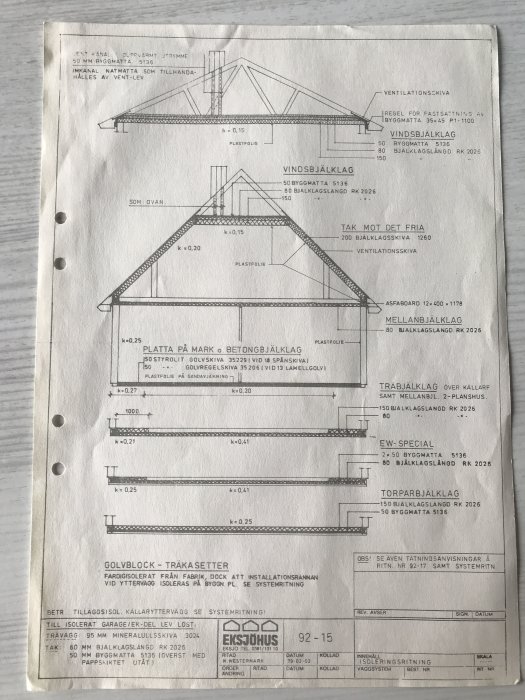
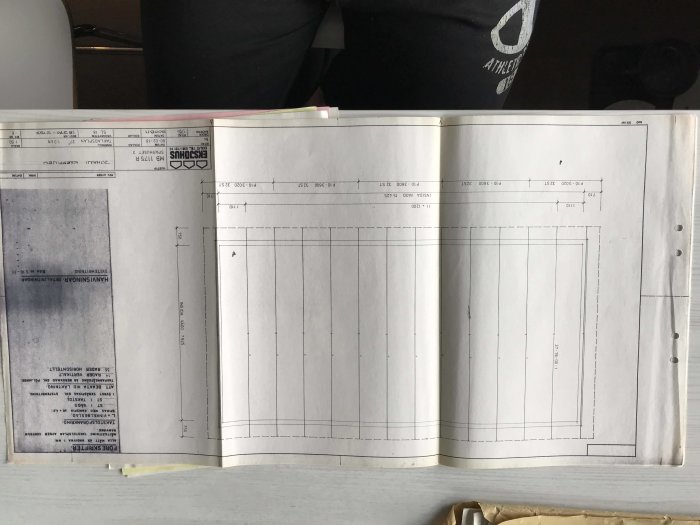
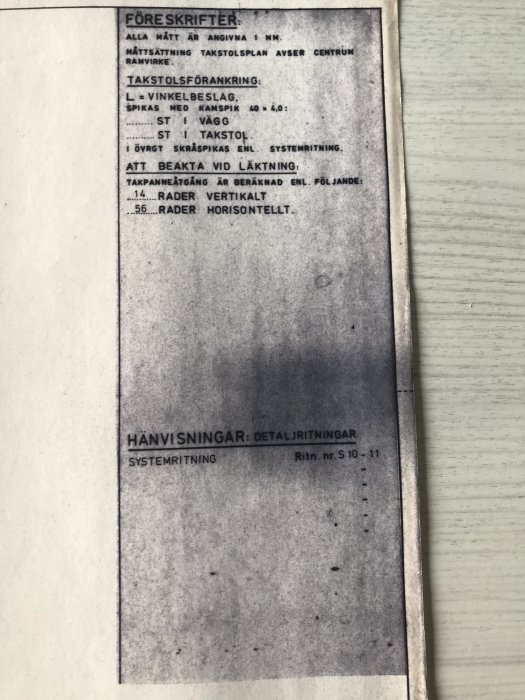
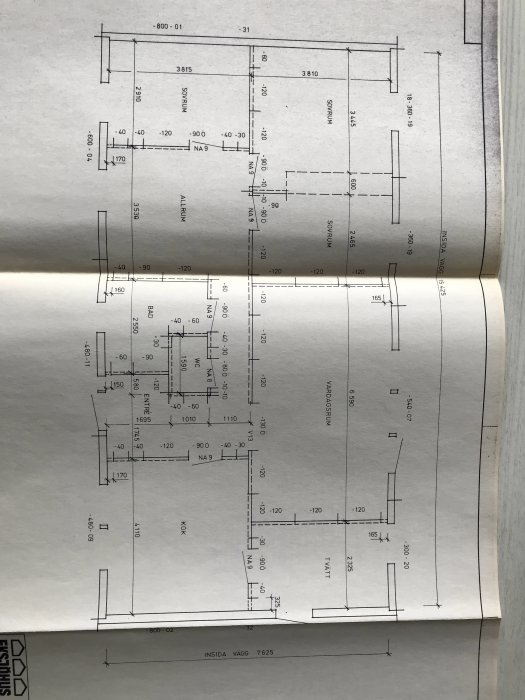
I have 120 cm between the rafters in our single-story house (Eksjö built in 1980). I'm interested in opening up between the kitchen and the living room and will need to tackle the load-bearing wall that runs along the entire length of the house. What I need is to support 3, maybe 4 rafters using a glulam beam or joists.
Questions:
1: Who the heck can help me calculate how thick I need it to be?
2: You can offset above the rafters as well, provided you connect everything firmly, right? That way you avoid a "box over the glulam beam" in the house.
As hempularen writes, check with someone knowledgeable. Often in single-story buildings, the roof trusses are self-supporting and then no load-bearing wall modification is needed.
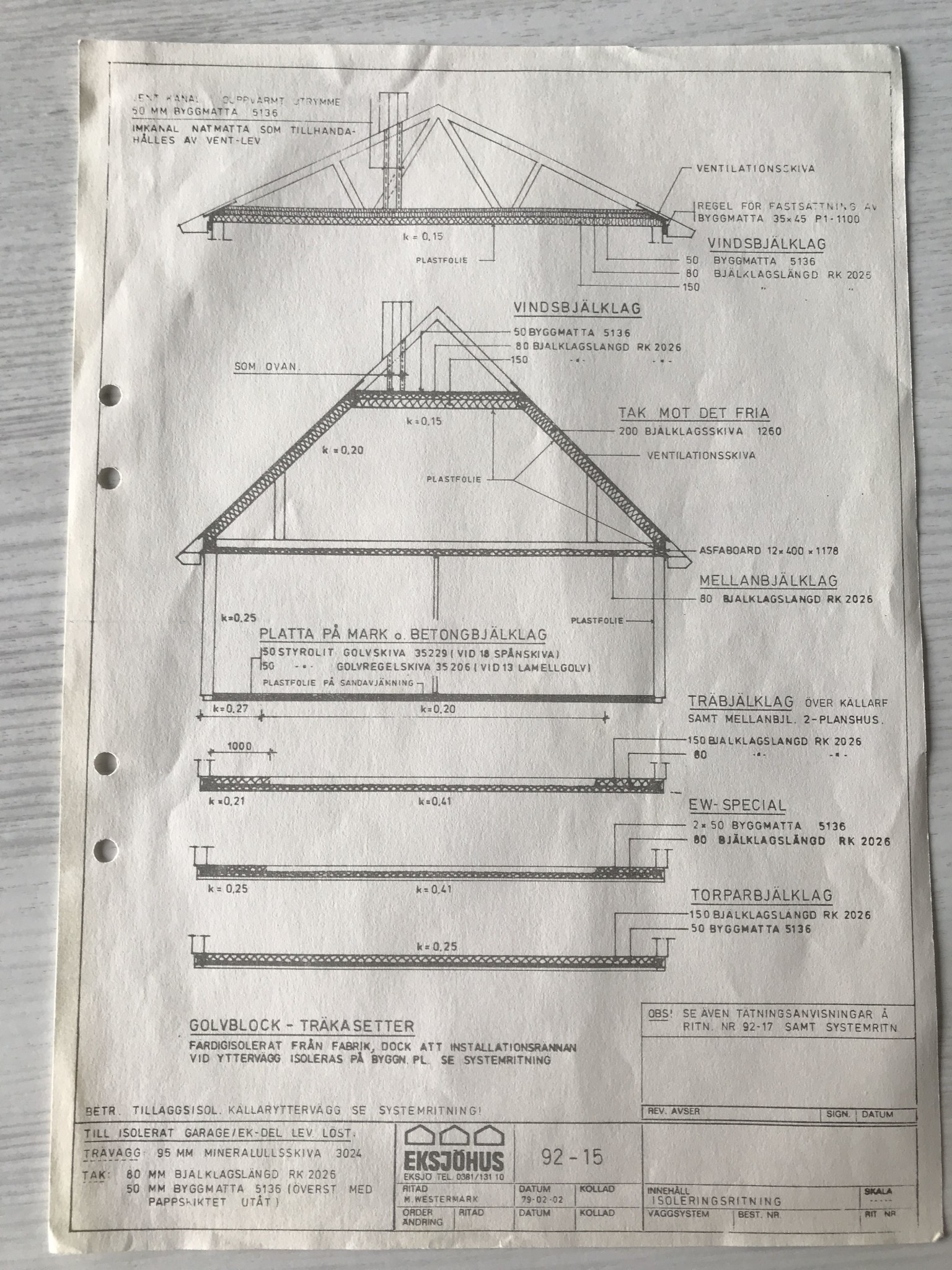
Do you have any drawings of the house? Surely you can place the load distribution above the ceiling in the attic. If it is a one-story house, are you sure there aren't free-standing trusses between the exterior walls?
Do you have any drawings of the house? Sure, you can place the support beam above the ceiling in the attic. If it's a single-story house, are you sure there are not free-standing trusses between the outer walls?
Drawings are available, what should I look for?
The house has a crawl space and there is masonry right under this wall too.
A thought occurred to me that the framework is the same as in the same house but 1.5 stories, so maybe that's why the wall is there, i.e., not load-bearing for us?
Please attach plans, sections, any truss drawings, etc., the more the better.
It might be the case (if you're lucky) that the masonry wall in the crawl space only supports the floor structure if the trusses are self-supporting.
Spoke with a building engineer and he basically said the same thing you write here - it is probably not load-bearing. I will thoroughly read through the drawings and also upload them here to ensure (as time permits). The building engineer thought he might need about 3 hours total time for consultation + calculation of any glulam beam. However, it would obviously be cheapest to avoid it if possible
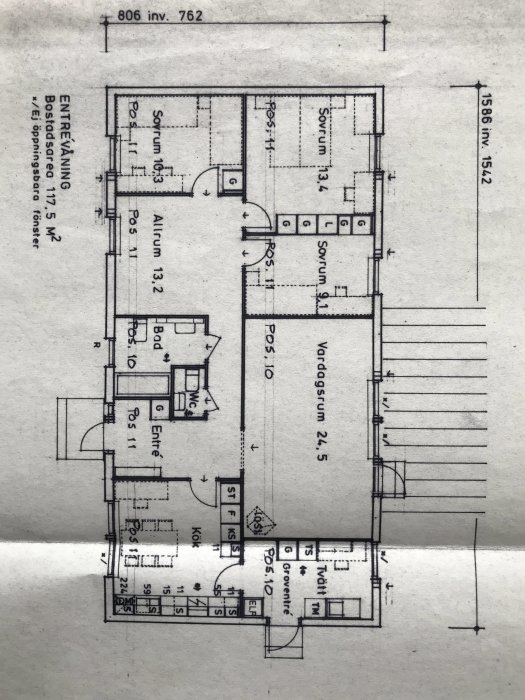
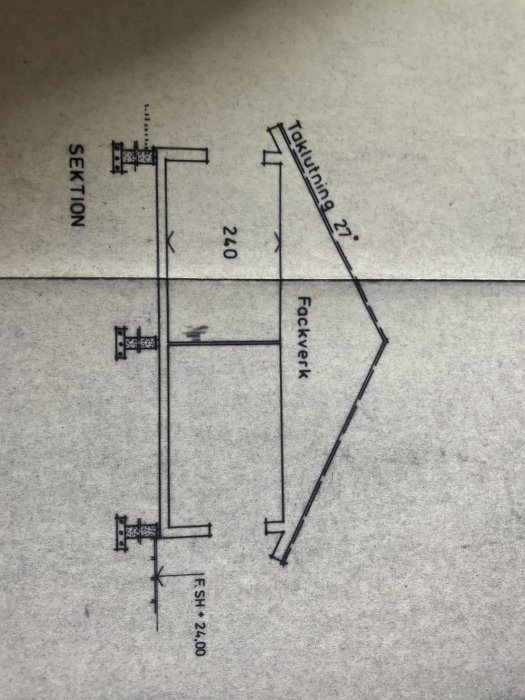
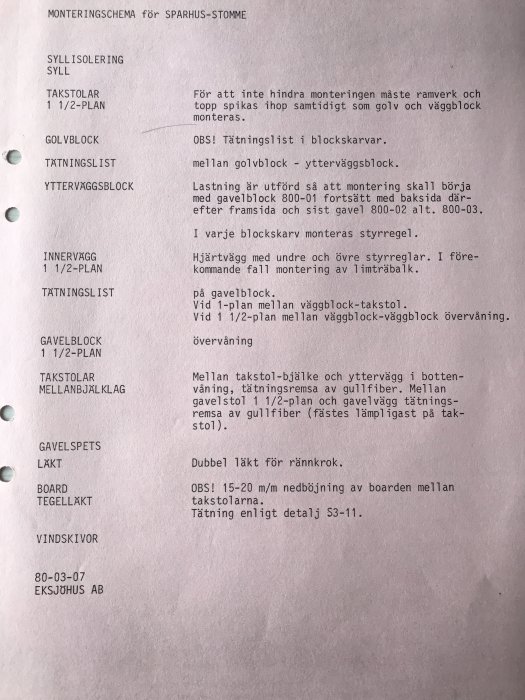
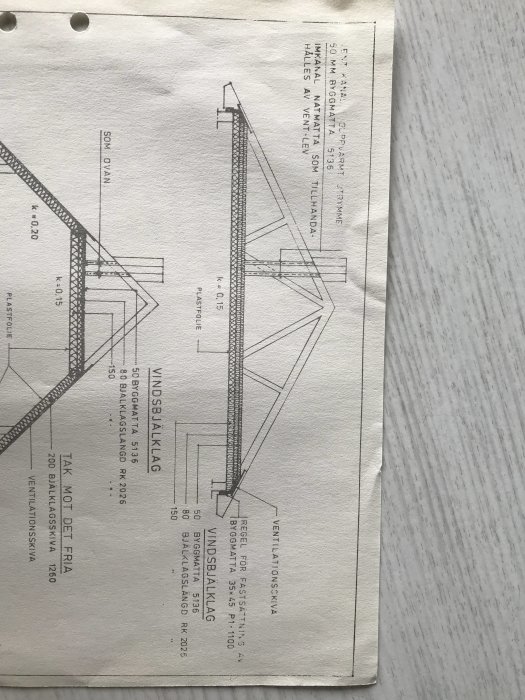
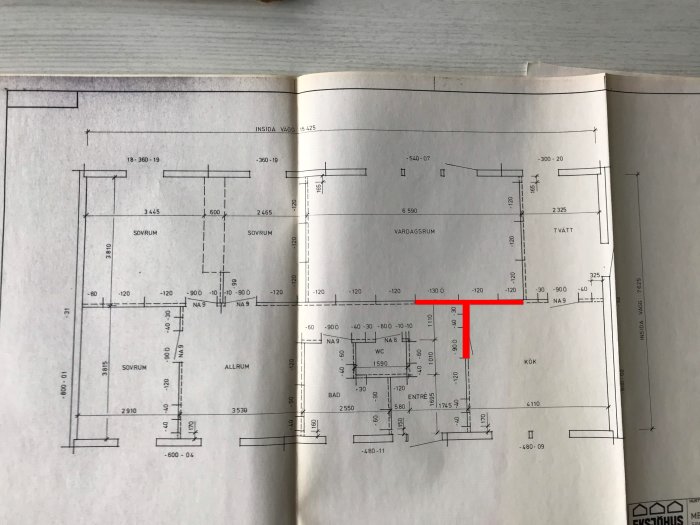
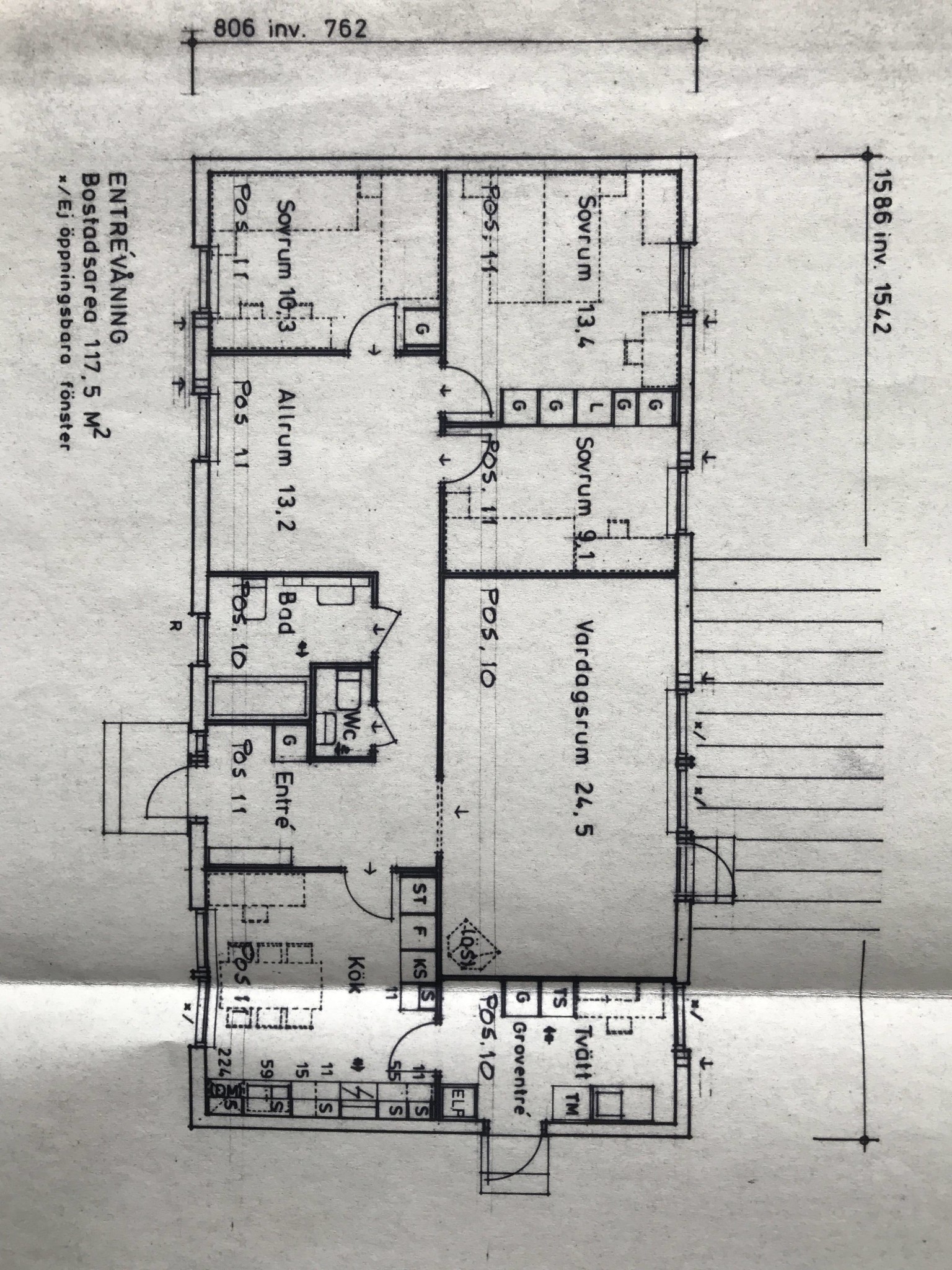
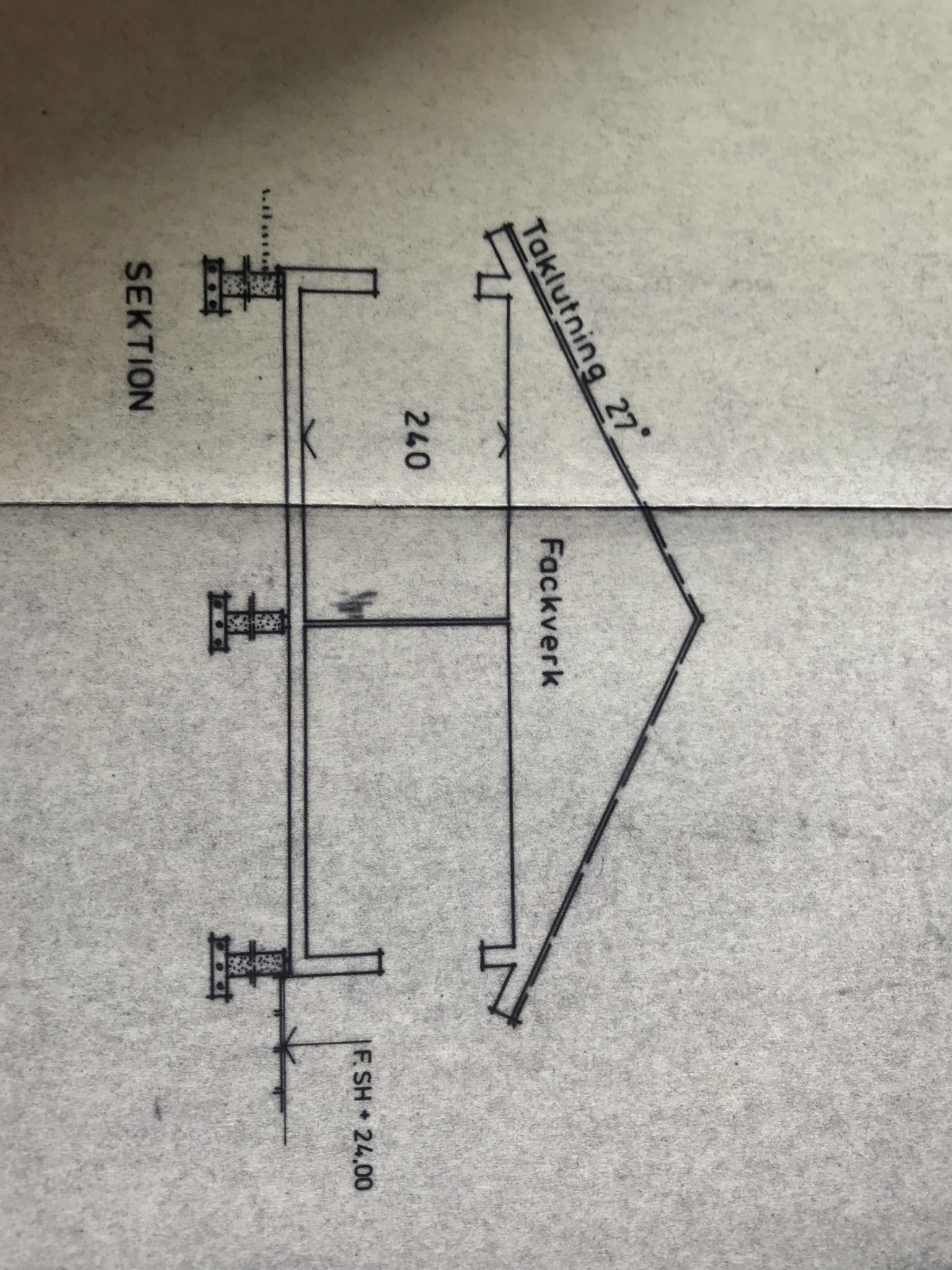
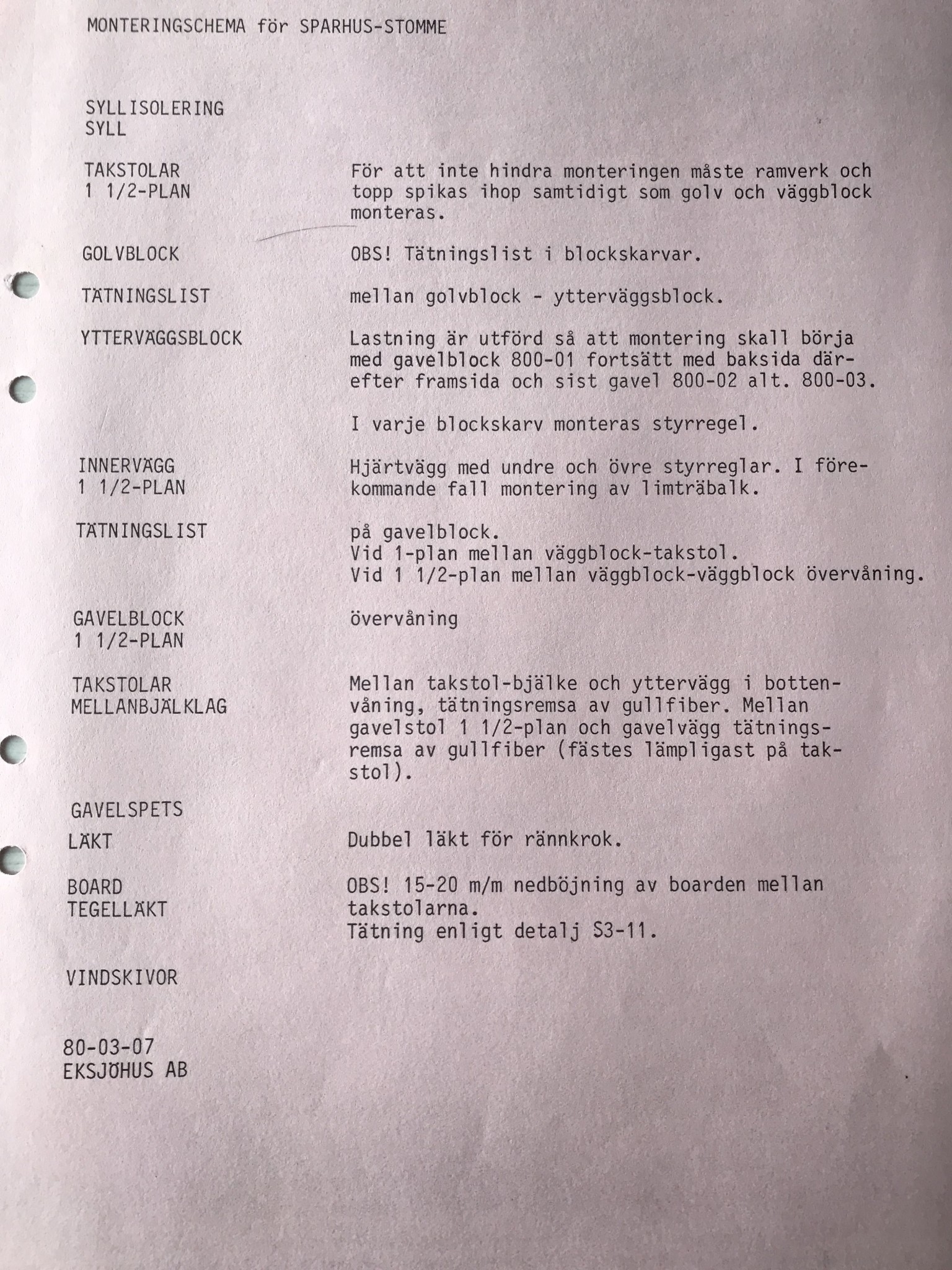
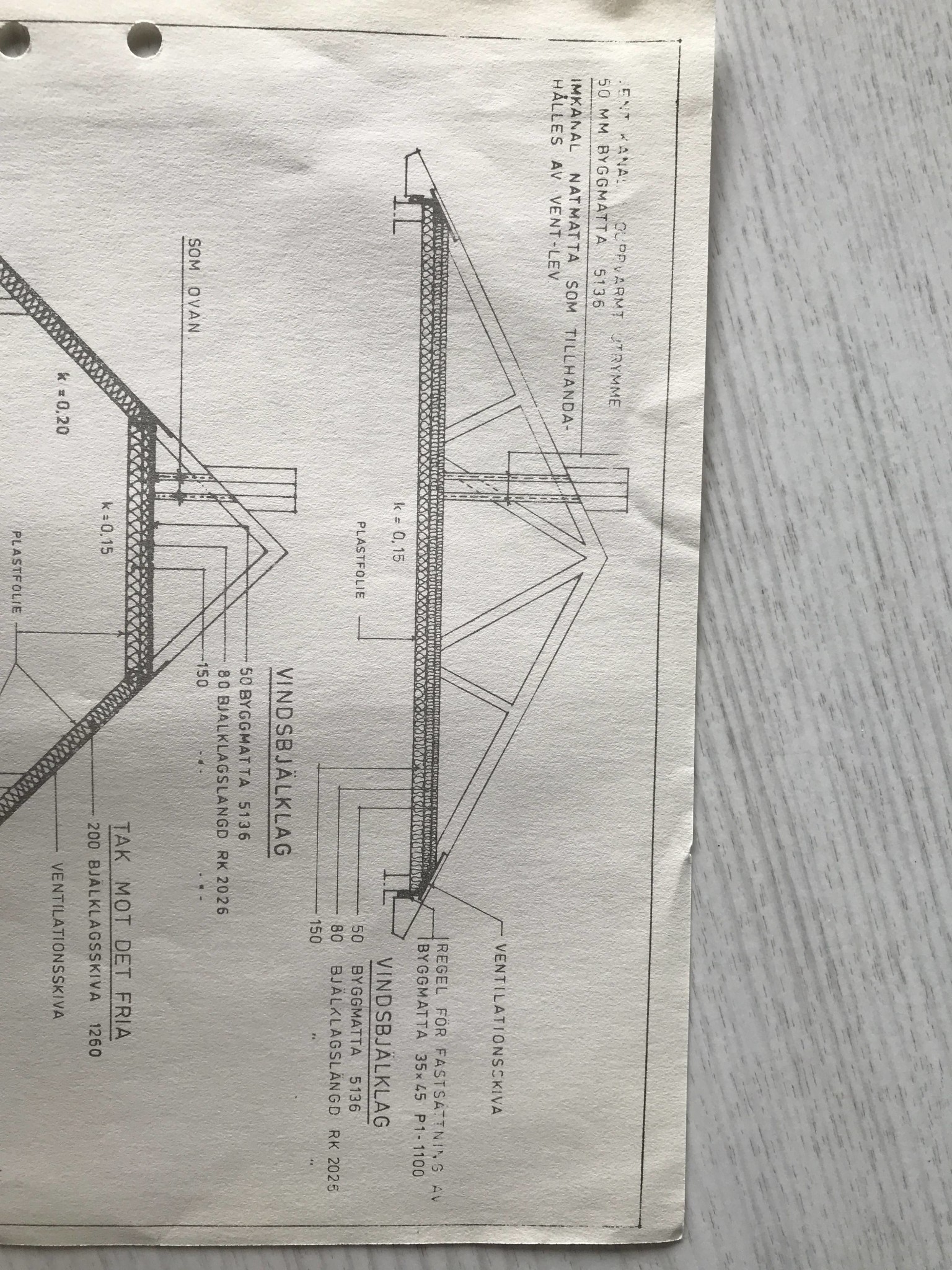
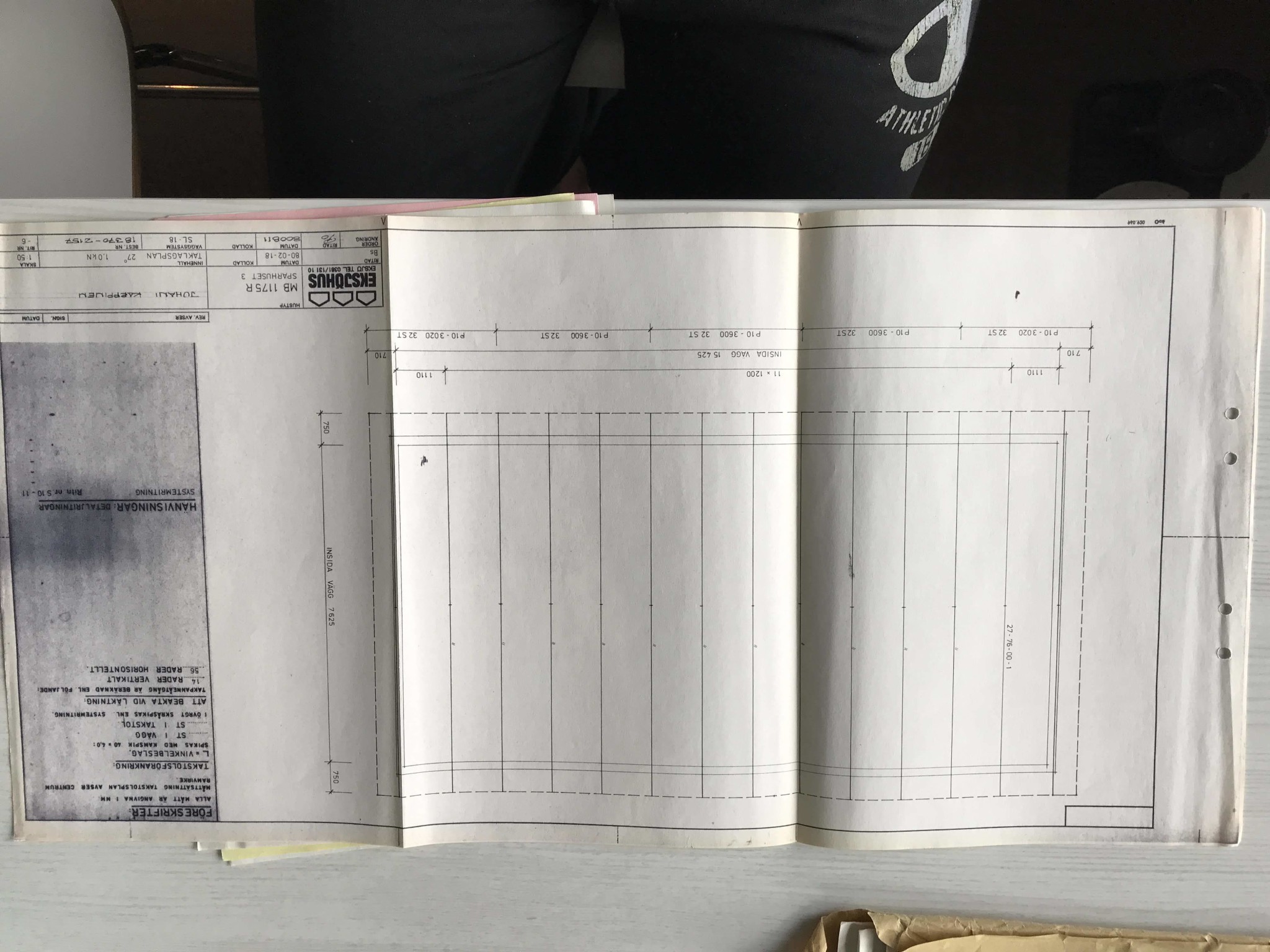
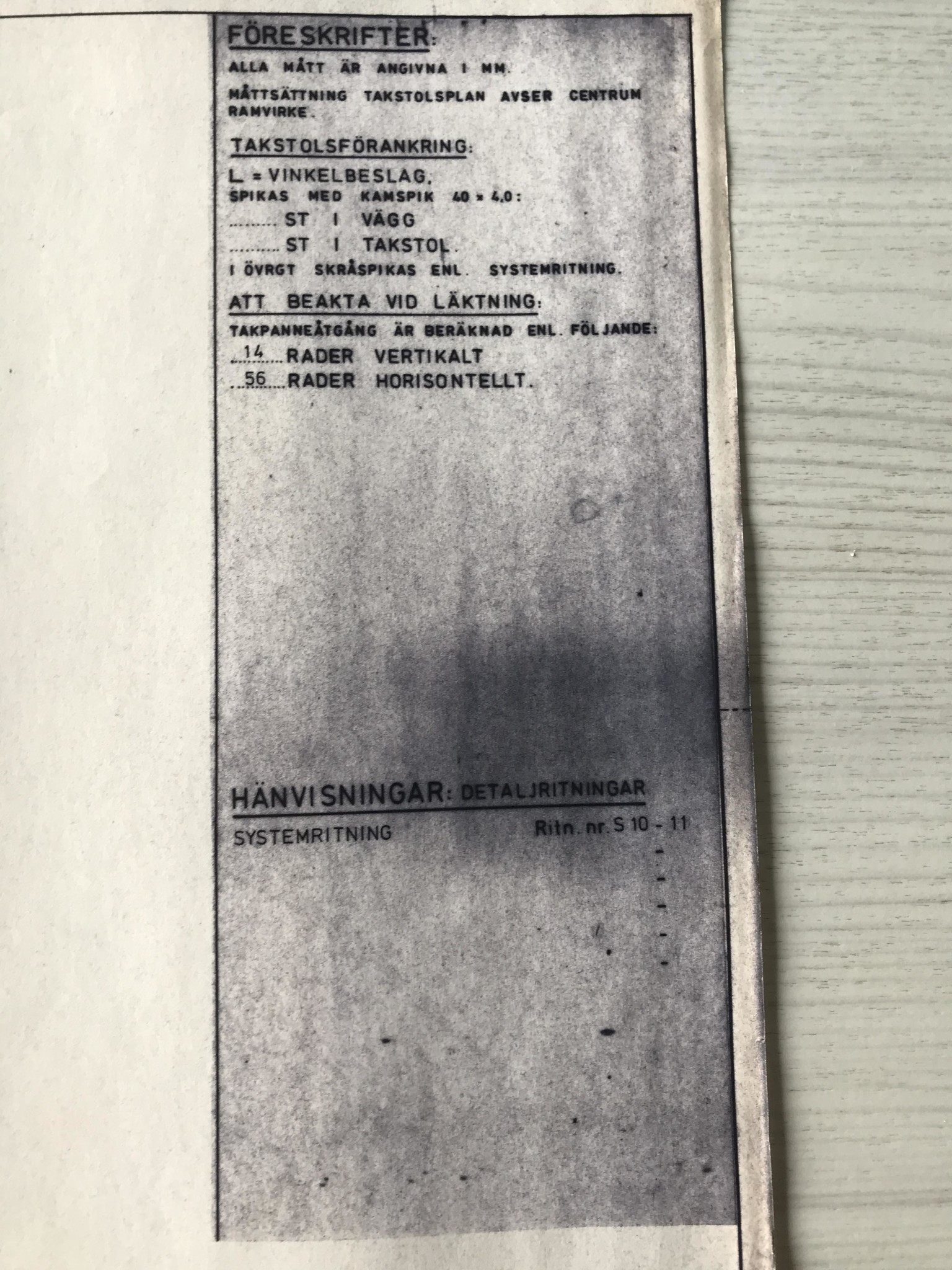
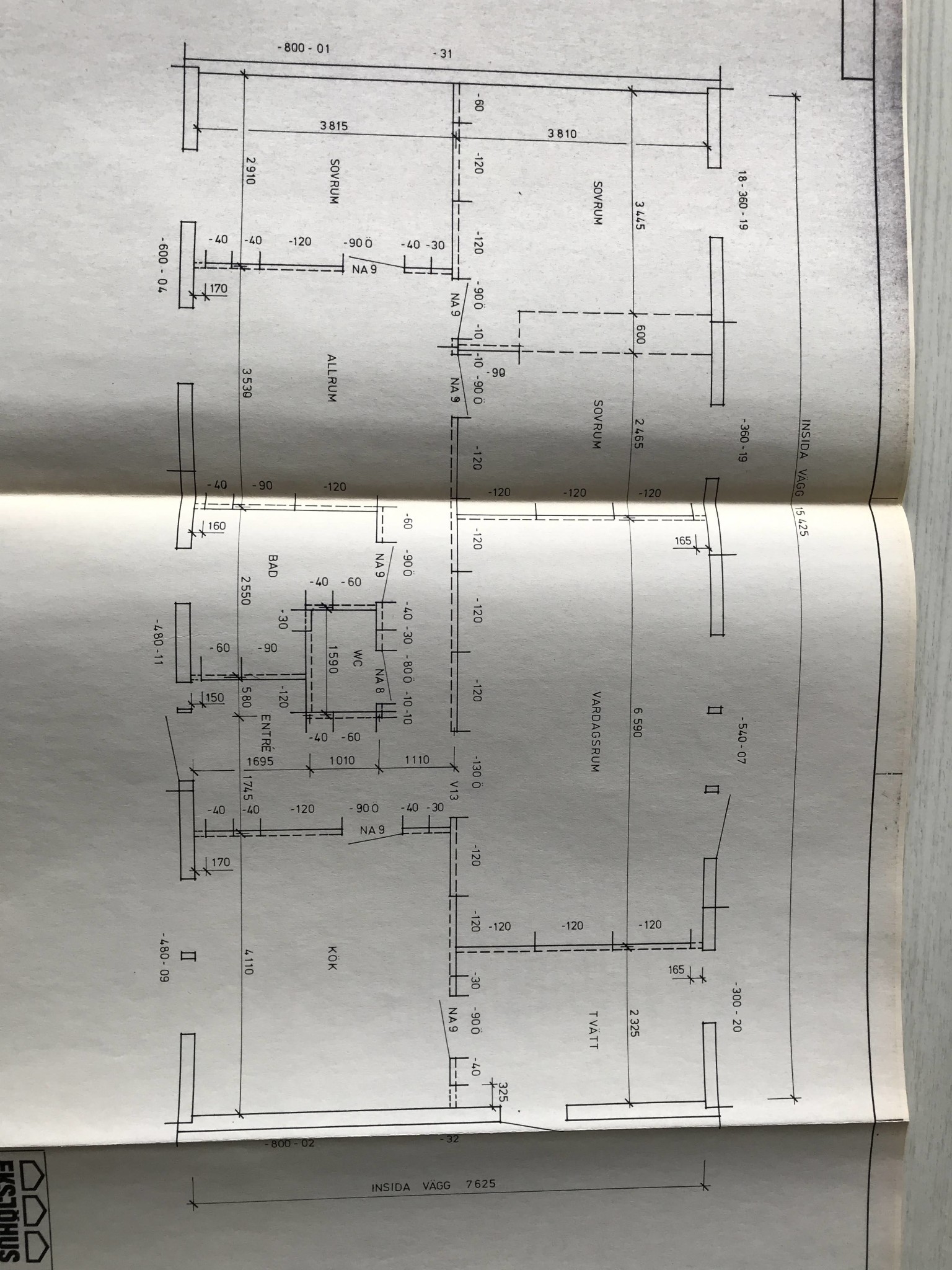
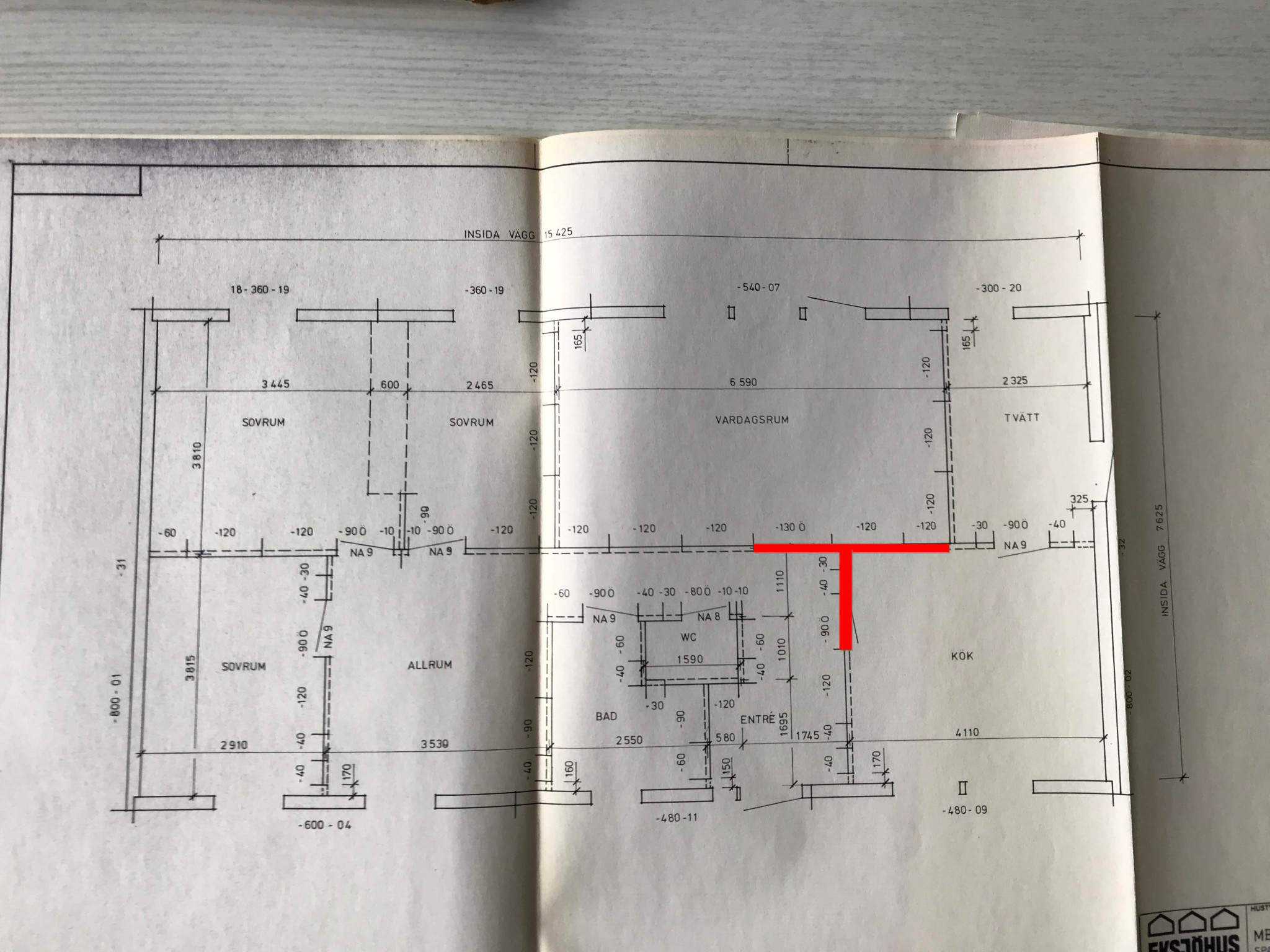
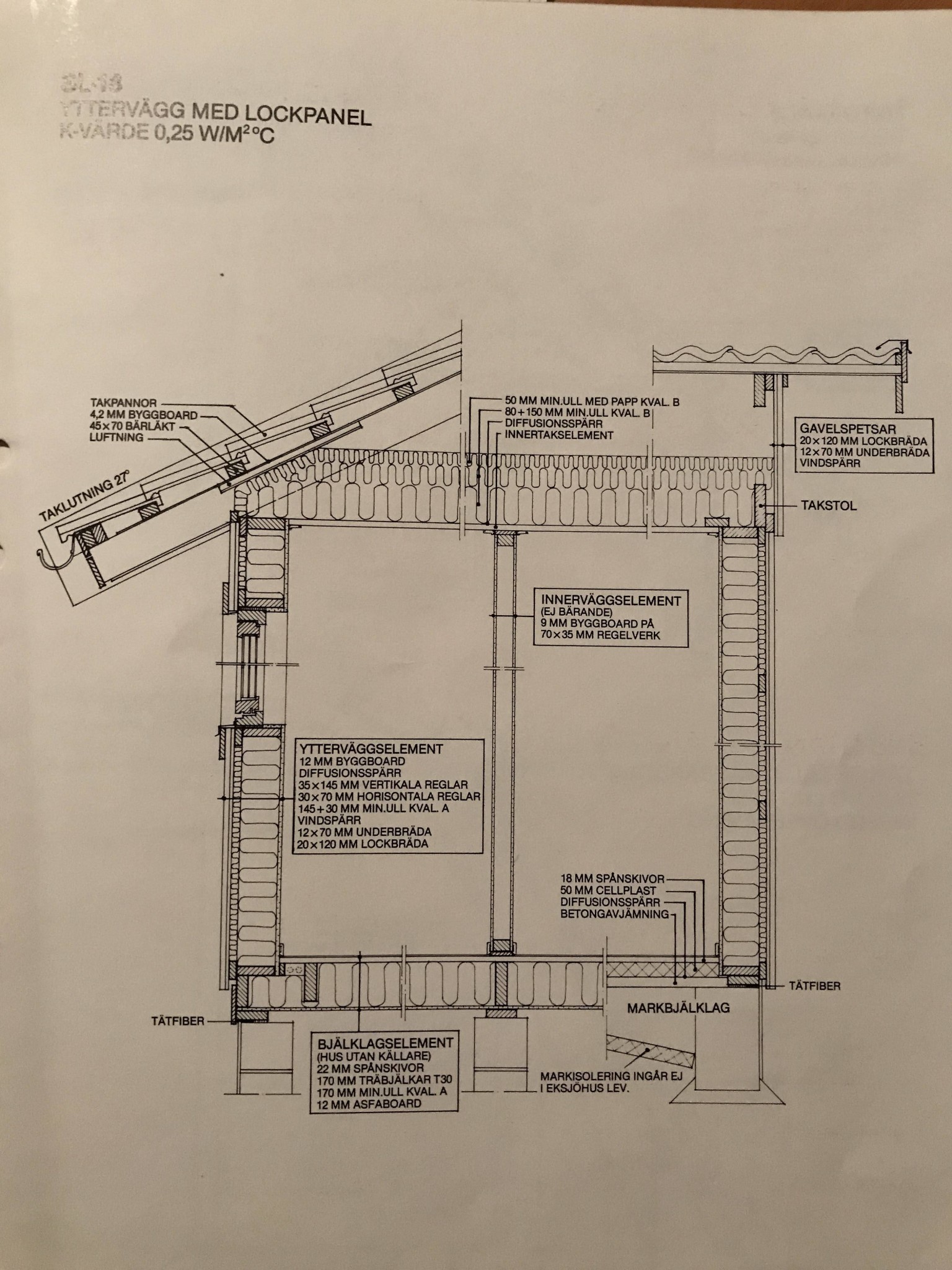
Here are a bunch of drawings, these are the ones I found. Does it help at all?
The inner wall (heart wall) is a total of 90 mm thick, which should mean it is with 70mm studs + board on each side.
I have also marked where I will open up in the last image.
With trusses made of frameworks, the load-bearing wall is not intended to be supportive. Then it's not wrong to check for which snow loads the trusses are calculated. Particularly in large parts of Småland (but not only) the standards for snow load calculations have been significantly increased since 1980. In practice, therefore, your trusses may still take support from the load-bearing wall at maximum snow load. It should be indicated in the truss drawing what they are calculated for.
With truss roof trusses, the heart wall is not intended to be load-bearing. Then it's not wrong to check for which snow loads the trusses are calculated. Especially in large parts of Småland (but not only), the standards for snow load calculations have been substantially raised since 1980. Therefore, in practice, your trusses may still take support from the heart wall at maximum snow load. It should be evident from the truss drawing what they are calculated for.
Ok, thanks for the information. However, I don't have any drawings available for the trusses - is it enough to check what type of timber they are built from + nail joints to proceed further?
I thought that it might be listed somewhere in the drawings you have or in some description text. If it's not, you can look at the dimensions of the truss timber: upper chords, lower chords, and diagonal braces. If the sizing is a bit weak in relation to the existing snow loads, it might be wise to make a support beam in the opening you wish to create.
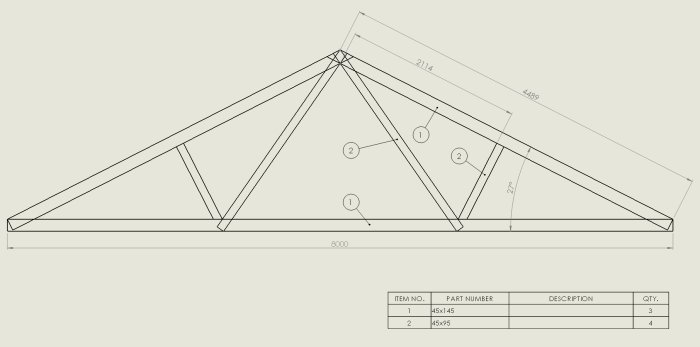
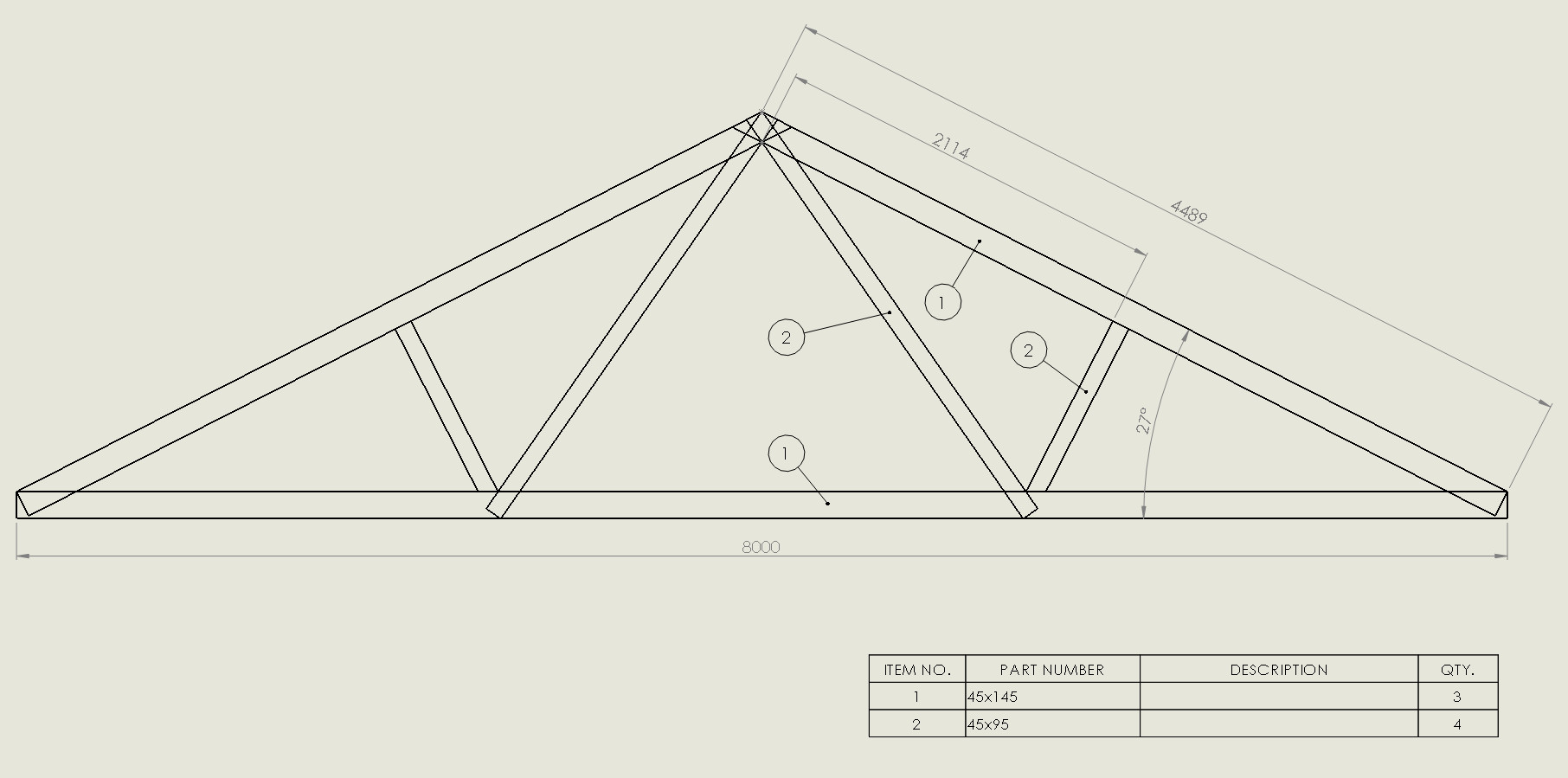
Some new answers as below, including a construction description and a roof truss measured and roughly drawn by me in SolidWorks to show the dimensions.
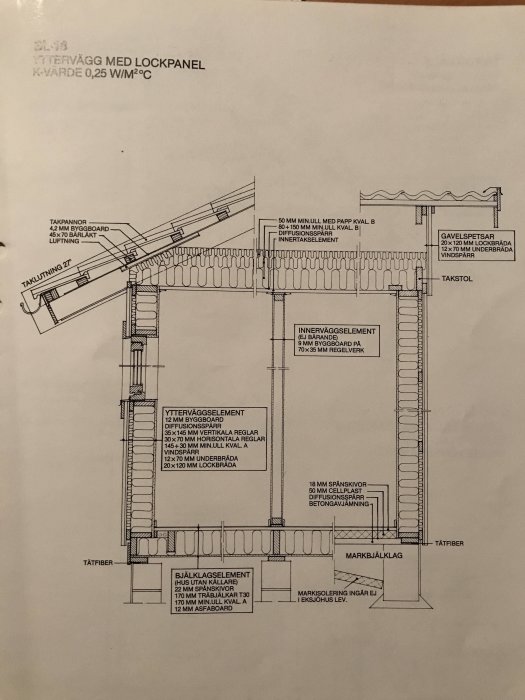
The construction description. It states "inner wall, non-load bearing" but... can one trust that?
The roof truss sketched, consisting of studs 45x145 and 45x95 respectively:
If you were to build the same house today on the same site, the roof trusses would be slightly sturdier. According to the wood guide's dimensioning suggestion for a so-called W-truss with an 8-meter span in snow zone 2.5, the upper chords would be 45x195, the lower chords 45x170, and the other braces 45x145. What may happen is you might experience a slight deflection from the trusses during snow-heavy winters. I would probably place a glulam beam in the ceiling resting on two glulam columns in the heart wall opening. According to the sectional drawing, there is a supporting wall under the slab at the heart wall. A suitable dimension for the beam is 90x225 and for the columns 90x90. It is possible to use significantly thinner columns that are not made of glulam, but it won't look as nice.
Click here to reply
Vi vill skicka notiser för ämnen du bevakar och händelser som berör dig.