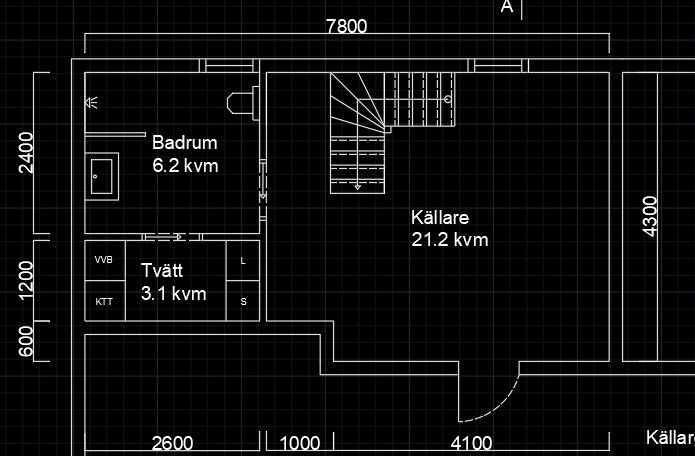
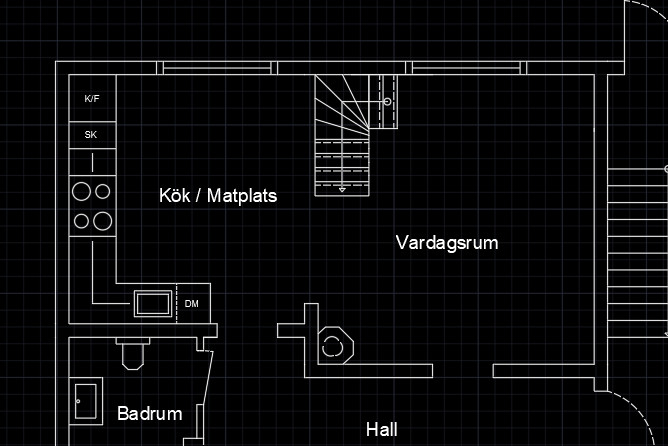
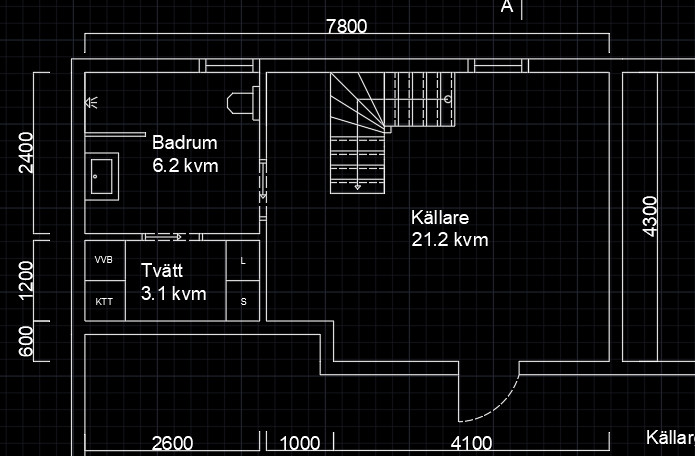
I am planning to build down in the basement area directly under our apartment and have some questions regarding the staircase's load-bearing capacity.
We will, of course, enlist the help of a structural engineer to calculate the load-bearing capacity and what beams we need. But the engineer costs a lot of money, and I want to provide her with the best facts and suggestions so she can do her job as quickly as possible.
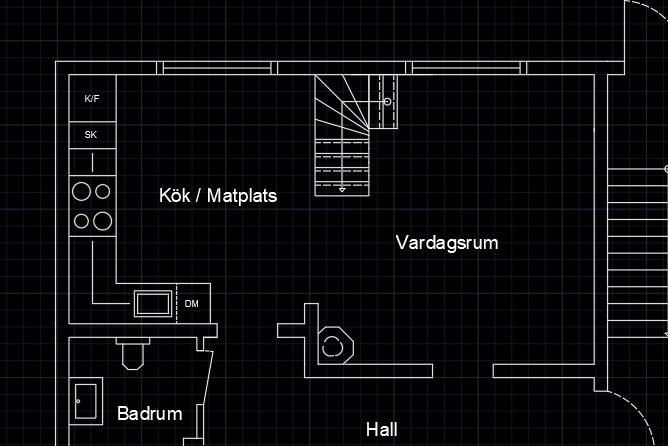
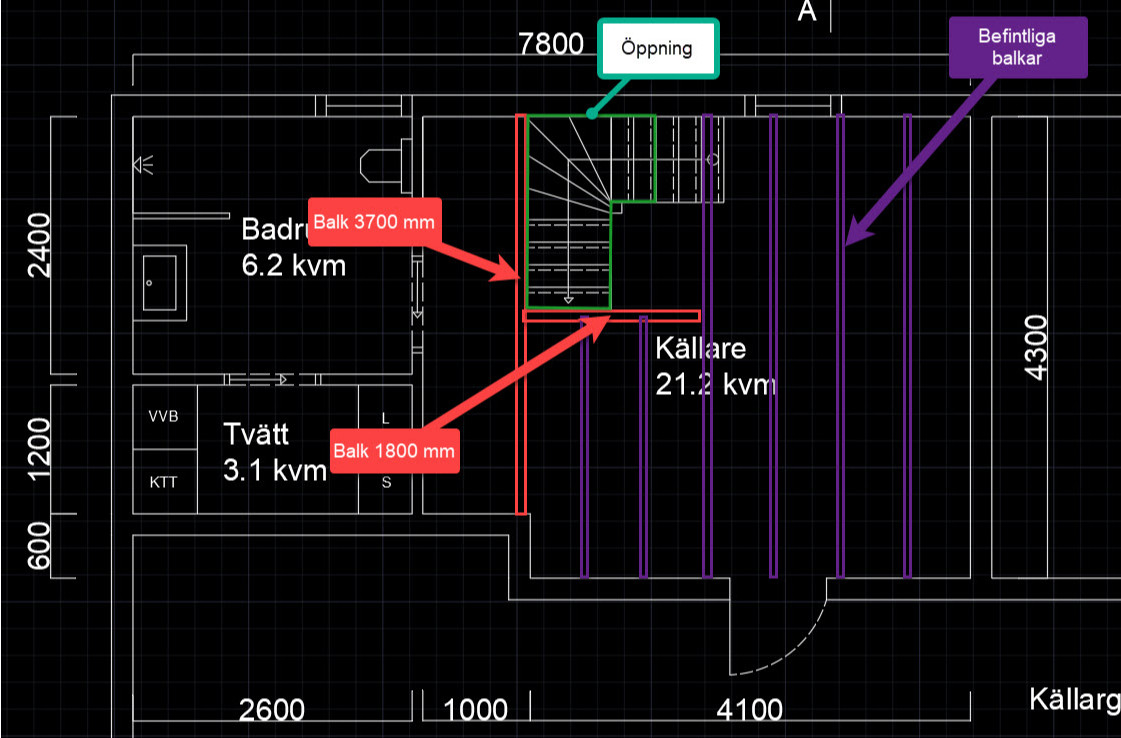
Layout:
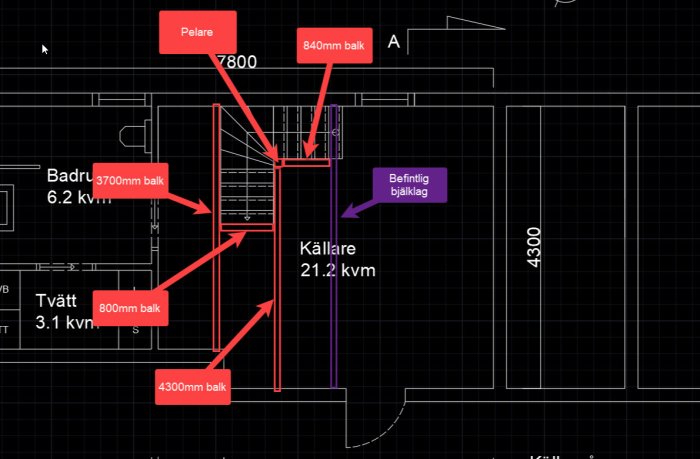
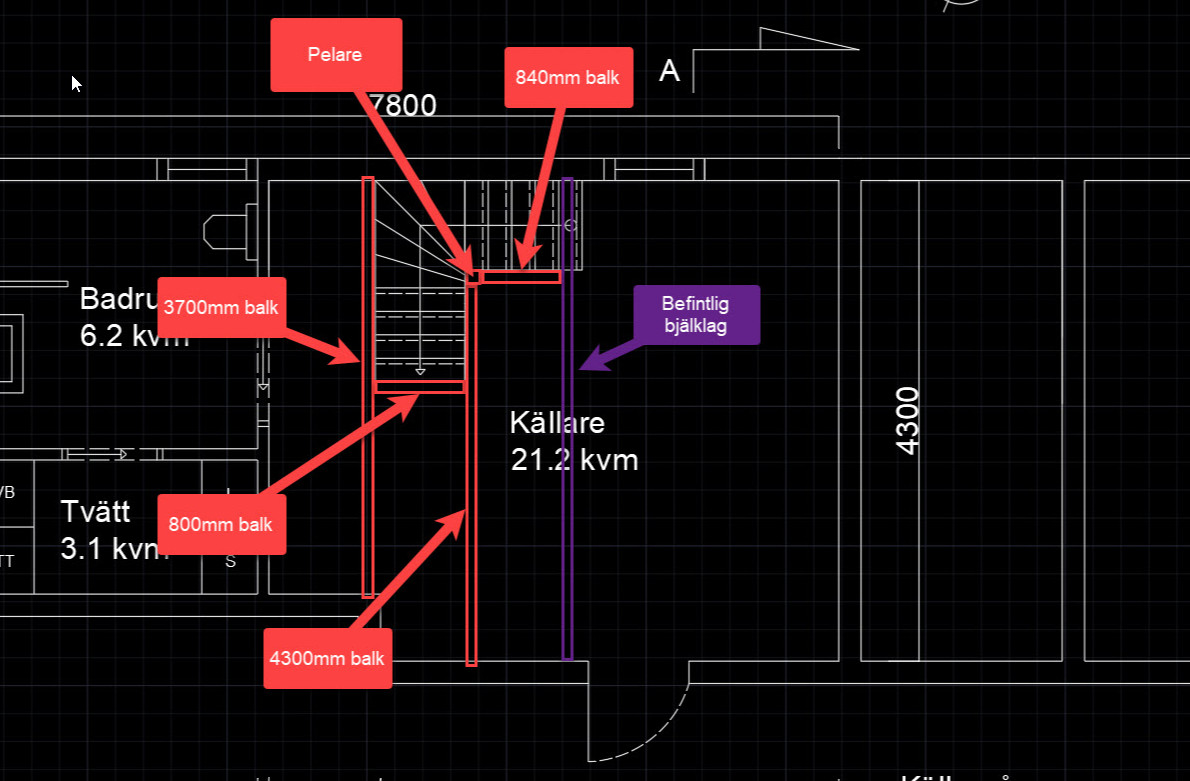
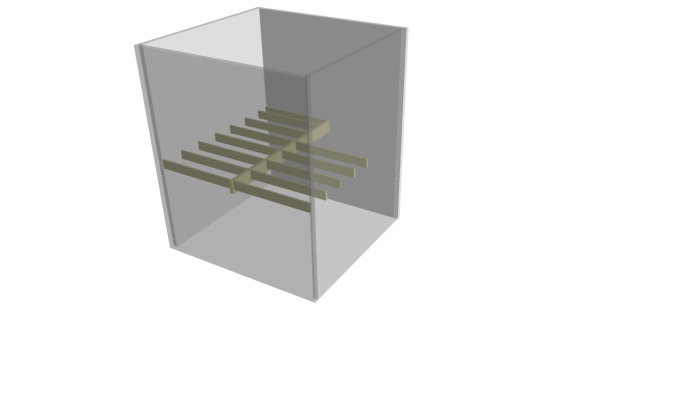
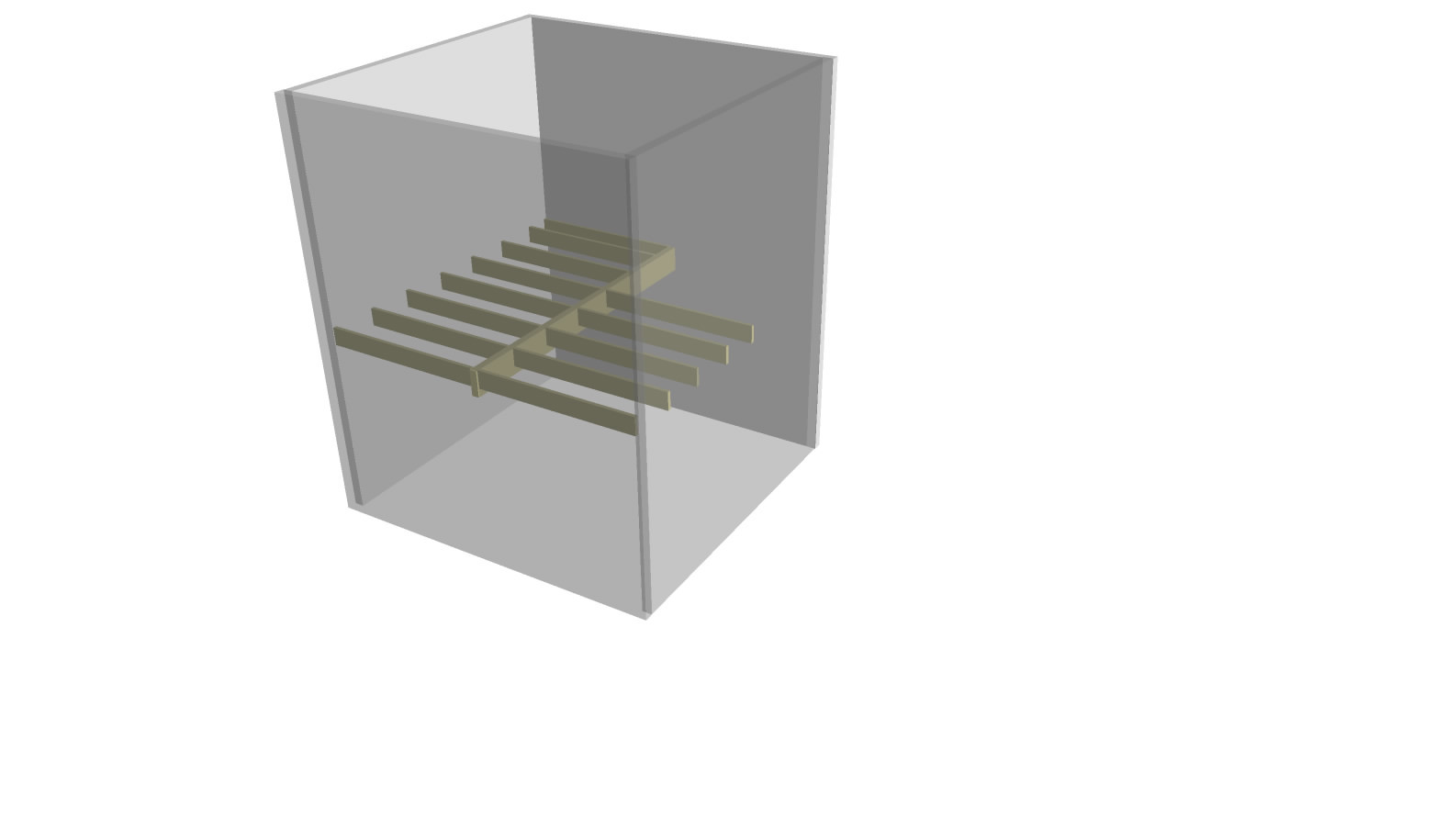
My proposal with a pillar in the basement:
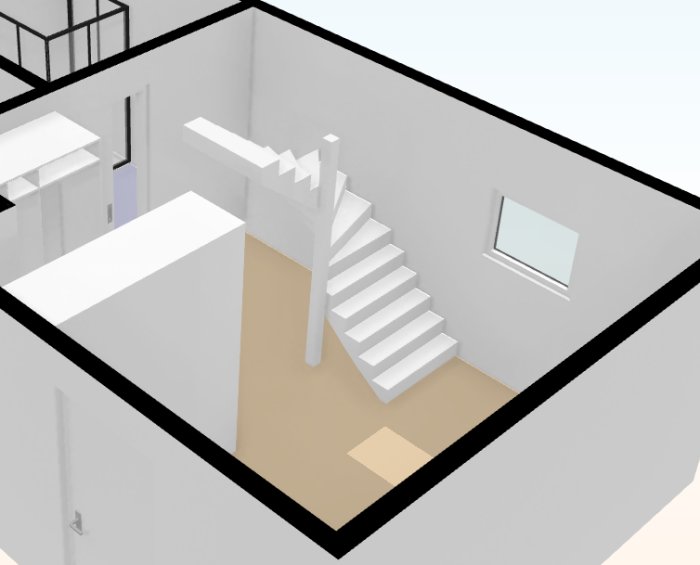
But we would preferably not have a pillar, keeping it as open/nice as possible.
Is this possible? I don't see a good transition between the beams like this, but I might be wrong.
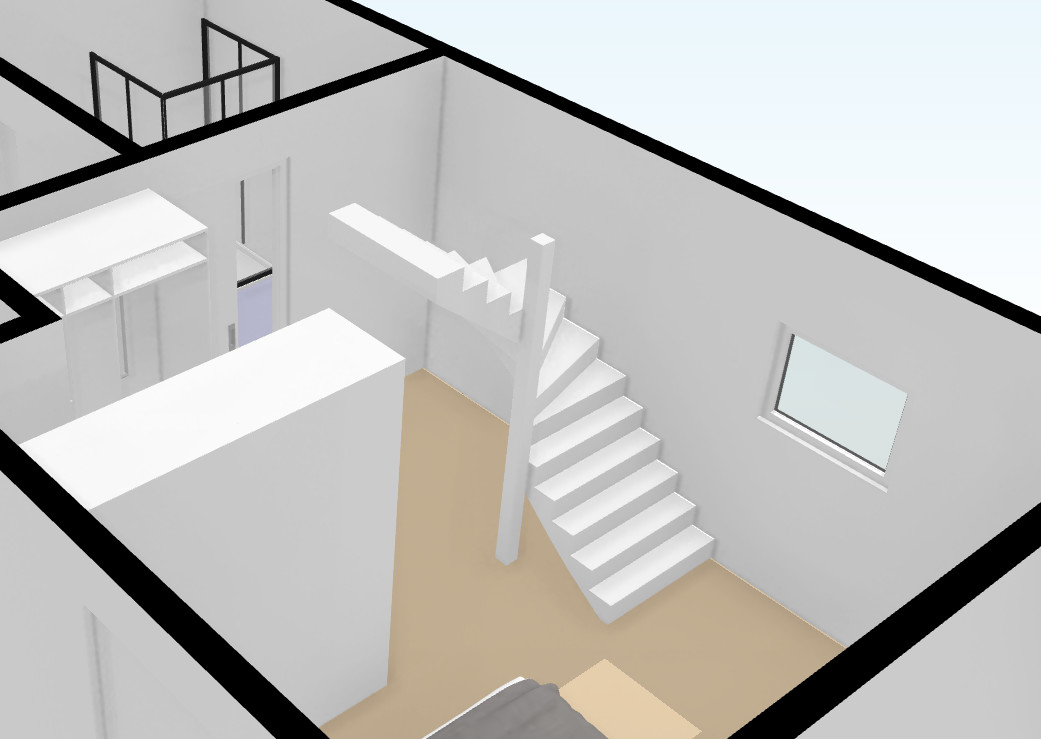
The staircase opening will be as small as possible, as will the staircase itself. An opening of 1800 x 1200 mm.
I have had a staircase manufacturer here to check, and we will be outside the recommended dimensions, but it will still feel okay to use. We know this, as we don't want to destroy too much in the living room and kitchen with a larger opening.
I think you're making it complicated for yourself. The simplest way is to let the pillar be an extension of the upper outer stringer. The pillar doesn't need to protrude above the staircase. The loads in question are very small. The most important thing is that the treads and risers have the same dimensions all the way along the walking line (40 cm from the wall). If you can follow the staircase formula (2*h + d = 60-63 cm), it guarantees a functional staircase.
I think you're complicating things for yourself. The simplest way is to let the pillar be an extension of the upper outer vang. The pillar does not need to protrude above the stairs. The loads in question are very small. The most important thing is that the treads and risers have the same measurements all the way along the walking line (40 cm from the wall). If you can follow the stair formula (2*h + d = 60-63 cm), it's a guarantee for a functional staircase.
Hi.
The pillar is meant to support the beam above that will hold up both the floor and the stairs.
Should be quite large loads since we need to cut off 2-3 floor joists under the floor?
Looking for the best possible bridging with beams for the stairs and floor.
Would like to avoid pillars if possible.
Without knowing exactly what it looks like today and what is possible to do, it is possible to solve it with only a transfer beam (glulam) and no pillar. This assumes that you can redo the floor structure in the stairwell. A staircase can be made largely self-supporting, it does not produce significant loads.
Without knowing exactly how it looks today and what is possible to do, it can be solved with only a load-bearing beam (glulam) and no pillar. This assumes that you can redo the floor structure in the stairwell. A staircase can essentially be made self-supporting, it does not produce any significant loads.
Hi,
There is currently no staircase at all, and we want as open a staircase as possible and then it shouldn't be able to become so self-supporting? Or can you take the help of the outer wall and attach the staircase well to it?
What do you mean when you write only one load-bearing beam?
Can you draw it so I can see it visually?