
3,037 views ·
8 replies
3k views
8 replies
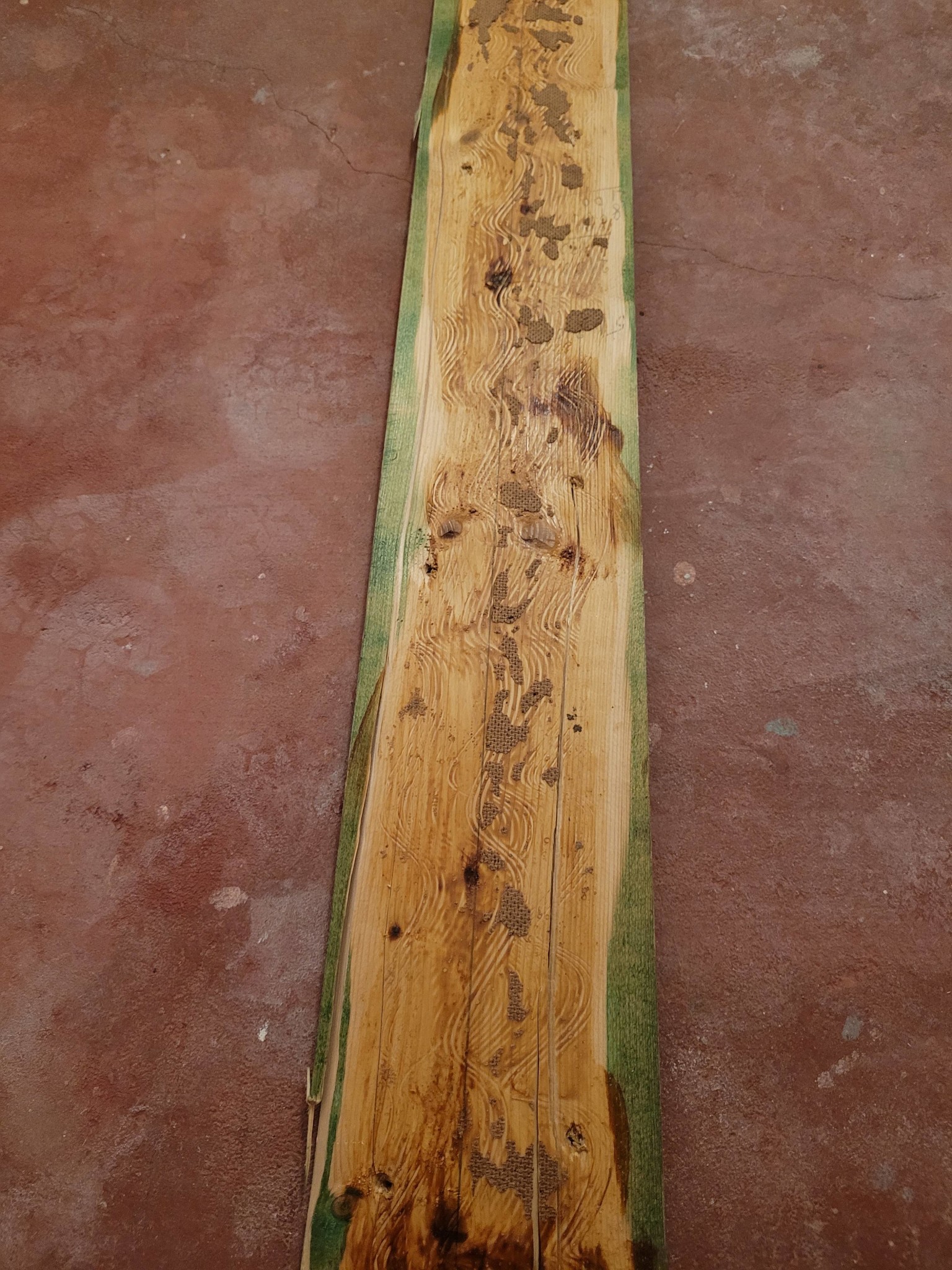
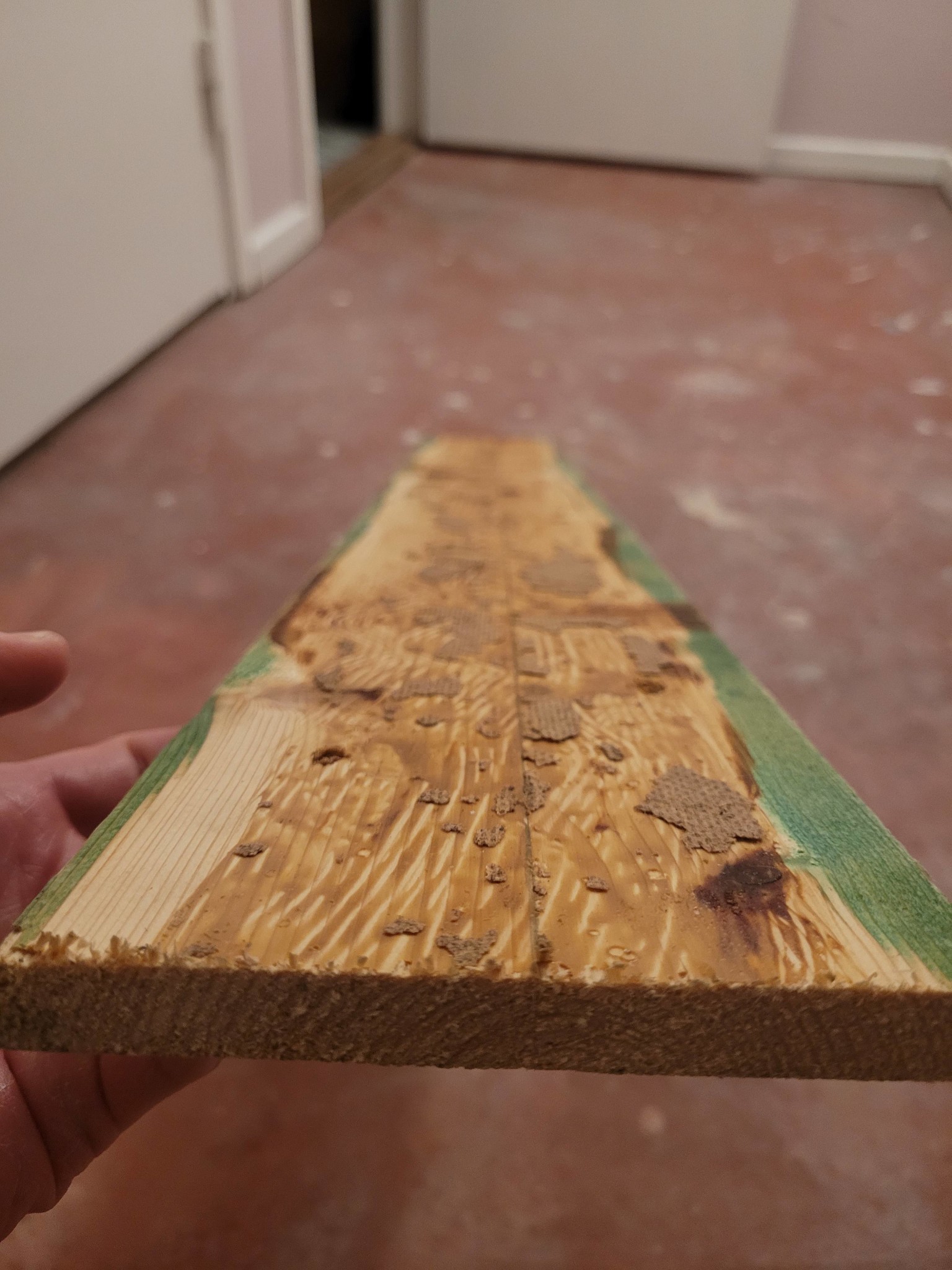
See photo - is this pressure treated?
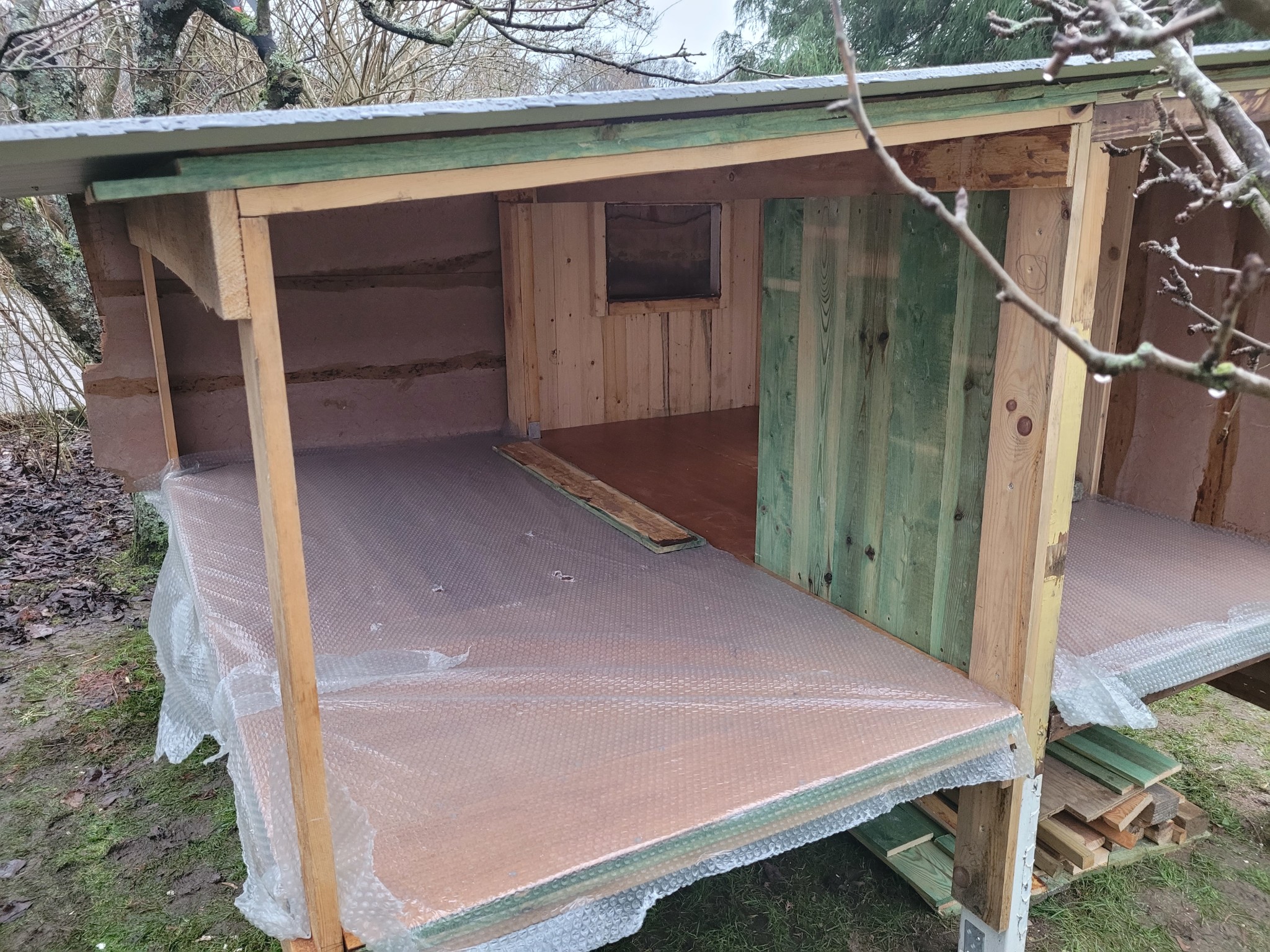
I am building a chicken coop. After I've finished the floor, roof, and a bit more, a friend says "you can't use those boards in a chicken coop, they are pressure-treated."
Now to the question, is it really?
In our basement, we have a room that used to be a bar, with masonite panels on the walls. Behind them were these green planks as frames on the walls and ceiling, with insulating Styrofoam between. Behind that was the concrete wall.
Wouldn't it be a strange place to put pressure-treated wood? The only moisture in the basement could be a little dampness, otherwise, it's completely dry.
What also goes against it is that they were probably installed when the house was built in the 60s. From what I've seen, pressure-treated wood is only green when it's new, but then it gets its usual wood color. These are bright green.
But what supports it is, if it's not pressure-treated, why are they green? :/
Grateful for any help
Now to the question, is it really?
In our basement, we have a room that used to be a bar, with masonite panels on the walls. Behind them were these green planks as frames on the walls and ceiling, with insulating Styrofoam between. Behind that was the concrete wall.
Wouldn't it be a strange place to put pressure-treated wood? The only moisture in the basement could be a little dampness, otherwise, it's completely dry.
What also goes against it is that they were probably installed when the house was built in the 60s. From what I've seen, pressure-treated wood is only green when it's new, but then it gets its usual wood color. These are bright green.
But what supports it is, if it's not pressure-treated, why are they green? :/
Grateful for any help
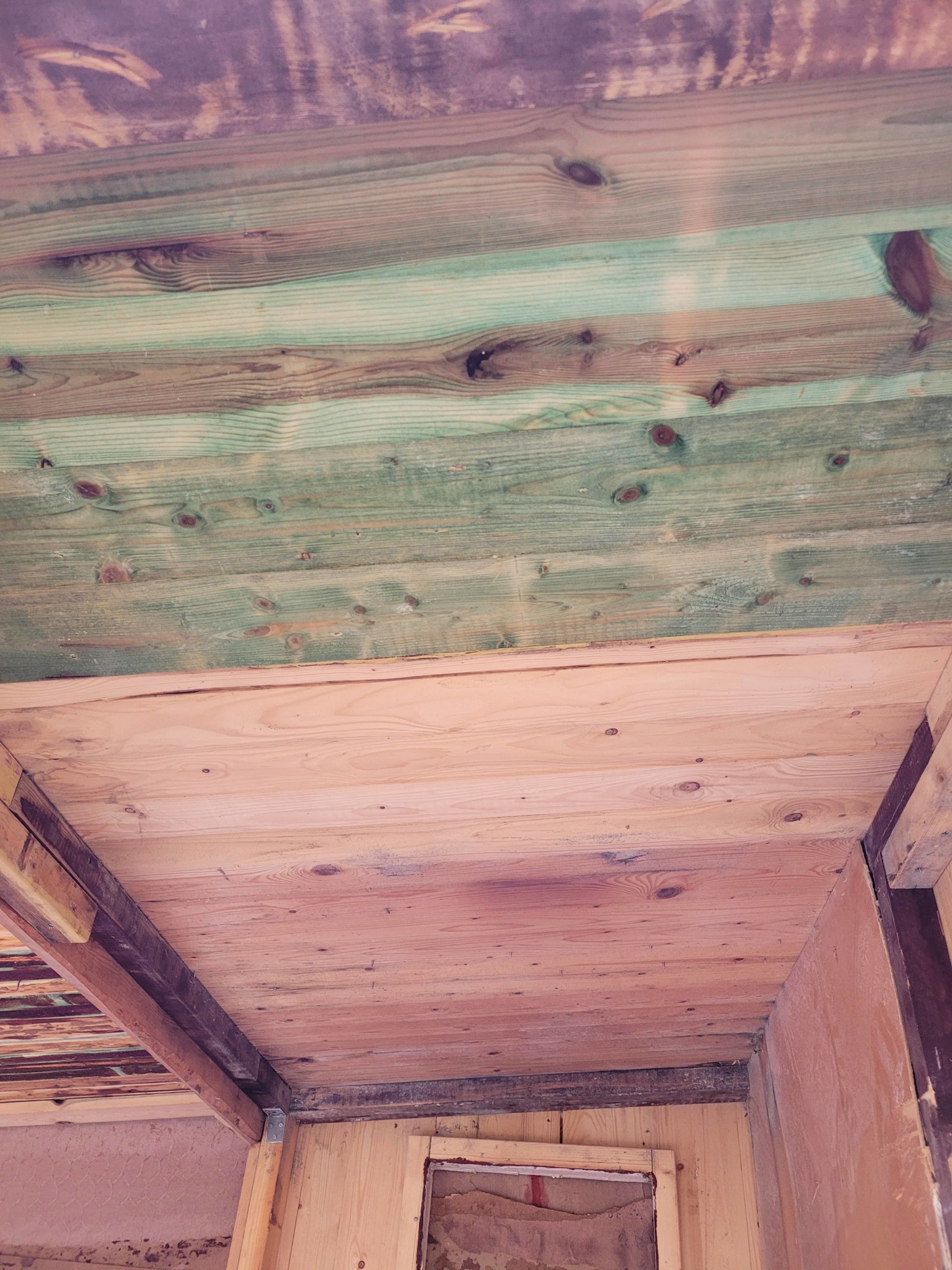
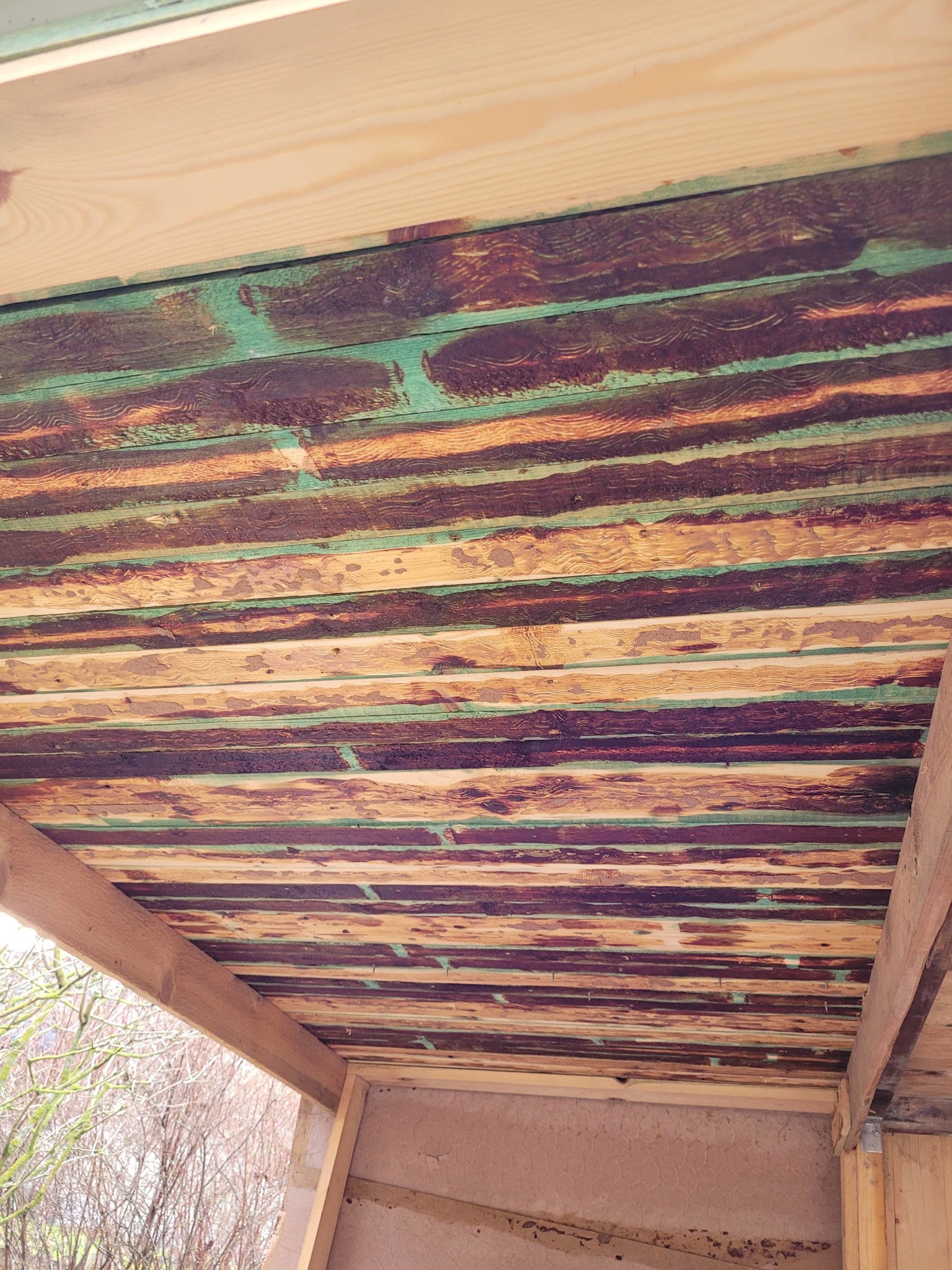
Old wood coated with Cuprinol? If it's from the 60s, it's doubtful that it's pressure-treated but don't take my word 100%.
Today's pressure-treated wood would not be a problem, but pressure-treated from the 60s may contain arsenic and all sorts of things.S BTR said:
Chicken coops are usually difficult to ventilate, and it's only 4 m2, so if the wood emits negative substances, it would be bad.
Thanks for the response, but the question is whether it is pressure-treated or not.
Yes, the fact that it is still so markedly green indicates some sort of copper-treated surface treatment against rot, like Cuprinol, which wasn't so uncommon at the time. But as I said, I can't entirely rule out pressure-treated wood since the 60s was kind of the turning point when it started to emerge, though not extensively. I still think Cuprinol or something similar, but under the motto "better safe than sorry," maybe it's wise to replace it with other timber for peace of mind? Unless someone here can unequivocally confirm Cuprinol?P peter.linkan said:
Great to hear! Good luck with the rest of the hönshuset!
Thanks
Click here to reply