
908 views ·
3 replies
908 views
3 replies
Sealing odd cavities in the floor angle
I have a multi-story house where the upper floor has wooden joists, and I have replaced the chipboard and insulated the entire upper floor.
In retrospect, there are some gaps in the floor angle that I want to seal, and I plan to spray foam in and afterward use a cheap acrylic sealant.
Is there any disadvantage to doing this before I start with the foam, because afterward I can't remove the foam.
The reason why I want to seal the holes is primarily because we have some silverfish on the lower floor that I want to prevent from getting to the upper floor.
But we also want to improve the soundproofing between the floors.
Is there any disadvantage to spraying foam and finishing with acrylic sealant to make it completely airtight?
In retrospect, there are some gaps in the floor angle that I want to seal, and I plan to spray foam in and afterward use a cheap acrylic sealant.
Is there any disadvantage to doing this before I start with the foam, because afterward I can't remove the foam.
The reason why I want to seal the holes is primarily because we have some silverfish on the lower floor that I want to prevent from getting to the upper floor.
But we also want to improve the soundproofing between the floors.
Is there any disadvantage to spraying foam and finishing with acrylic sealant to make it completely airtight?
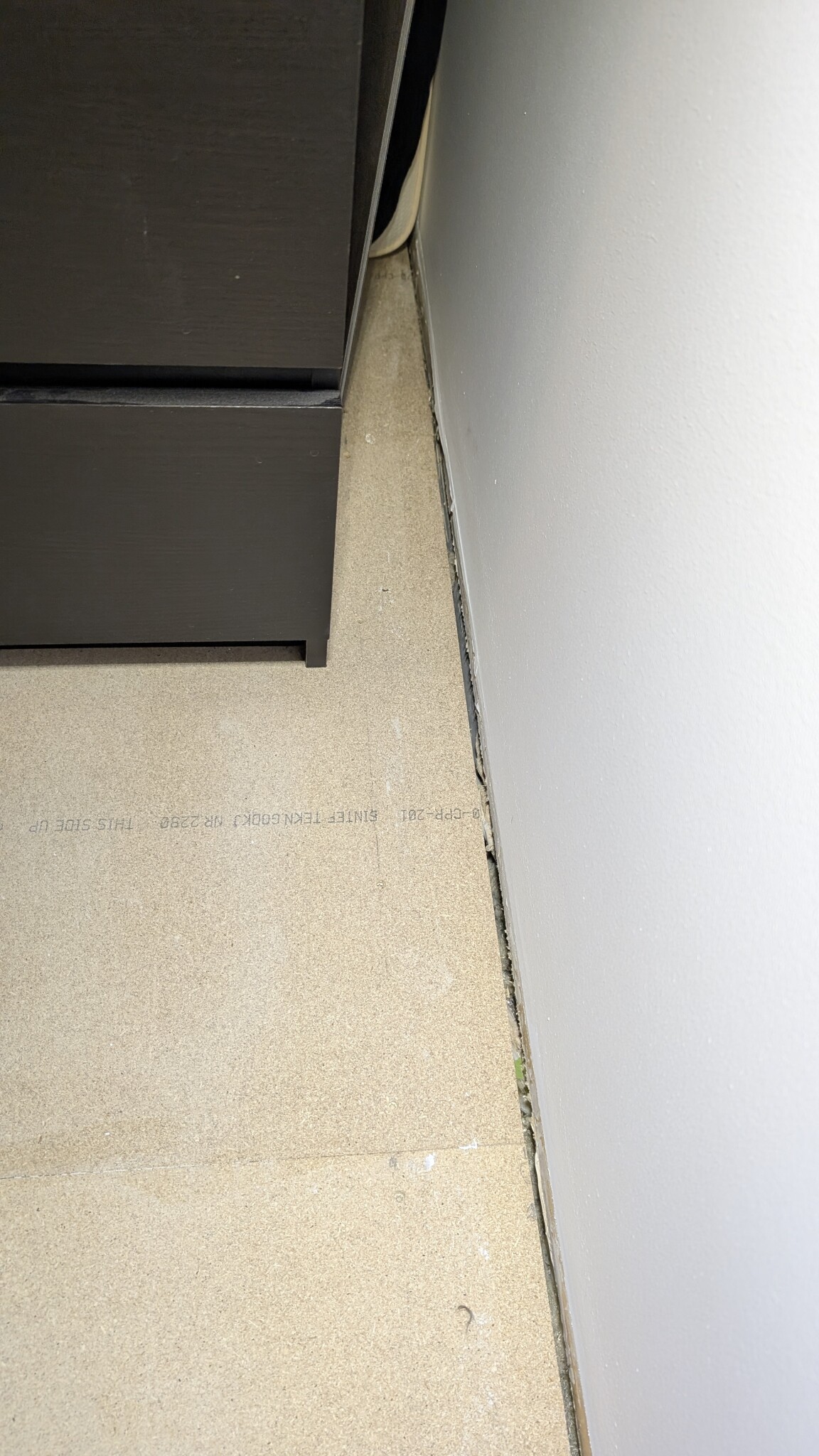
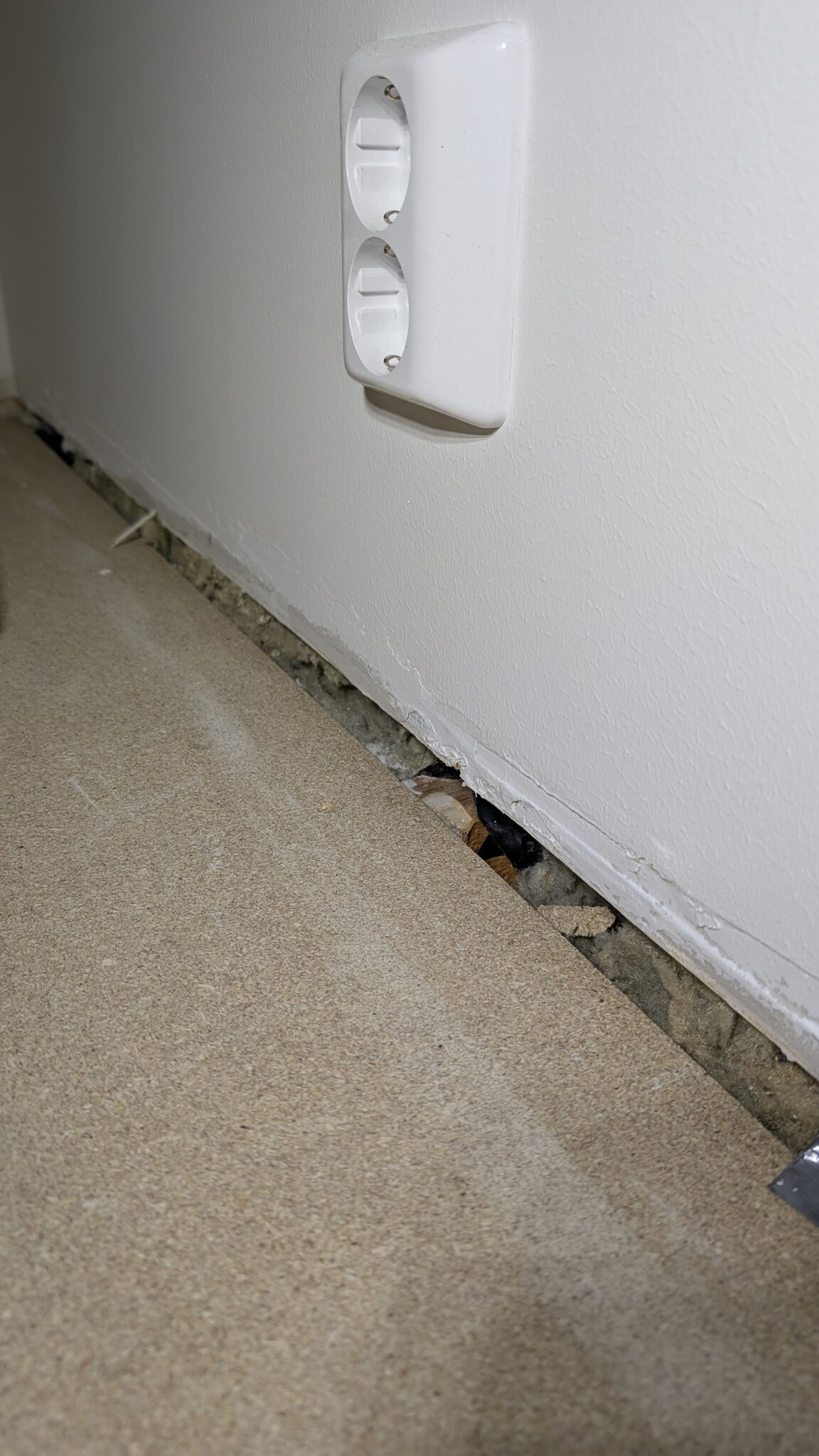
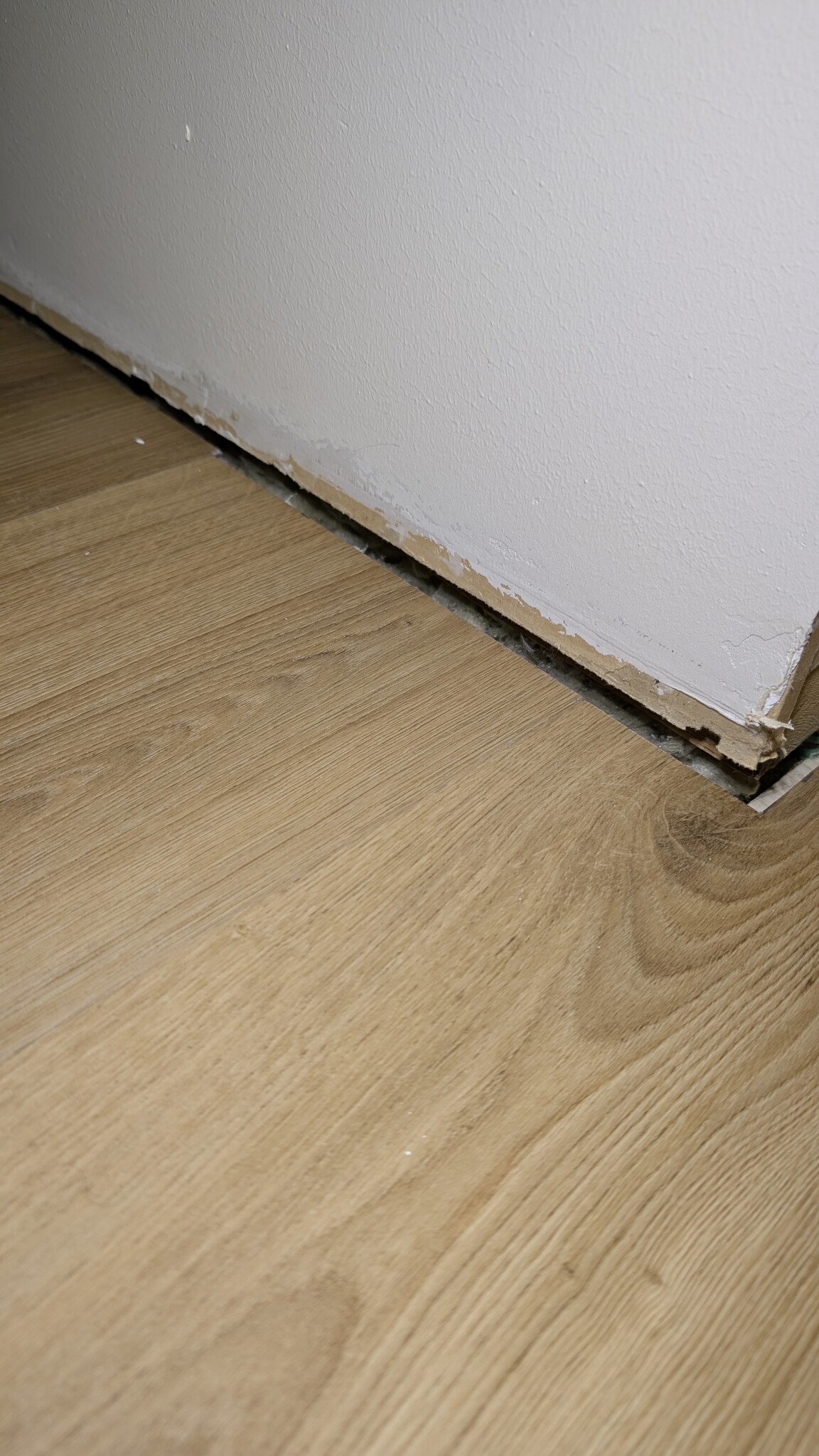
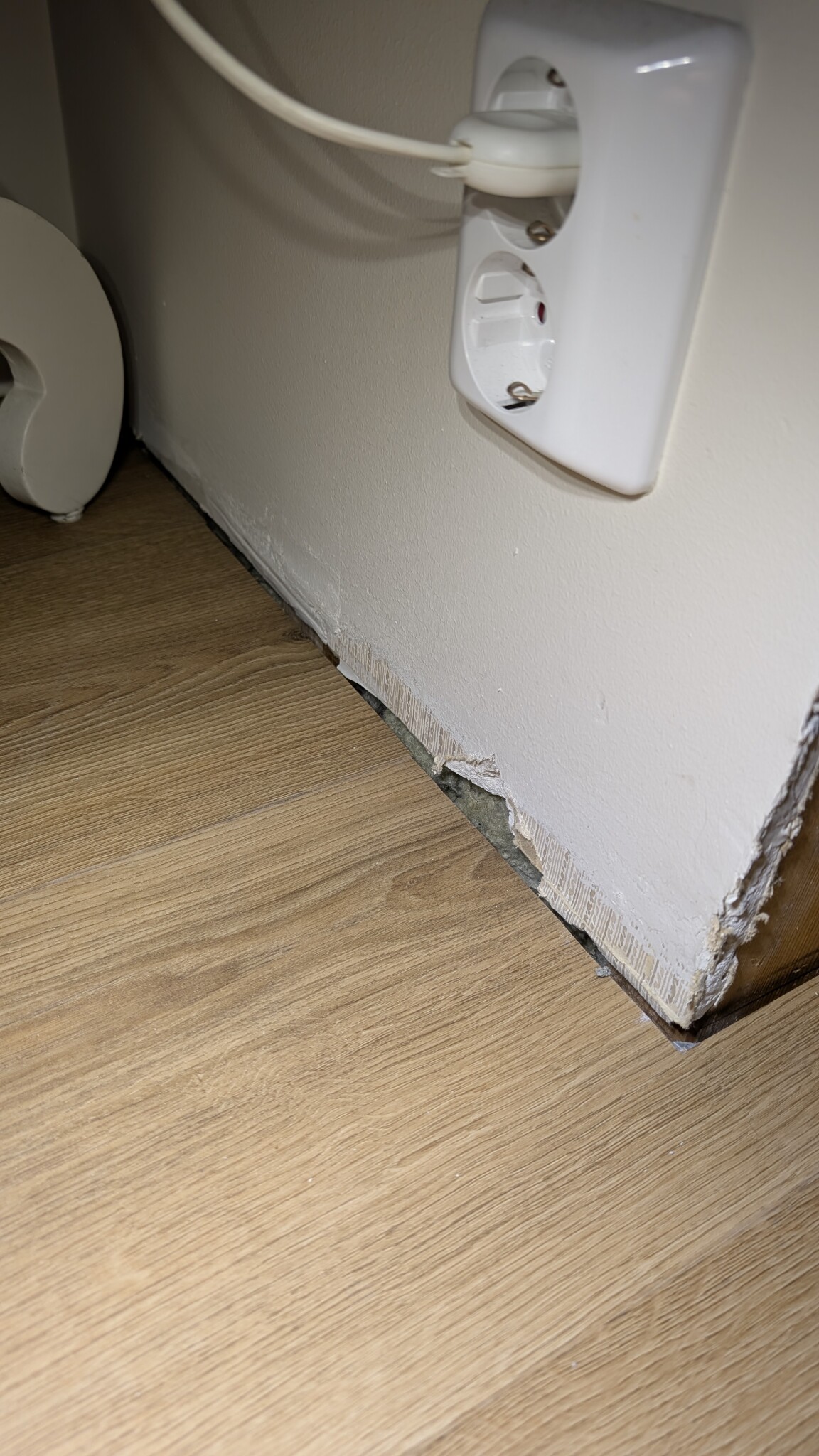

Foam can easily get away and press on/move things you don't want it to, and it's a hassle to remove. I would rather then insert insulation and apply sealant...
Alternatively, something low-expanding foam, if you want it. Biltema stone adhesive is a cheap and good foam that only expands about 10%
Alternatively, something low-expanding foam, if you want it. Biltema stone adhesive is a cheap and good foam that only expands about 10%



Backer rod and acrylic joint/silicone should work. Easier to remove if needed compared to foam sealant.
Click here to reply