
2,099 views ·
11 replies
2k views
11 replies
Screw while or after glued dowel cures/d?
Member
· Västra Götaland
· 3 707 posts
If it is in wet areas(?) you should first fill the hole with silicone, insert the plug, fill the plug with silicone, and then screw. In other spaces, it doesn't matter as long as the plug doesn't turn when you start screwing.
Thanks for the info.I InsidersUnited said:
It's in a wet room, but more than 1.2 m away from the shower and above a radiator. I was thinking of using mounting adhesive (Pattex No More Nails, which I have at home). Is silicone just as good? I also have wet room silicone at home but want to ensure that the plugs hold firmly. Any difference between using adhesive vs silicone?
These are the plugs I have at home. I don't know if any of them are better for tiles and porous material.
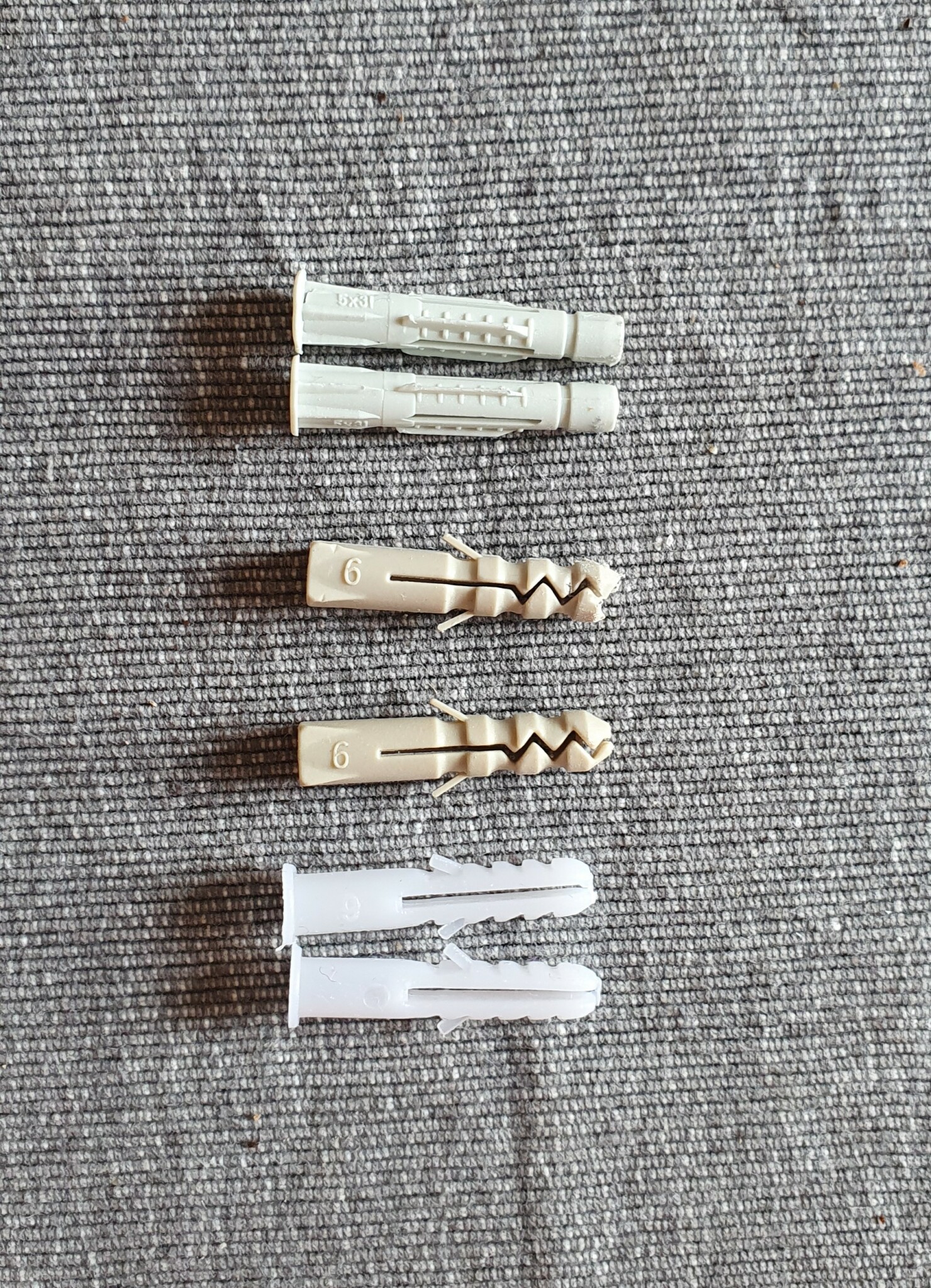

Yes, there is a difference. You should not use glue at all. The plug will hold if you use a reasonable plug. However, you should definitely use silicone to make it watertight (steam).
What is the wall material? You say porous but what more specifically is it?
What is the wall material? You say porous but what more specifically is it?
Okay, that's true.tommib said:
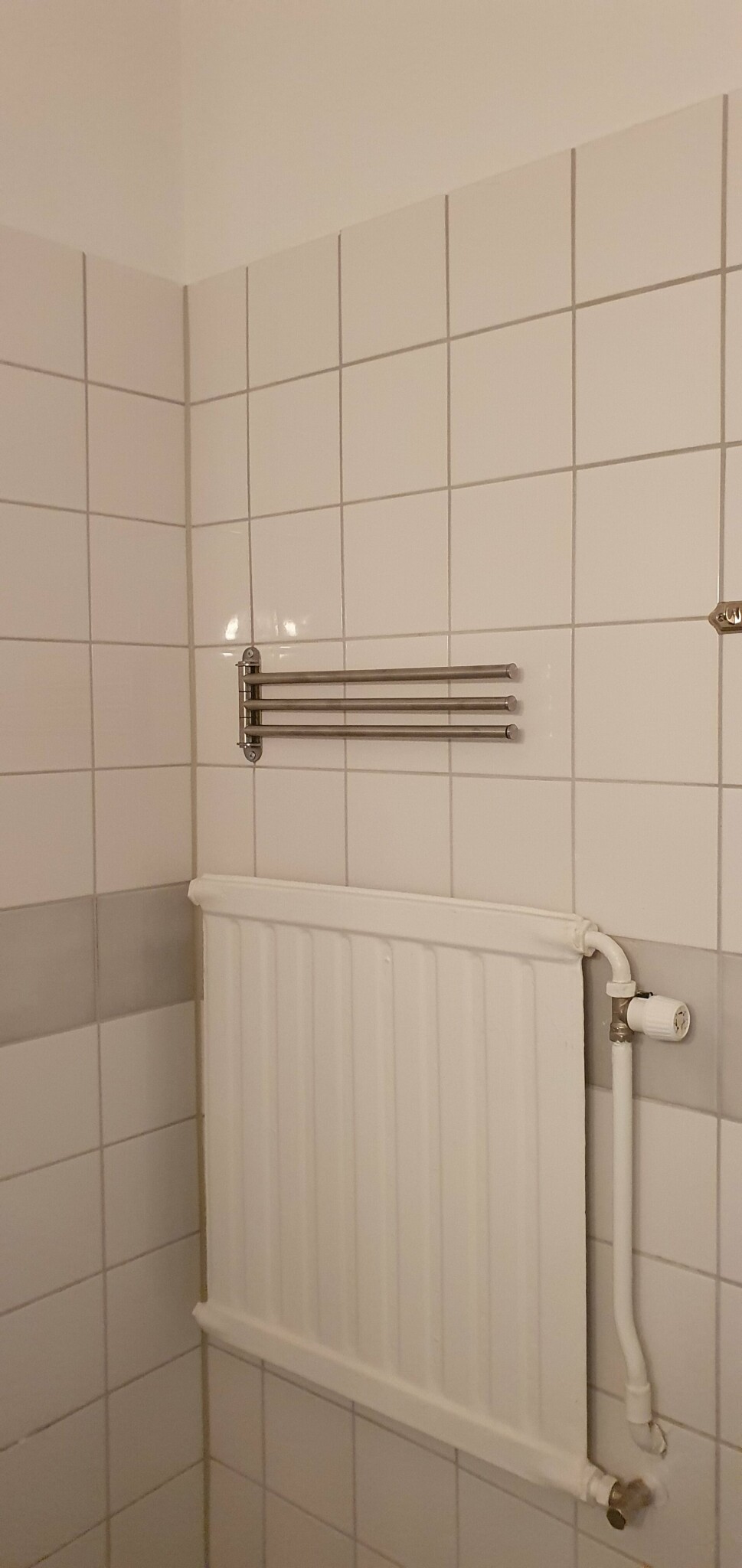
The house (apartment) was built in 1948. Hard concrete in load-bearing walls, but some kind of lightweight concrete in non-load-bearing walls. Always black dust comes out. I've had problems before when trying to fasten something. You want it in a specific spot, and it happens to be a bit hollow or very porous. The thing I'm going to screw will be turned regularly, so it needs to be seated properly. I thought the more I can ensure it stays put, the better.
Are any of the plugs unsuitable, or maybe all three?
Ideally, you should use lättbetongplugg if that's what you have. However, they can be difficult to get through the tiles. Check out Tox's variant, I believe it's called Ytox. Fischer GB is otherwise good, but it doesn't go through the tiles in any reasonable way.
Okay, I'll check that out. But aren't these made of rubber and tend to twist/collapse in the cavity? What's the issue with tiles for these plugs? I've mounted other things with standard plugs like the ones in the picture, which have usually worked well. Even though sometimes they've spun around and I've had to use a bigger size or make new holes next to them. Like hy
The mounting is done, by the way, on the grout between the tiles. If that makes any difference.


Sounds like slag stone/slag plates: https://sv.wikipedia.org/wiki/SlaggtegelM marp68 said:
Member
· Västra Götaland
· 3 707 posts
Nice, You can use it directly, it’s the screw/plug that holds it in place, the silicone is just there to seal it👍
OkayI InsidersUnited said:
But my thought was to glue the plug to ensure it would really stay firmly in place and not start to come loose after a while when you twist the bars back and forth, hang things on them etc. Screws and anchors tend to do that after a while when it comes to movements. Maybe I should have used assembly glue after all.
Click here to reply