Hello, I need ideas on how to best achieve the smooth surface and retain heat from inside with a vapor barrier and proper ventilation.
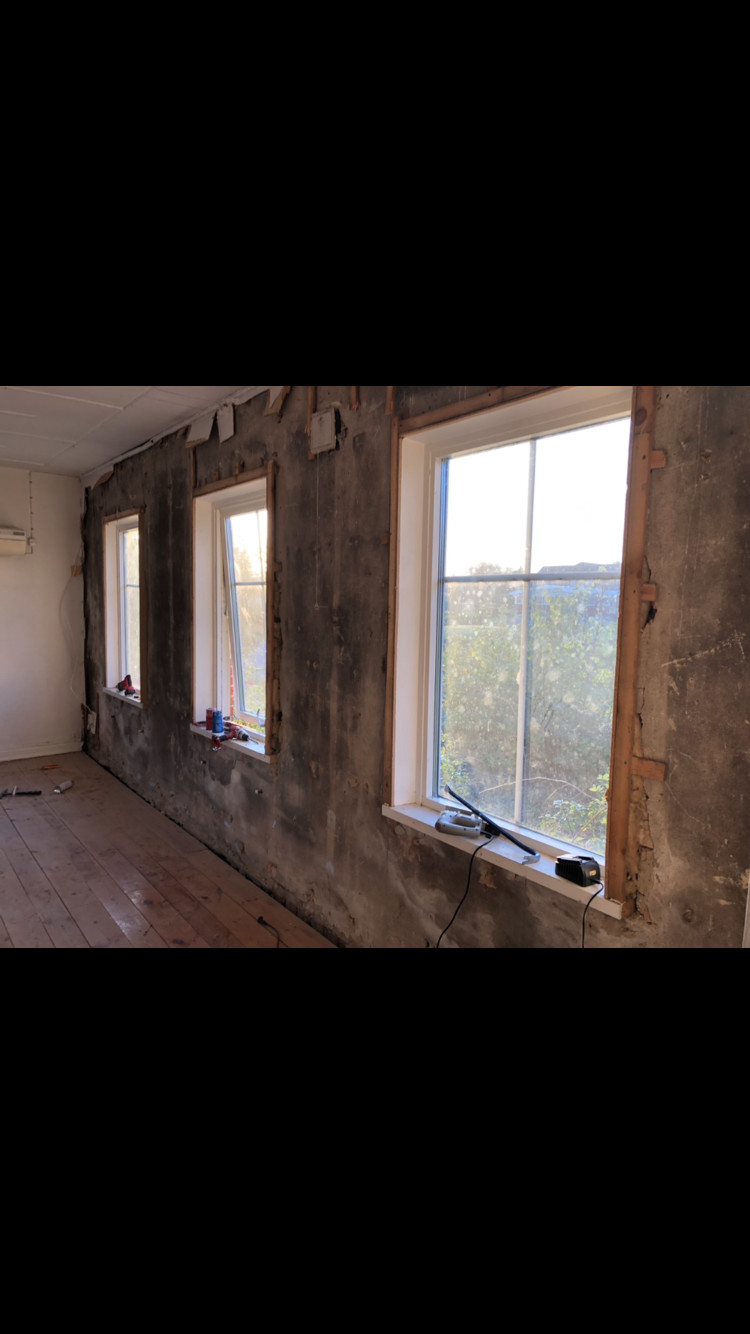
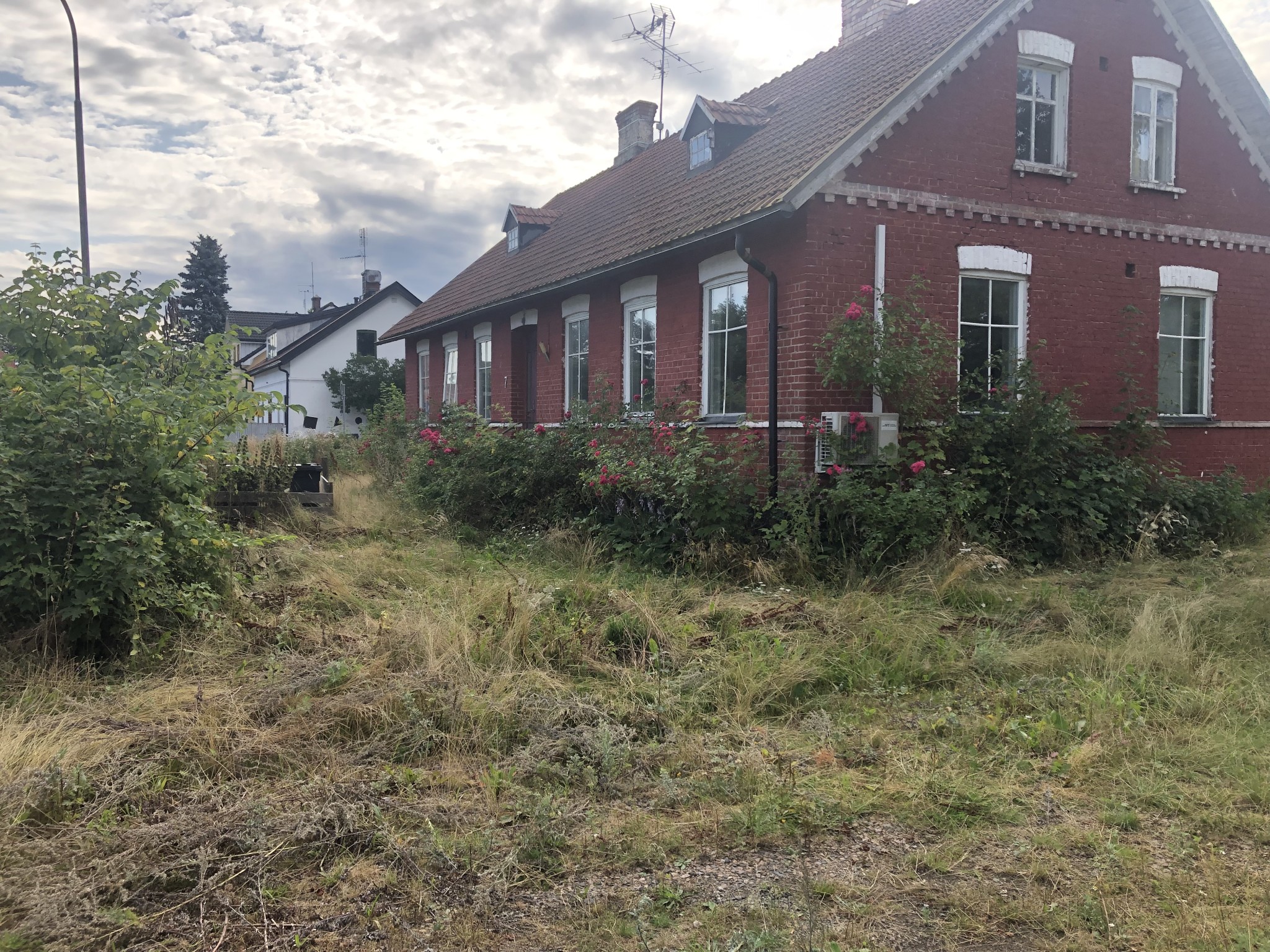
I've bought a house that needs renovation, and it's from 1909. Its frame is made of double masonry facade, but it is painted on the outside. On the inside, it is plastered, and there is some minor moisture which I will address.
I am planning to renovate the entry floor joists, and then insulate from the inside, as follows:
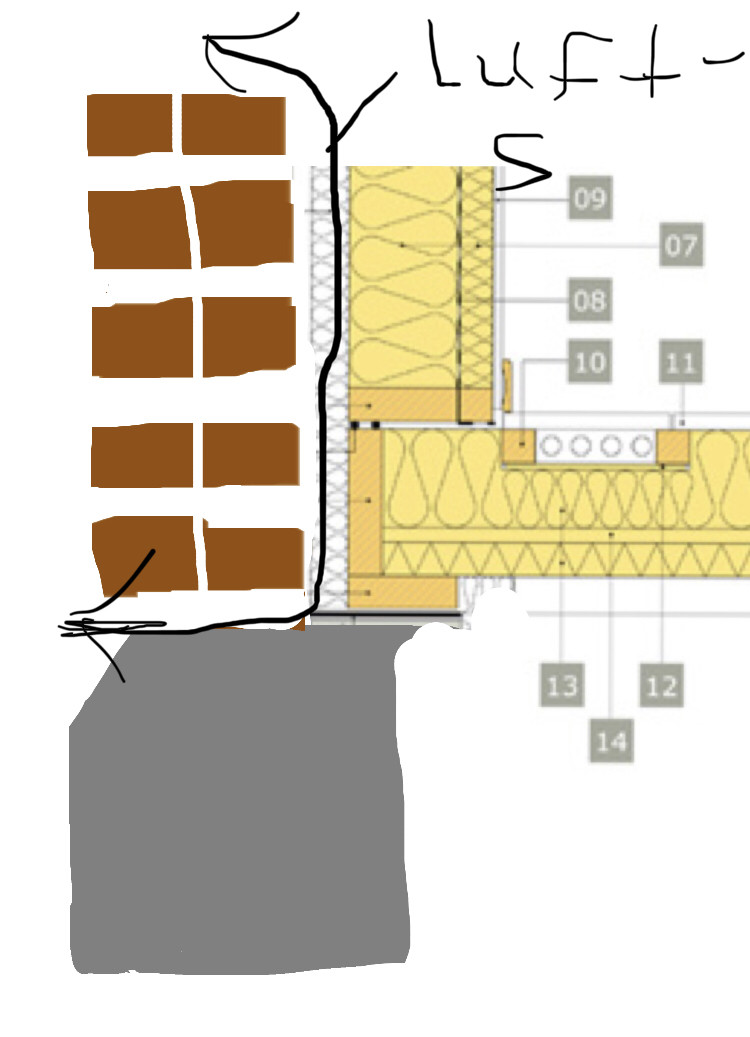
Double masonry existing wall right now > drill new air gaps below/under in the facade joint > place cassette air gap under the window/flashing and out above/in the facade then > from the inside 25mm air gap > board/masonite behind the stud 3mm > insulate 45 with insulation in between> vapor barrier > horizontally > drywall.
Hope everyone understands what I meant, but what do you think, is it a good solution? Will it keep the heat and ventilate in and out the right way? I already have passive ventilation.
Or should I just skip everything and just plaster, reinforce the floor joists with sill paper around, with a shoe sole.
Grateful for all your help, I'd love to hear your thoughts, considerations, and criticism. Does it solve the problem, and is it approved?