
2,721 views ·
3 replies
3k views
3 replies
Rotten plank under window - what to do?
Hello,
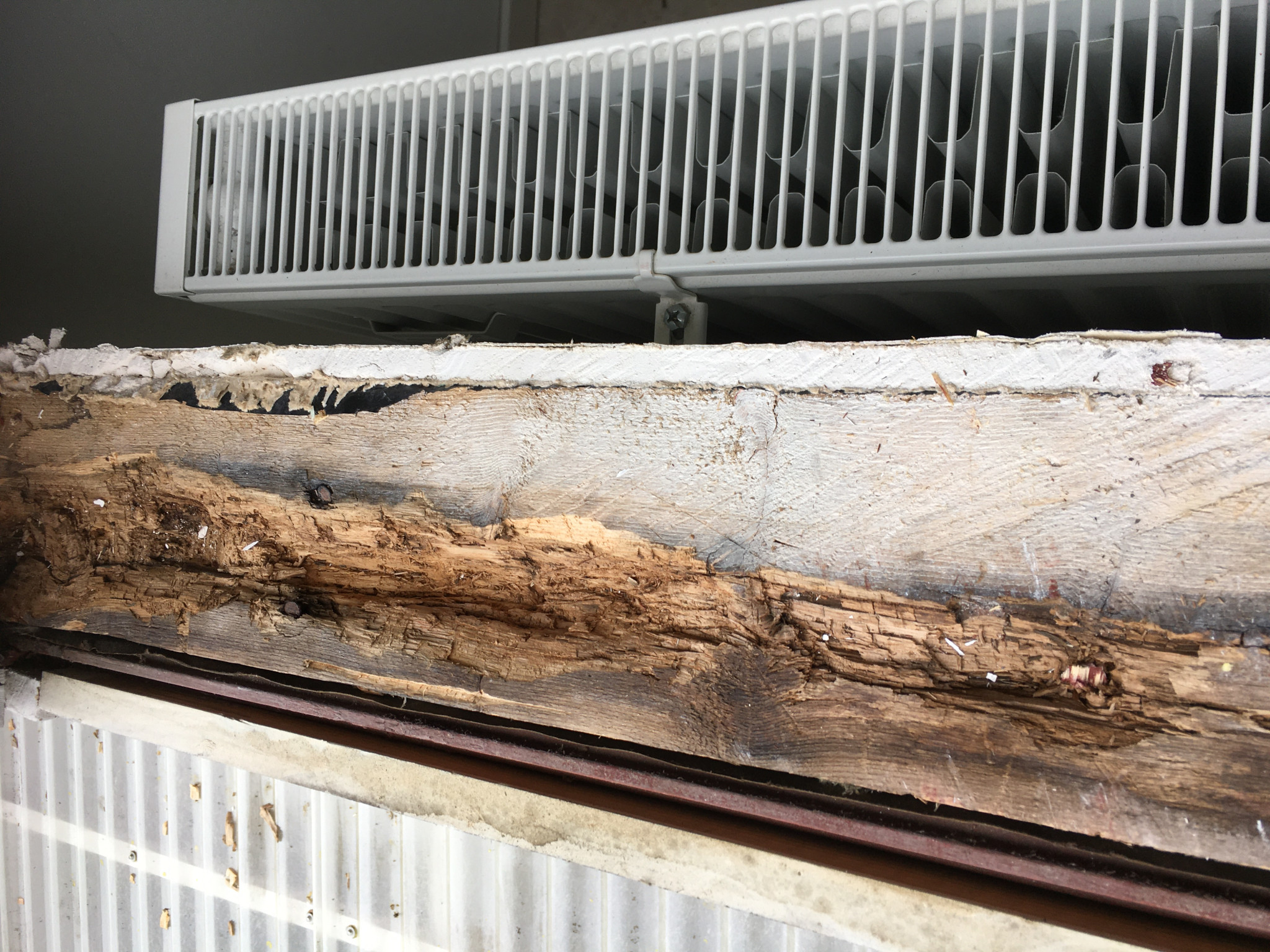
I am in the process of replacing windows in our house but have encountered a problem with two windows on the upper floor. When I removed the old windows, it turned out that the sill underneath the windows is rotten. It is not rotten all the way through, but I have scraped off quite a bit. It is not wet. See the picture.
The question is what should I do now.
1. Leave it as it is and install new windows.
2. Replace the bad part of the sill and splice it with the old.
3. Replace the entire sill (complicated since parts of the wall need to be removed to access it)
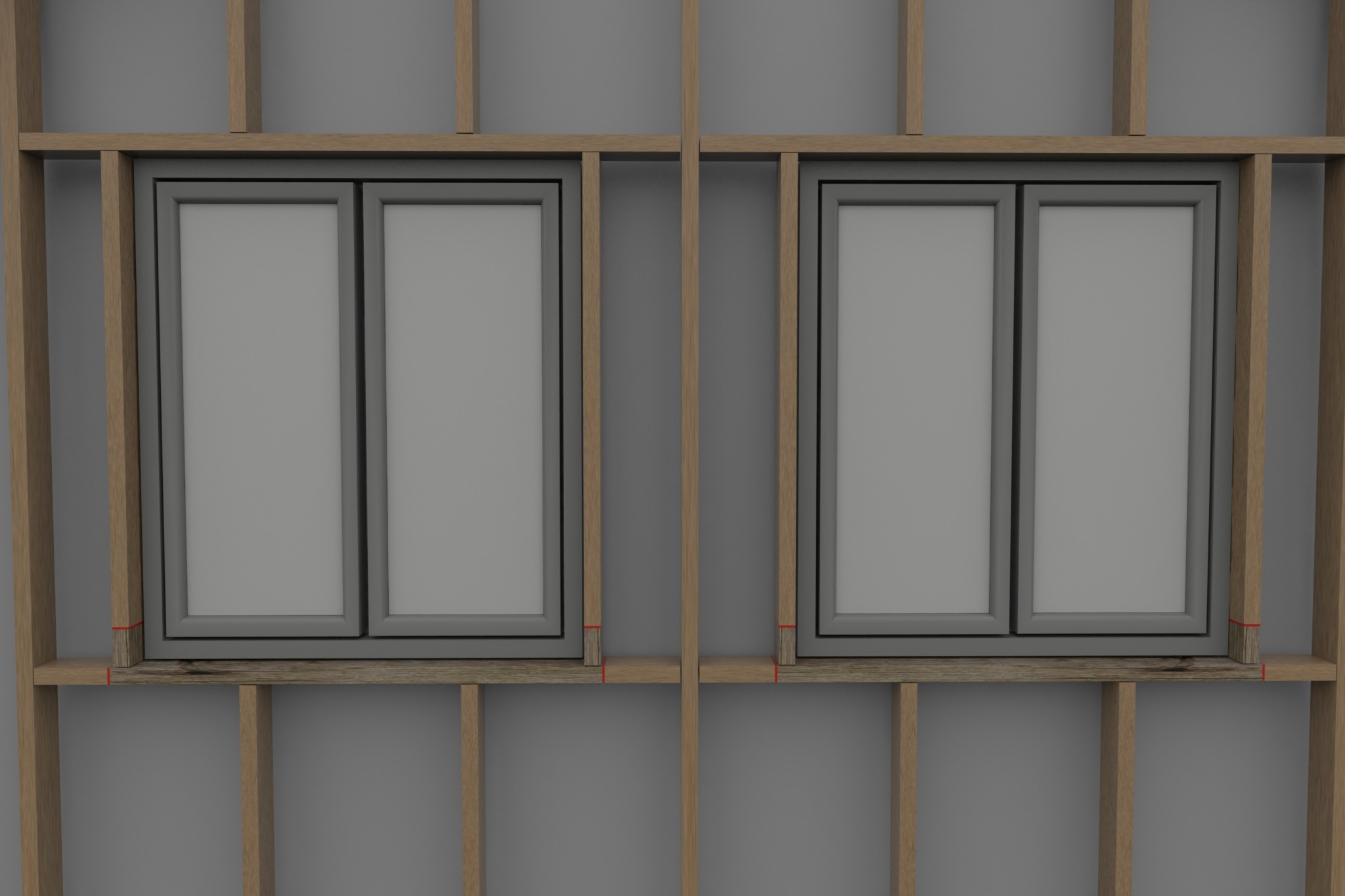
I would prefer to do option 2. But how is it to splice horizontal sills in this way? Does it affect the house's load-bearing capacity, etc.? I am attaching a drawing where I planned to cut and replace (red lines).
Grateful for help.
I am in the process of replacing windows in our house but have encountered a problem with two windows on the upper floor. When I removed the old windows, it turned out that the sill underneath the windows is rotten. It is not rotten all the way through, but I have scraped off quite a bit. It is not wet. See the picture.
The question is what should I do now.
1. Leave it as it is and install new windows.
2. Replace the bad part of the sill and splice it with the old.
3. Replace the entire sill (complicated since parts of the wall need to be removed to access it)
I would prefer to do option 2. But how is it to splice horizontal sills in this way? Does it affect the house's load-bearing capacity, etc.? I am attaching a drawing where I planned to cut and replace (red lines).
Grateful for help.

Construction veteran
· Norrland
· 342 posts
Hey! If the frame looks like in your pictures, they don't support anything at all and are just there to mount the windows. So go with option two, it will be great. If you cut as you've drawn, you can place larger angle brackets on the "outside" (i.e., the opposite side of the windows) of the horizontal beams and out onto the horizontal beam. Make sure they are large enough to reach the fresh part of the beams so it's easy to splice the new beams with the old ones. It's so easy to understand what someone means when the drawings are so good. 
Hello, thanks for the response. That sounds good, that's kind of how I'm thinking with it not having any structural function.
I'm not quite sure if I understand what you mean with the force angles though, as I cannot access them to secure them. I only have access from the window, i.e. the small gap I cut off on the standing beam. But maybe I'm thinking wrong?
I'm not quite sure if I understand what you mean with the force angles though, as I cannot access them to secure them. I only have access from the window, i.e. the small gap I cut off on the standing beam. But maybe I'm thinking wrong?
Construction veteran
· Norrland
· 342 posts
No, they shouldn't have them if it looks like you've drawn up. It would be different if they had gone all the way up to the ceiling and continued down past the window. Not surprising that you don't understand it, I was the one who thought wrong that the wall was open, but then it would have been easy to change the whole way. But maybe you can put the angles in the window opening instead, just as long as they don't go too high so it becomes a problem when you install the window, with the angle clashing with the frame screw. But you can just as easily just angle-screw it in, too. The reason I thought it might be a smart solution was because it looks like there will be quite a small piece you need to join on the vertical studs, and that they might crack easily, but just go with a thinner screw.
Click here to reply