
19,020 views ·
87 replies
19k views
87 replies
Replacing/exchanging beam



It is possible to splice the beams together using bolts and flat iron or planks, but it won't look nice and isn't a good solution in this case. You could, of course, make a U-beam out of wood that is placed underneath, but such a construction would have quite substantial dimensions. An alternative is to place the beam on the top side of the floor instead. This should be possible since the floor joists do not rest on the beam.
I think much depends on what the space will be used for.
I think much depends on what the space will be used for.
that part of the room will become a living room, so the pillar is currently in the middle of the sofa, or depending on how you choose to arrange the furniture 
Above is an apartment that is fully renovated, so it's not an option.
The ceiling will be lowered a bit, so some will disappear that way, and I can clad everything with plaster and paint it in. It will be about 30cm thick and maybe 20-25 cm downwards that's visible, so it doesn't matter, I think.
Why isn't it a good solution?
Do you think my idea would work?
I have a thread in social / project called bathroom and apartment building where you can see a few more pictures, and I believe there's also a floor plan.
Above is an apartment that is fully renovated, so it's not an option.
The ceiling will be lowered a bit, so some will disappear that way, and I can clad everything with plaster and paint it in. It will be about 30cm thick and maybe 20-25 cm downwards that's visible, so it doesn't matter, I think.
Why isn't it a good solution?
Do you think my idea would work?
I have a thread in social / project called bathroom and apartment building where you can see a few more pictures, and I believe there's also a floor plan.
I have done a small calculation. If you make a U-beam consisting of two 100x200 mm side pieces and a bottom piece that is 370x50 mm, where all parts are screwed and glued, the beam can handle a line load of 12 kN/m with a deflection of about L/600. With reservation for calculation errors in haste. It must then have support from pillars at each end. But it's important to check the roof and wall loads. The fact that it has held up so far is no guarantee.
Is it possible to replace an existing beam?
What is such a workflow like?
Is your example a U beam that slides over? not screwed into the existing beam?
75x200 is too weak then? would a 2-part bottom piece work? like 50x185
I thought I would avoid buying laminated timber if the existing beam cannot be replaced, which would be the best.
How should I check roof/wall loads?
What is such a workflow like?
Is your example a U beam that slides over? not screwed into the existing beam?
75x200 is too weak then? would a 2-part bottom piece work? like 50x185
I thought I would avoid buying laminated timber if the existing beam cannot be replaced, which would be the best.
How should I check roof/wall loads?
It is clear that it is possible to replace the existing beam. First, you prop it up properly (how to do this cannot be said from a distance) then you saw it off at each wall. Then you take it down with a crowbar, etc. It shouldn't be too difficult since it is quite heavy.
The point of a U-beam is that the parts work together. You get more effect with less wood material. A two-piece bottom section doesn't work, but you can glue it yourself.
When it comes to roof and wall loads, it's primarily about following the construction downwards so you can see how the forces are carried further. To be able to calculate the roof loads, you need to know the shape, slope, and size of the roof, the construction of the trusses, and how the walls look that the trusses rest on.
The point of a U-beam is that the parts work together. You get more effect with less wood material. A two-piece bottom section doesn't work, but you can glue it yourself.
When it comes to roof and wall loads, it's primarily about following the construction downwards so you can see how the forces are carried further. To be able to calculate the roof loads, you need to know the shape, slope, and size of the roof, the construction of the trusses, and how the walls look that the trusses rest on.
Okay, thought it would be a hell of a job to take it down... Need to think about how I should do it or if I should hire someone to deal with the hassle.
Dimension of a glulam beam then if I am going to take down the old one?
The existing ones are about 160x200 solid wood
Dimension of a glulam beam then if I am going to take down the old one?
The existing ones are about 160x200 solid wood
If the roof load is 12 kN/m, which we don't know for sure yet, I suggest 165x225 for the glulam beam. This would then result in a deflection of L/300 on the beam.
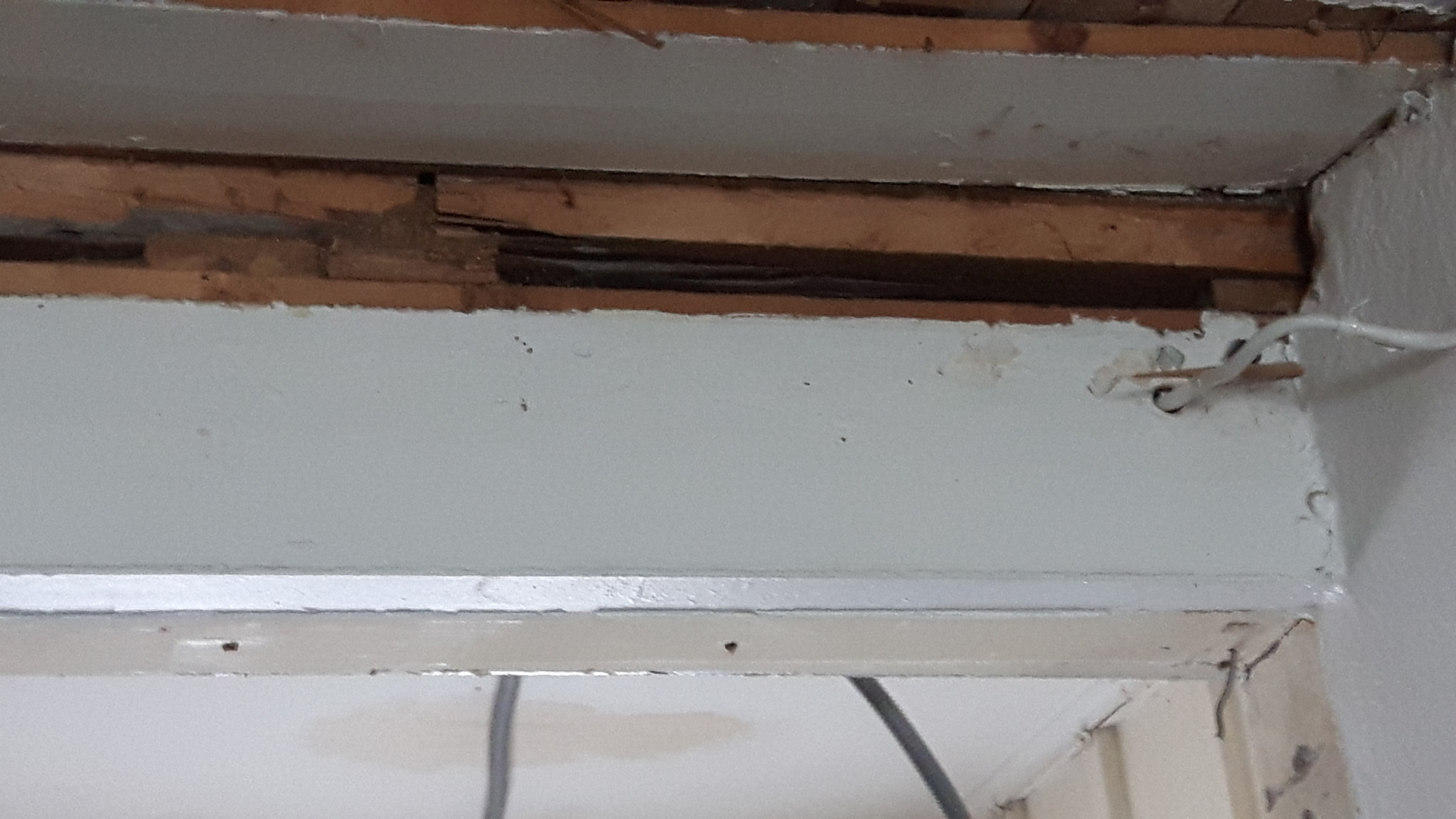
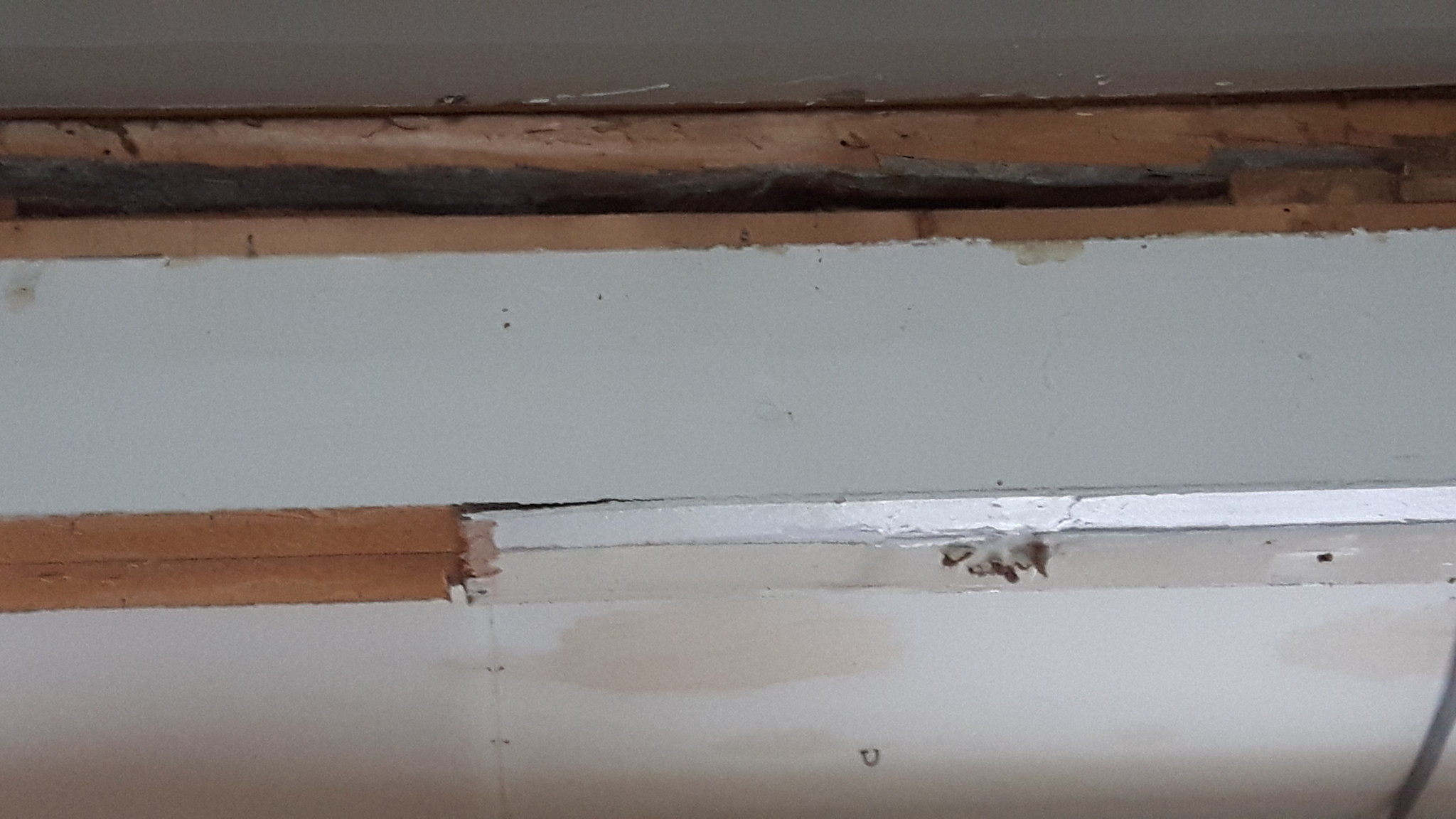
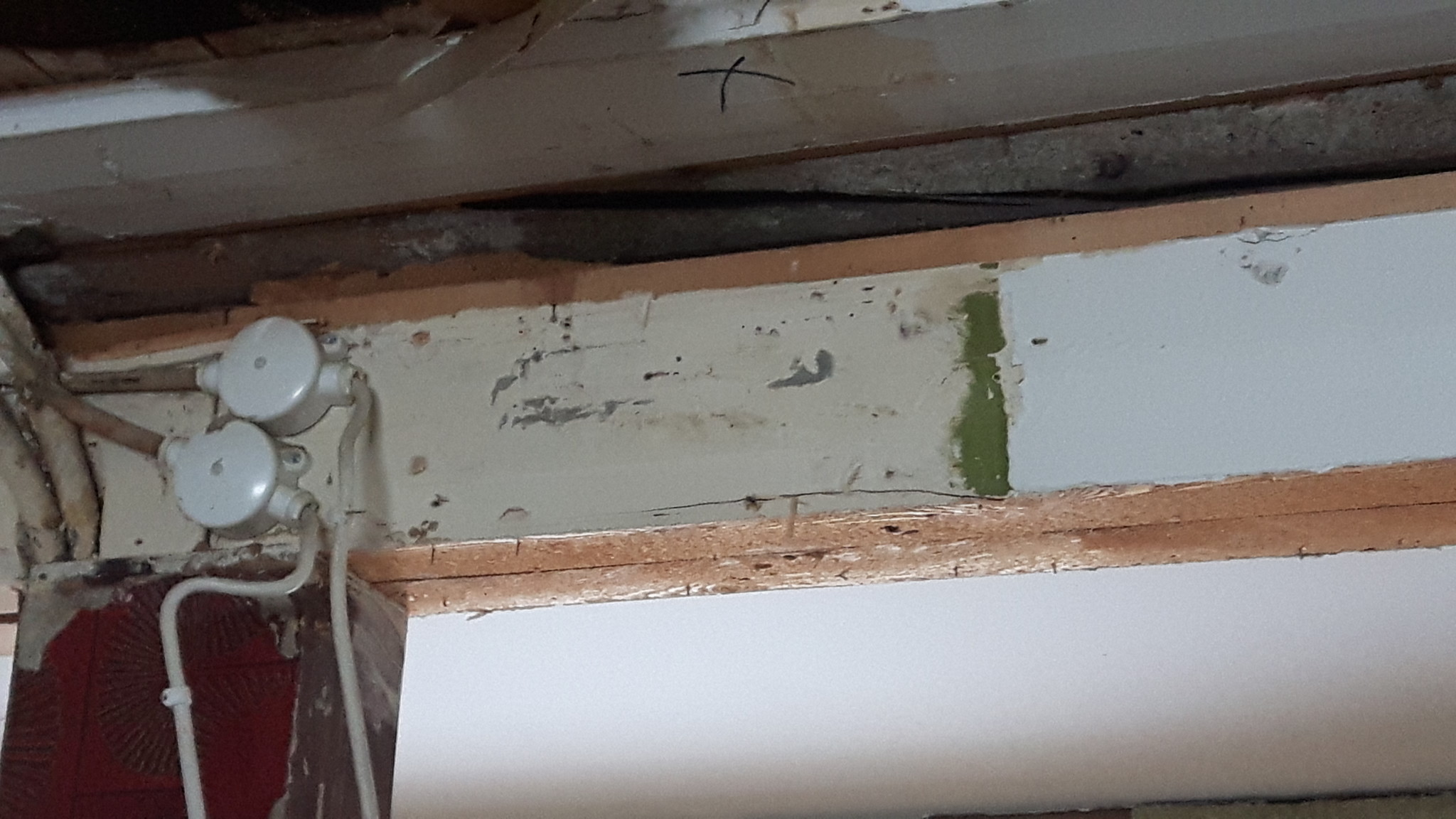
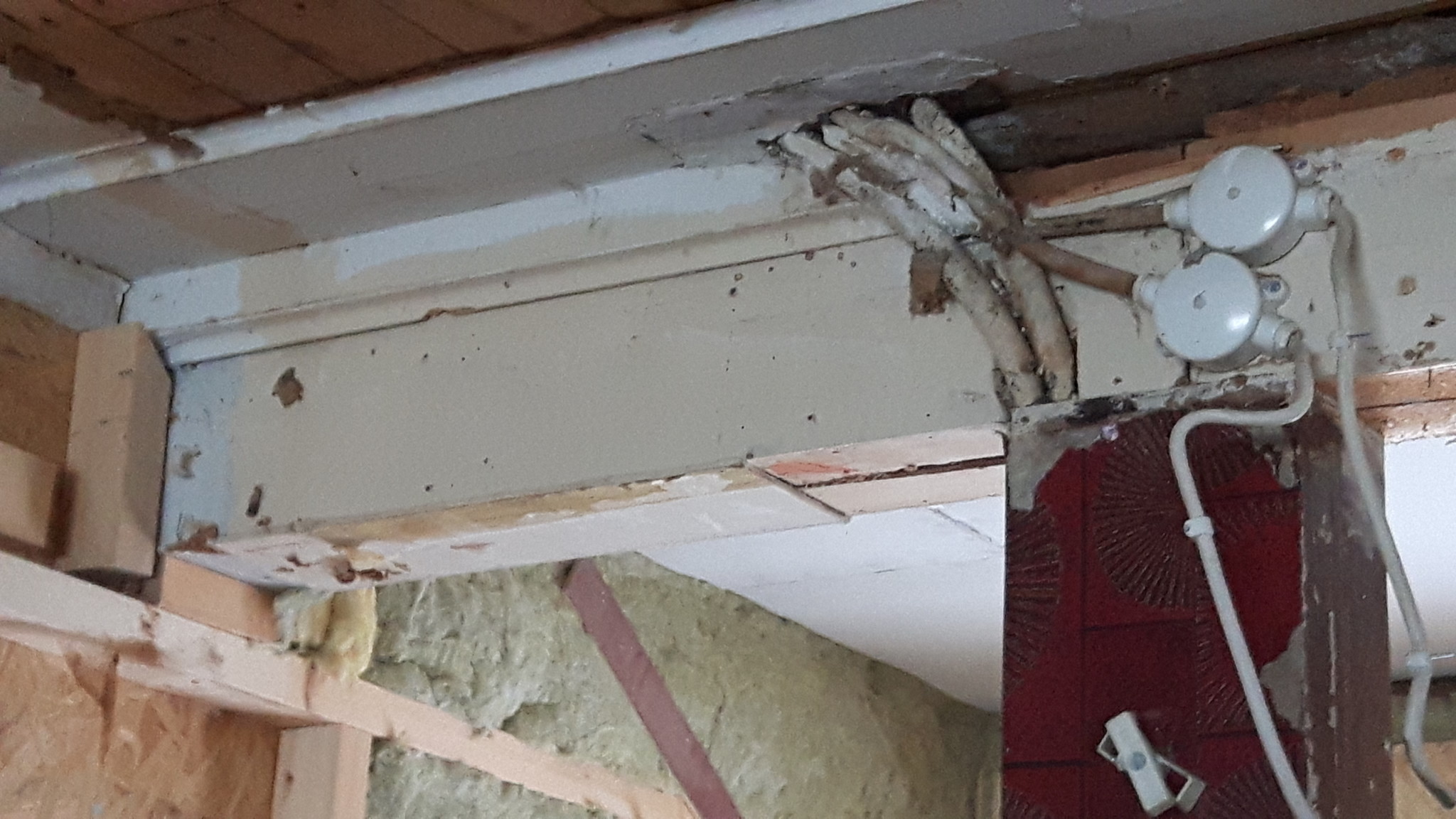
With 90x315 glulam, you get good margins, at least compared to the current situation. If you need to split glulam vertically, you have to use the homogeneous variant. The simpler type has wood with a lower strength class in the middle. Unfortunately, it is probably the one that Byggmax has a good price on.
If you still have to order, it's better to go with one 165x270 than two 90x270. With two beams, you must ensure that the load is distributed equally on both, which can be a bit tricky in this particular case.