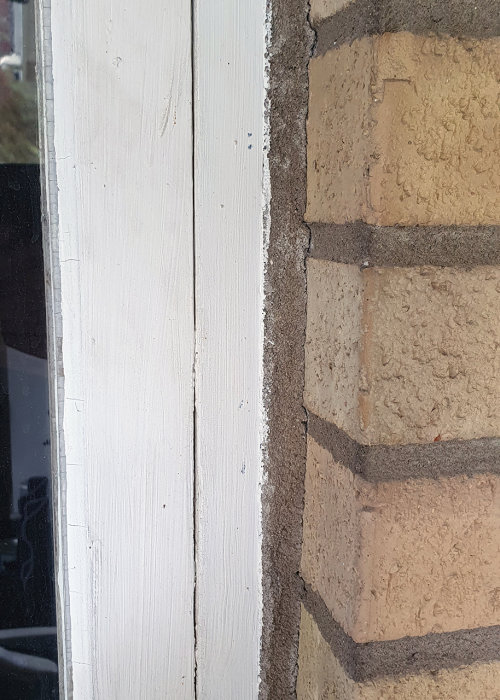
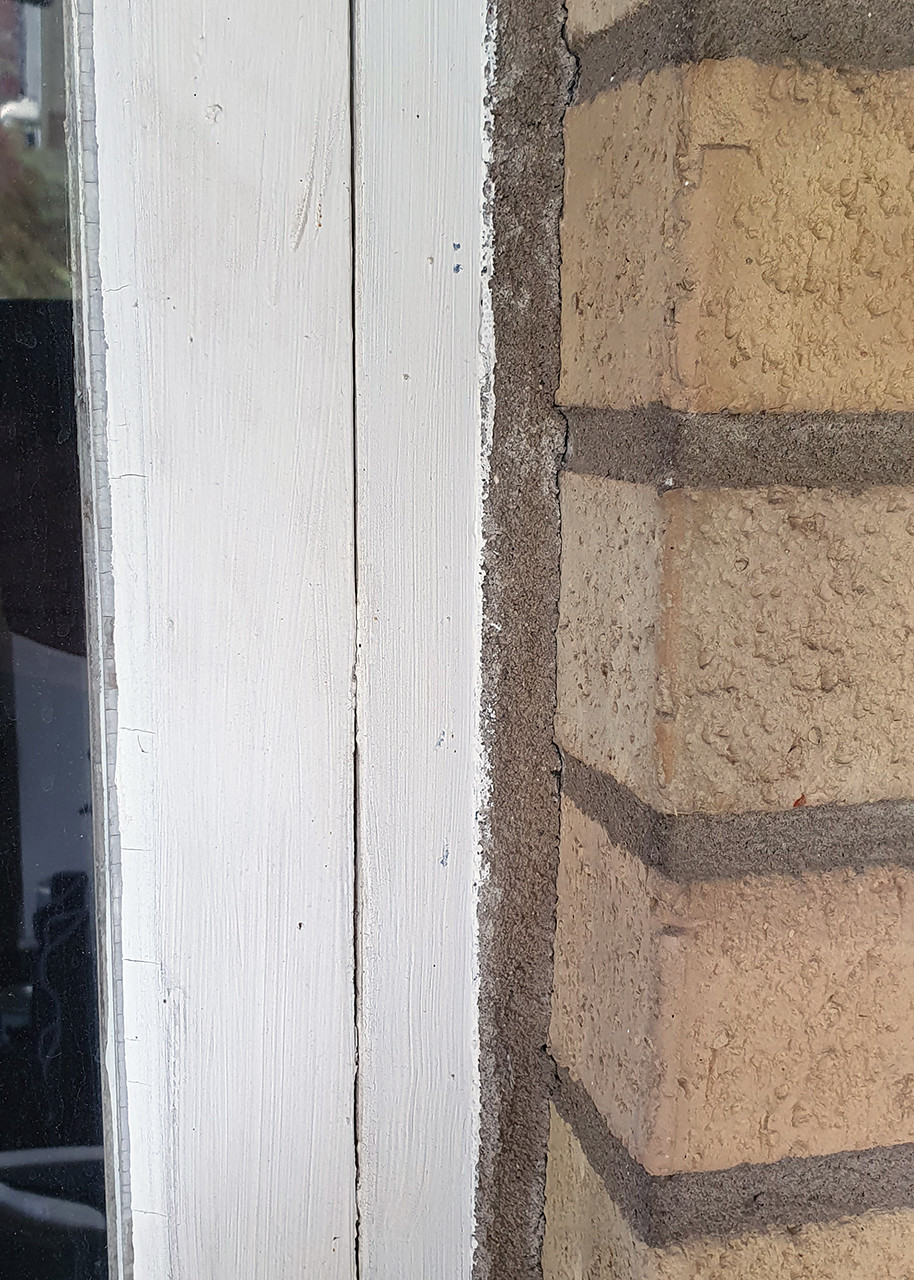
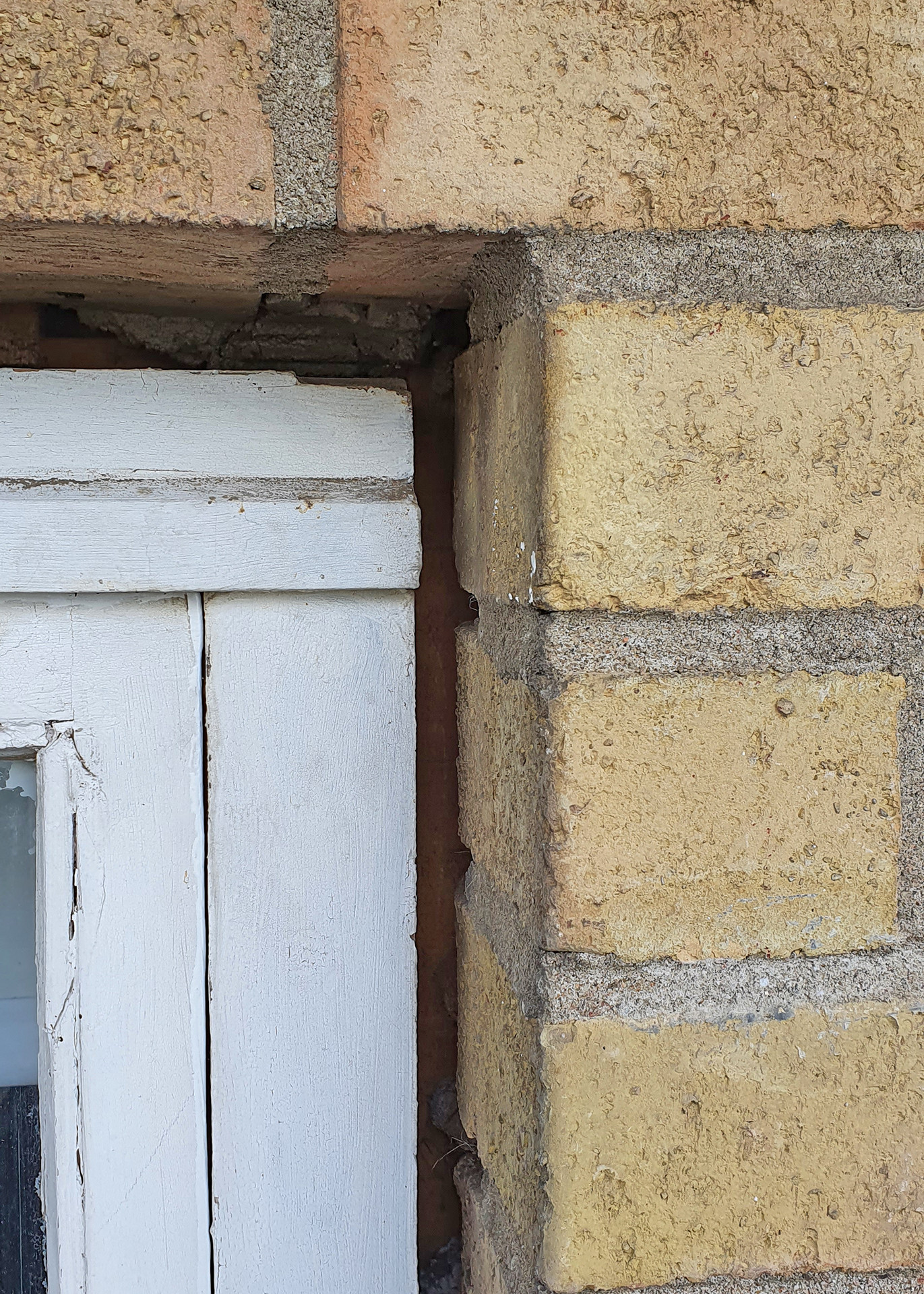
As you can see in the first image, they applied a cement seal around the window, and when we drilled some new ventilation holes this week, it managed to vibrate apart (it was already in poor condition), which apparently was a common method during the 60s.
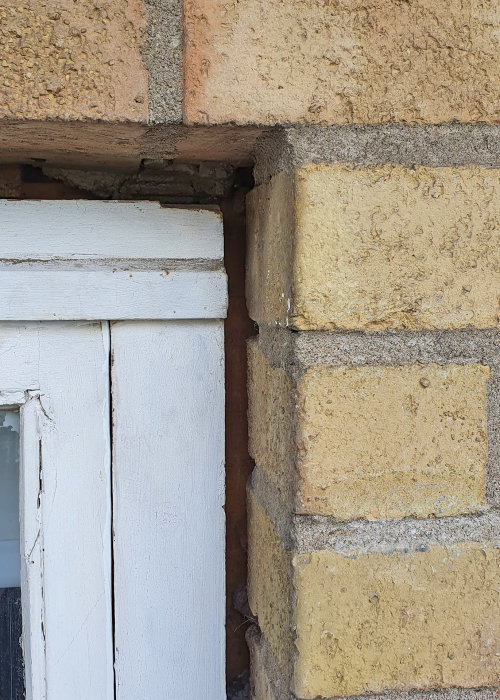
In image 2, I've removed the seal around the window and behind it was some "linen-like material" with tar on it. (I've seen it called something else in another post that I can no longer find).
The air gap in the brick is roughly at the middle of the window frame.
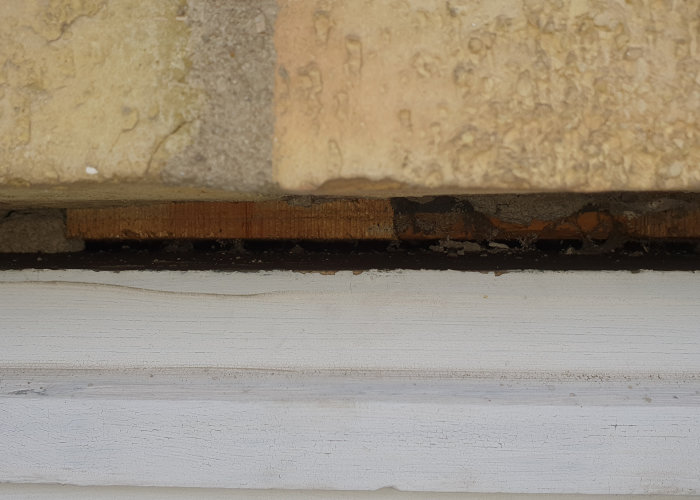
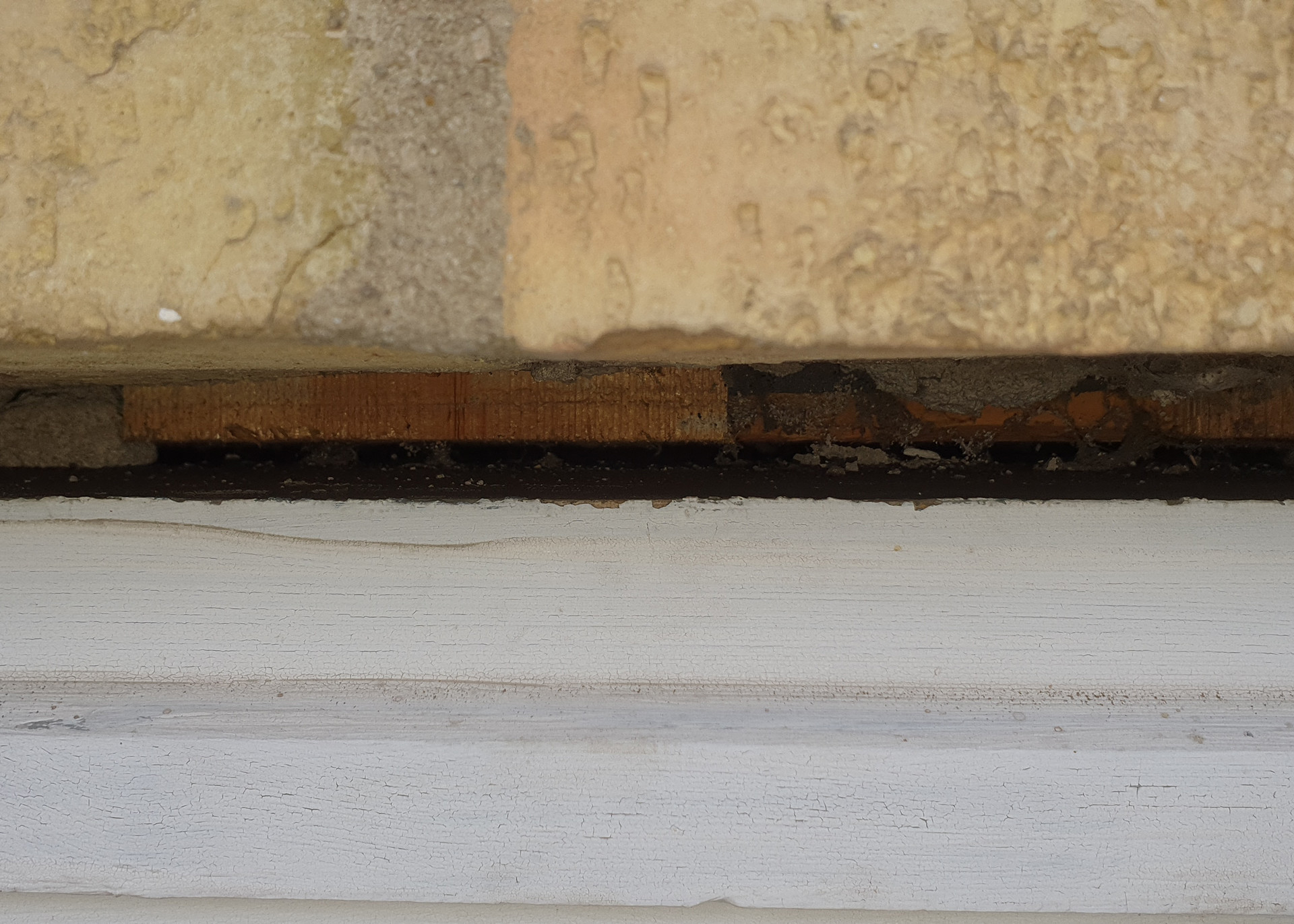
In image 3, you can see the top edge of the window frame, where they had placed some strips/sheets of "plywood," probably to facilitate sealing (I think), but if it had another significance, please enlighten me.
How do I best approach this when I want to apply a new seal? This will then be the standard for all the other windows when it's time to address them.
I've seen various solutions online, but I prefer to consult more rather than less.
Would a backer rod (located on the brick side and before the air gap) and then a soft seal work?
The depth is about 7cm, so would you need to fill it with something else behind the backer rod to prevent it from moving?
I gladly welcome tips on construction techniques, and I would prefer not to rebuild it as before if I can avoid it.