
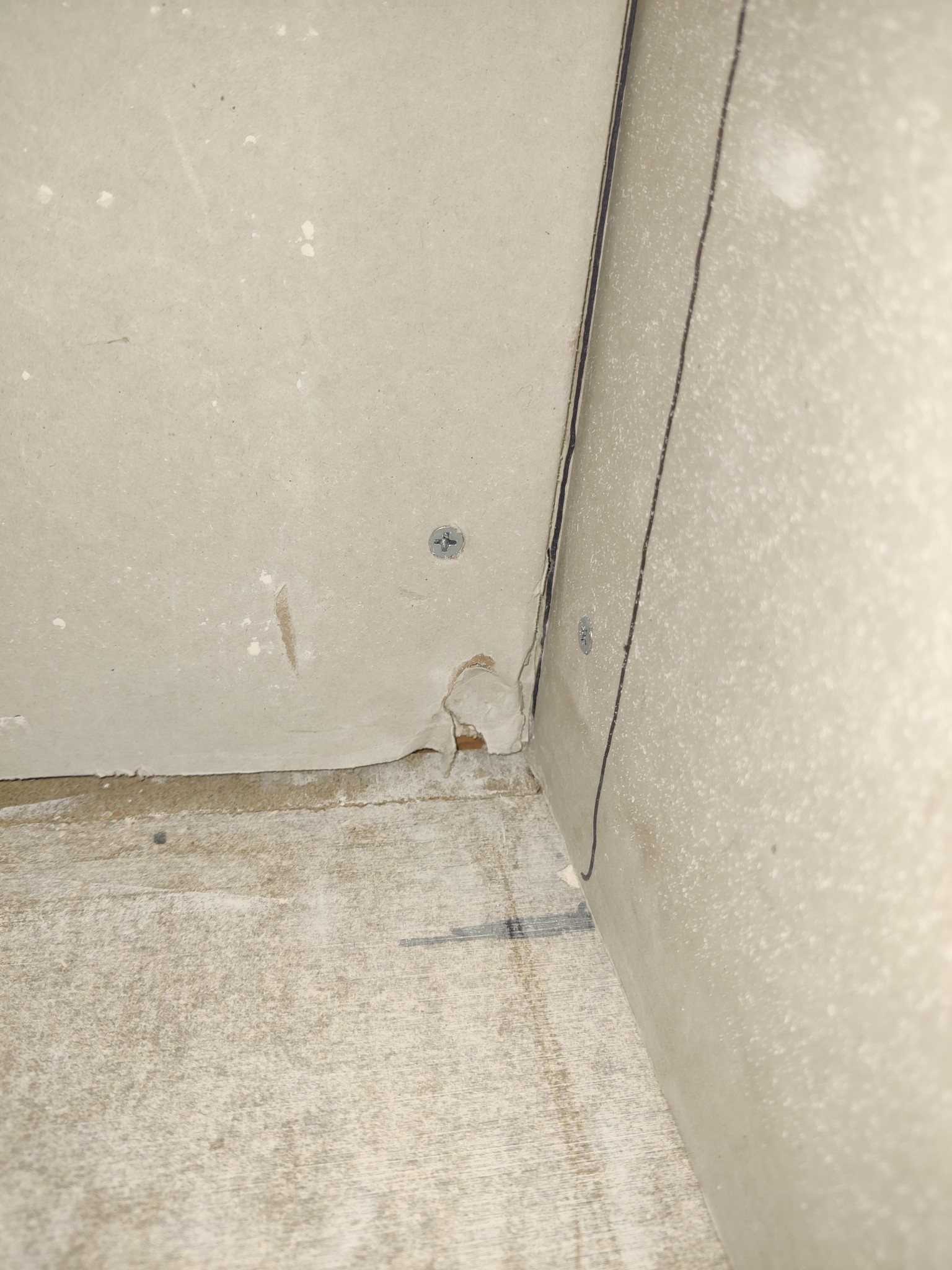


Plaster works well. I also use it to fill the gaps before applying paper strips. I usually buy Casco wall filler. WallFiller - Casco
Ps. I would have been more worried about the fact that it looks like you've painted with black ink. Ink has a tendency to seep through both wallpaper and even fabric. It's absolutely a no/no to even store an ink pen in the same room where plastering is done. You need to paint over it with some form of blocking paint.
Ps. I would have been more worried about the fact that it looks like you've painted with black ink. Ink has a tendency to seep through both wallpaper and even fabric. It's absolutely a no/no to even store an ink pen in the same room where plastering is done. You need to paint over it with some form of blocking paint.
I had no ideaM mojjen said:Gypsum adhesive works well. I also usually fill the gaps with it before applying paper strips. I tend to buy Casco wall filler. WallFiller - Casco
Ps. I would be more worried about it looks like you have painted with black ink.
Ink has a tendency to seep through both wallpaper paint and even fabric. It's an absolute no/no to even store a marker pen in the same room that you're plasterboarding. You must paint over it with some form of primer paint.
 ! I will try to solve it, if the paper strip doesn't completely cover the corner and the damage, should I just add an extra strip on top of the damage then?
No, you don't need to cover the damage as Claes writes. But you should place a paper strip in the corner. Just like you do between the boards. Many skip this and just use flexible sealant. If these are newer walls that move, cracks will develop over time. Personally, I don't trust my own ability to spackle in the strips. So, I apply spackle at the base, filling the gaps. Lightly sand. Then I glue the strip with a strong wall adhesive. After that, I spackle in.T Tiggrawastaken said:
Spackling corners - the ultimate guide – Anza Painting Tools

It's mostly that the hole is so large that drywall filler or possibly coarse filler is preferable. Then I would make sure to fill it up and get it reasonably smooth before it's time for the tape.useless said:
Click here to reply