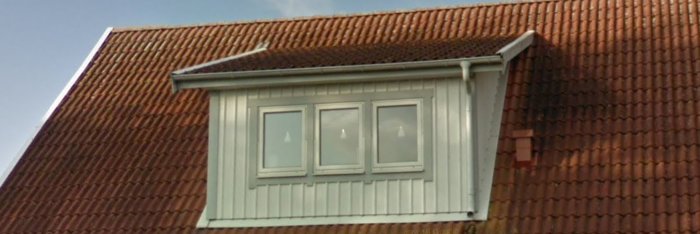
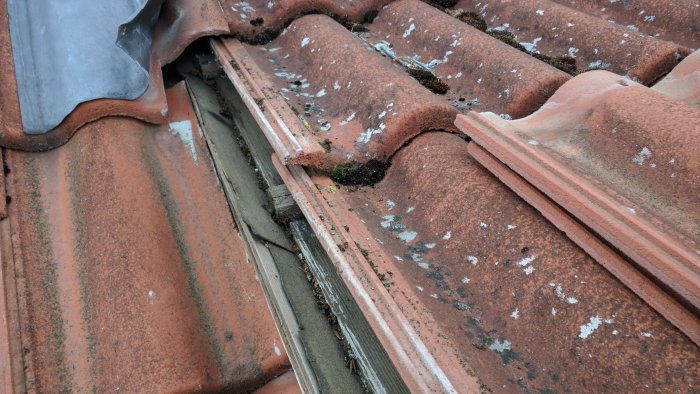
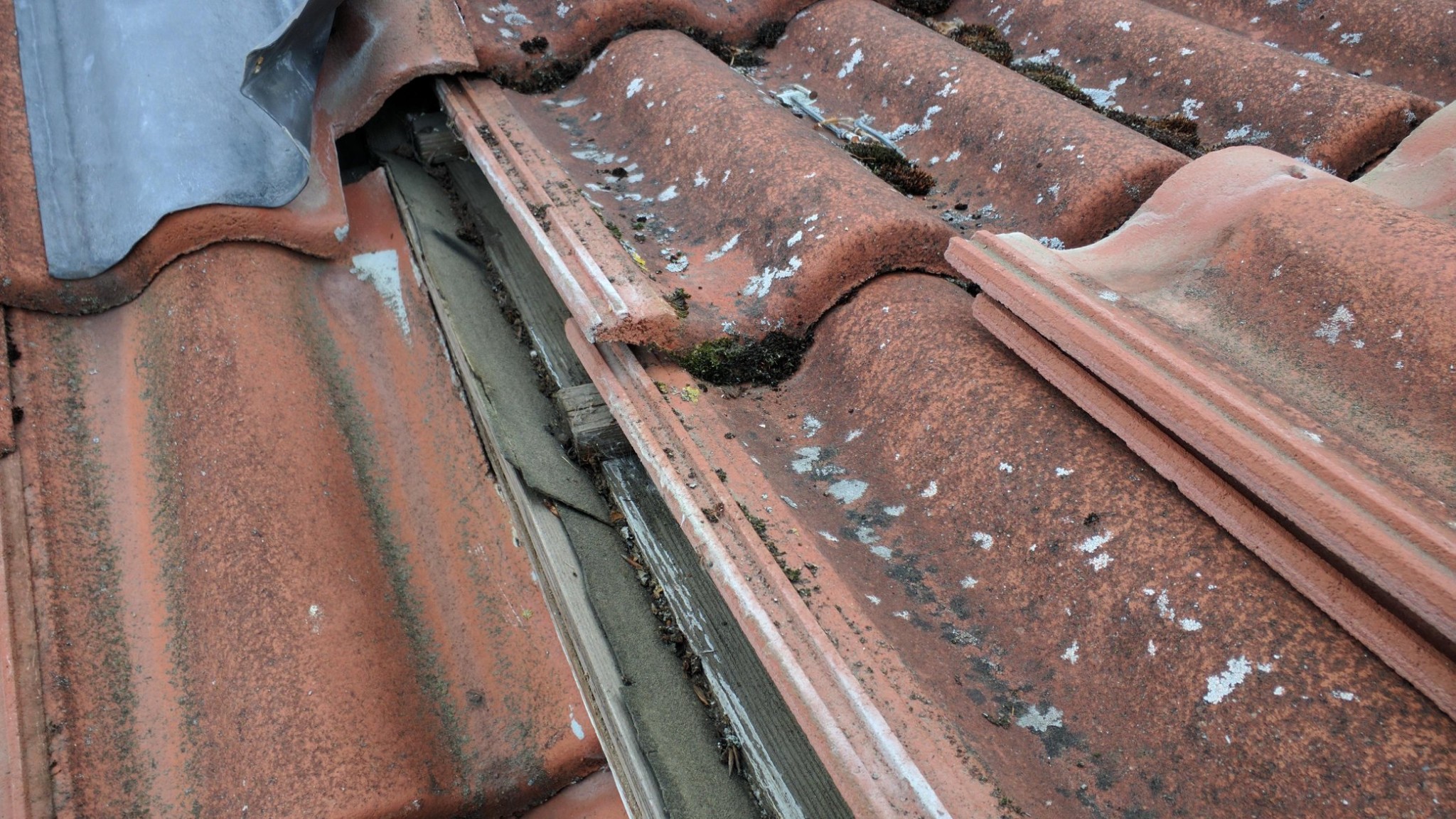
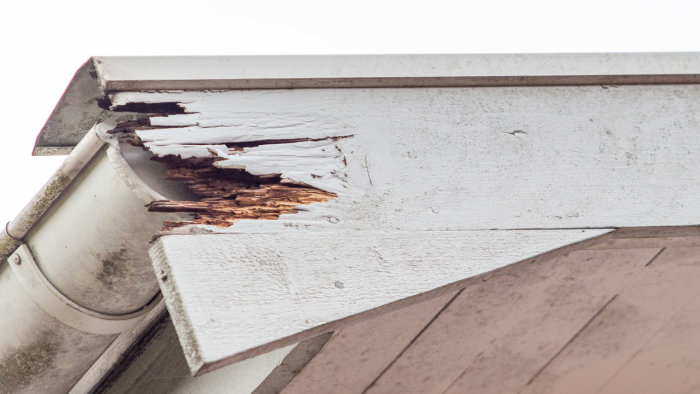
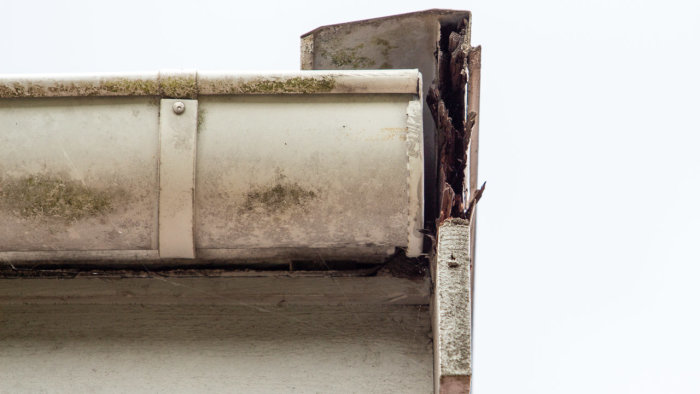
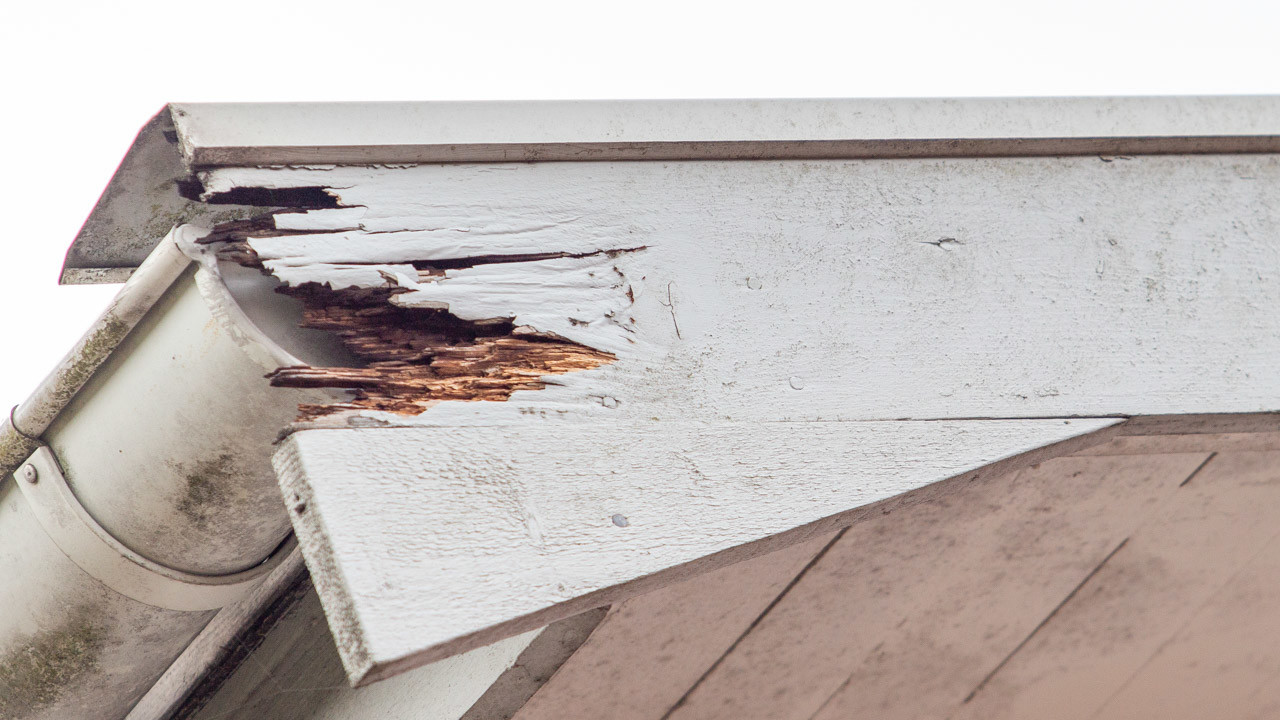
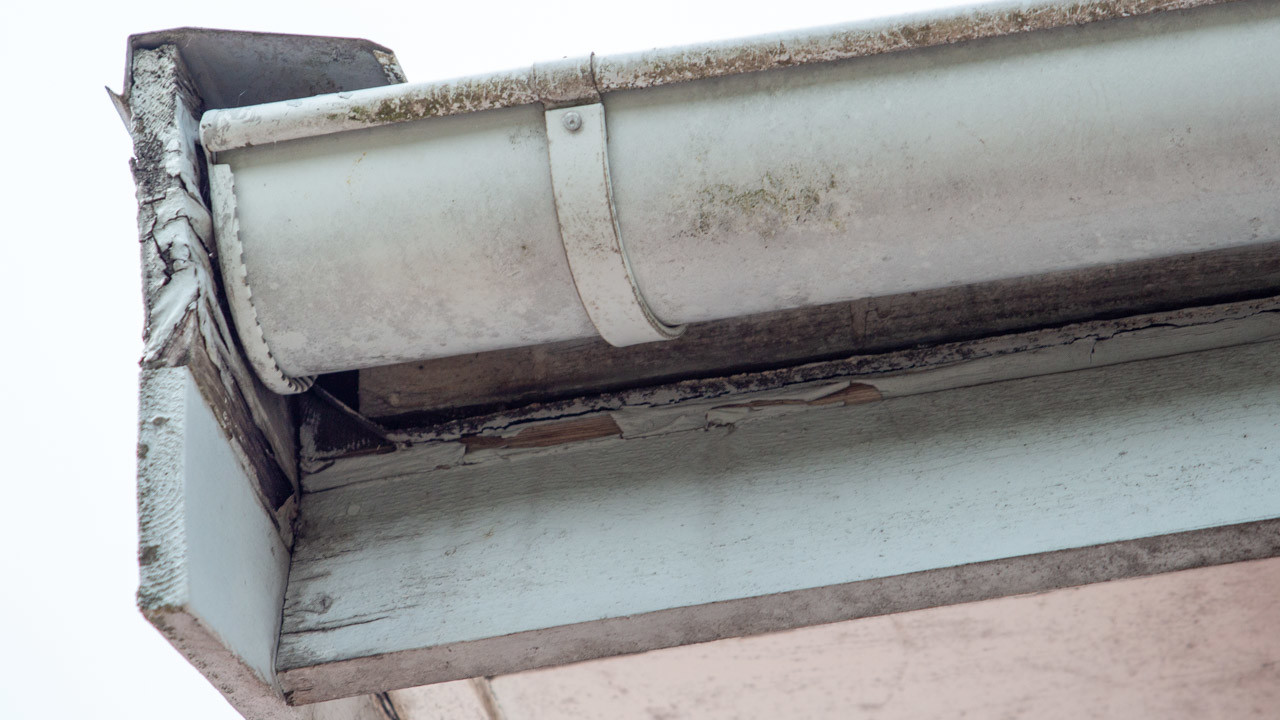
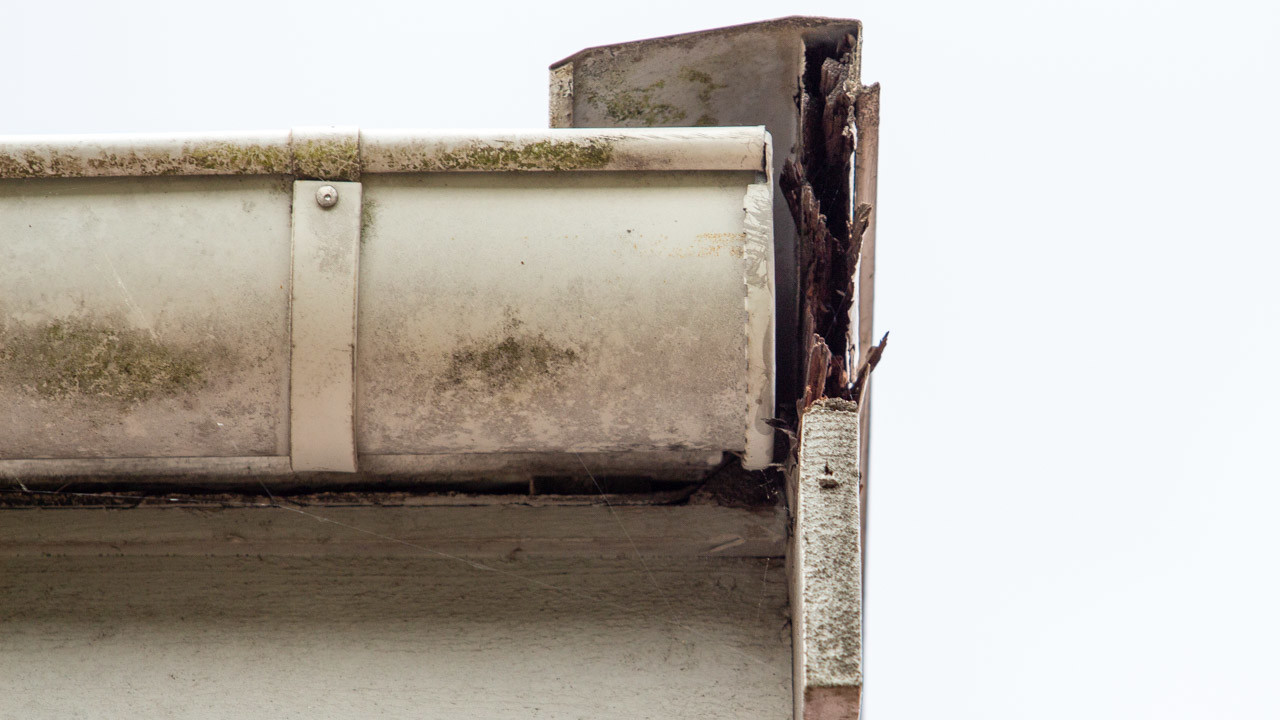
I'm finally planning to set up scaffolding and tackle the front of the house. The question now is how to fix it so you ideally won't have to go up there again in your lifetime. This is how it looks right now. Since it is a dormer window, the slope isn't very good, but that doesn't really show in the pictures I see now. Photo #1 gives an estimate of the angle.
Assuming the gutter has the right slope and such, what else can be done to achieve a more long-term sustainable system? NOTE: needs to be doable by myself without taking help from, for example, a sheet metal worker.
* Extend the bargeboard metal so that the drainage is better?
* Cut the gutter a few cm in length for more clearance to the bargeboard?
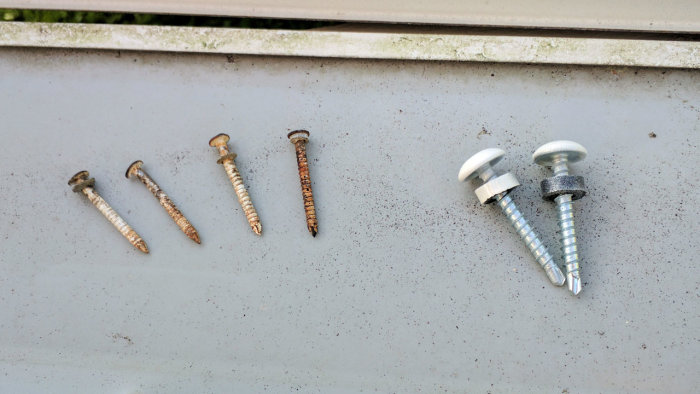
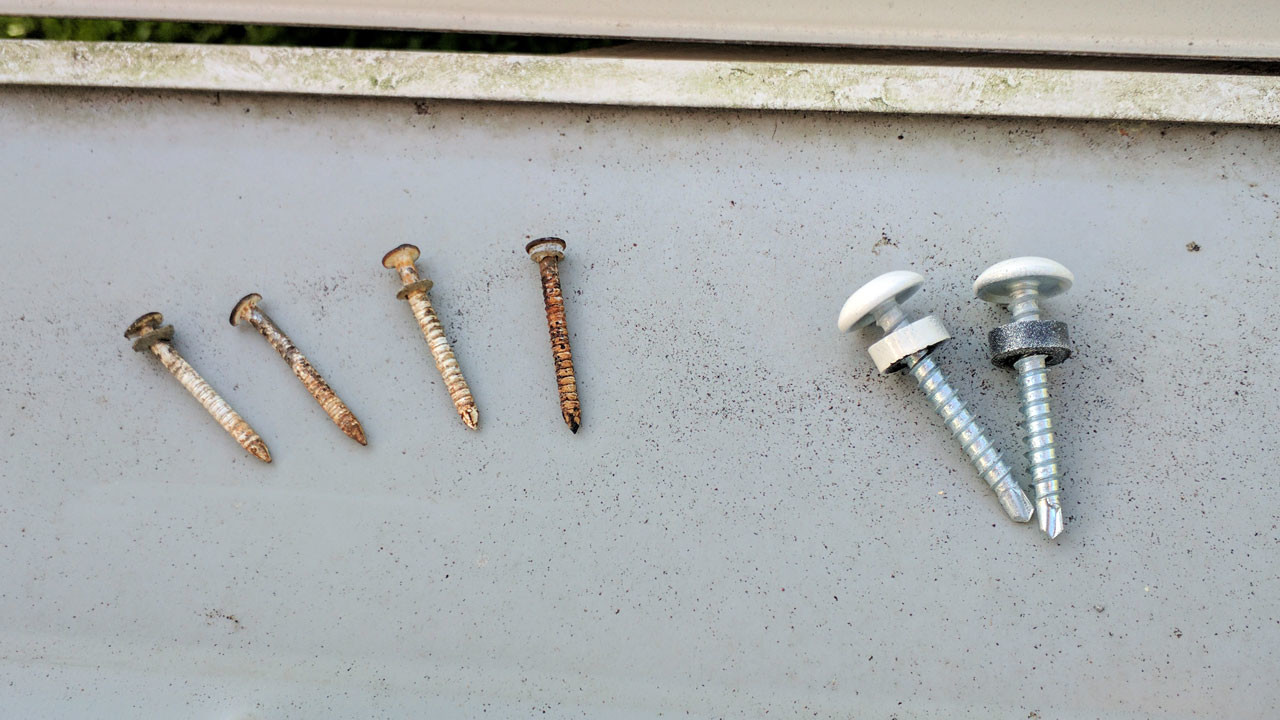
* After the bargeboard replacement, use self-tapping screws instead of metal nails (which unfortunately hold all the metal today)?
* Install a bargeboard in another material, for example, fiber cement or PVC? I guess you can do such small things without a building permit? Necessary only if you change the material on, for example, the entire facade?
Changing material might be overdoing it, what's visible in the pictures has been there since '99, except for the angles which were replaced maybe 8 years ago. I also don't think any of the wood has been painted correctly, i.e., primed according to recommendations and let the end grain soak up properly. So it might be possible to achieve a lot just with proper preparation. But you still want to make it as good as it can be.
Absolutely. But I would have cut the windboard so it doesn't cover the end of the gutter and then also cut the metal a bit. Matter of taste, but I think it looks nicer.
Absolutely. But I would have cut the bargeboard so it doesn't cover the gutter end cap and then trimmed the sheet metal a bit too. Matter of taste, but I think it looks better.
Yes, it's probably a matter of taste. I think it's better when the gutter is covered. Then maybe you could have trimmed the gutter by 20mm at each end so there's a bit of distance to the bargeboard.
Place the new bargeboards with the ends down in a tub of linseed oil overnight so they are thoroughly saturated and then paint with oil paint.
Good tips! I think I'll go for both belt and braces then and both let the sheet hang over a bit more (even if it might not look so nice) and shorten the gutter a bit so it comes away from the wood.
As I said, I'm convinced that the old painting was done in the most sloppy way possible (no proper priming etc.), so it can only get better.
I suspect that you have a sheet roof as the slope seems to be minimal. And if you cut off the gutter, you have to hope that the eaves flashing that goes into the gutter has a diverter that also takes care of the water. Otherwise, the problem will reoccur. If it's not already the case that there is no diverter, which I suspect due to the rot.
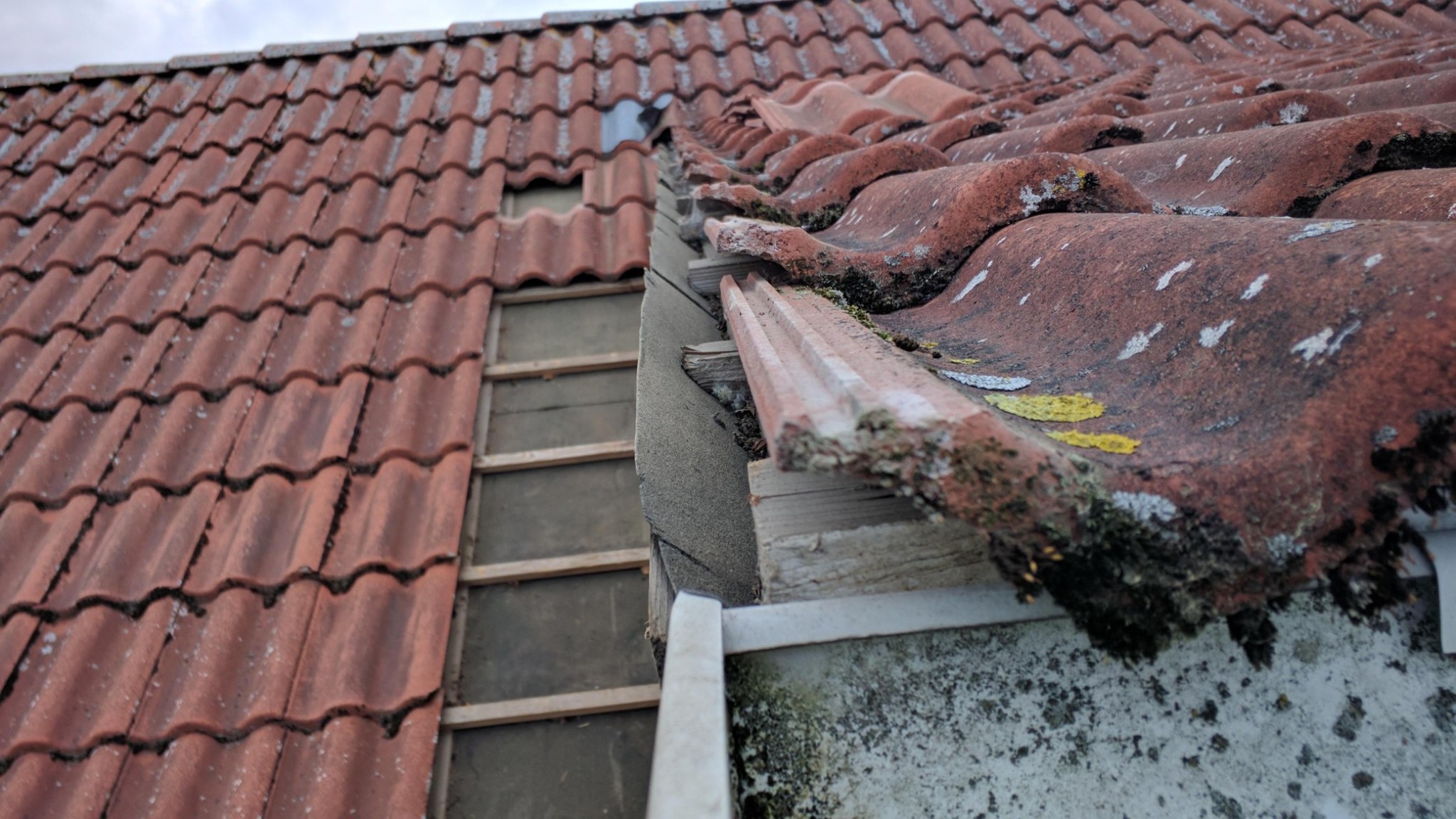
I will look more closely when I get up to see how the water flows. But there are also tiles on the dormer. I don't have a decent picture at hand so I grabbed a street view image from an online service.
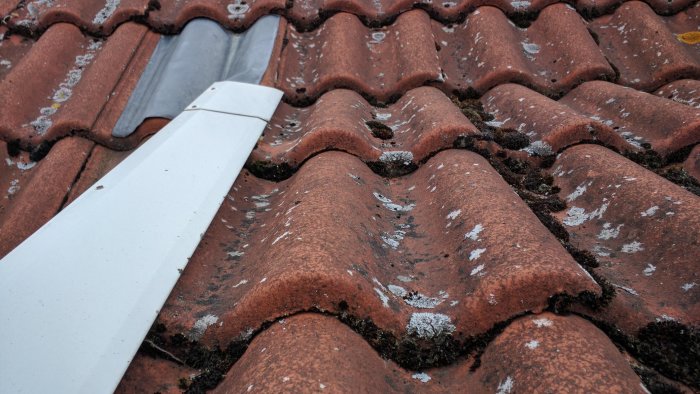
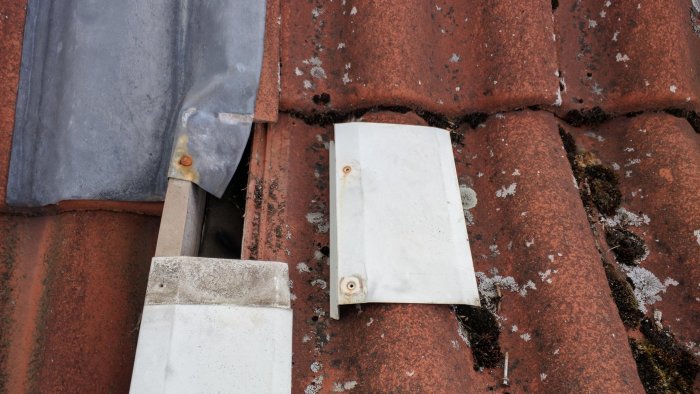
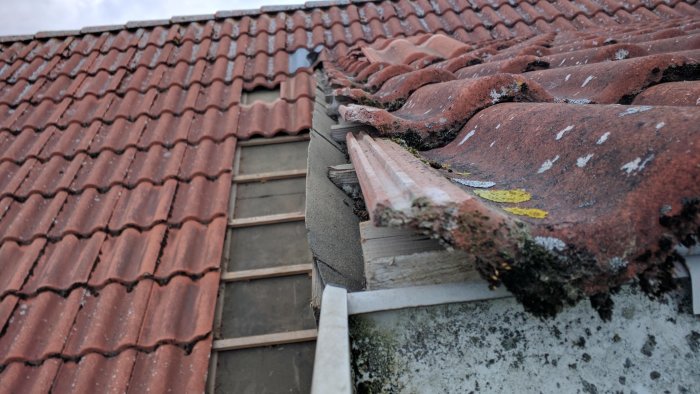
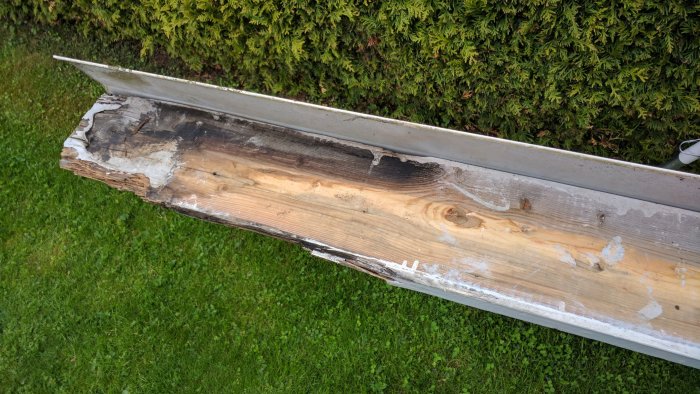
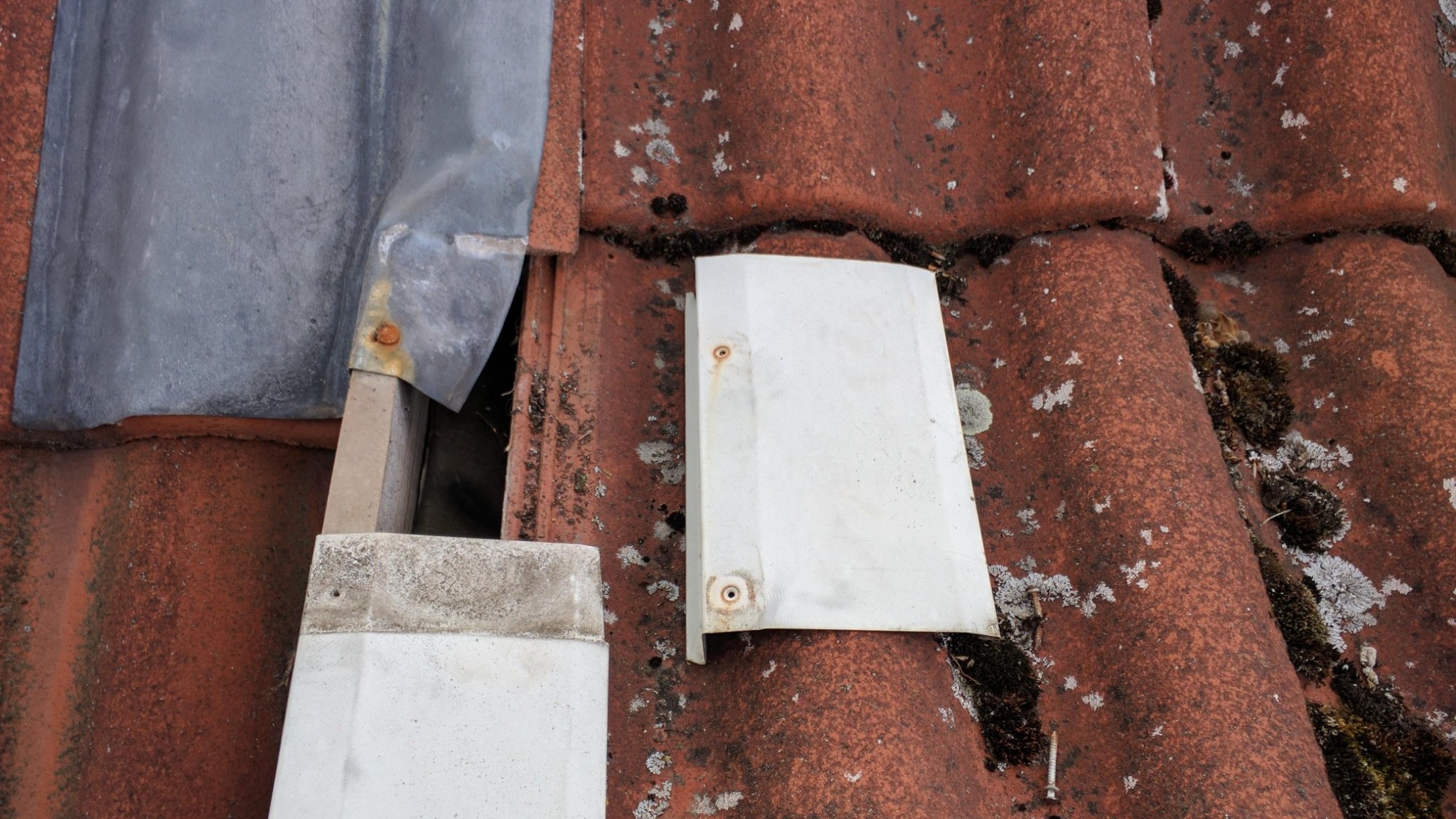
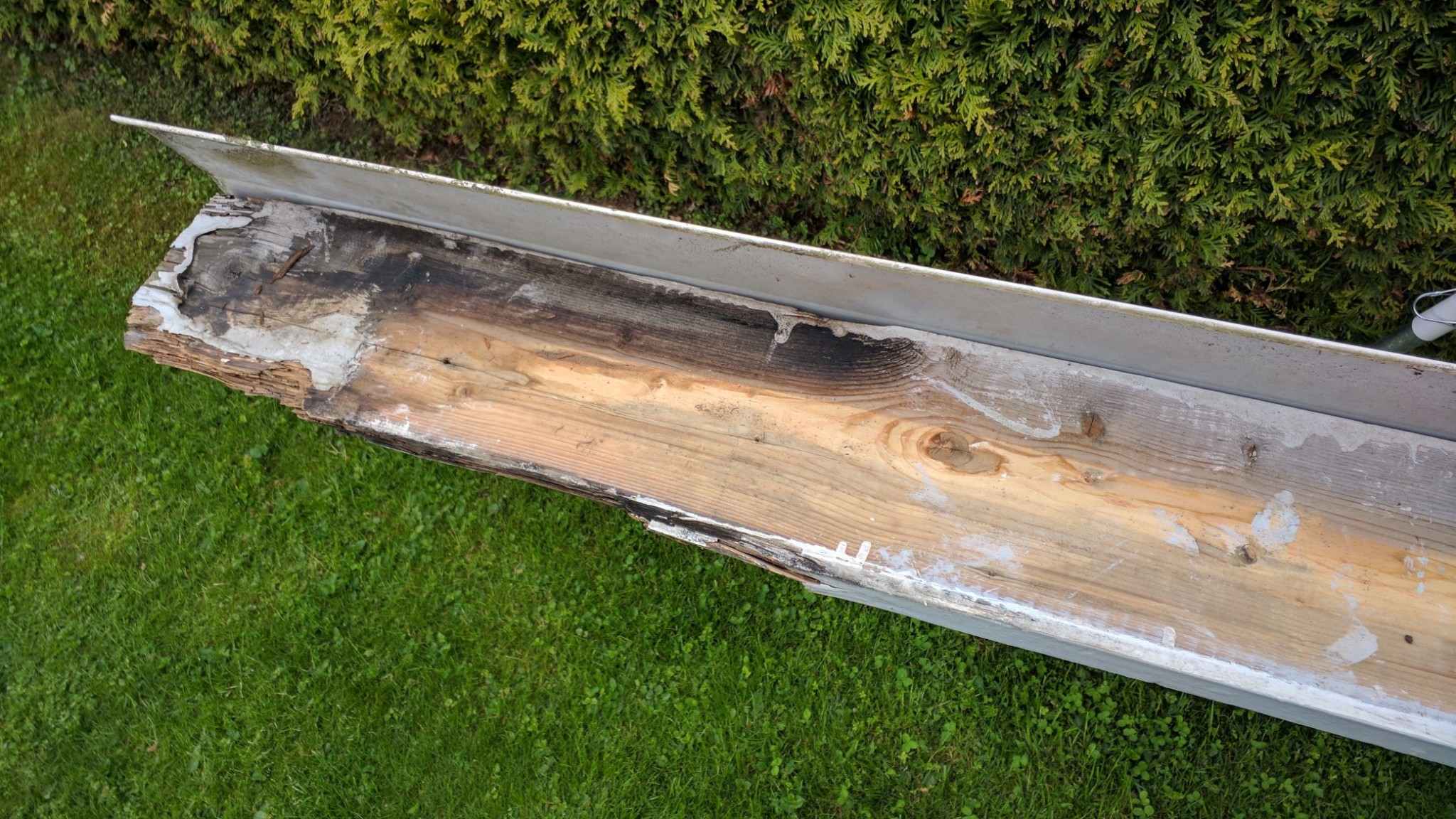
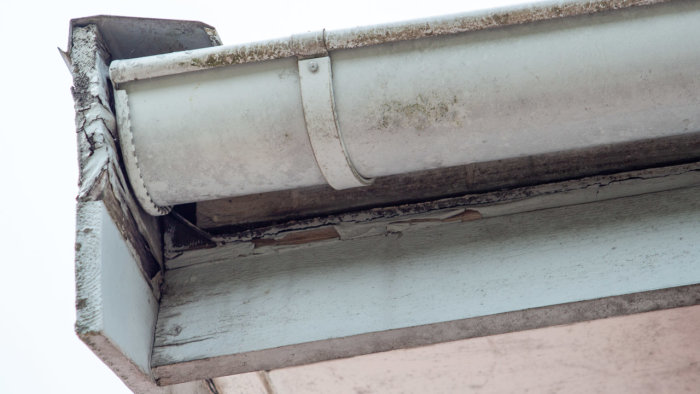
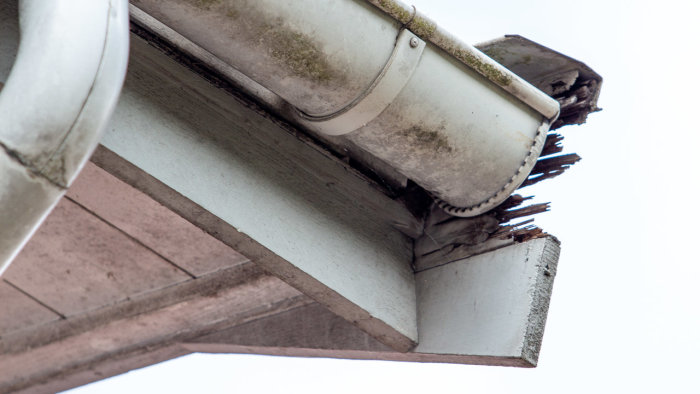
Here's what it looks like on the left side of the hive. I think the fascia board is affected higher up than I thought. The last two nails on the sheet were loose, but I don't know if that's the cause or a consequence of the rot. The new fascia board will definitely be treated on both sides. Any other tips?
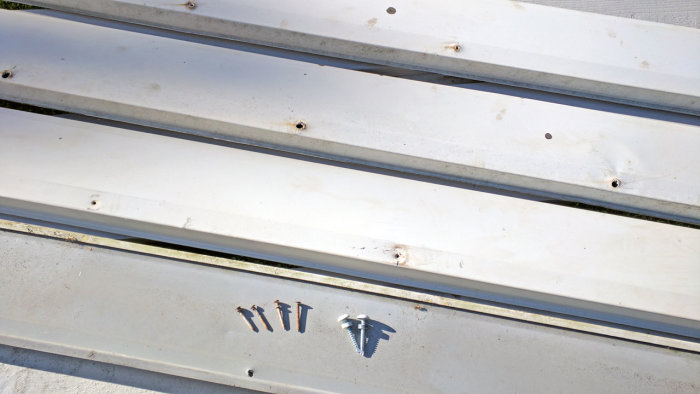
Is it penny wise, pound foolish to reuse the old bargeboard sheets? They became a bit unsightly when they were taken down, but I blame it all on the nails. Really bad product, small heads, impossible to pull out, difficult to drill out. I hope the new screws will work better.
I can’t find the same profile for bargeboard in the market today and only have spare sheets at home to cover half of what was taken down. So either I replace the most damaged ones or I need to go and buy 10m of sheet tomorrow before the rain hits.




Ohchips said: