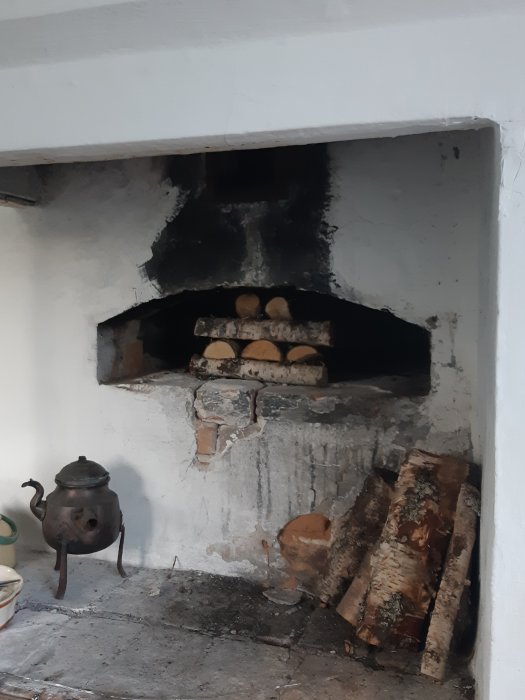
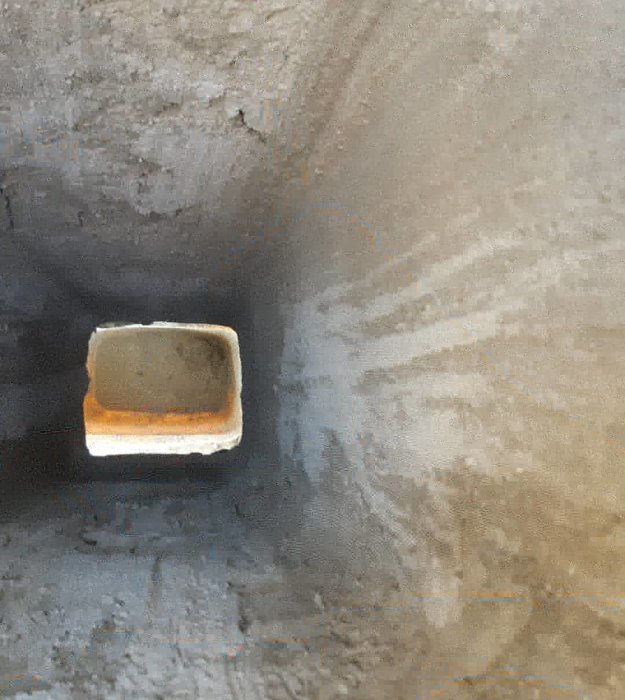
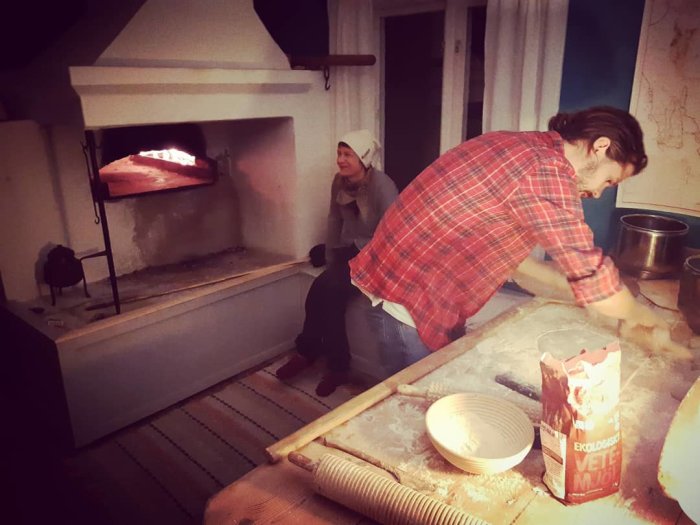
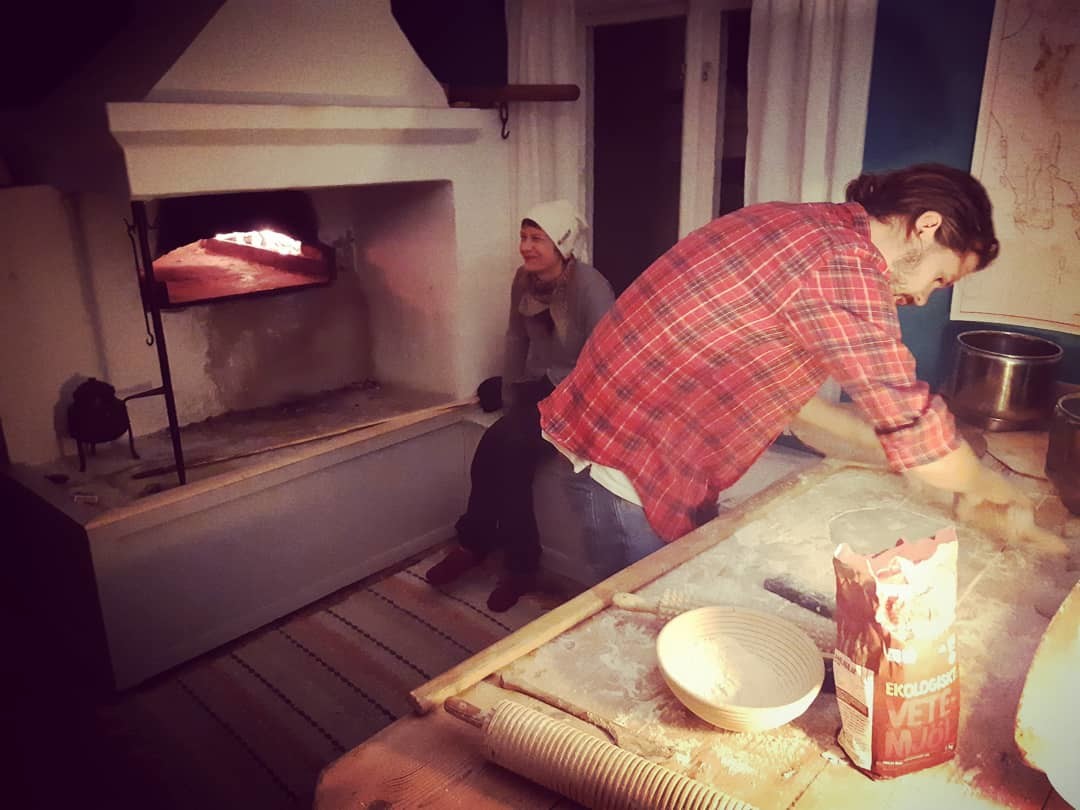
I am going to renovate our baker's oven which was previously used with a cast iron hotplate. Västerbotten model for flatbread. However, the cast iron hotplate has cracked and is apparently difficult to weld back together according to mechanics, as there are large tensions when it's fired up. One brick is loose in the masonry (see image) and my first thought was to fix it with fireproof mortar. It is regular old brick, built around 1870, no fireproof bricks.
Is fireproof brick needed over the entire hearth if the cast iron hotplate is not used? What is the simplest/best solution then:
1. Lay 25mm fireproof brick on the existing surface? The cast iron hotplate was 10mm, so it builds about 20mm with mortar from before. Is it too low in the roof?
2. Replace the upper layer of regular brick with 50mm thick fireproof? Expensive?
Or
3. Patch the brick with fireproof mortar and fire as usual and be careful not to overfire?
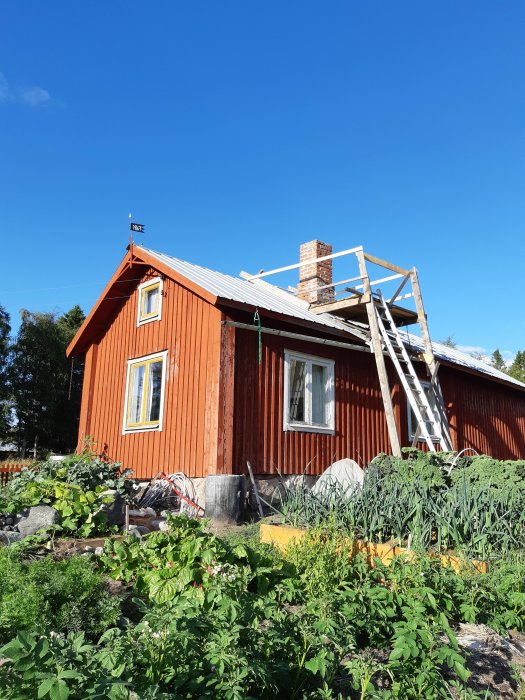
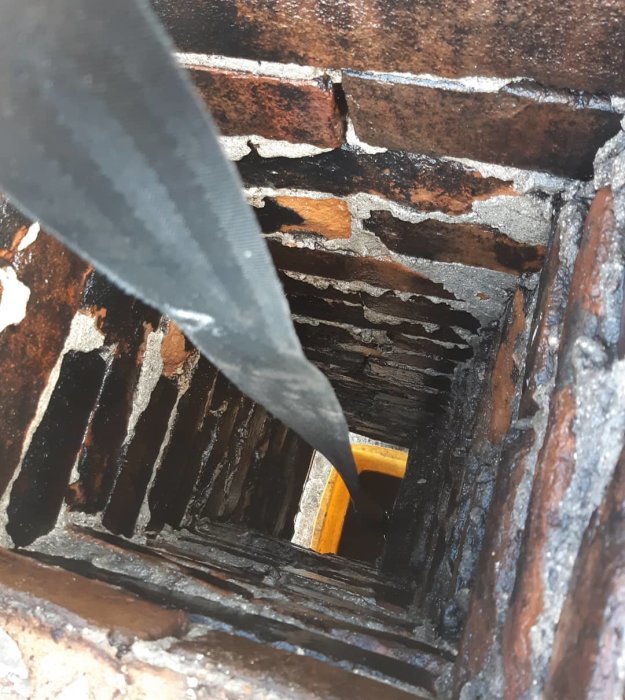
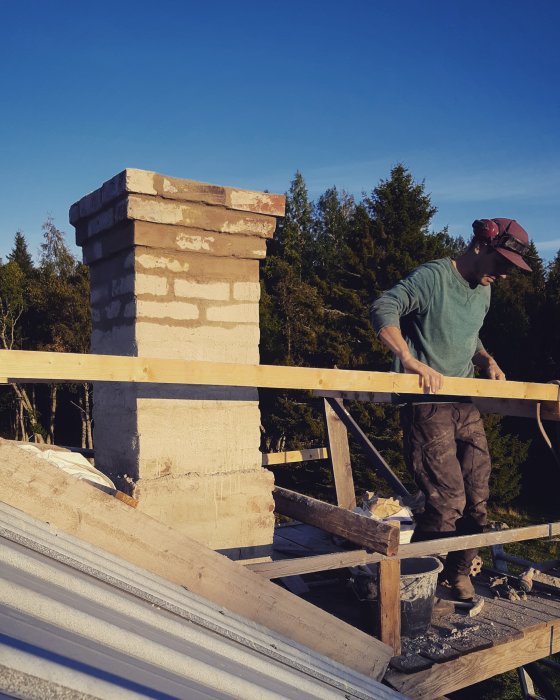
The arch is very nice according to the chimney sweep. The chimney will be coated and rebuilt above the roof, work has started.
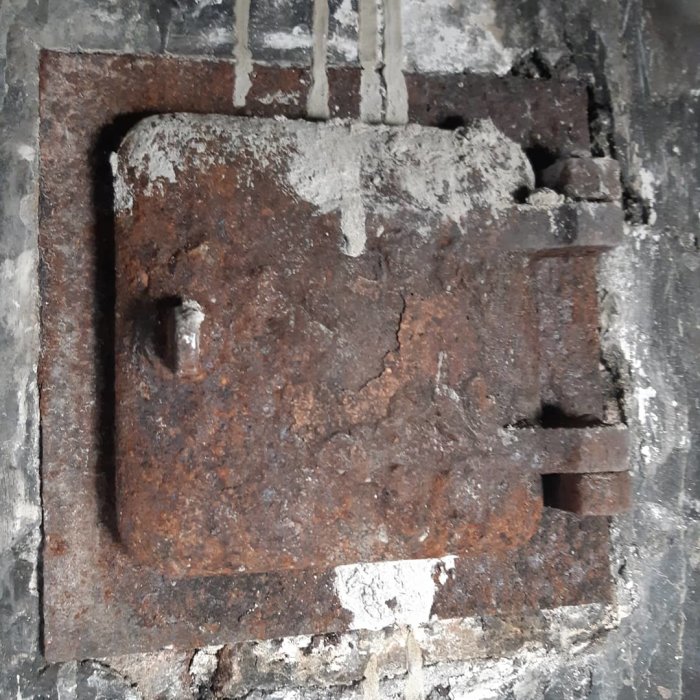
Well done! I'm now working on a similar project and have a few questions. How did you get the cast iron parts in order? Did you take them off completely and sandblast them? Did you then paint with heat-resistant paint?
Regarding building up the chimney, what should one keep in mind there? Someone mentioned somewhere that you should use pure clay mortar without cement because it withstands heat better. Does that apply even up in the chimney? We need to build up about 1m since the previous owners cut it for a new roof.
Great work! I'm currently working on a similar project and have a few questions. How did you handle the cast iron parts? Did you completely remove them and sandblast? Did you then paint with heat-resistant paint?
When it comes to building up the chimney, what should one keep in mind? Someone mentioned somewhere to use pure clay mortar without cement as it withstands heat better. Does that also apply to the chimney? We need to build up about 1m because the previous owners cut it down for a new roof.
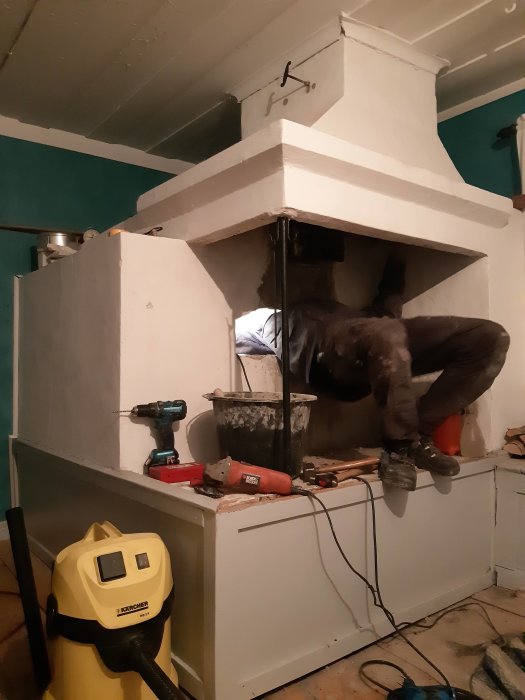
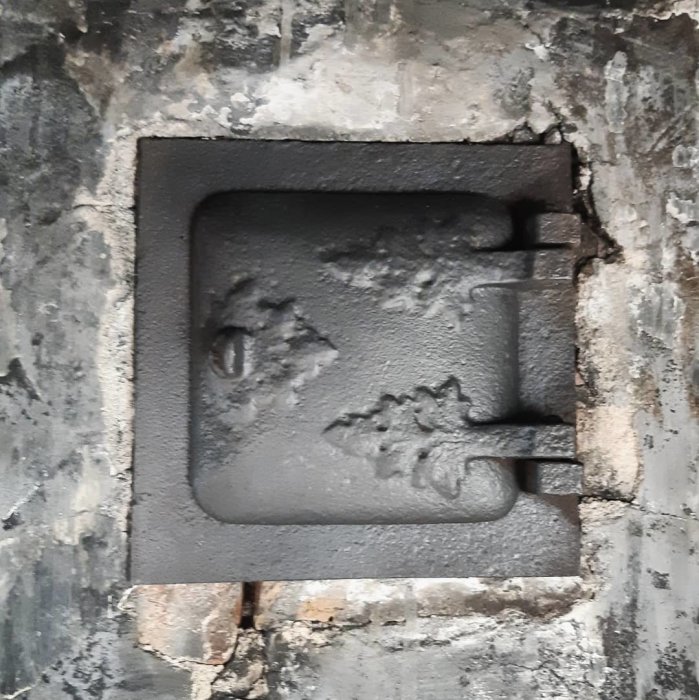
I took them off and sanded with a wire brush on an angle grinder, then just regular stove polish! No scary paint.
I used Senjas fireproof mortar in the oven mainly because we had half a bag left over from renovating a stove. Used regular plaster mortar C to coat the chimney and build up the chimney above the roof. The temperature in the chimney flue isn't the same as in the oven itself, so I don't think any special mortar is needed there. A lot of air is drawn into the chimney from the rest of the room in an open fireplace, which cools down the flue gases.
We've probably burned 15-20 times since it was built and haven't seen any cracks, but the nice smoke damper has become quite sooty.