I've gathered a lot of information from the site, so now I'm trying a more specific question. I recently became the owner of a townhouse from 1959, where the current owner has had it since the early 70s. The entire upper floor has 4 different wall-to-wall carpets (soft) that have seen better days.
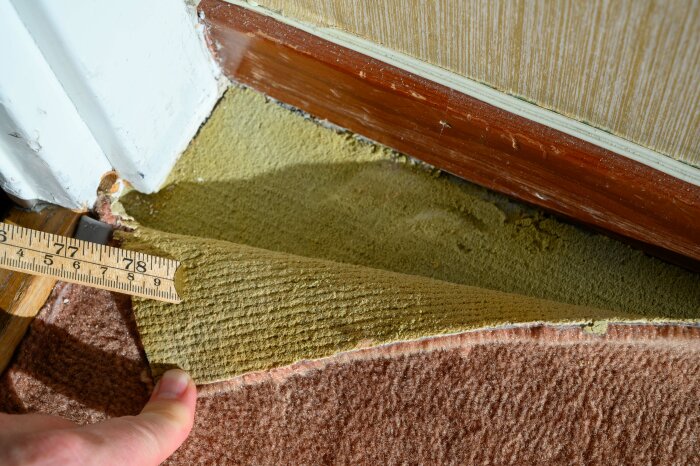
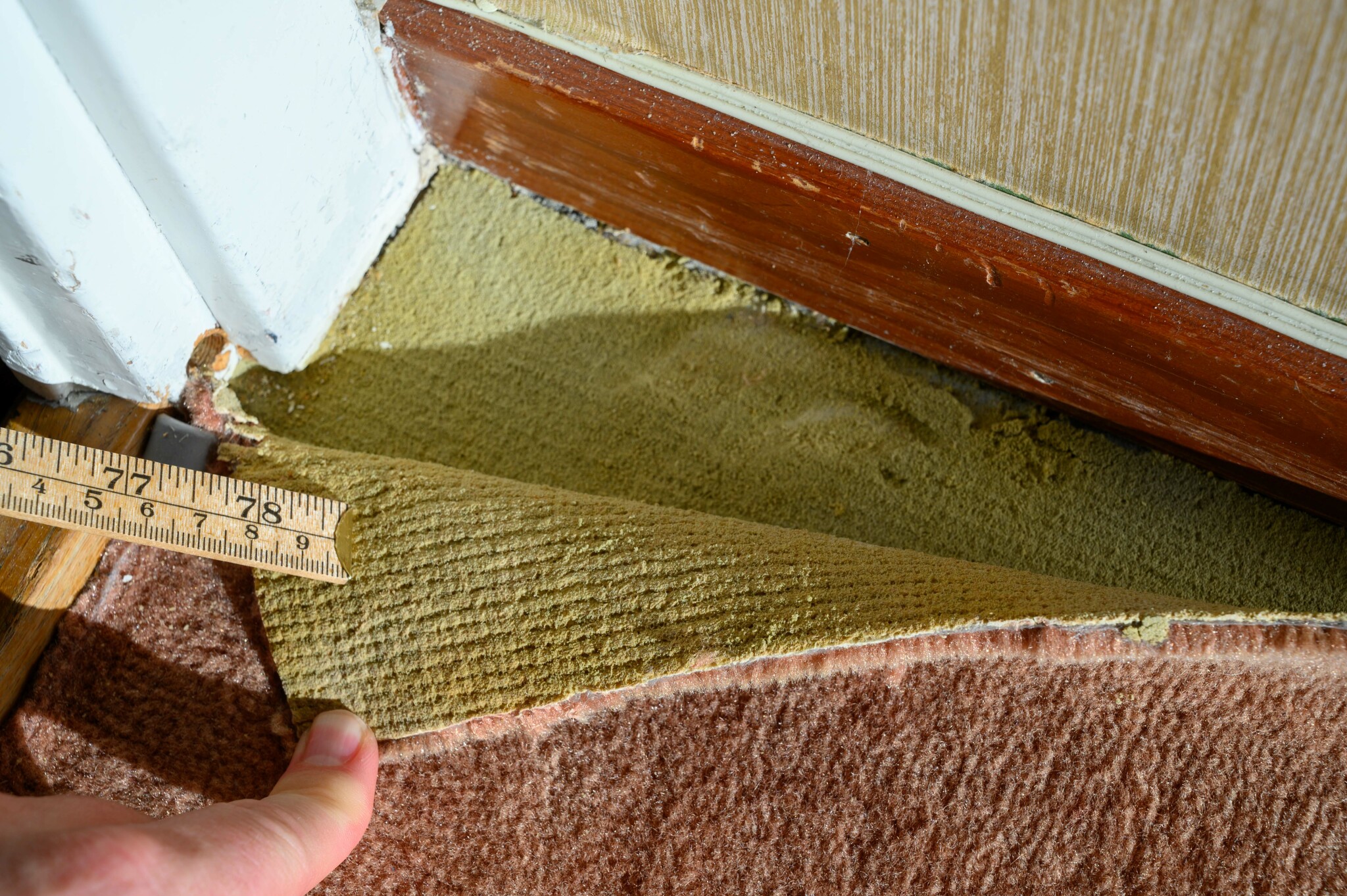
I am aware that one can take asbestos samples and send them away, but if there is no major risk, I am considering putting on a mask and rubber gloves to do it myself without testing. I thought of folding it into garbage bags and throwing it out on a trailer. The remnants under the carpet (seem to be parts of the soft/padding now more like sand) I thought of vacuuming up with a shop vac.
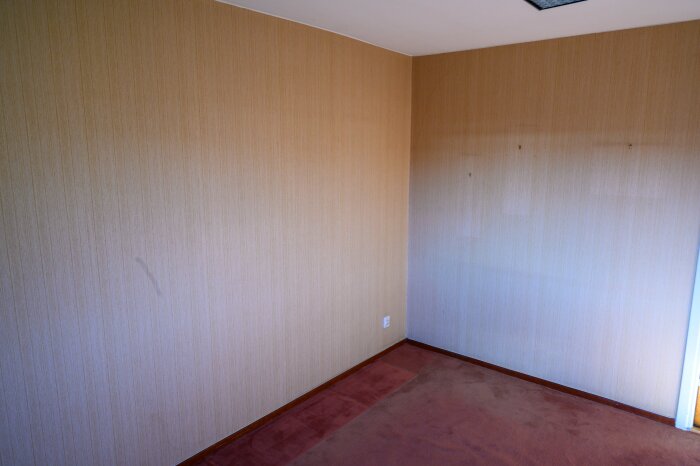
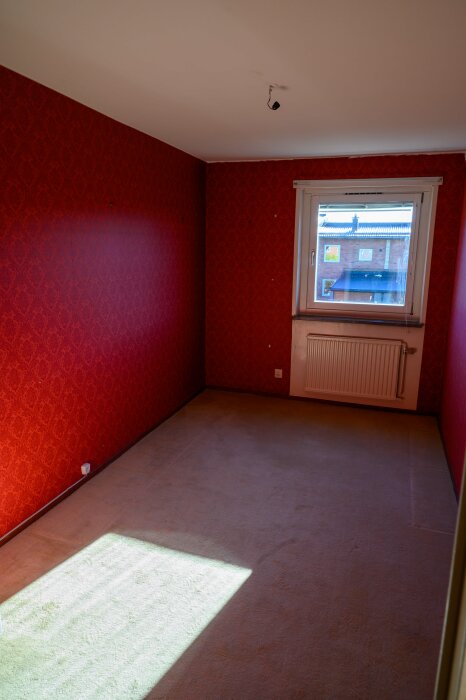
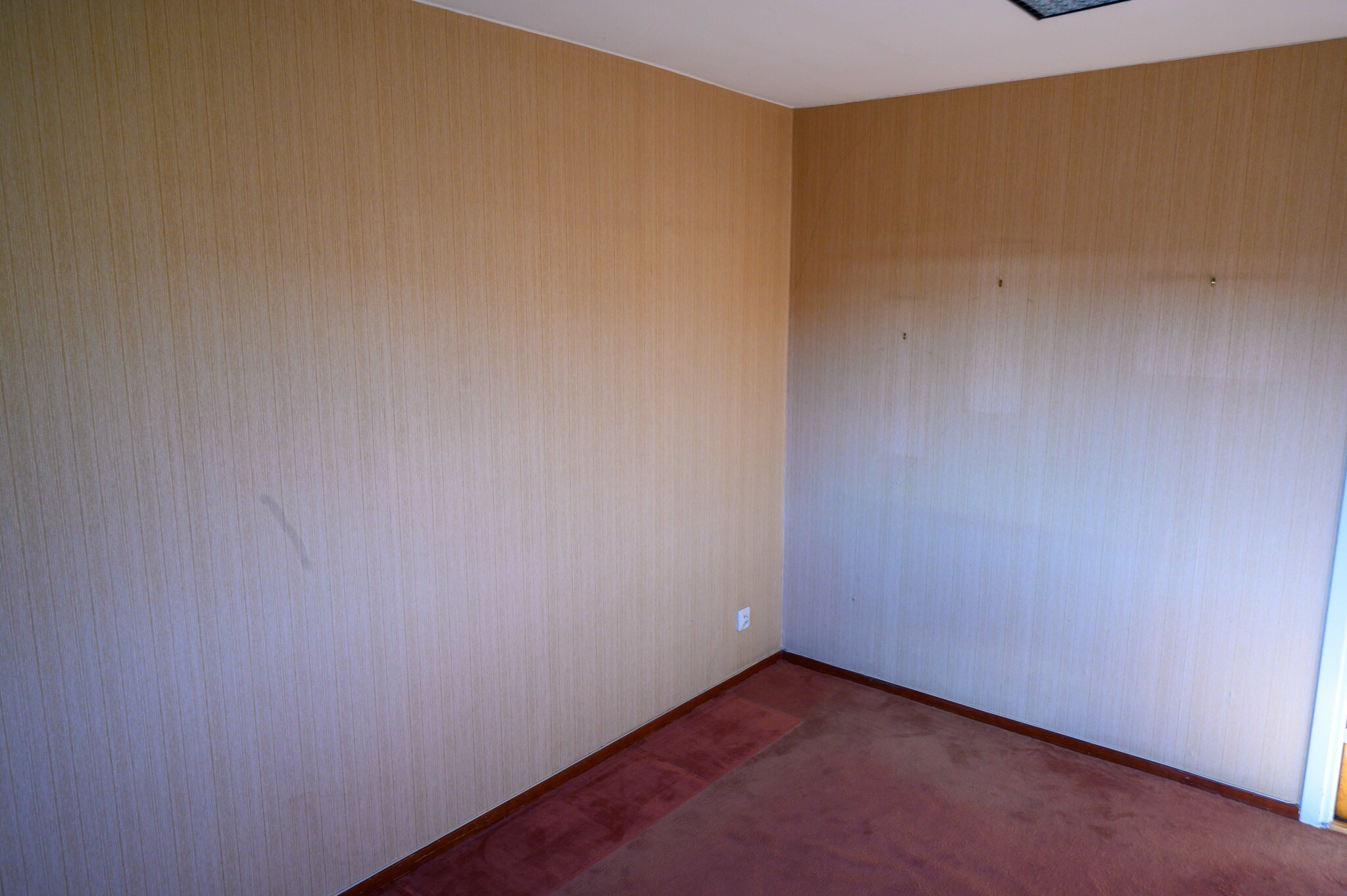
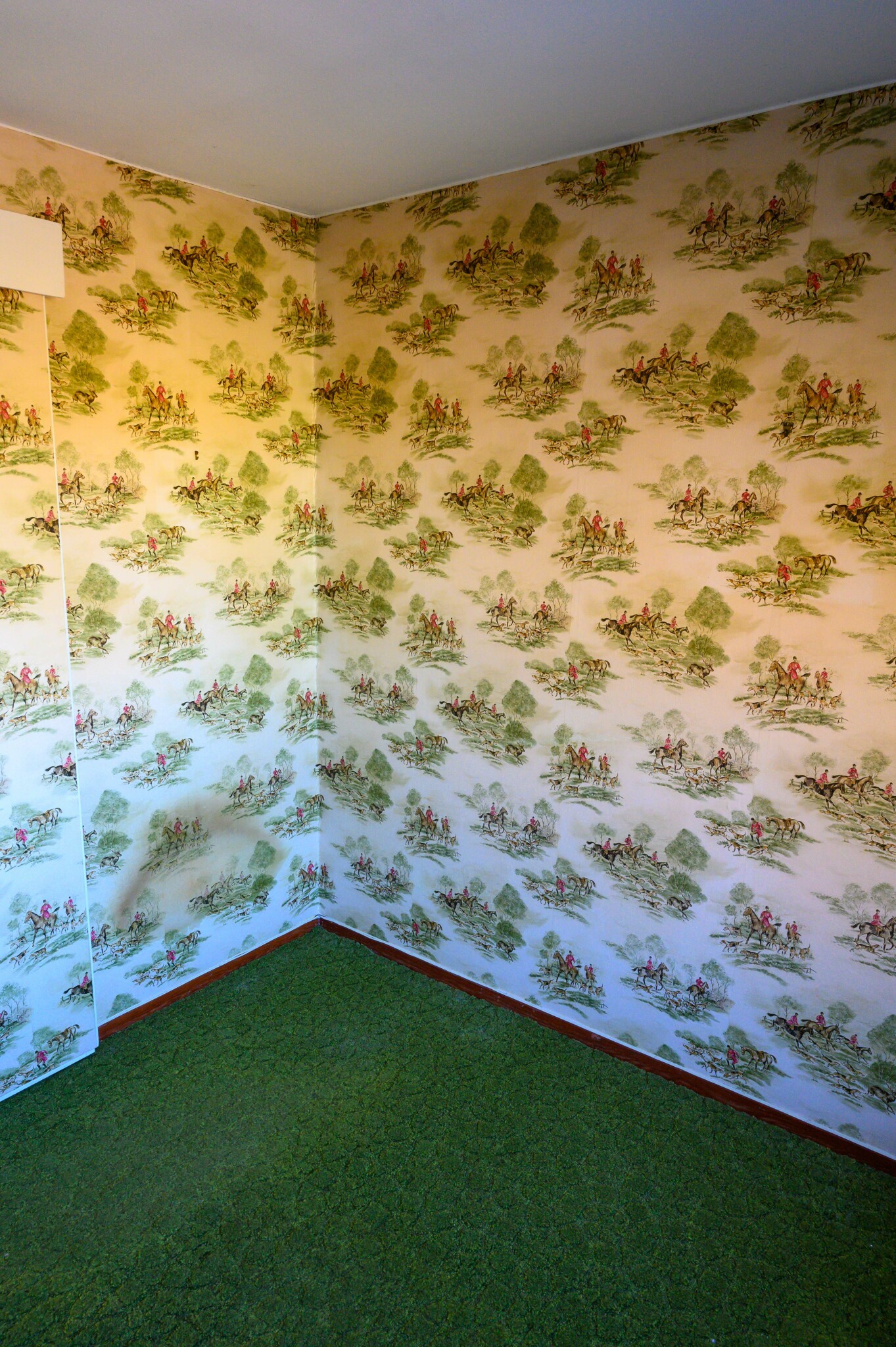
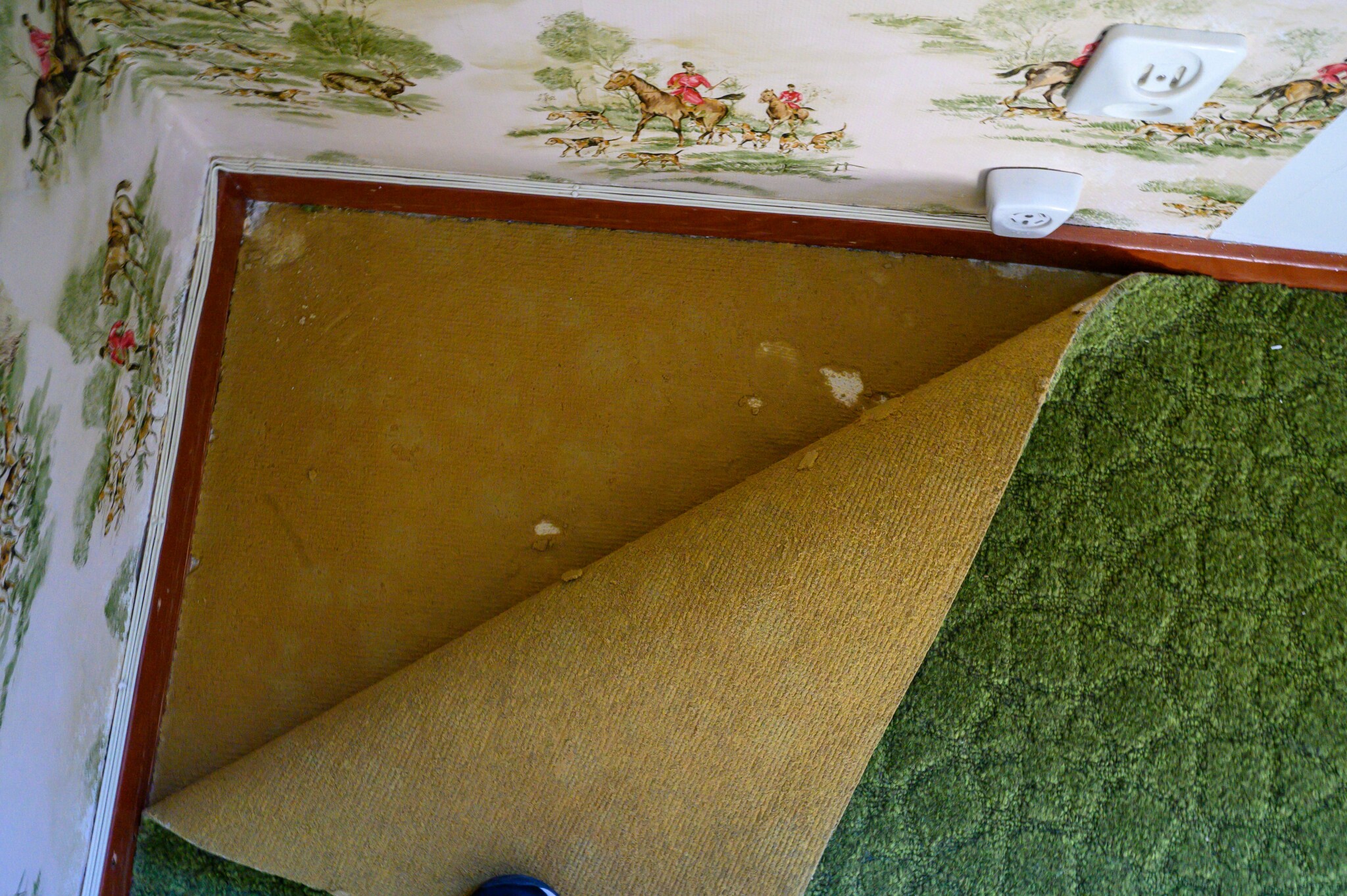
Room 1:
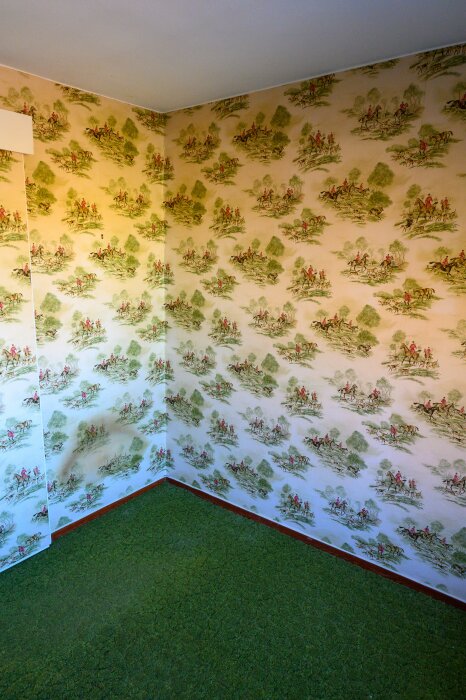
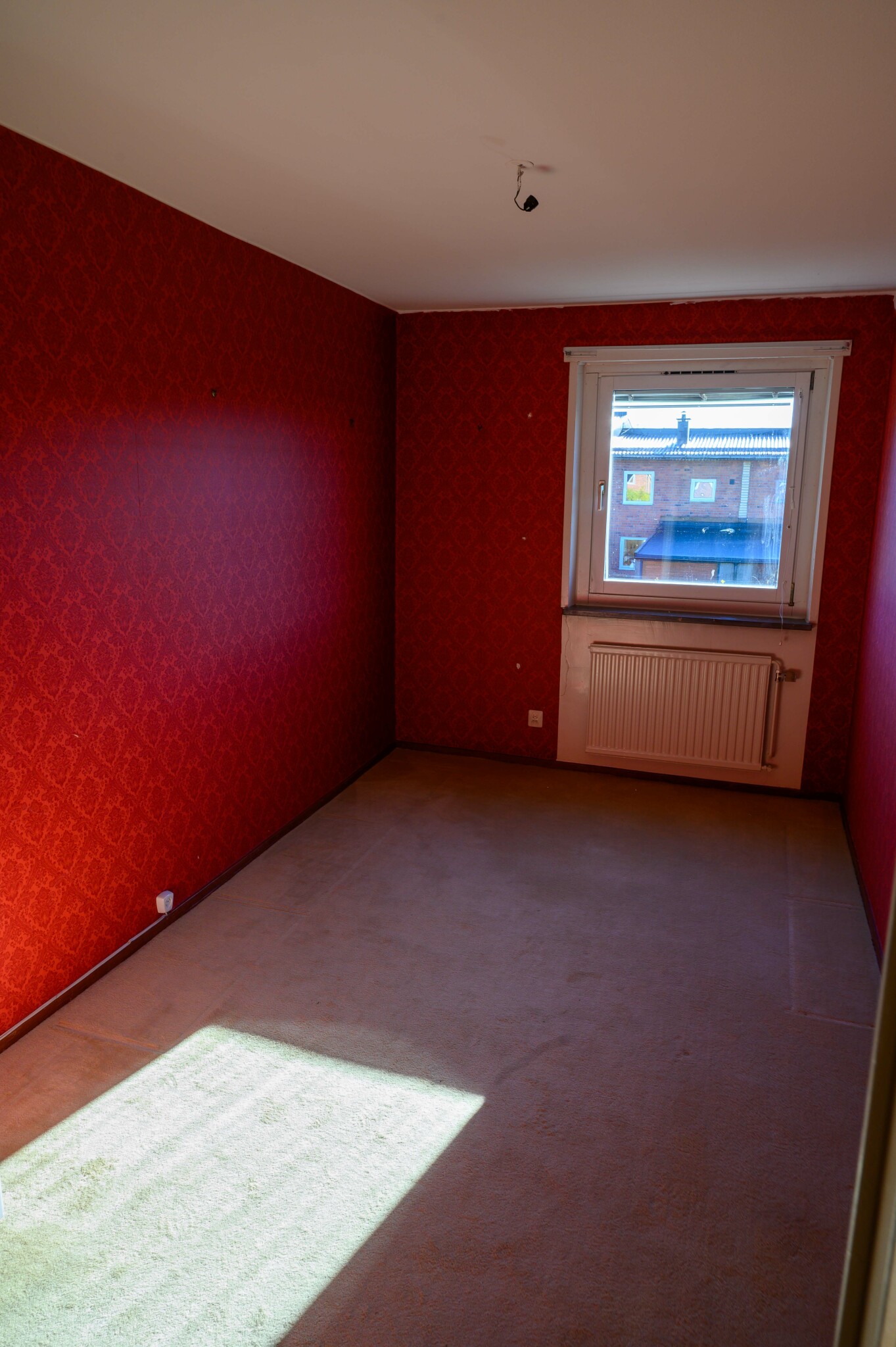
Room 2:
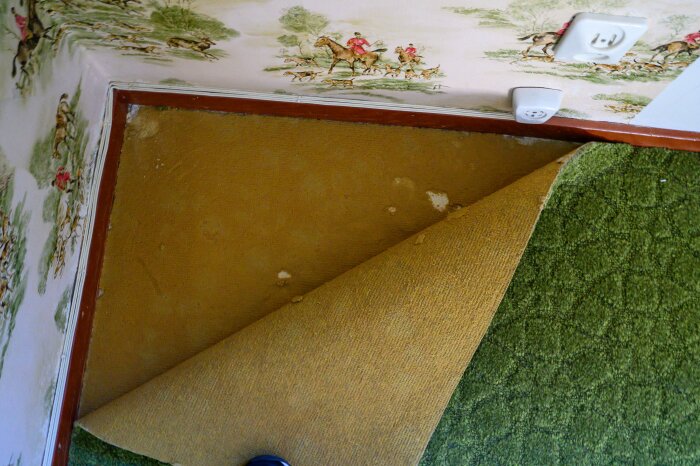
Room 3:
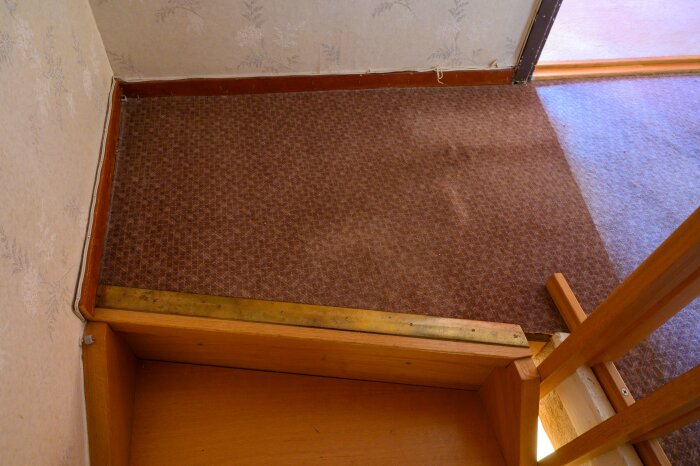
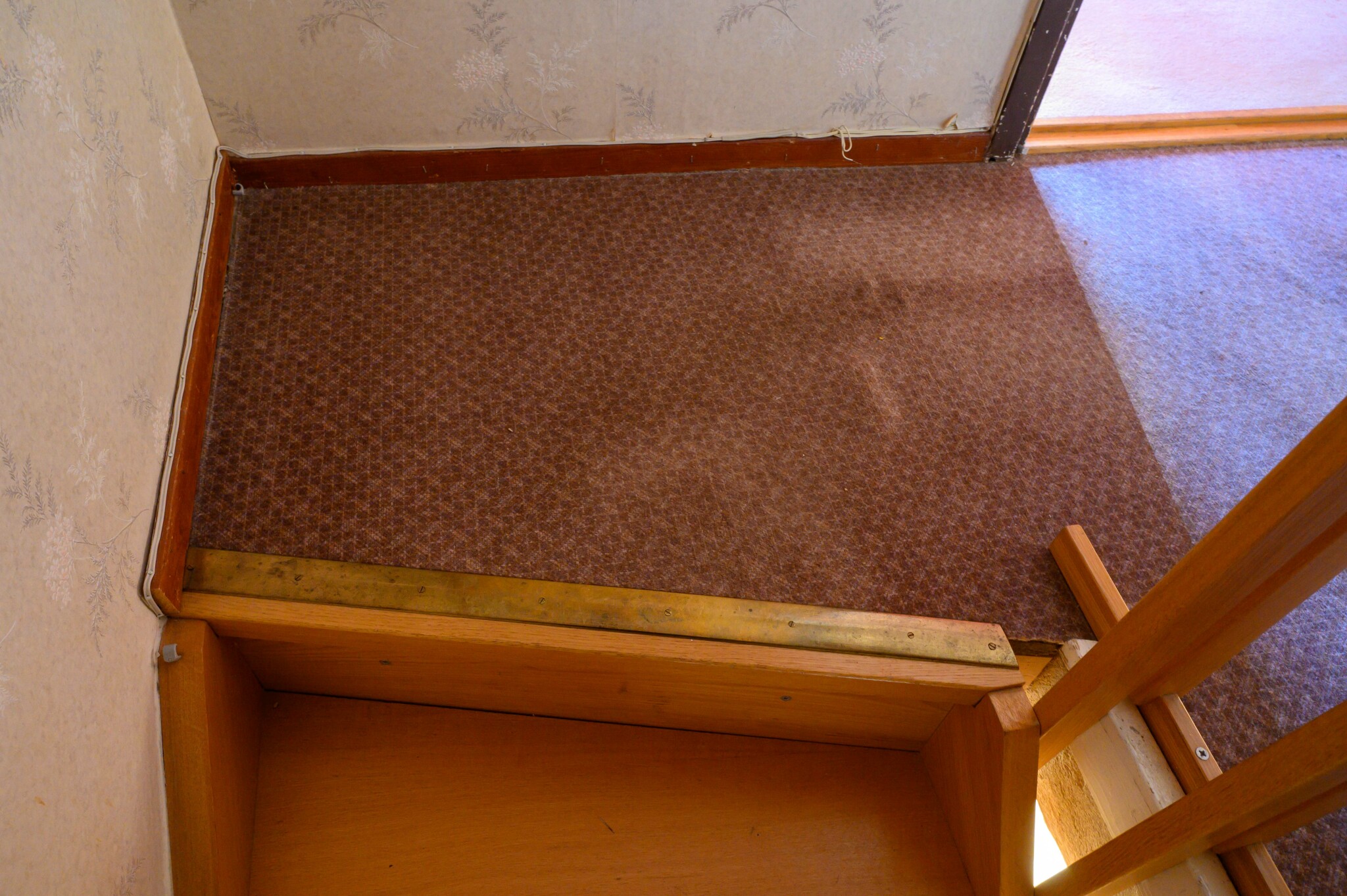
Hallway:
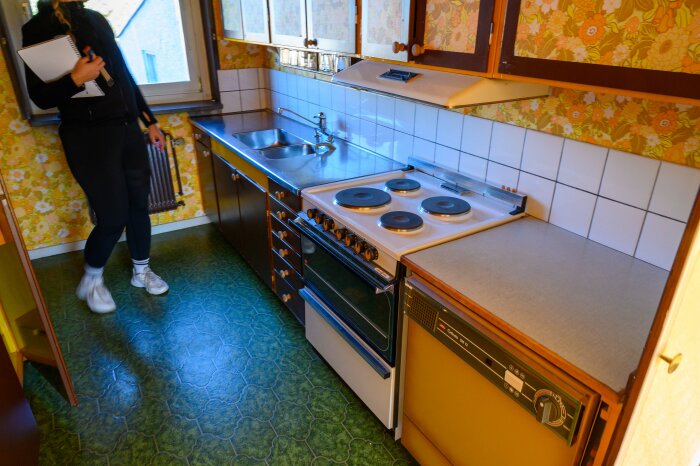
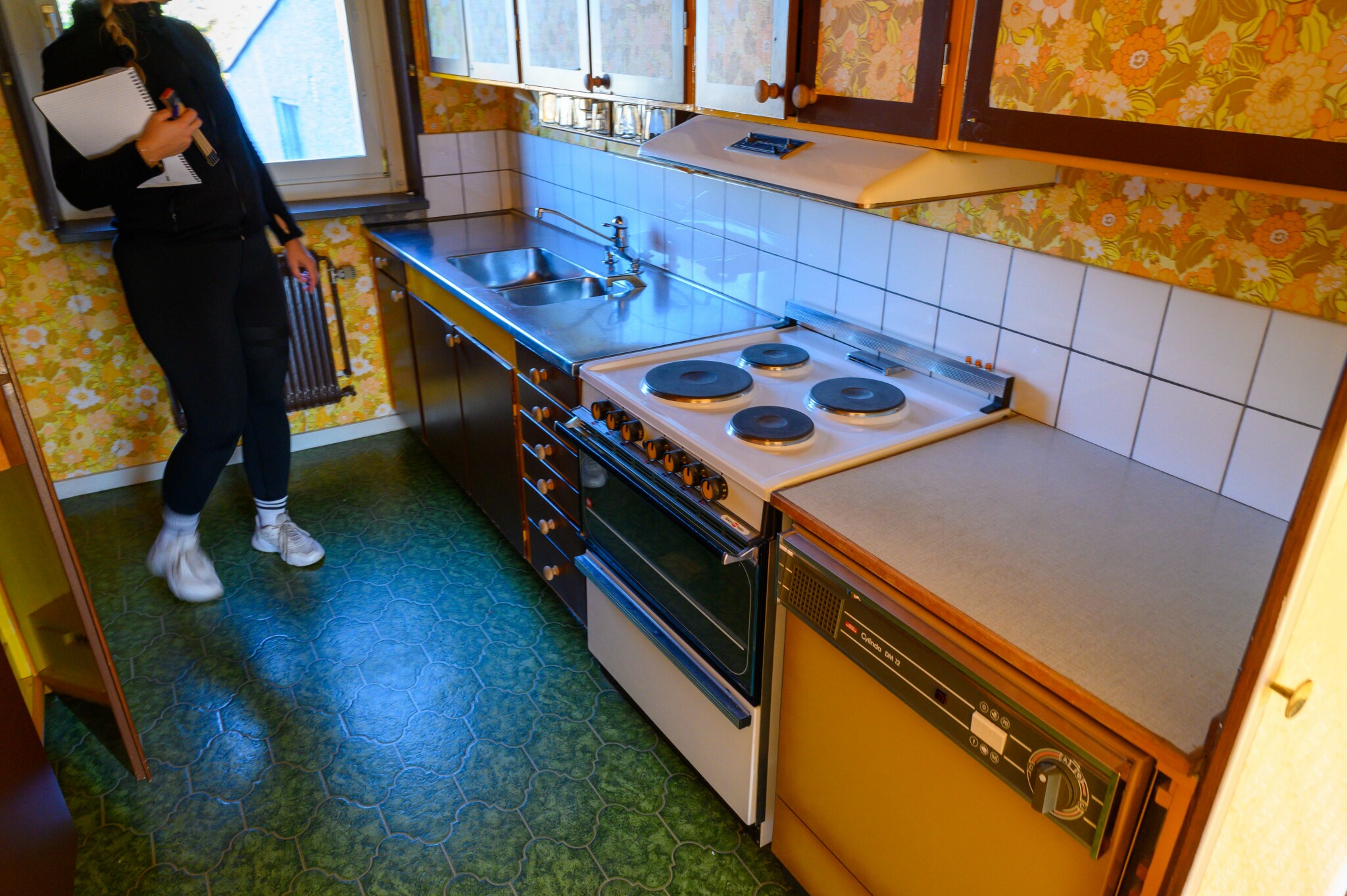
Do we have any qualified guesses? I've understood that it was mainly linoleum and plastic floors where it was more common to use asbestos in the adhesive. I'm also including a picture from the kitchen where I spontaneously think the risk might be a bit higher.
How would you experienced people think about the above? It feels a bit costly at just under a thousand per sample for something we plan to remove immediately if the risk isn't too high.
I've also been warned that it wasn't uncommon with glue paint and that it needs to be handled correctly in connection with renovation/repainting. Any thoughts on that in my case above?
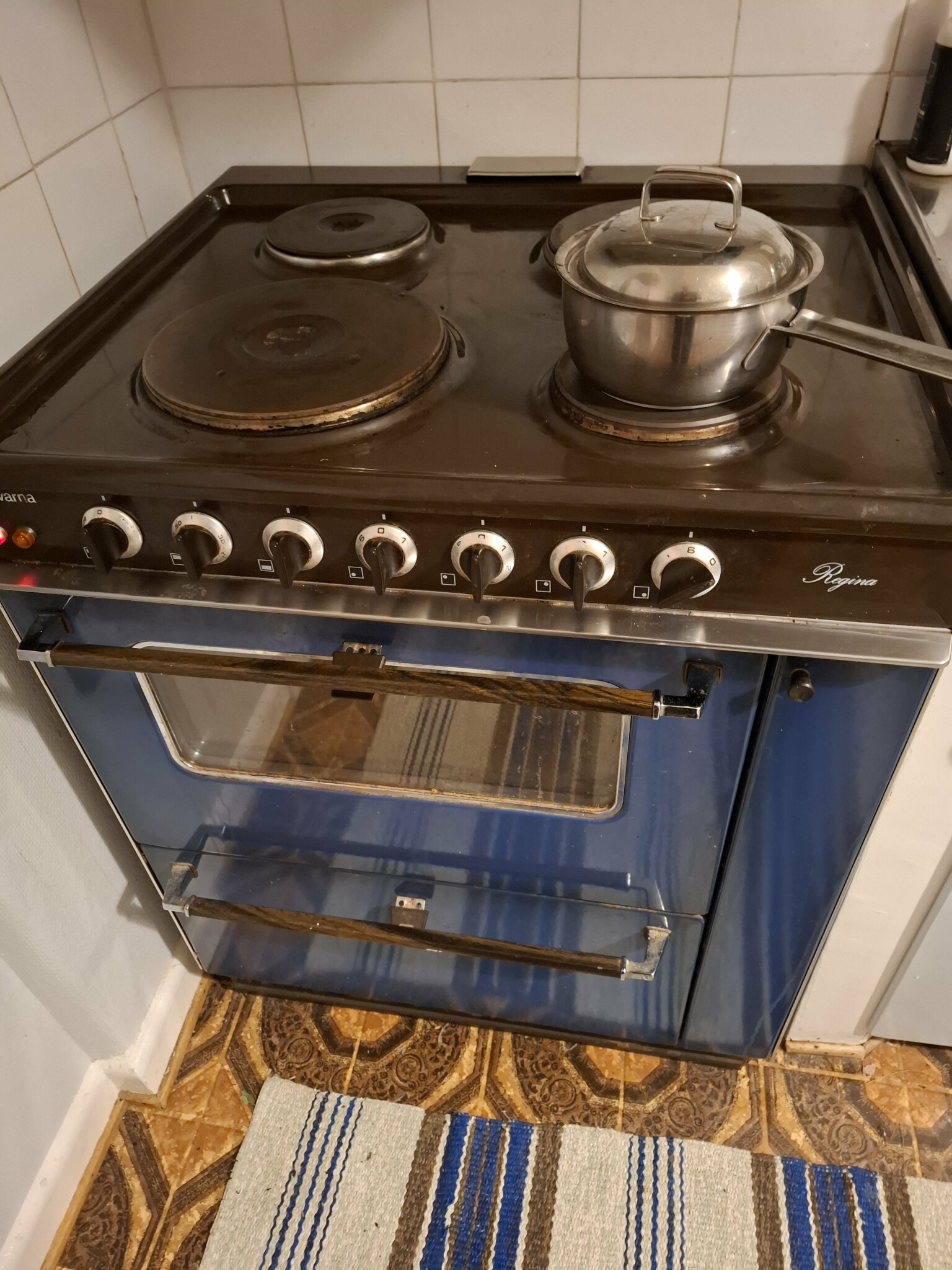
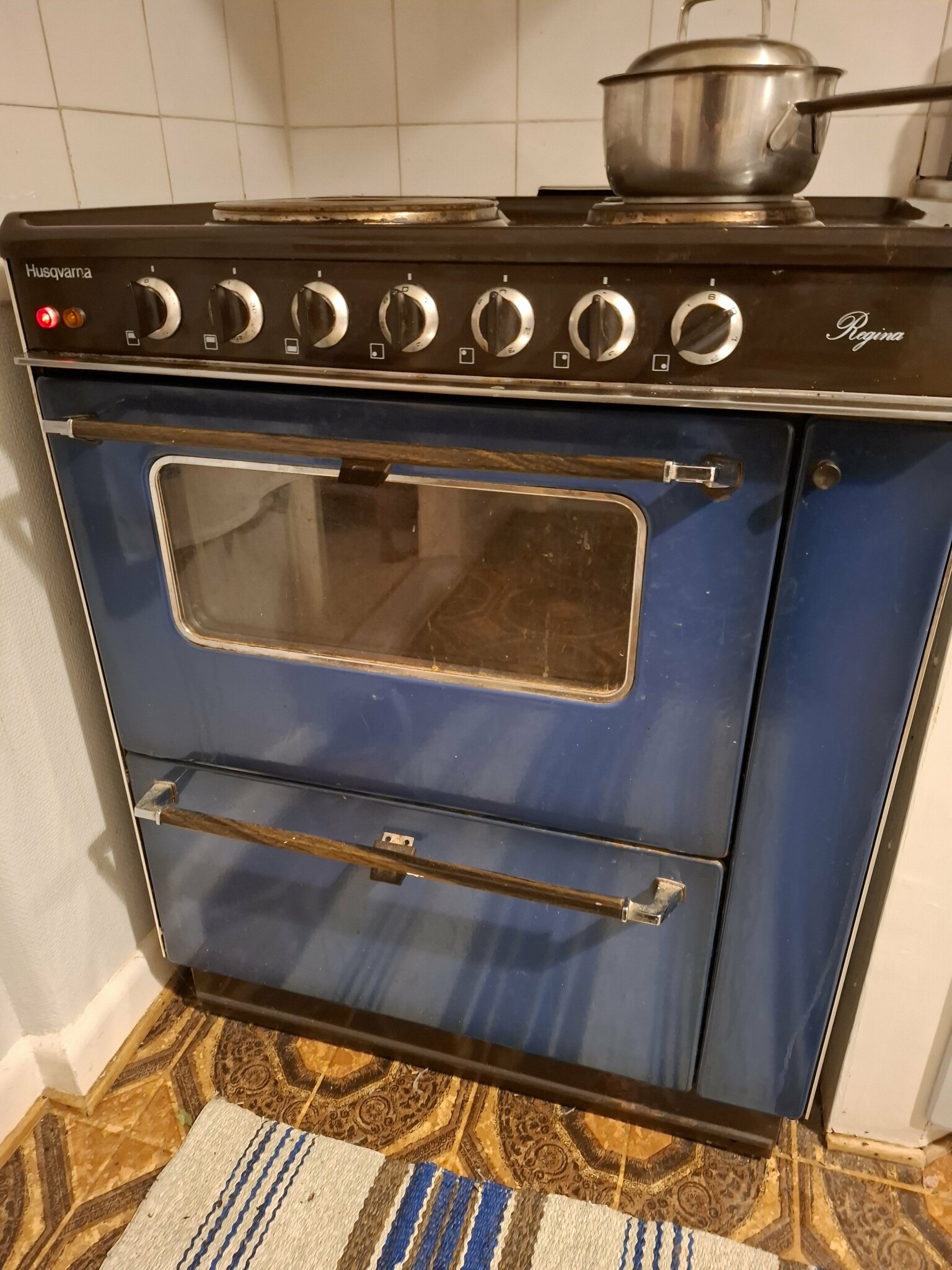
Have no opinions on the rug, just want to say WOW what a well-preserved 70s kitchen! Document the heck out of it before you tear anything down! Even the dishwasher is still there, the orange knobs on the stove, truly wow...
Those items are truly vintage so SELL and don't throw away before you've tried to sell!
Yes, it's been at least 20 years since I saw a dishwasher like that!
The sink drain pipe too... 70s!
The fan, cabinets, and sink also look like they're original 50s.
Regarding asbestos, the carpets are probably from just after the asbestos era. I would be more concerned about what might be underneath, and the kitchen-bathroom.
Yep. The color was called Lion brown. There were also Tomato red, Avocado green (Svenska hjärtan) and a blue (which my mom still has) whose name I can't remember. Rotating grill spit was an expensive accessory.
I've gotten a lot of information from the site, so now I'm trying a slightly more specific question. I recently became the owner of a townhouse from 1959 where the current owner has had it since the early 70s. On the entire upstairs, there are 4 different wall-to-wall carpets (soft) that have seen better days.
I know you can take asbestos samples and send them away, but if it's not an overwhelmingly big risk, I'm considering putting on a mask and rubber gloves to do it myself without testing. I thought I'd fold them down into trash bags and throw them out on a trailer. The residue left under the carpet (seems to be parts of the soft/padding that is now more like sand) I plan to vacuum up with a shop vacuum.
Room 1:
[image]
[image]
Room 2:
[image]
Room 3:
[image]
[image]
Hall:
[image]
Do we have any qualified guesses? I understand that it is mainly linoleum floors and vinyl floors where it was more common to use asbestos in the glue. I'll also include a picture from the kitchen where I spontaneously think the risk might be a bit higher.
[image]
How would you experienced people think about the above? It feels a bit steep with just under a thousand crowns per sample for something we're planning to tear out immediately unless the risk is too great.
I have also been warned that it was not uncommon with distemper paint and that it needs to be handled correctly in connection with renovation/repainting. Any thoughts on that in my case above?
Thanks in advance!
A mask and rubber gloves do little if you're tearing and clearing asbestos dust. Fibers will float around in the air and also contaminate clothing, walls, and more.
Make sure to have a proper mask, protective suit, goggles, boots, and gloves. Tape up the door and force the air out through a window, and you'll get closer to how the professionals work.
Or you could do as you planned. But you can skip the rubber gloves. Asbestos is not a poison, and if you don't work with it daily and aren't a habitual smoker, it's risk-free, just like crossing the street or riding a bobsleigh.
Very high risk of asbestos in the green vinyl flooring in the kitchen, as well as in the tile adhesive. If you are going to remove the vinyl flooring yourself, you should exercise great caution if there is a white paper on the back of the flooring that tends to break or remain on the substrate. It may consist of about 90% asbestos.
Yep. The color was called Lion Brown. It was also available in Tomato Red, Avocado Green (Svenska hjärtan), and a blue one (which my mom still has) that I don't remember the name of. The rotating spit was an expensive accessory.
Was at home and photographed my mom's stove "in action".
Check out the matching floor mat. Top fashion and quality on both.
I've gotten a lot of information from the site so now I'll try a more specific question. I recently became the owner of a townhouse from 1959 where the current owner has had it since the early 70s. On the entire upper floor, there are 4 different wall-to-wall carpets (soft) that have seen better days.
I know that you can take asbestos samples and send them away, but if there is not an overwhelming risk, I am considering putting on a mask and rubber gloves to do it myself without a test. I thought I'd fold it down into garbage bags and throw it out on a trailer. The residues left under the carpet (seems to be parts of the soft/cushioning that is now more like sand) I thought I'd vacuum up with a shop vac.
Room 1:
[image]
[image]
Room 2:
[image]
Room 3:
[image]
[image]
Hallway:
[image]
Do we have any qualified guesses? I've understood that it is mainly linoleum carpets and plastic carpets where it was more common to use asbestos in the glue. I'm also including a picture from the kitchen where I spontaneously think the risk might be a bit higher.
[image]
How would you experienced people think about the above? It feels a bit steep with just under a thousand per sample for something we plan to tear down immediately if the risk is not too high.
I have also received a warning that it was not uncommon with glue paint and that it needs to be handled correctly in connection with renovation/overpainting. Any thoughts on that in my case above?
Thanks in advance!
When I was in a similar situation, I chose to send in an asbestos sample, I think it cost 500-600 SEK including shipping. I took a sample of my carpet and included a teaspoon of "glue-powder" and had it analyzed as one sample.
I would have chosen the precautionary principle without a test; taped door, breathing mask, and protective suit are not expensive. A table fan on the windowsill blowing out through an open window gets the dust out.
Best regards
Click here to reply
Vi vill skicka notiser för ämnen du bevakar och händelser som berör dig.



Intet said: