Sorry for the millionth "is the wall load-bearing" thread :/
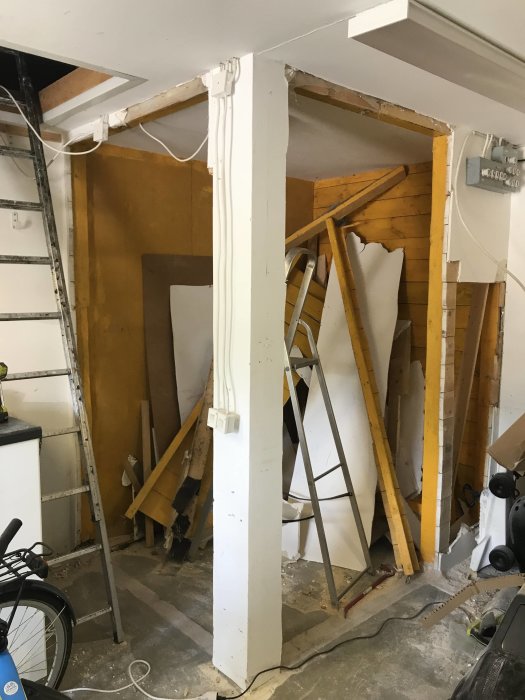
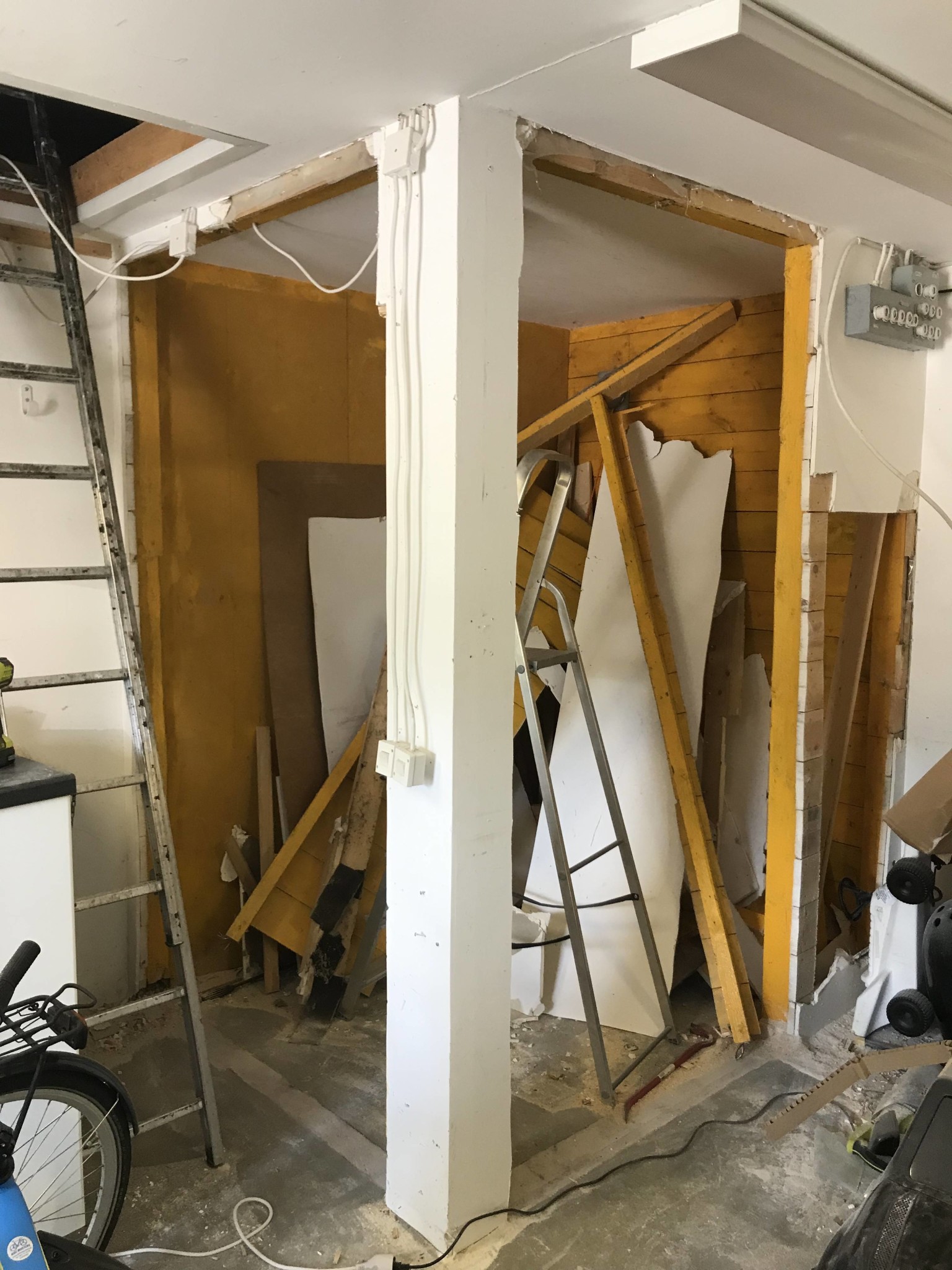
I have a garage that is an extension/addition to a carport with a storage room, where the garage has a "room" that I would like to remove:
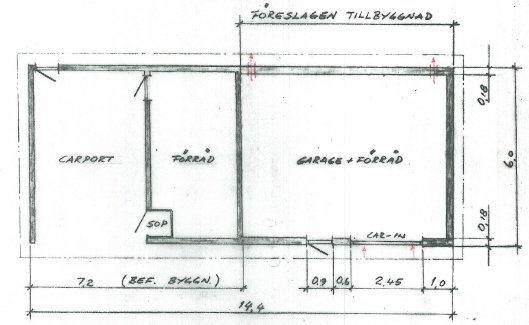
Original drawing (where the room is not included):
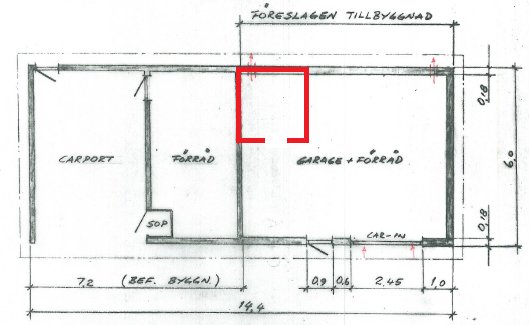
Room in red:
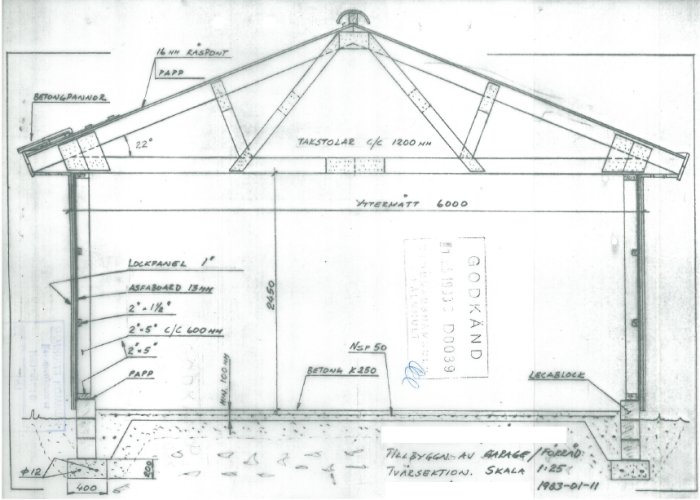
Roof structure:
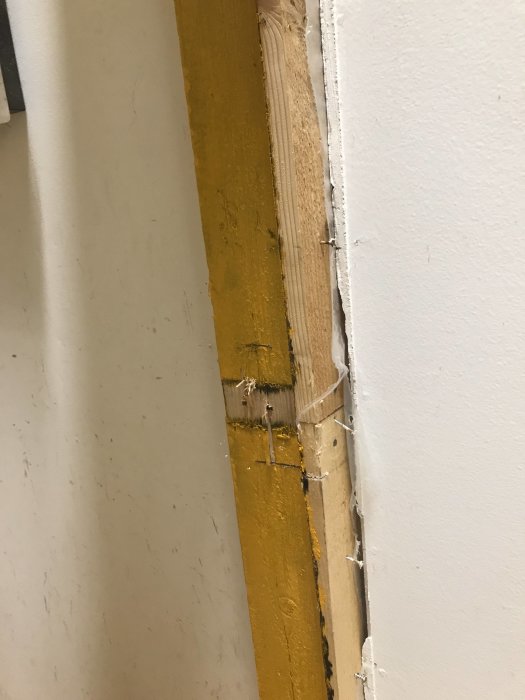
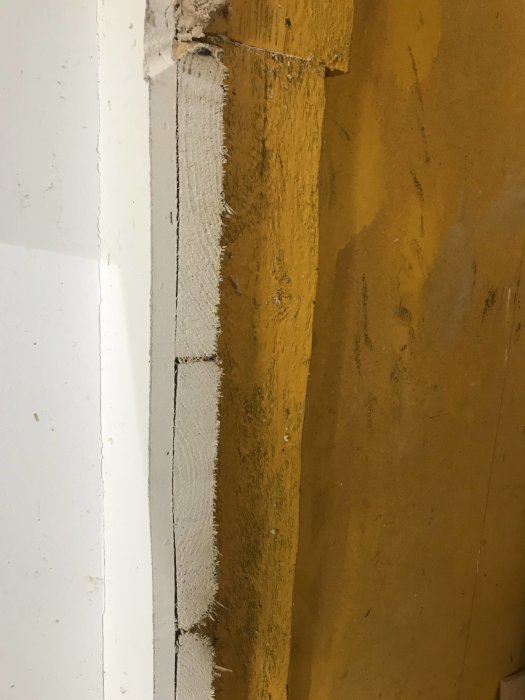
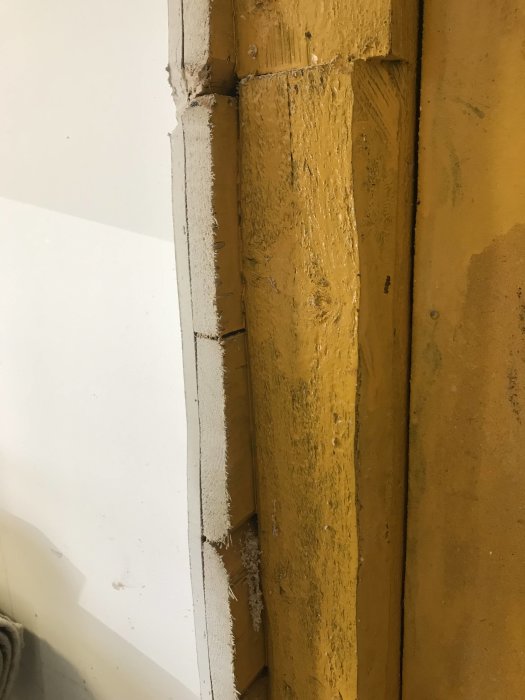
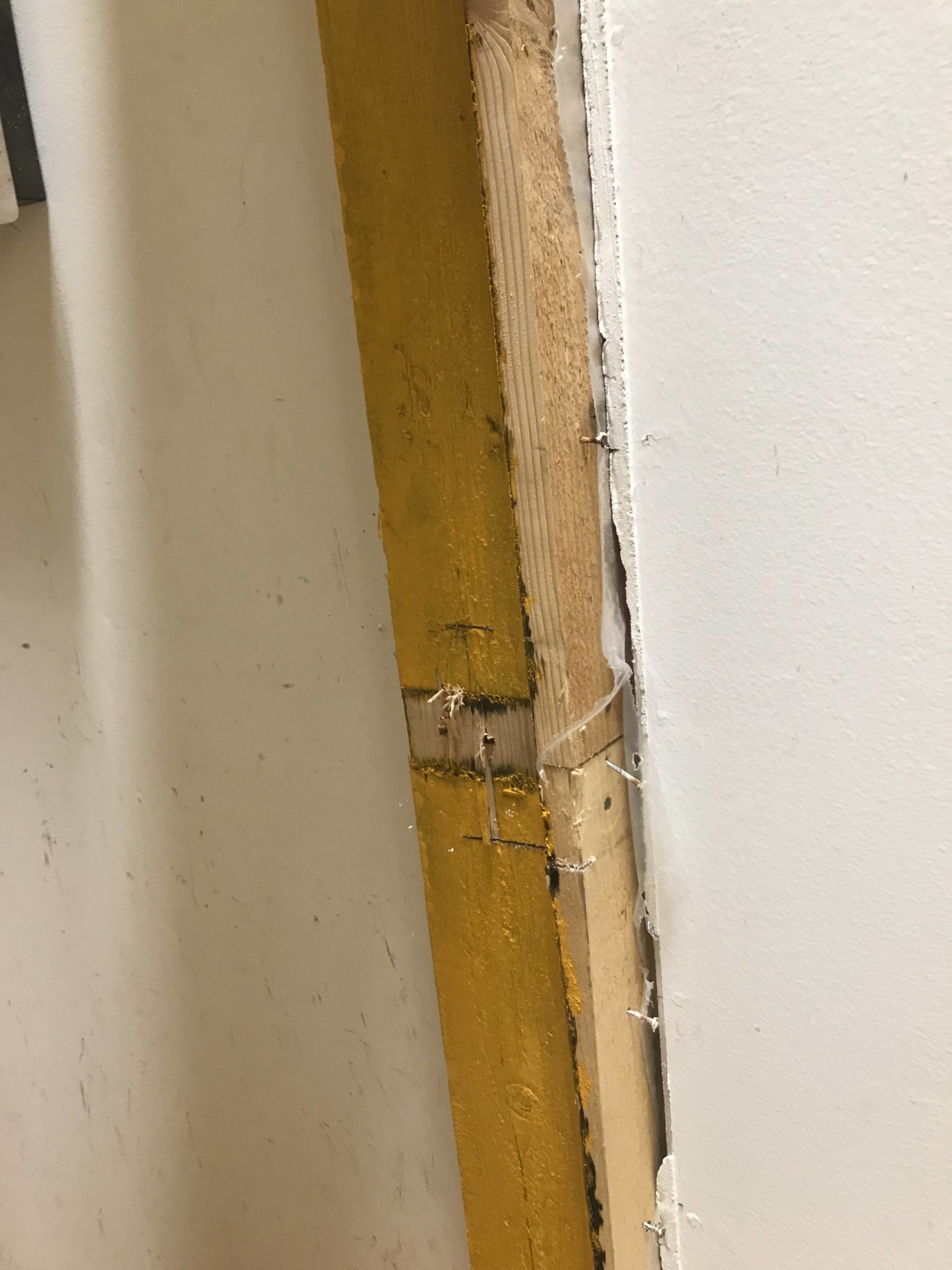
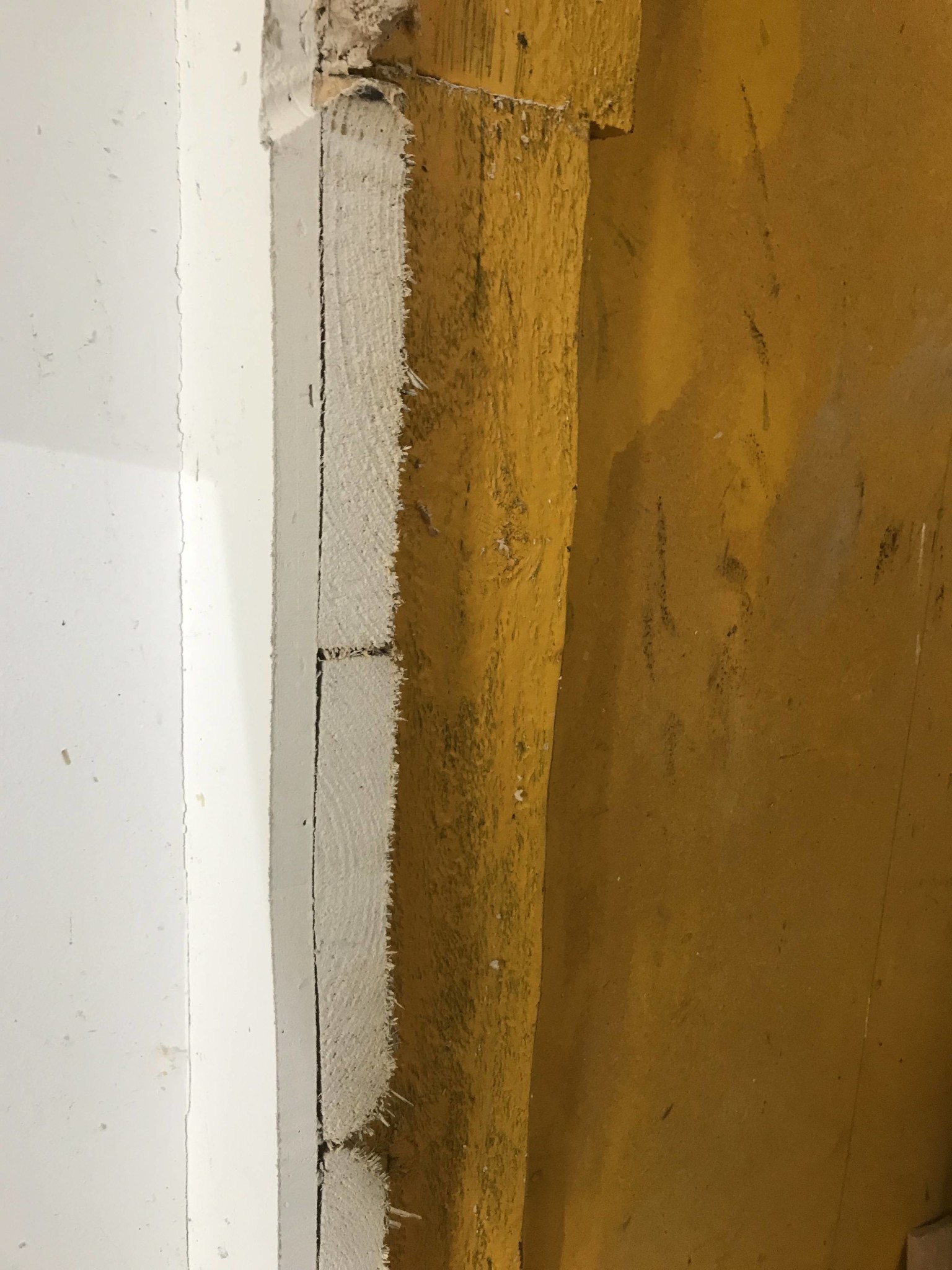
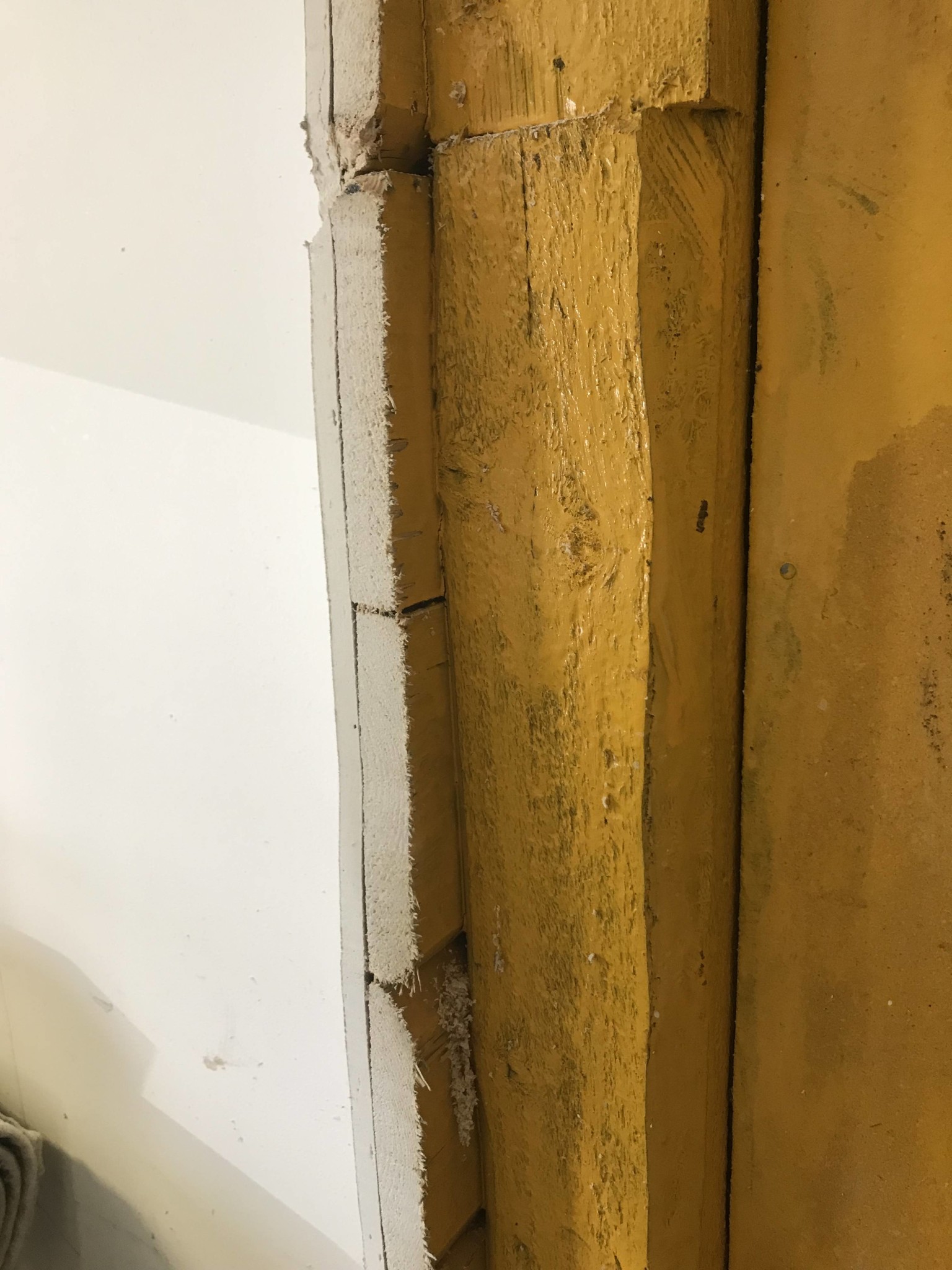
I do know that the walls of the "red" room are not load-bearing considering the structure, but I'm wondering if they might have become a bit "helpfully load-bearing" over the years, so to speak. It was built in 1983, and you can see that the roof looks a bit "saggy." Do you think I'll risk the roof becoming even more saggy if I remove the room?
No, they are not load-bearing in the construction because they are not included in the drawing. Moreover, the span width and truss construction suggest that they would not be.
If the roof is sagging, you should probably consider addressing it properly without relying on any interior walls that are not designed for that purpose . It's not that heavy items are being stored on the trusses, is it?
Regardless, it shouldn't be too much of an issue to straighten up, provided the entire building hasn't settled.
Thanks for the answer. Then I think I'll dare to go ahead with the reciprocating saw this weekend. Straightening the roof is probably best done when replacing the roof, it's about time. How is it usually done when straightening a roof? "Jack" and then apply reinforcement?
A W-truss of this type is self-supporting between the exterior walls. If you think it feels "saggy," you can always check the dimensions in relation to span and snow load zone. It's primarily the top and bottom chords that are important. Additionally, one should not store too much junk on the bottom chord. It is typically designed for a maximum of 50 kg/sqm.
The roofline doesn't look good on the left side of the picture. What are the dimensions of the upper and lower frames? Are they W-trusses all the way? In which snow zone is the garage located?
Worth mentioning as well, perhaps, is that the left part, built in 1973, had/has a "flat" roof until 1983 when they extended and added a pitched roof over the whole thing. On the left part, they placed the pitched roof directly on the old flat roof; if you climb up in the attic, you walk on the roofing felt (old roof), so to speak.
Somewhat weak dimensions considering the snow load area and span in the upper frames, but that probably can't explain the sag in the ridge. I suspect the cause can be found further down in the construction.



 . It's not that heavy items are being stored on the trusses, is it?