
3,542 views ·
11 replies
4k views
11 replies
Reinforcement of 70s wall for bathroom renovation
Hello,
Our housing cooperative is facing a pipe renovation of a Million Program building constructed in 1974.
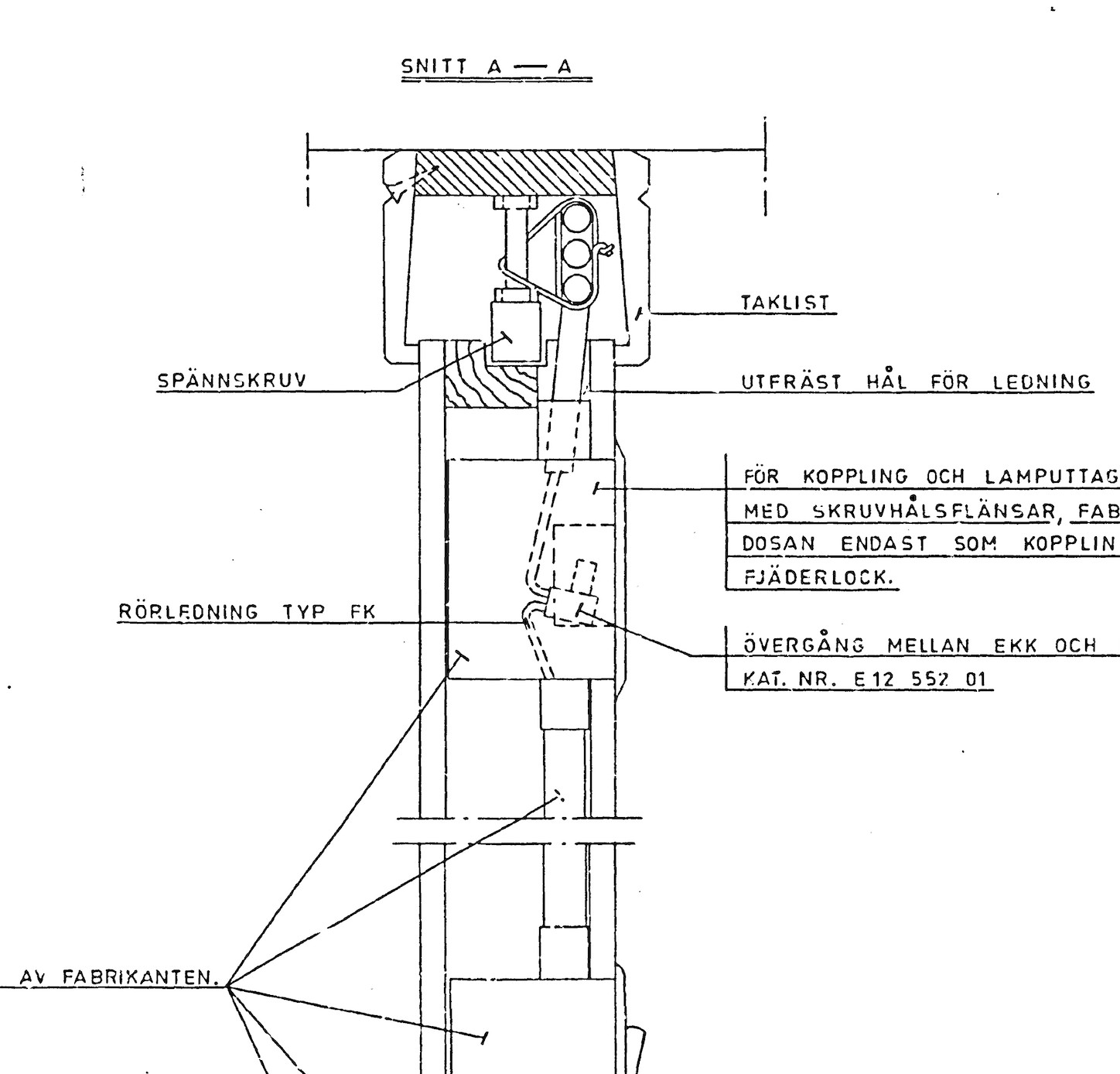
The light interior walls, which make up three walls of the bathroom, are a 70mm construction with vinyl-clad simple plasterboard on each side with thin insulation and studs at the edges of each "element." They are set and tensioned between the floor and ceiling above with tension screws against the ceiling. See attached image.
My question is if there's a way to reinforce these walls that doesn't add too much thickness? Is there an approved method in the industry applicable if one doesn't want to build an incredibly thick (double) wall or demolish everything and rebuild, with the associated costs for surface layers and restoration on all sides in all apartments? I will always strive for this if it comes down to these two options, but it might be difficult to convince everyone that this is the way to go.
If you add framing inside as usual with 70 studs + sheet material + tile, it becomes a rather thick wall that significantly reduces the bathroom size. The walls are prefabricated and manufactured as a single unit, so it's not feasible just to remove the innermost plasterboard in a sensible way as it looks like; instead, the whole wall has to go, and a new one needs to be built, a total of 3 out of 4 walls.
Best regards,
Jesper
Our housing cooperative is facing a pipe renovation of a Million Program building constructed in 1974.
The light interior walls, which make up three walls of the bathroom, are a 70mm construction with vinyl-clad simple plasterboard on each side with thin insulation and studs at the edges of each "element." They are set and tensioned between the floor and ceiling above with tension screws against the ceiling. See attached image.
My question is if there's a way to reinforce these walls that doesn't add too much thickness? Is there an approved method in the industry applicable if one doesn't want to build an incredibly thick (double) wall or demolish everything and rebuild, with the associated costs for surface layers and restoration on all sides in all apartments? I will always strive for this if it comes down to these two options, but it might be difficult to convince everyone that this is the way to go.
If you add framing inside as usual with 70 studs + sheet material + tile, it becomes a rather thick wall that significantly reduces the bathroom size. The walls are prefabricated and manufactured as a single unit, so it's not feasible just to remove the innermost plasterboard in a sensible way as it looks like; instead, the whole wall has to go, and a new one needs to be built, a total of 3 out of 4 walls.
Best regards,
Jesper

What is it you want to achieve? They are not load-bearing walls.
Hello,
We need a stable and approved wall for waterproofing and tiling.
I am inquiring about possible solutions to reinforce the existing wall, to avoid tearing down all three walls including electricity, door, restoration, etc. Multiply this by 140 apartments and it becomes quite costly. If it's possible to reinforce the existing wall in a sensible way that does not extend 100mm from the current wall, it could be an option to consider and evaluate.
Regards,
Jesper
We need a stable and approved wall for waterproofing and tiling.
I am inquiring about possible solutions to reinforce the existing wall, to avoid tearing down all three walls including electricity, door, restoration, etc. Multiply this by 140 apartments and it becomes quite costly. If it's possible to reinforce the existing wall in a sensible way that does not extend 100mm from the current wall, it could be an option to consider and evaluate.
Regards,
Jesper
I had a company come in to renovate our bathroom in the house.
They used 15 mm plywood and then a single layer of plasterboard. It became extremely stable.
So I would probably say that:
1. Remove the existing waterproofing
2. Glue and screw plywood, at least 15 mm but thicker depending on the spacing of the studs.
3. Screw plasterboard
Then waterproofing and tiling.
They used 15 mm plywood and then a single layer of plasterboard. It became extremely stable.
So I would probably say that:
1. Remove the existing waterproofing
2. Glue and screw plywood, at least 15 mm but thicker depending on the spacing of the studs.
3. Screw plasterboard
Then waterproofing and tiling.
Sometimes you have to question the demands. They are not always expressed relevantly. If you want to achieve greater stiffness in the wall, you should do as @Jan_G suggests. Remove the gypsum, screw-glue plywood and apply new surface layers on top of that. I believe that 12 mm k-plywood is sufficient. If you want to increase the dimension, 18 mm is better. 12 and 15 mm have the same number of layers. There are only small differences in layer thickness between them.

Know-It-All
· Västra götaland
· 11 014 posts
Is tile really a must?
Yes. I would have liked to reinforce the walls further to make them more rigid. Unfortunately, the outer gypsum board cannot be removed without tearing down the entire wall.
Yes, tiles are a must, as we need to enable our members to be able to install tiles in their bathrooms.
I am looking for "approved" or generally accepted solutions precisely because it is a larger project with 140 apartments, and it needs to be procured in a sensible way with one or a few solutions.
Best regards, Jesper
Yes, tiles are a must, as we need to enable our members to be able to install tiles in their bathrooms.
I am looking for "approved" or generally accepted solutions precisely because it is a larger project with 140 apartments, and it needs to be procured in a sensible way with one or a few solutions.
Best regards, Jesper
Know-It-All
· Västra götaland
· 11 014 posts
Isn't it more sensible to allocate the cost of tiles to those who want them?J jesperleven said:Yes. I would have liked to reinforce the walls further to make them more rigid. Unfortunately, the outer drywall cannot be removed without tearing down the entire wall.
Yes, tiles are a must, as we need to enable our members to be able to install tiles in their bathrooms.
I’m looking for “approved” or generally accepted solutions because it is a larger project with 140 apartments and needs to be procured in a sensible way with one or a few solutions.
Regards, Jesper
Even glue-screwed plywood on one side means a significant improvement. Gvk's rules must always be read with a certain skepticism. They are published by an organization that wants to sell a lot of tiles, which means they are not independent. It's like recipes from Arla.
We renovated our "70s wall" built with corrugated cardboard and glued particleboard.. Rigid as hell but impossible to screw into  Terrible to tear down as well since it was glued everywhere..
I built a close frame with 2", meaning 45mm, and then a wet room wall according to current standards, i.e., 15mm plywood and wet room plaster 12mm. Wet room plaster is no longer a requirement but as there is no price difference in a small bathroom, I went with it.
Terrible to tear down as well since it was glued everywhere..I built a close frame with 2", meaning 45mm, and then a wet room wall according to current standards, i.e., 15mm plywood and wet room plaster 12mm. Wet room plaster is no longer a requirement but as there is no price difference in a small bathroom, I went with it.
Construction veteran
· Norrland
· 342 posts
Hey! How close are the studs in those wall elements? If the distance is too wide so you can't just attach the plywood directly to the wall, you might consider adding studs with 28x70 or 28mm hat profiles. But then you'll probably need to lay the battens/hat profile horizontally on the walls. Then add plywood+gypsum.
Click here to reply