
12,392 views ·
24 replies
12k views
24 replies
Protect end grain on posts on plinth?
The plastic doesn't absorb water, is dimensionally stable, and doesn't rust. Sure, you can use cardboard, but supporting shims are probably standard practice. For example https://www.k-rauta.se/produkt/pall...MI-e3mzfnX-AIV2KfVCh2QWgLvEAQYBiABEgJTvPD_BwESkumpe said:
PS. I wouldn't oil a pressure-treated post, but maybe the lower end if it was freshly cut. I think I considered this and chose the uncut end downwards when building the deck.
It probably works with asphalt felt too. That's what I put between the joist and the concrete foundation when I attached the joist, but then I had to stack a few on top of each other to get some air behind. The advantage of the plastic, I think, is that it's thicker. But as I said, both probably work well.
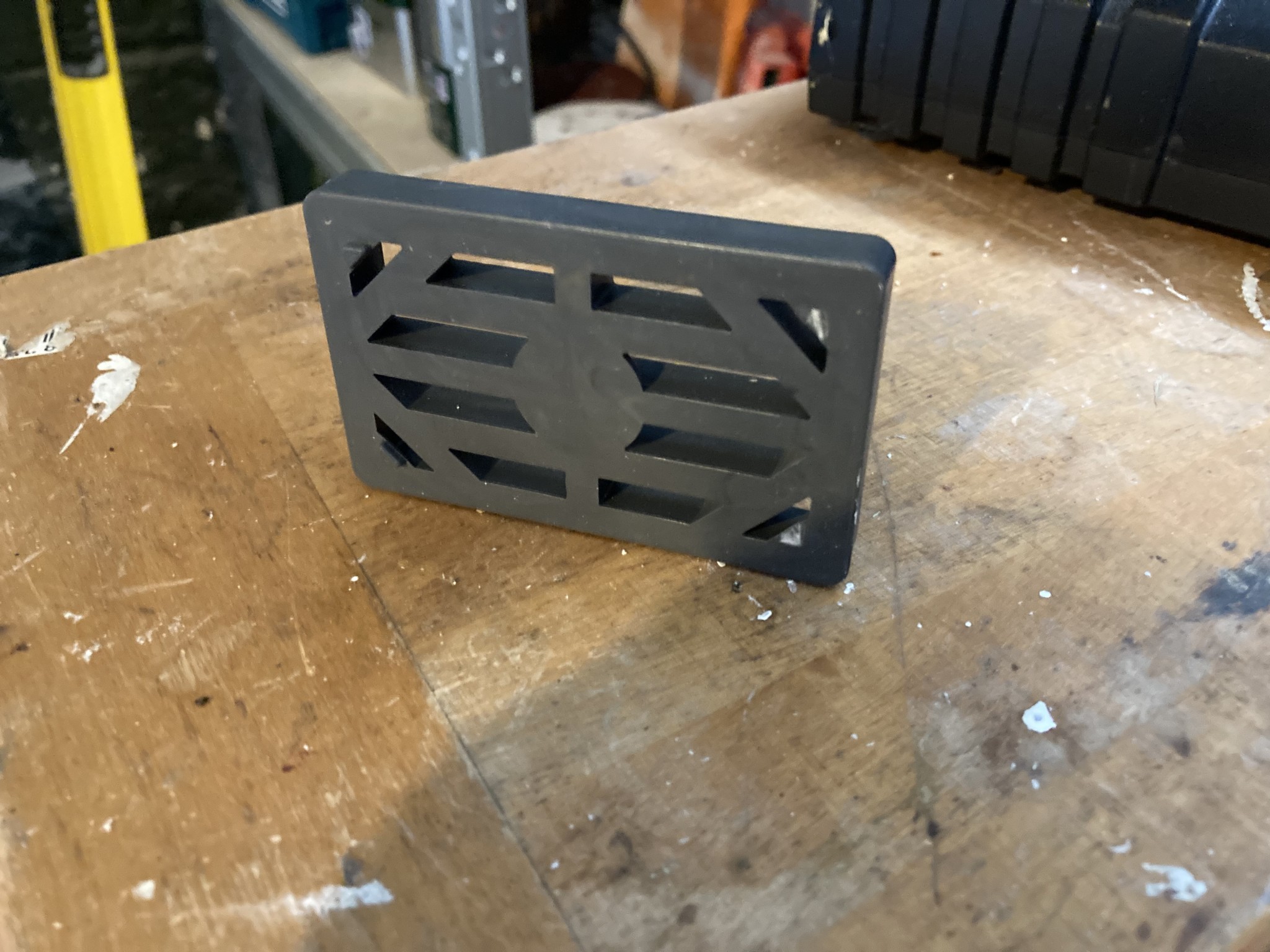
Where do I buy these and what are they called? Did you attach these to the posts or the plinth?V Villa1949 said:
I bought them at Optimera, they're probably available at several building suppliers. I didn't attach them, just placed the post on top. They're called plastic spacer or shimming plate. I think it works well without treatment. Choose the uncut part downward so the impregnation remains intact.
When painting, it's important to wait; a water-based oil can be applied directly, the important thing is that the wood is dry enough to absorb, which is usually not an issue unless it is timber that came directly from impregnation or has been lying out in the rain.
This is about posts, not decking. In that case, I need something that is easy to purchase and comes in maybe 1-liter packaging. It's not about a lot. Do you have a link?Viktor.J said:
Ask where you shop, but regular deck or terrace oil works for the end grain. Linolja mentioned also works; I even believe that the other oils are based on linolja.
You don't need to set the posts in anything, just paint generously and repeat a few times so the end grain has the opportunity to absorb it.
You don't need to set the posts in anything, just paint generously and repeat a few times so the end grain has the opportunity to absorb it.
Click here to reply