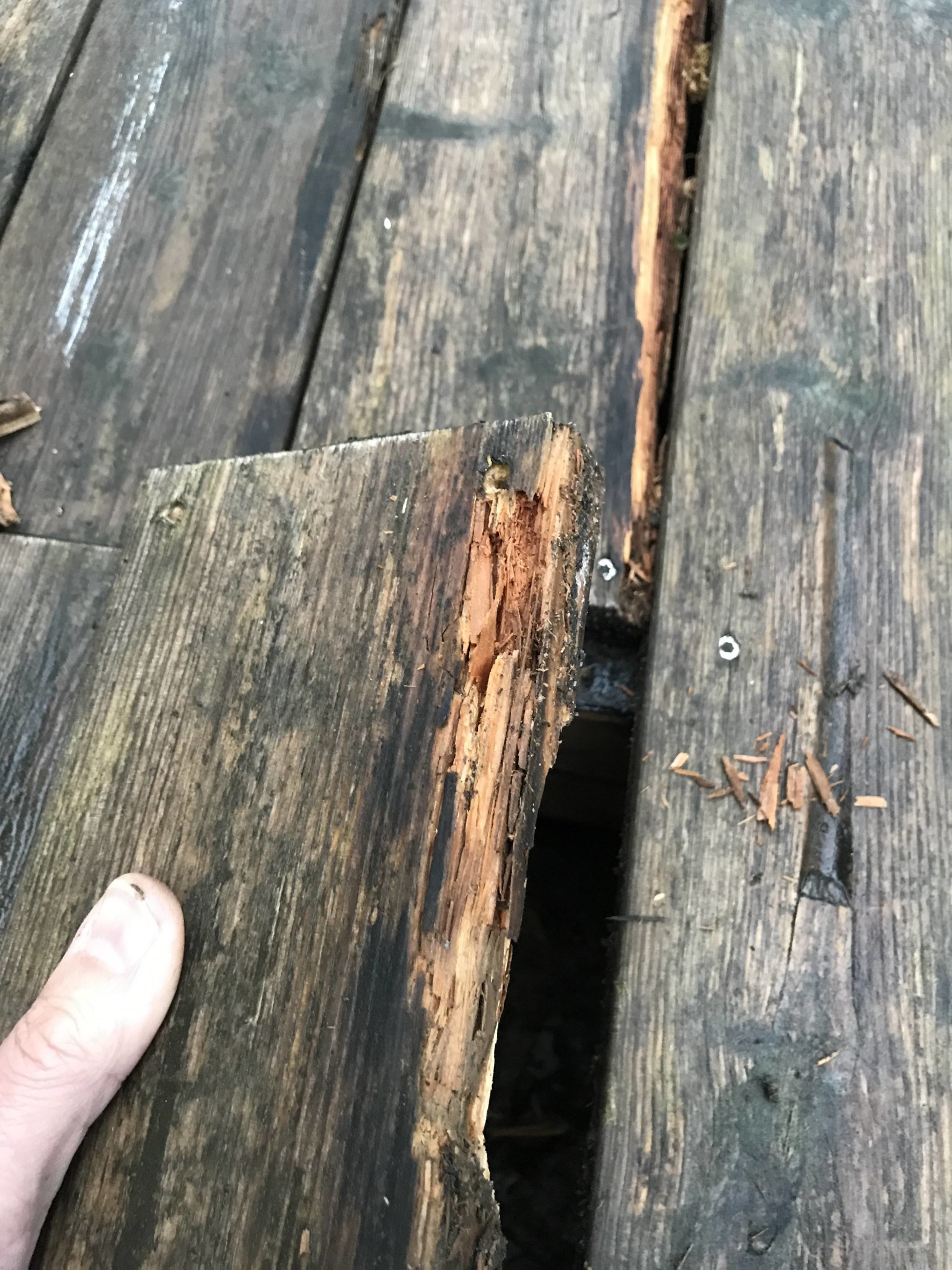
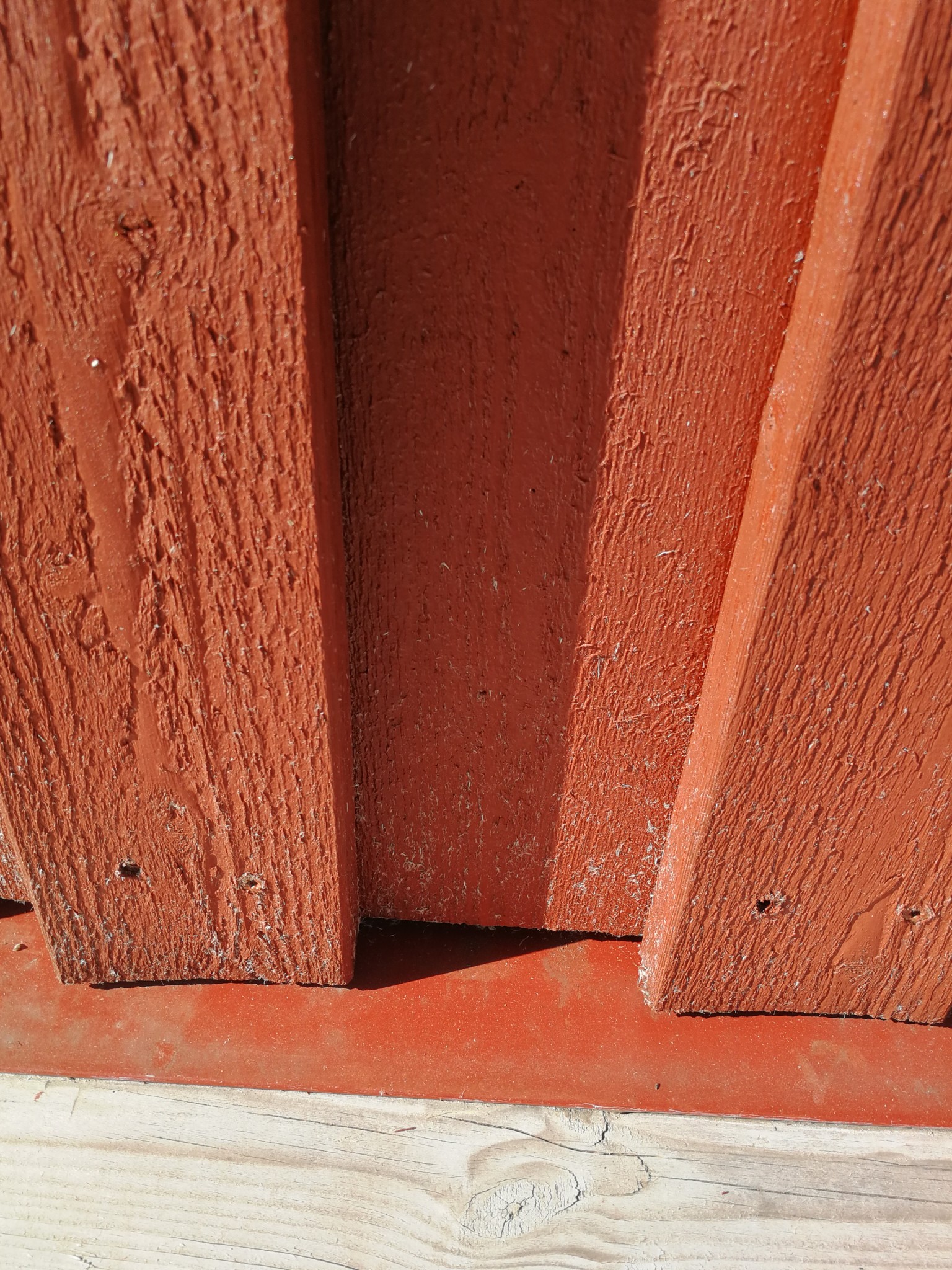
We also have huge problems with rot on our Organowood deck, after just 4-5 years. After much email correspondence, the company finally agreed to replace the boards that showed clear rot. But who wants to install new planks in a deck that will eventually rot away? The only solution is to redo the entire job, meaning spending an entire summer on your knees and sacrificing family life and money. No thank you.
[image] We are also having major problems with rot on our organowood deck, after only 4-5 years. After much email correspondence, the company finally agreed to replace the boards that showed clear rot. But who wants to install new planks in a deck that will eventually rot away? The only solution is to redo the entire job, i.e., spend an entire summer on your knees and sacrifice family life and money. No thanks.
Looks bad. Then you know what to expect in a year then.....
Printed today are not much to rely on, when you cut the board and look at the cross-section there are many tenths of mm they have gone into the wood..skojeri
Depends more on the wood quality and the inability to press the impregnation liquid further in. I spoke with an acquaintance who owns a sawmill and sends wood for treatment, where this is something many have noticed. According to him, the pressing process today is the same as before, but the liquid's content is now more environmentally friendly. More and denser heartwood in the timber means the liquid cannot penetrate as deeply, so it's a bit of a catch-22 where better wood results in less penetration of impregnation liquid.
I tore down a 50-year-old deck because the decking had given up since it never received any care. The funny part was when I made a cut into the support beams, they looked completely unaffected inside, effective chemicals they used back in the day!
[image] We also have major problems with rot on our organowood deck, after only 4-5 years. After a lot of email exchanges, the company finally agreed to replace the boards that showed clear rot. But who wants to install new planks in a deck that will sooner or later rot away? The only solution is to redo the entire job, i.e., spend an entire summer on your knees and sacrifice family life and money. No thanks.
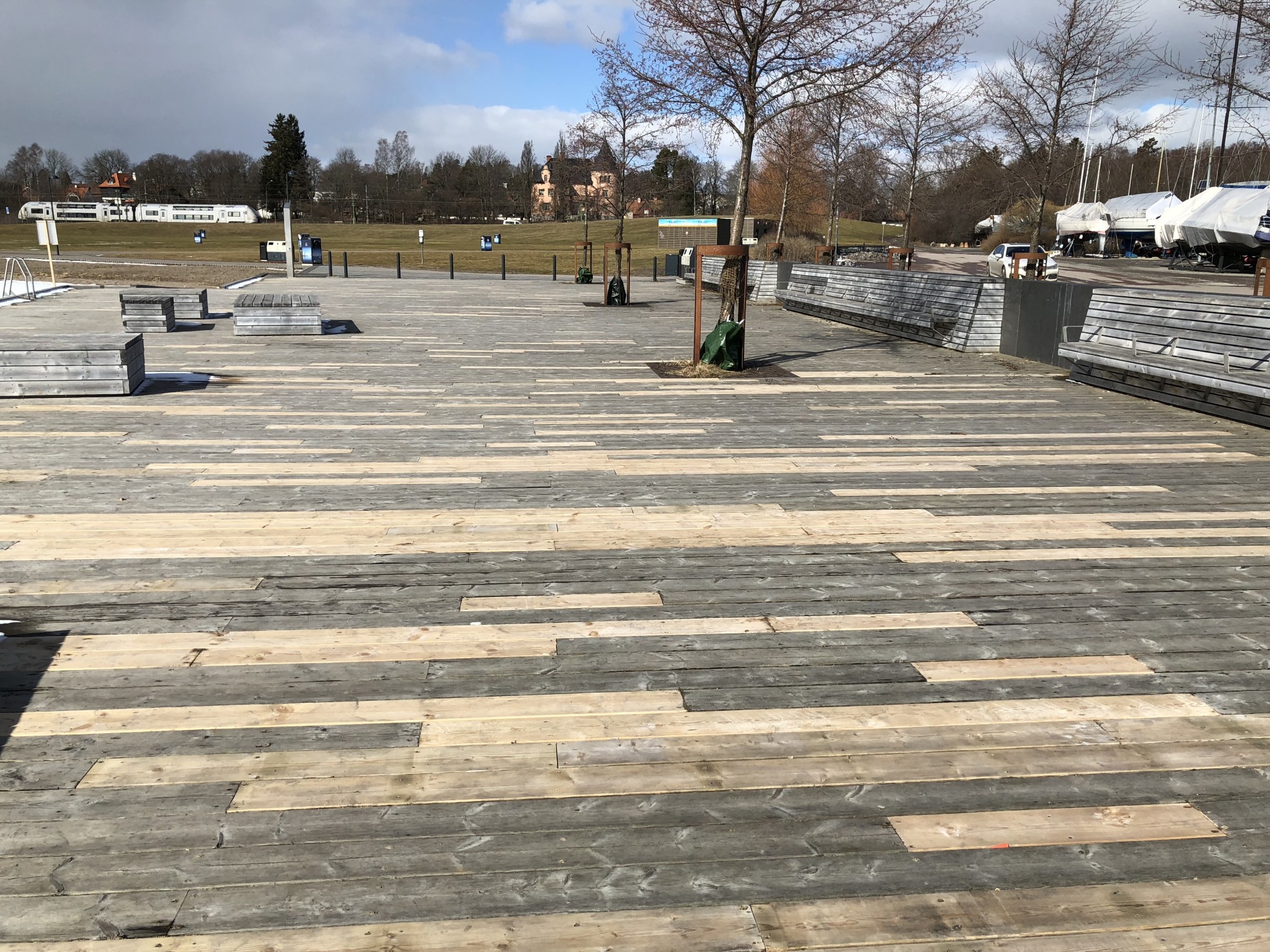
This is what the Lögarängsbadet pier looks like after 3 years. The light boards have replaced those that have completely rotted away. Today, almost all boards have been replaced after rotting away in less than 5 years.
Well, the old type that was pressure-treated was much more robust, now it's something edible that they use.. to no avail.
The old type of pressure treatment also contained arsenic, which is not very healthy. That's why you shouldn't use old telephone poles for garden beds and such, especially if it's for edible plants.
Click here to reply
Vi vill skicka notiser för ämnen du bevakar och händelser som berör dig.