
Hello,
Some rot in the beam structure for the bay window according to photos. Water intrusion from a leaking terrace door, etc. Asked my (Polish) builder to buy untreated 63*175 wood, split it in the middle, and give it an oil bath before installation (cut surfaces against the wall). He bought wood according to the photo - treated surface (I assume), but nothing visible in the cross-sections.
Questions:
1) What impregnation class are we dealing with here? (If any)
2) Depending on 1), could this be okay for indoor use? (The basic rule is to avoid treated wood indoors).
Thanks in advance.
//Martin
Some rot in the beam structure for the bay window according to photos. Water intrusion from a leaking terrace door, etc. Asked my (Polish) builder to buy untreated 63*175 wood, split it in the middle, and give it an oil bath before installation (cut surfaces against the wall). He bought wood according to the photo - treated surface (I assume), but nothing visible in the cross-sections.
Questions:
1) What impregnation class are we dealing with here? (If any)
2) Depending on 1), could this be okay for indoor use? (The basic rule is to avoid treated wood indoors).
Thanks in advance.
//Martin
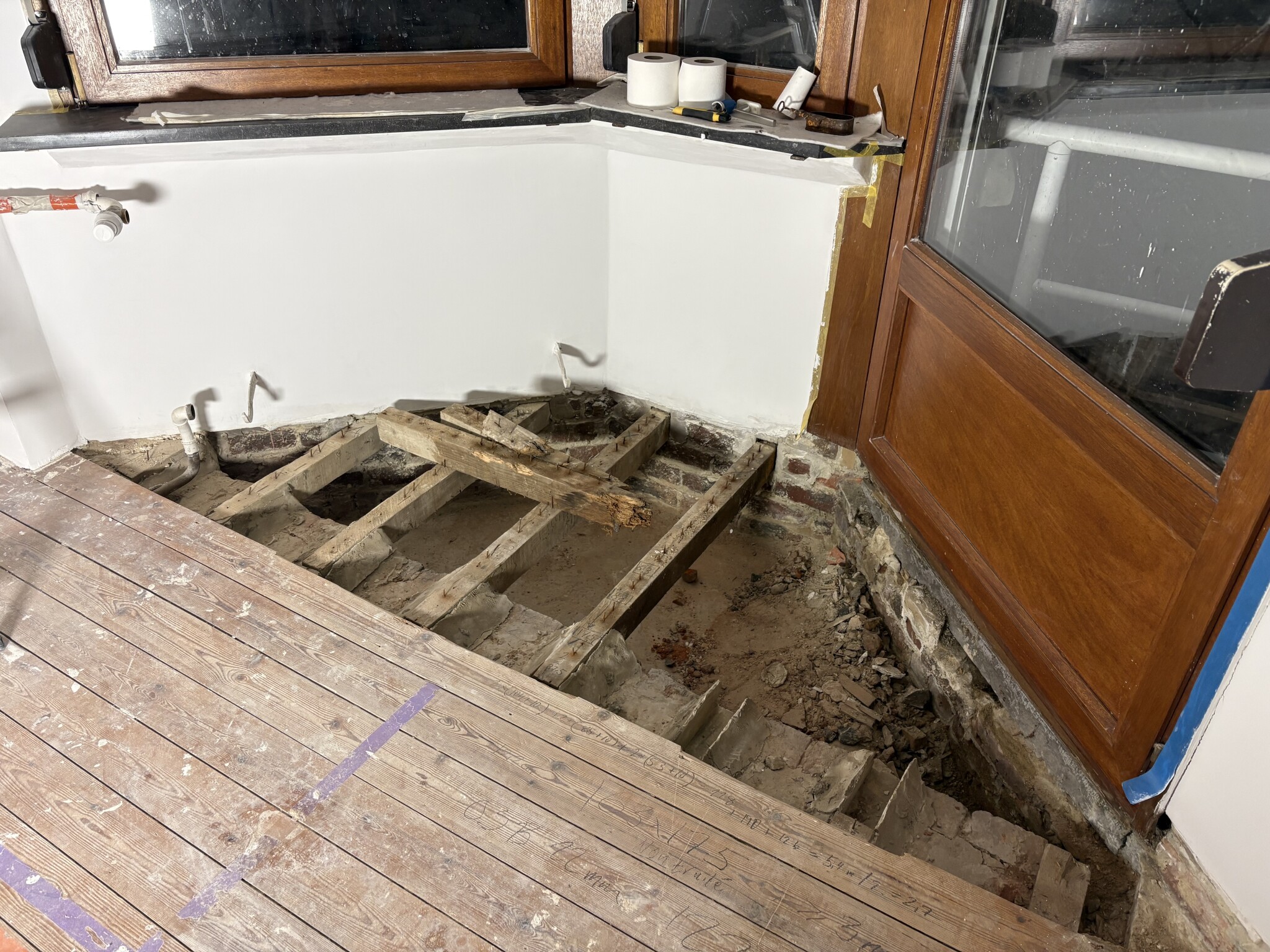
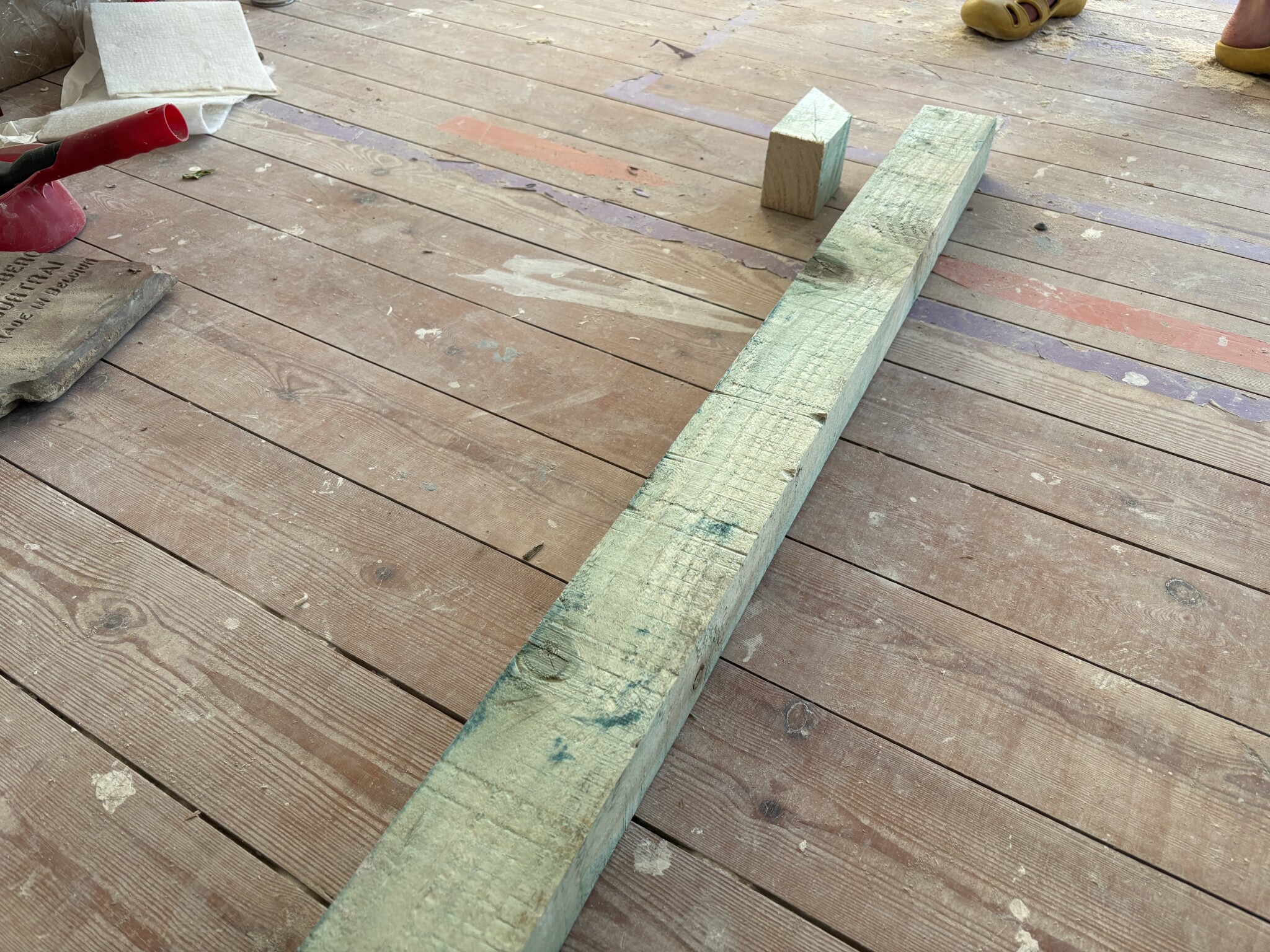
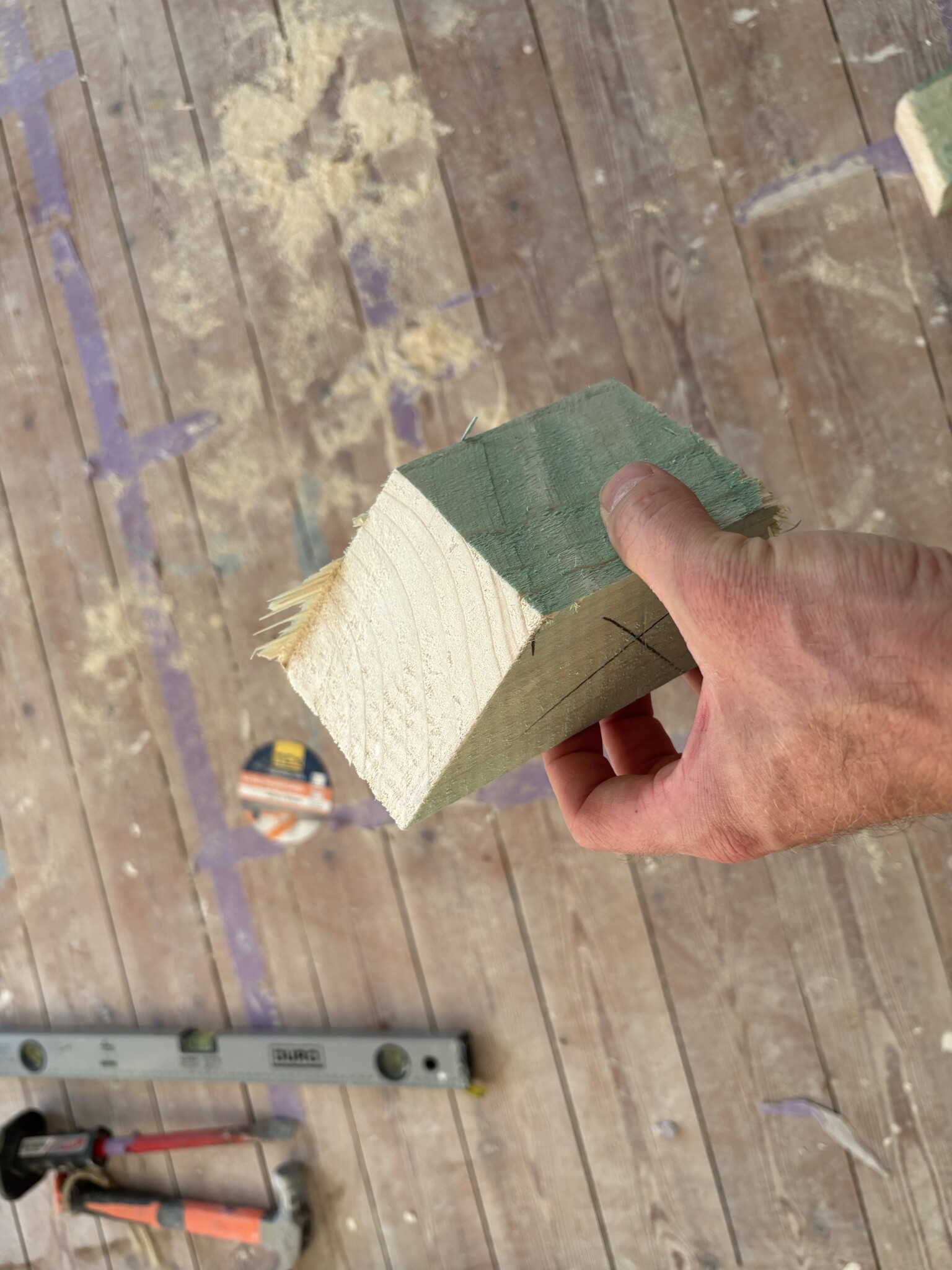
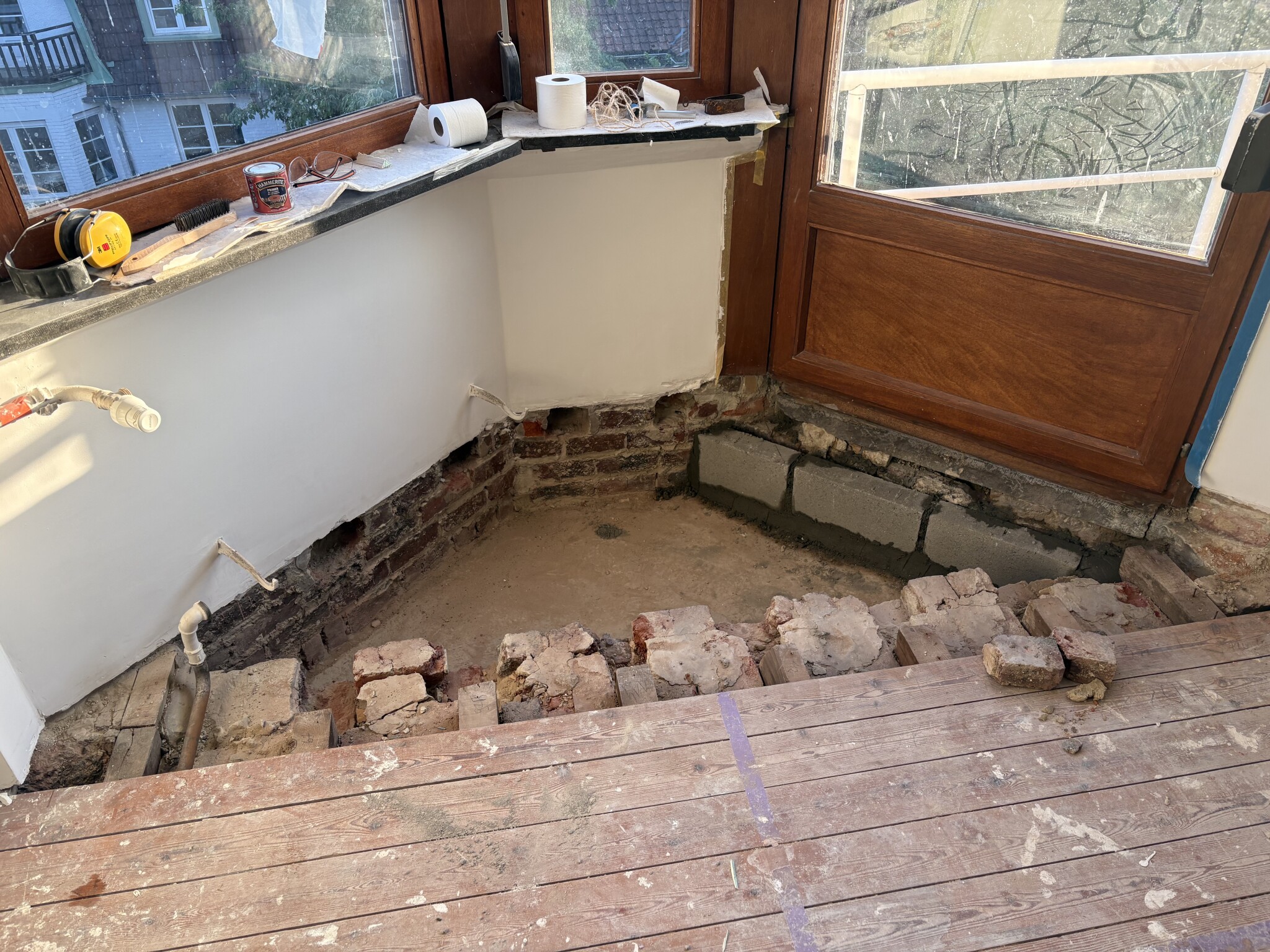
It is unlikely that the new fast-grown piece will have the same lifespan as the old one, regardless of whether the new one is printed, dipped, or simply coated with some green paint.
I don't think you will die or suffer harm because of the craftsman's choice of materials. If you think I am wrong, you should take the opportunity to get a better piece of wood before the floor is closed again.
I don't think you will die or suffer harm because of the craftsman's choice of materials. If you think I am wrong, you should take the opportunity to get a better piece of wood before the floor is closed again.

In my world, you don't place wood against masonry without something capillary-breaking in between. The green stud is nothing to be afraid of, it's probably just fast-growing spruce stud treated with green wood oil. The newly made masonry inside the door should also be allowed to dry for a few days. Then maybe you should seal the outside of the door.
Do not use treated wood indoors. Treated is meant for outdoor use, and if you build it in, you risk not only the chemicals that leach out. You also risk mold since treated wood is not dry.M Mr_Ekan said:Hello,
Some rot in the structure of the bay window according to the photos. Water ingress from a leaking terrace door, etc. I asked my (Polish) builder to buy untreated 63*175 wood, split it in the middle, and soak it in oil before installation (cut surfaces against the wall). He bought wood according to the photo - treated surface (I assume), but nothing visible on the cross sections.
Questions:
1) What impregnation class are we dealing with here? (If any)
2) Depending on 1), could this be okay for indoor use? (The basic rule is to avoid treated wood indoors).
Thanks in advance.
//Martin

Diversearbetare
· Göteborg
· 11 458 posts
Also, check that the threshold on the patio door is properly oiled. It is a common issue for these to leak right through the wood despite correct metalwork around the threshold.M Mr_Ekan said:
Source: sheet metal worker who has received many false alarms about bad metalwork, when in fact it's the thresholds that leak like sieves.
I share your view. I have covered the sill to the backyard cabin with self-adhesive bitumen felt; works great 5 years later. I'll see if I can find the same for the ends resting on the outer wall - simply exposed surface.N Nissegandhi said:In my world, you don't place wood against masonry without putting something capillary-breaking there. The green wood is nothing to be afraid of; it's probably nothing more than fast-growing spruce wood treated with green wood oil. The newly built masonry inside the door should also dry for a few days. Then maybe one should seal the exterior of the door.
Green surface goo I need to read more about; perhaps it's against pests. Besides the surface treatment, the wood is lightweight, so the builder was tasked with finding a higher density - redo, do it right


Naturally, only dry wood is used. The chemicals are bound to the cells in the wood and do not leach out but remain to protect against mold, among other things.Kempa_swe said:
Hi,M Mr_Ekan said:Hello,
Some rot in the joist for the bay window according to photos. Water damage from a leaking terrace door, etc. I asked my (Polish) builder to buy untreated 63*175 lumber, split it in the middle, and soak it in oil before installation (cut surfaces against the wall). He bought lumber according to the photo - treated surface (I assume), but nothing visible in the cross-sections.
Questions:
1) What impregnation class are we dealing with here? (If any)
2) Depending on 1), could this be okay for indoor use? (The general rule is to avoid treated lumber indoors).
Thank you in advance.
//Martin
The house should be watertight. You don't build so that water comes in. Treated or oiled is not interesting.
Regards,
Olle

Your picture of the sawn part of the timber doesn't look like treated timber usually does. That is, you should see green coloration a bit from the surface where the impregnation has penetrated. The color on the surface is slightly off as well. Fake?M Mr_Ekan said:Hello,
Some damage in the beams to the bay window according to photos. Water damage from a leaking terrace door, etc. Asked my (Polish) builder to buy untreated 63*175 timber, split it in half, and soak it in oil before installation (cut surfaces towards the wall). He bought timber according to the photo - coated surface (I assume), but nothing visible in the cross-sections.
Questions:
1) What impregnation class are we dealing with here? (If any)
2) Depending on 1), would this be okay for indoor use? (The basic rule is that one stays away from treated timber indoors).
Thanks in advance.
//Martin

Click here to reply